
Planning Mow Height Changes Going Into Dormancy
Owners often drop mowing height in one pass the week before travel, hoping for a neat dormant look. On Kentucky bluegrass facing Bookcliff afternoon sun, that single cut can remove the blade mass...
Expert guidance for maintaining beautiful, healthy landscapes in Western Colorado
Welcome to the Mesa Turf Masters blog, your resource for professional lawn care tips, seasonal maintenance advice, and expert insights tailored specifically for Western Colorado's unique climate and growing conditions. With over 30 years of experience serving the Grand Valley, we're sharing the knowledge that helps our clients achieve exceptional results year after year.
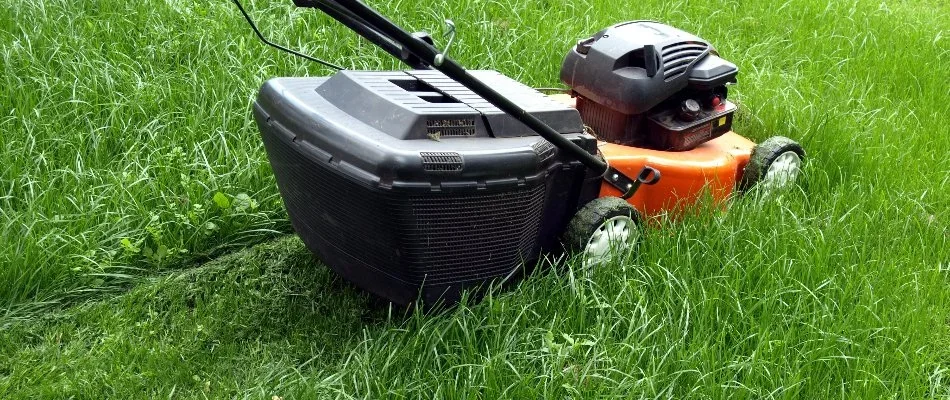
Owners often drop mowing height in one pass the week before travel, hoping for a neat dormant look. On Kentucky bluegrass facing Bookcliff afternoon sun, that single cut can remove the blade mass...
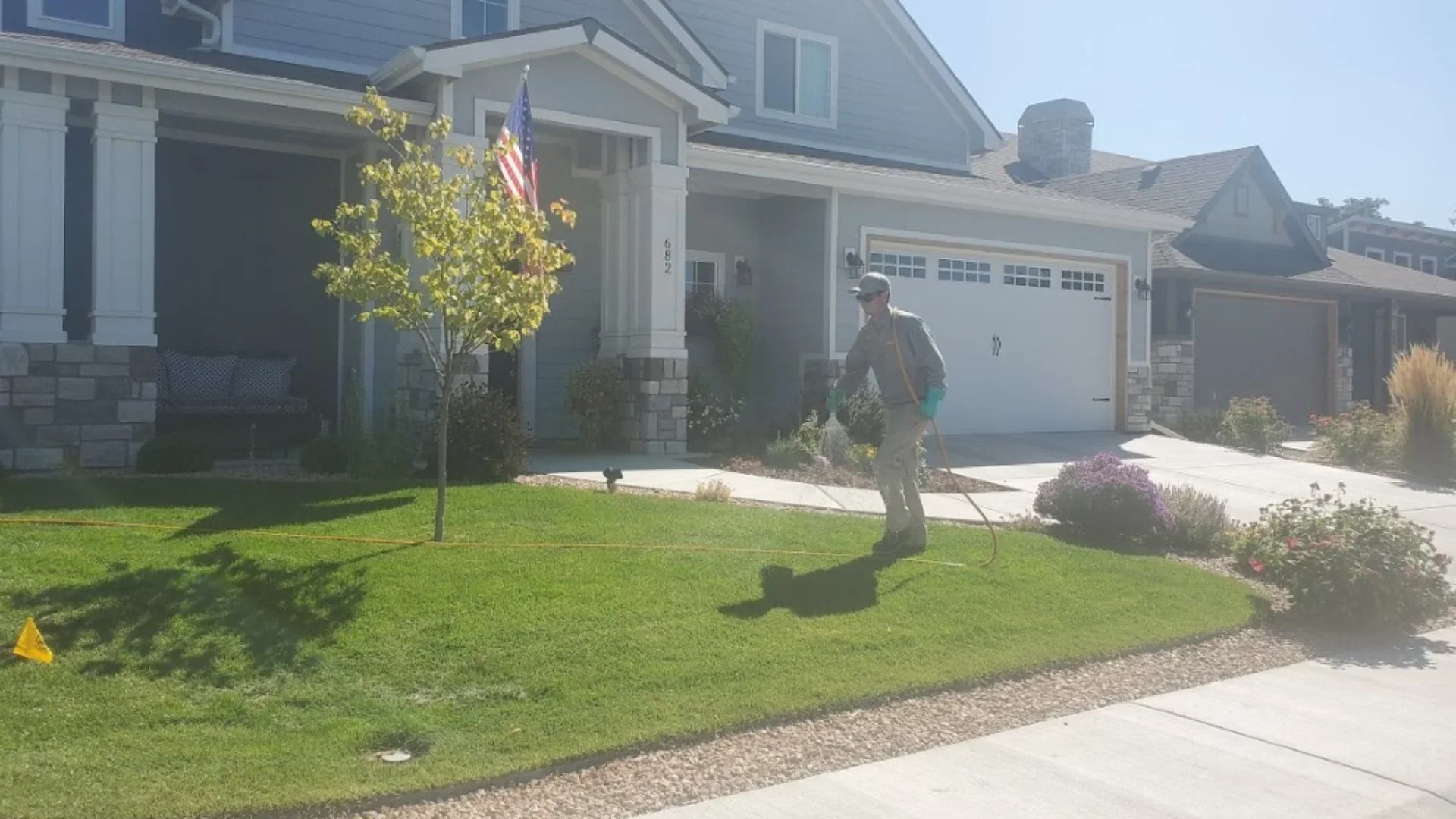
Granular fertilizer on square suburban lots rides the spreader path twice at every corner. Grand Junction heads set for full-circle coverage multiply overlap zones where burn appears before you...
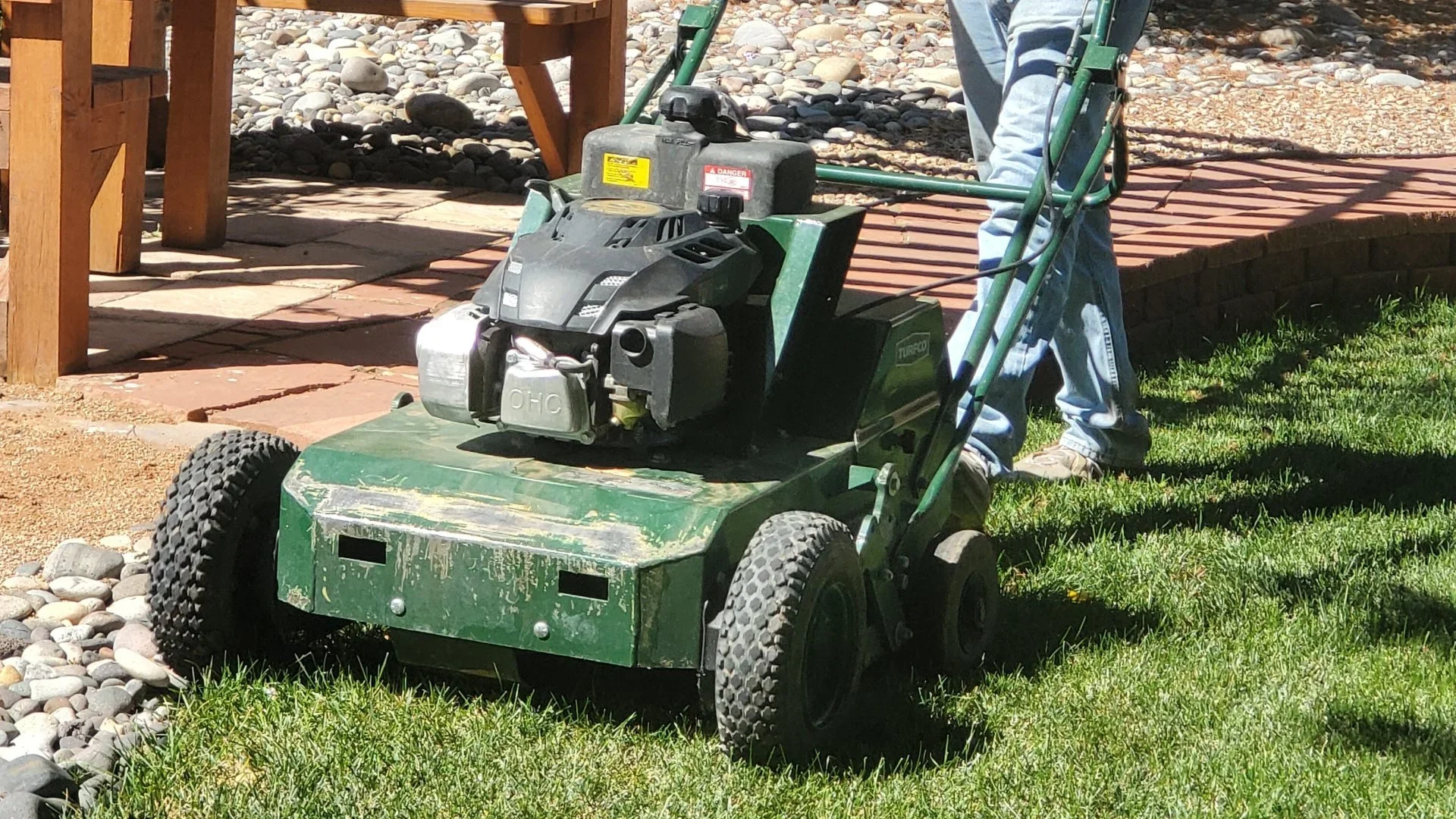
Aeration feels overdue when October days flirt with seventy degrees and the mower still runs twice a week. On clay that refreezes hard by November mornings, open holes can dry crowns while roots...
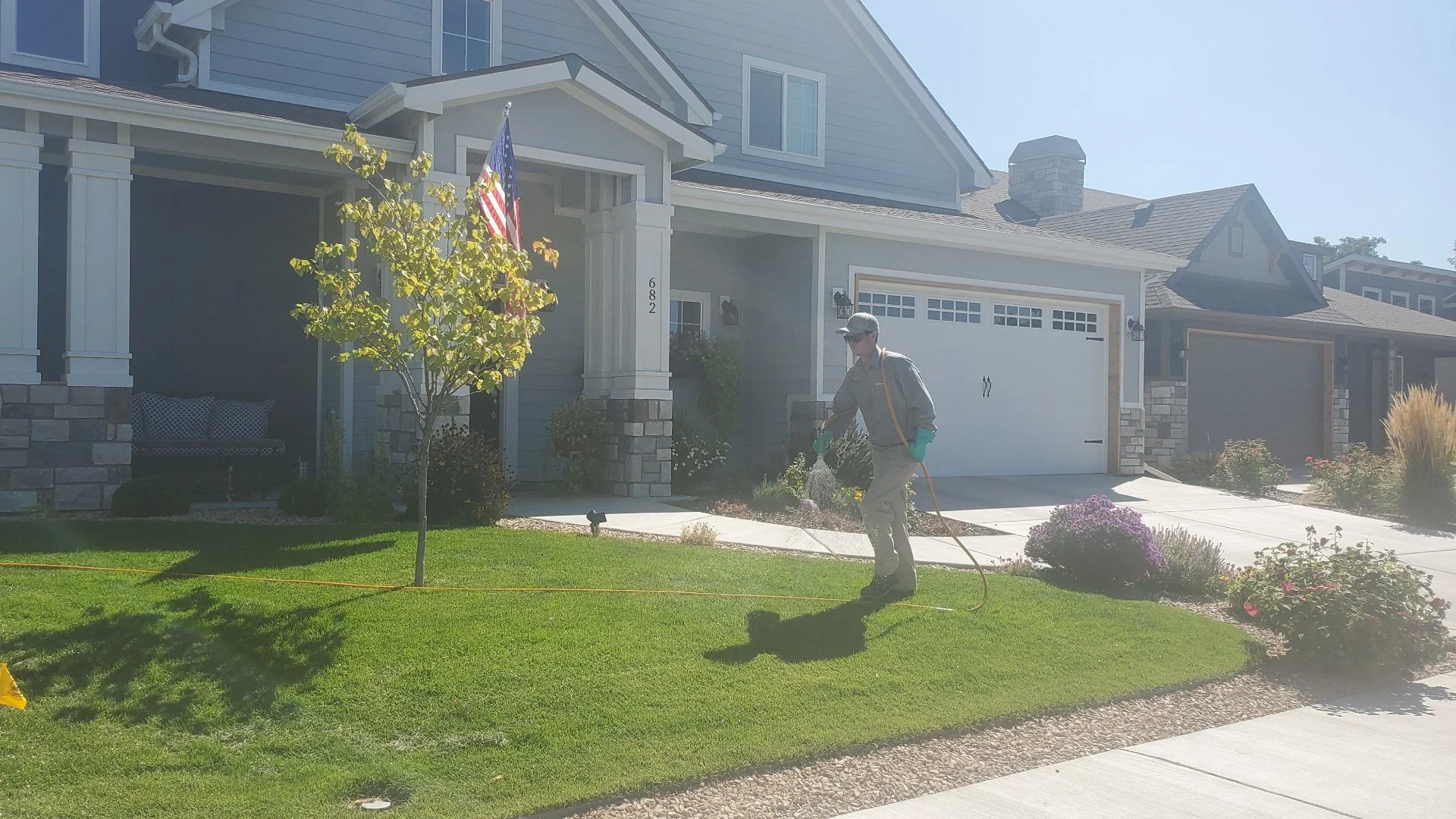
Foothills neighborhoods above the valley floor cool faster at night but still bake on south aprons after lunch. Billbug feeding on those lots shows up as isolated tan panels that do not match the...

Xeric beds along patio walks and driveway skirts share valves with cool-season turf more often than owners admit. Overspray that keeps bluegrass happy can yellow lavender and sand cherry in the...
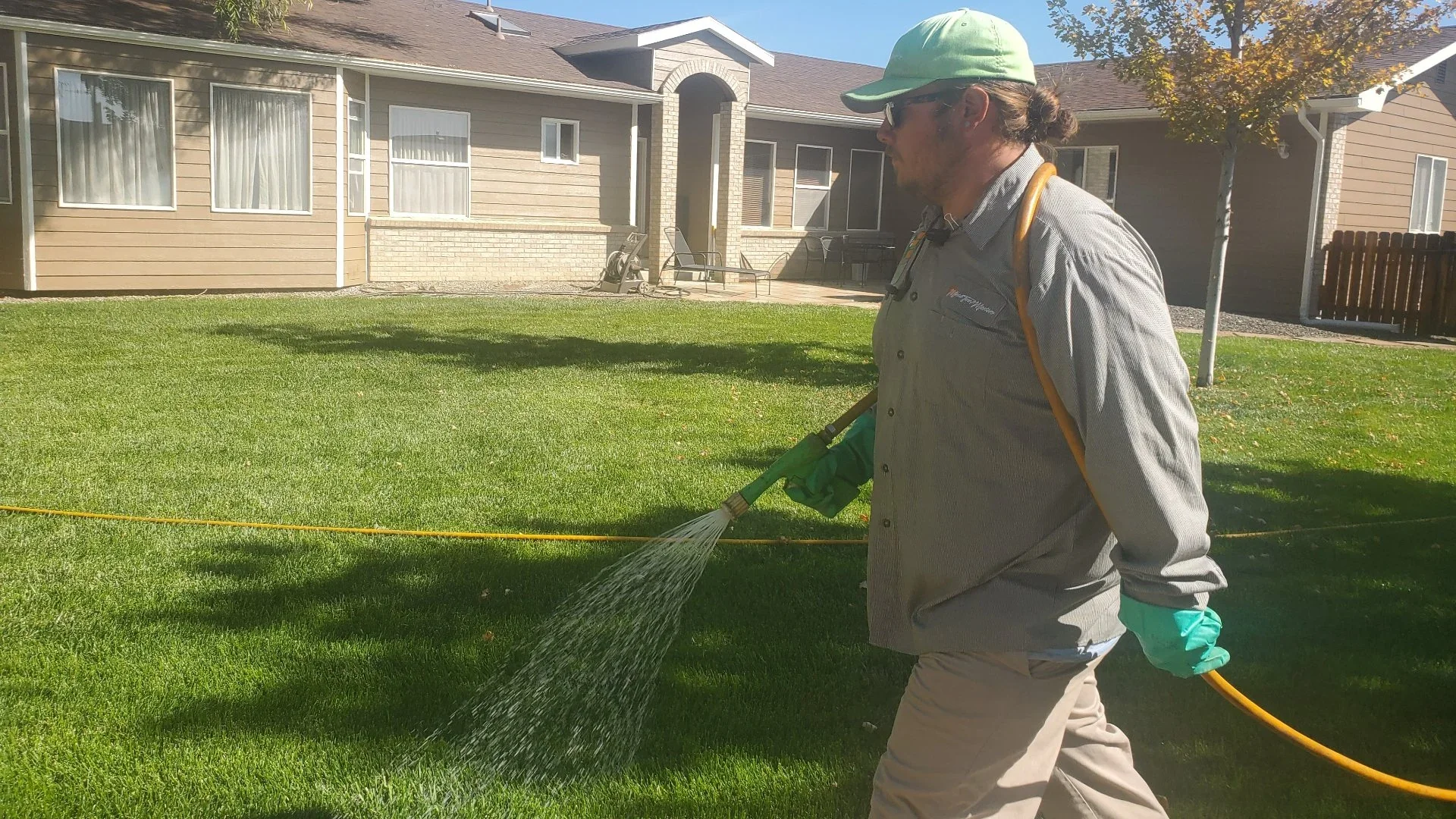
Park strip turf in Fruita and along Grand Junction parkways sees more salt, exhaust heat, and foot traffic than the interior rectangle ever does. Crabgrass breakthrough there is a map of edge...
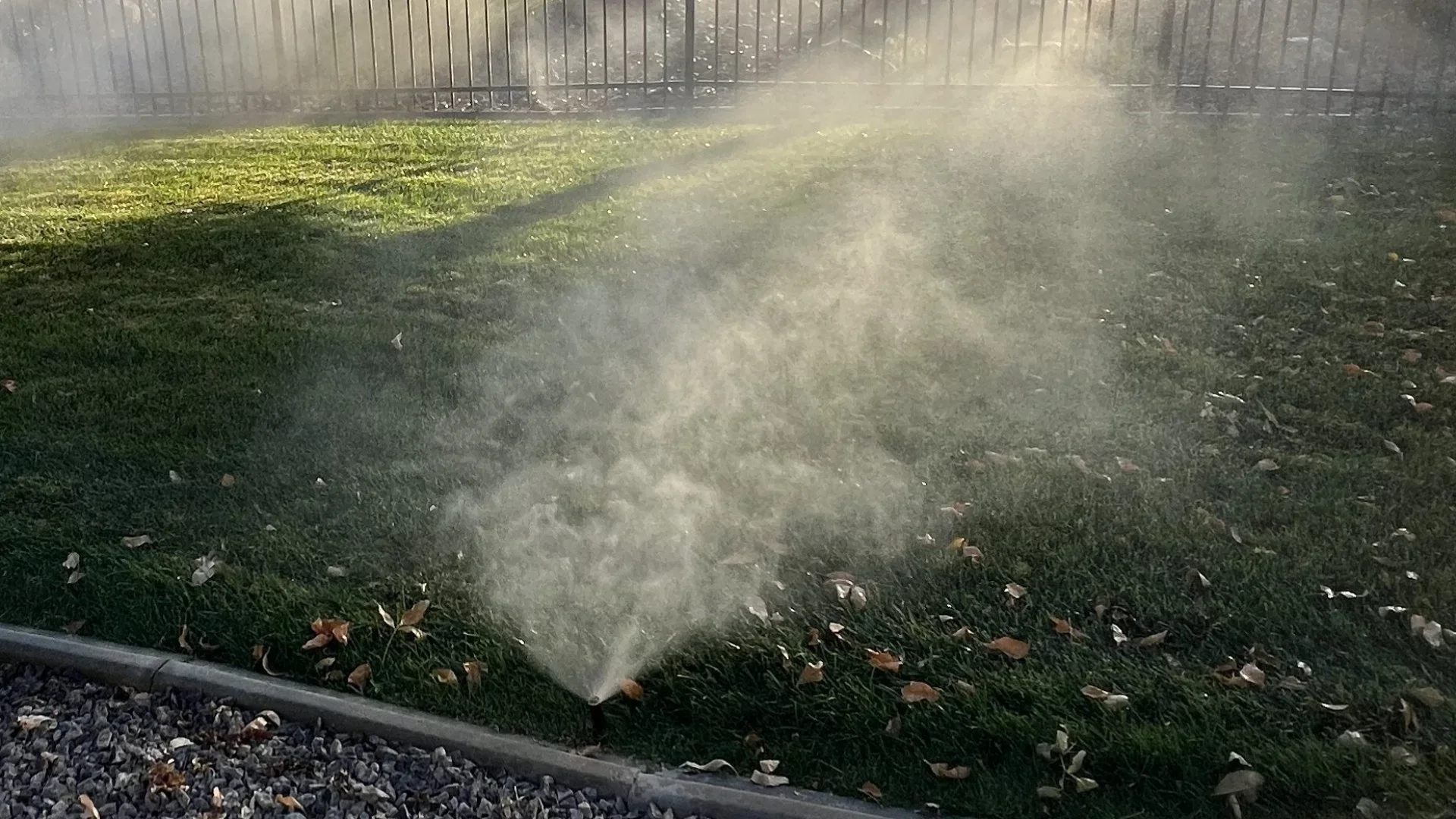
A dry winter leaves Grand Valley clay crusted at the surface long before buds break on ornamental trees. Startup in March is less about turning the clock on than about matching minutes to soil...
Kentucky bluegrass on west exposures in Grand Junction and Redlands often thins by late summer while the morning shade side still holds color. The loss is usually cumulative heat on shallow roots,...
If your lawn looks good in May, rough in July, and tired again by early fall, the problem usually is not effort. It is timing. If you have been wondering **how often fertilize lawn** care should...
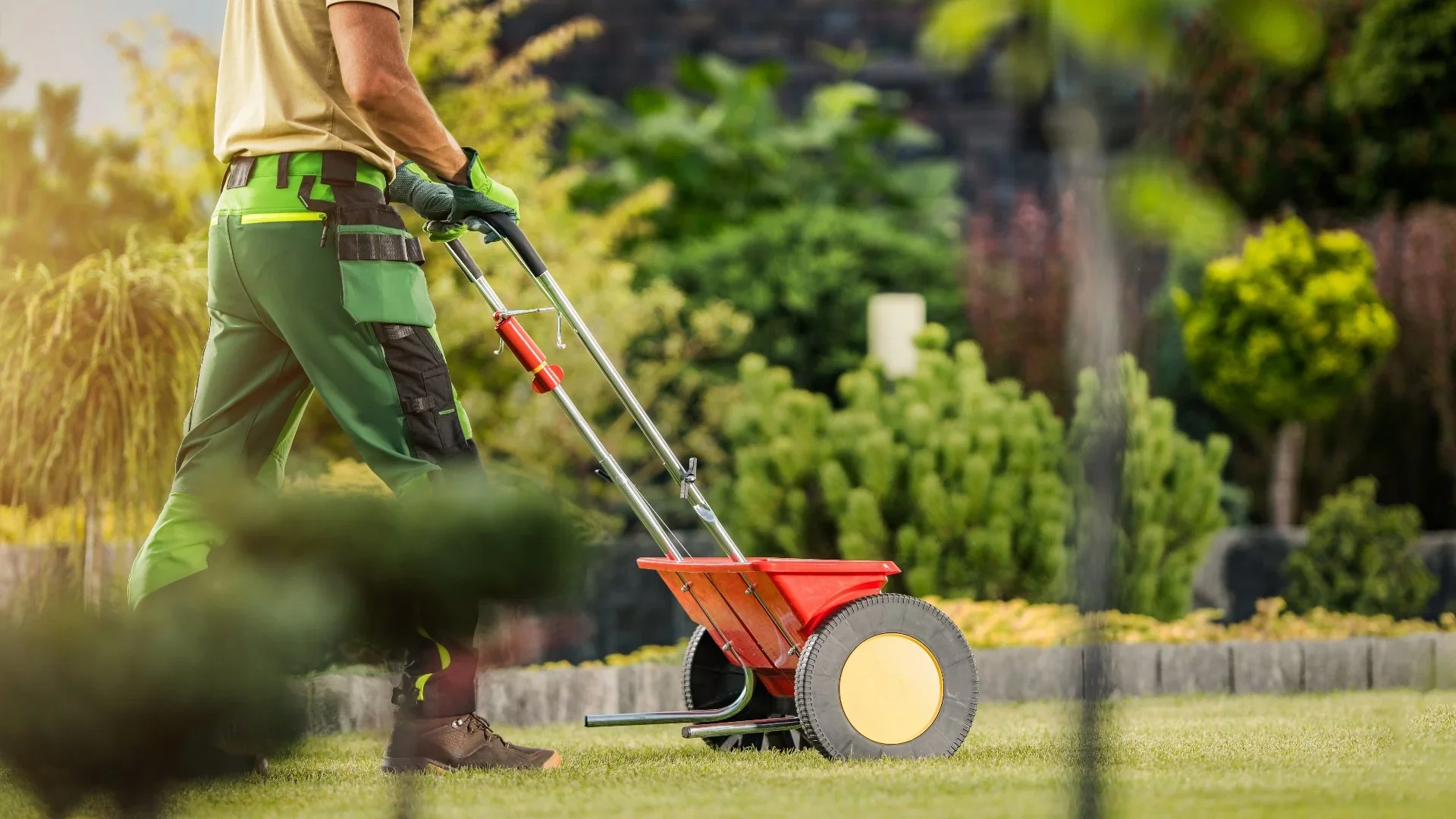
A good lawn fertilization schedule can make the difference between a yard that merely survives Grand Junction summers and one that stays thick, steady, and genuinely healthy. The catch is that...
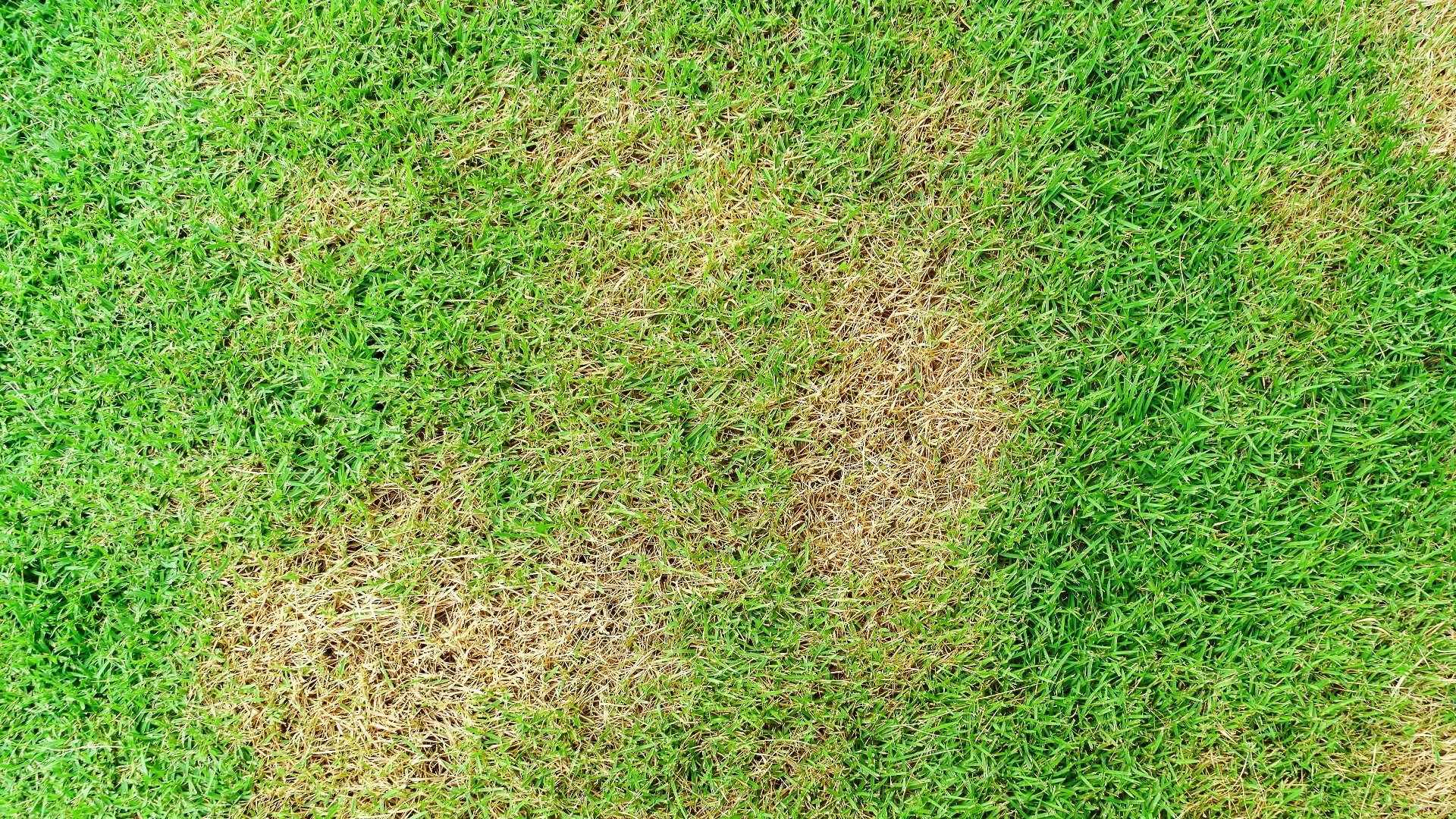
A lawn turning brown usually means your grass is reacting to something, not that your yard is ruined. Brown grass is a symptom, and once you know what kind of stress is causing it, you can stop...
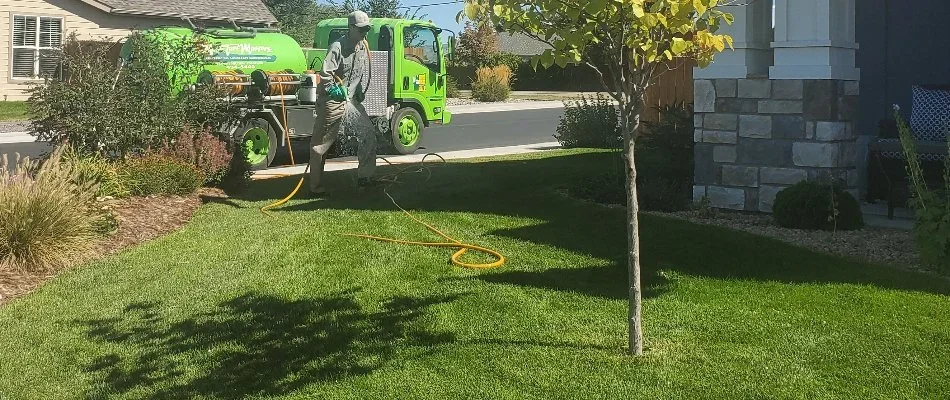
Searching for lawn maintenance cost usually means you want one simple answer: what will it take to keep your yard looking decent without lighting money on fire? In Grand Junction, that answer is...
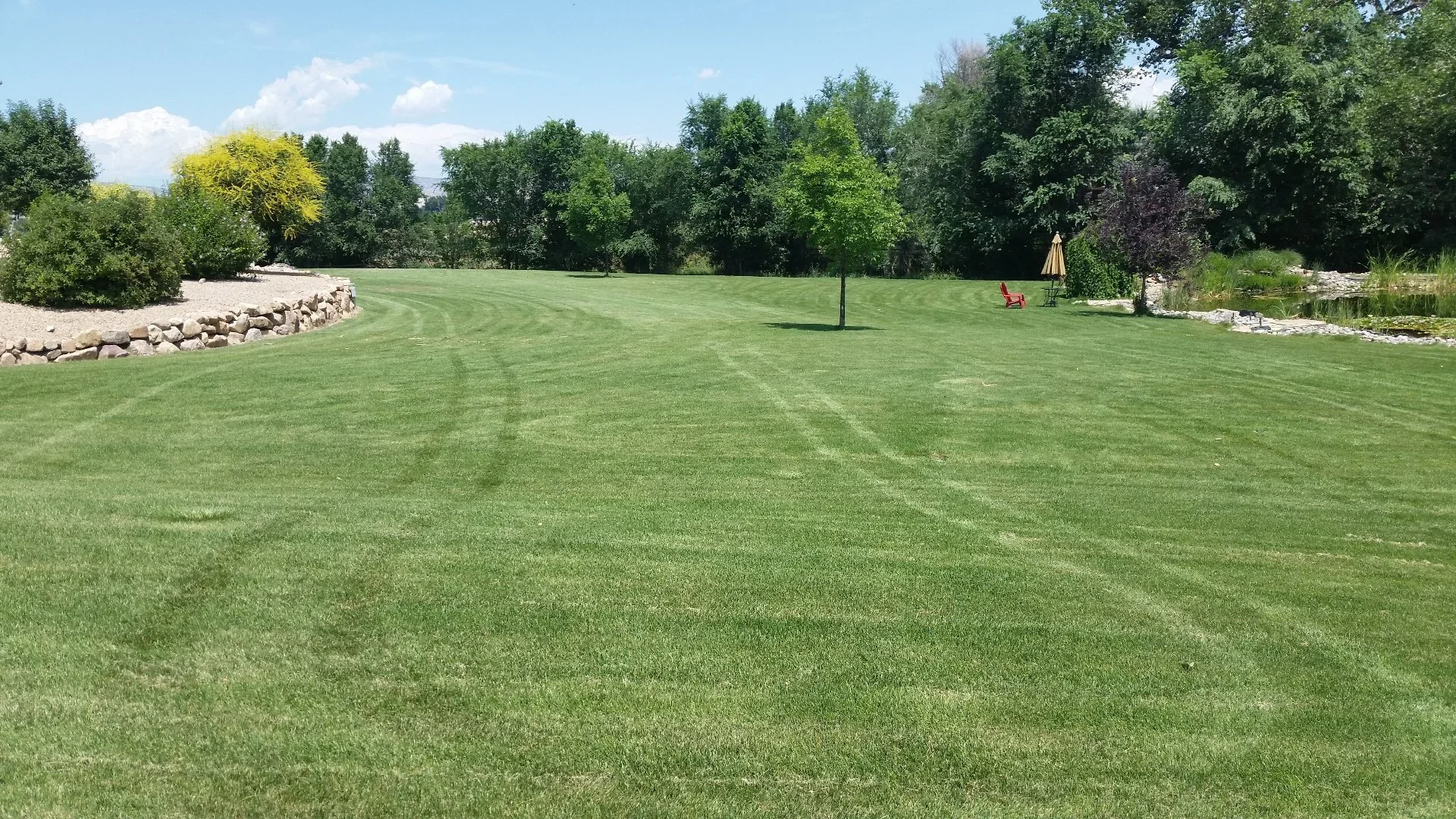
Lawn care services are the routine jobs and targeted fixes that keep your grass alive, usable, and good-looking, and in Grand Junction, that list is usually shorter and more specific than people...
Yard care services are the routine and seasonal jobs that keep your grass healthy, usable, and good-looking. That matters more than it sounds, because a lawn can look fine on Monday and worn out,...
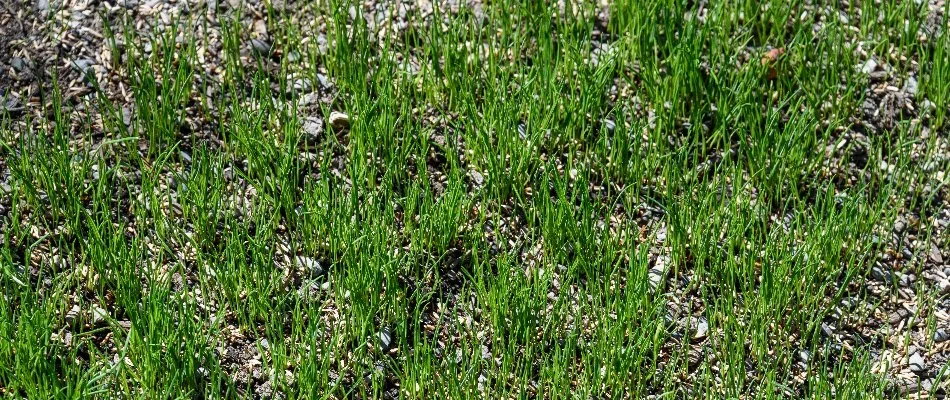
A patchy lawn is a lawn with thin grass, bare spots, uneven color, or rough sections that never seem to fill in. If your patchy lawn in Grand Junction looks fine in one area and tired, brown, or...
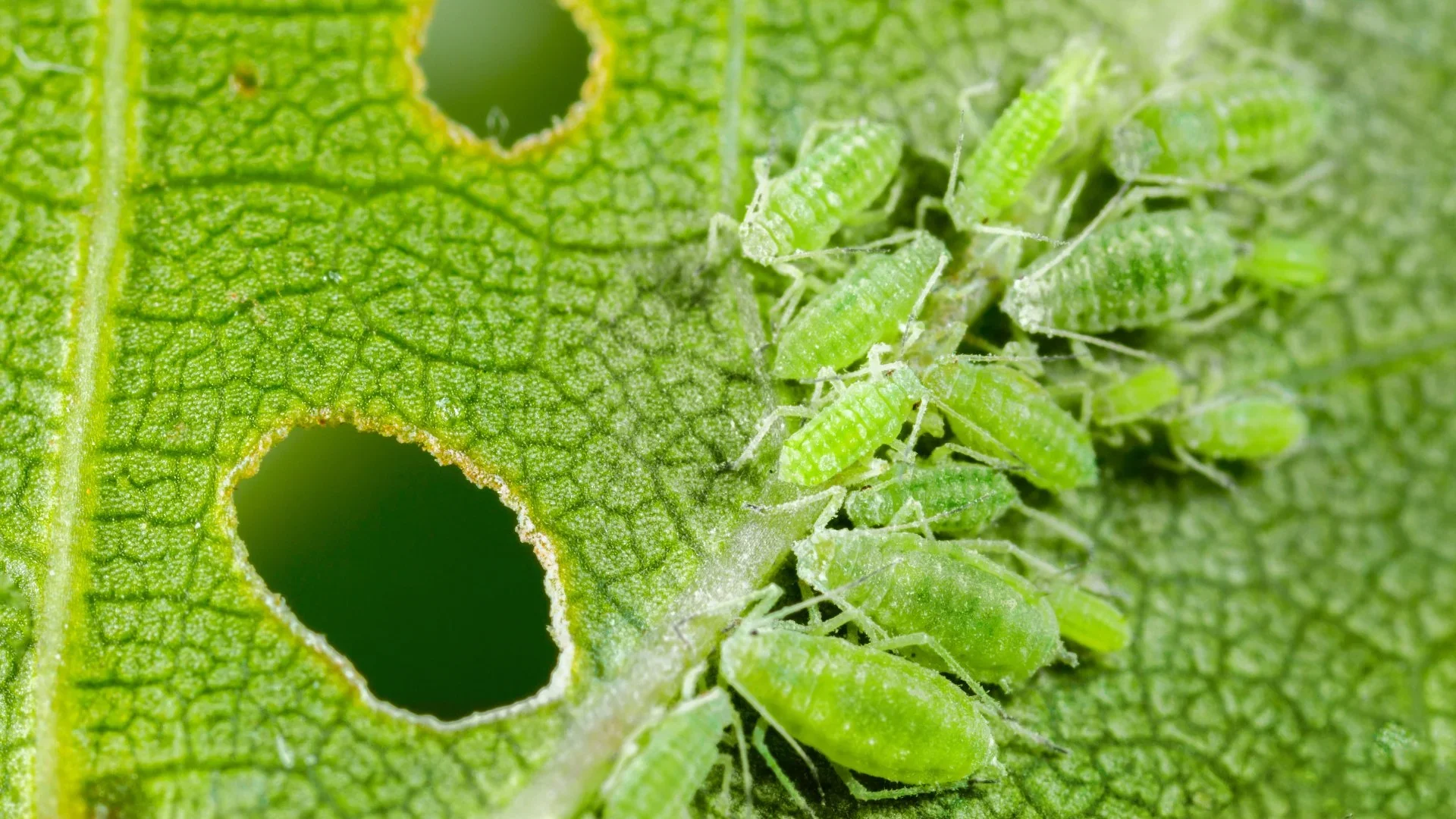
A practical guide to borer pressure in landscape trees in Grand Junction and the Grand Valley, with clear advice on what to consider and how to plan the next.
A practical guide to coordinating irrigation and fall lawn treatment in Grand Junction and the Grand Valley, with clear advice on what to consider and how to.
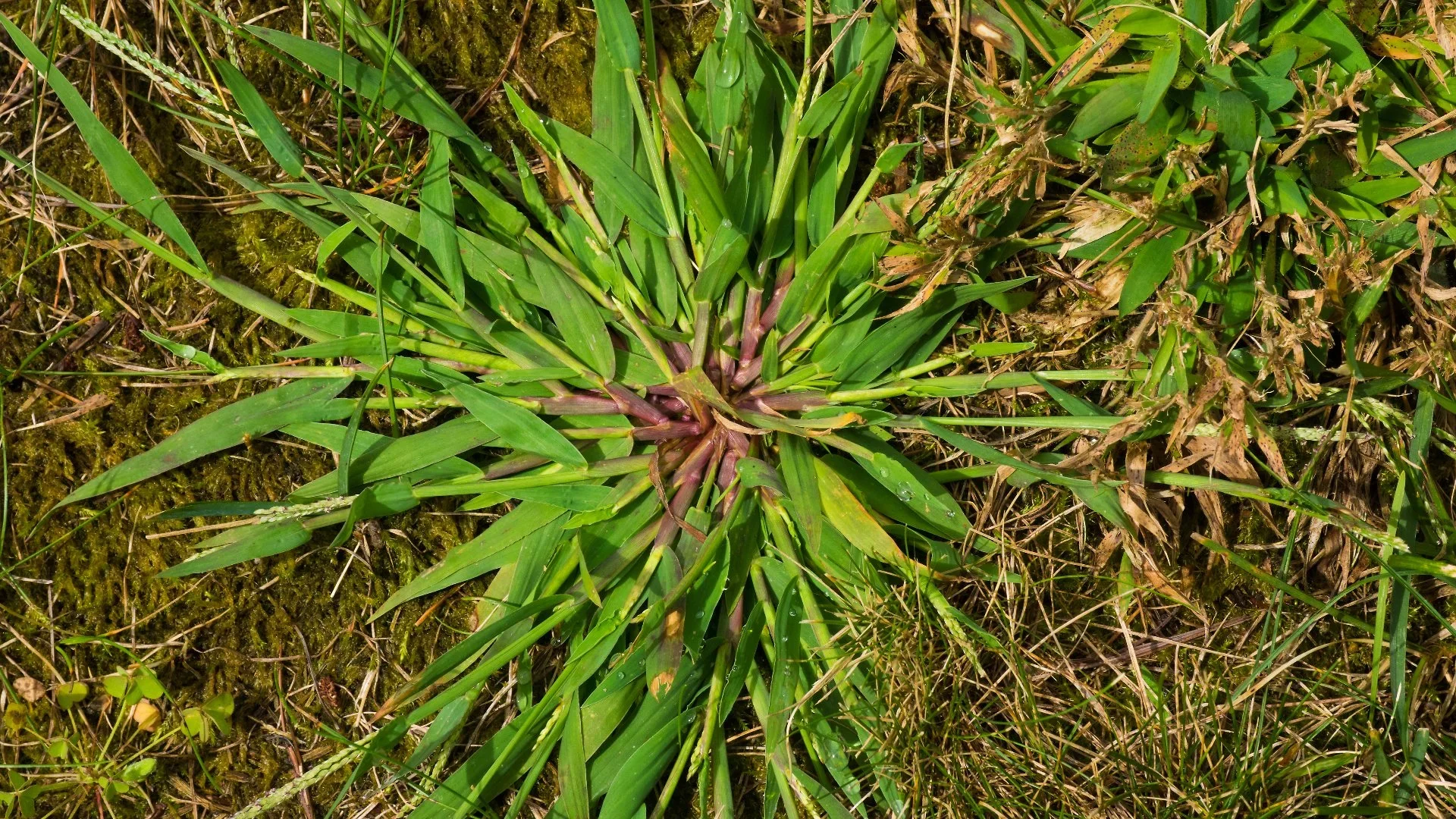
Late kochia on a Fruita lot is a map of next year's pre-emergent, not a reason to panic-spray the whole Grand Valley lawn this week.
A Palisade strip torn by a skunk is not automatic grub proof. We lift turf and look for larvae before anyone treats.
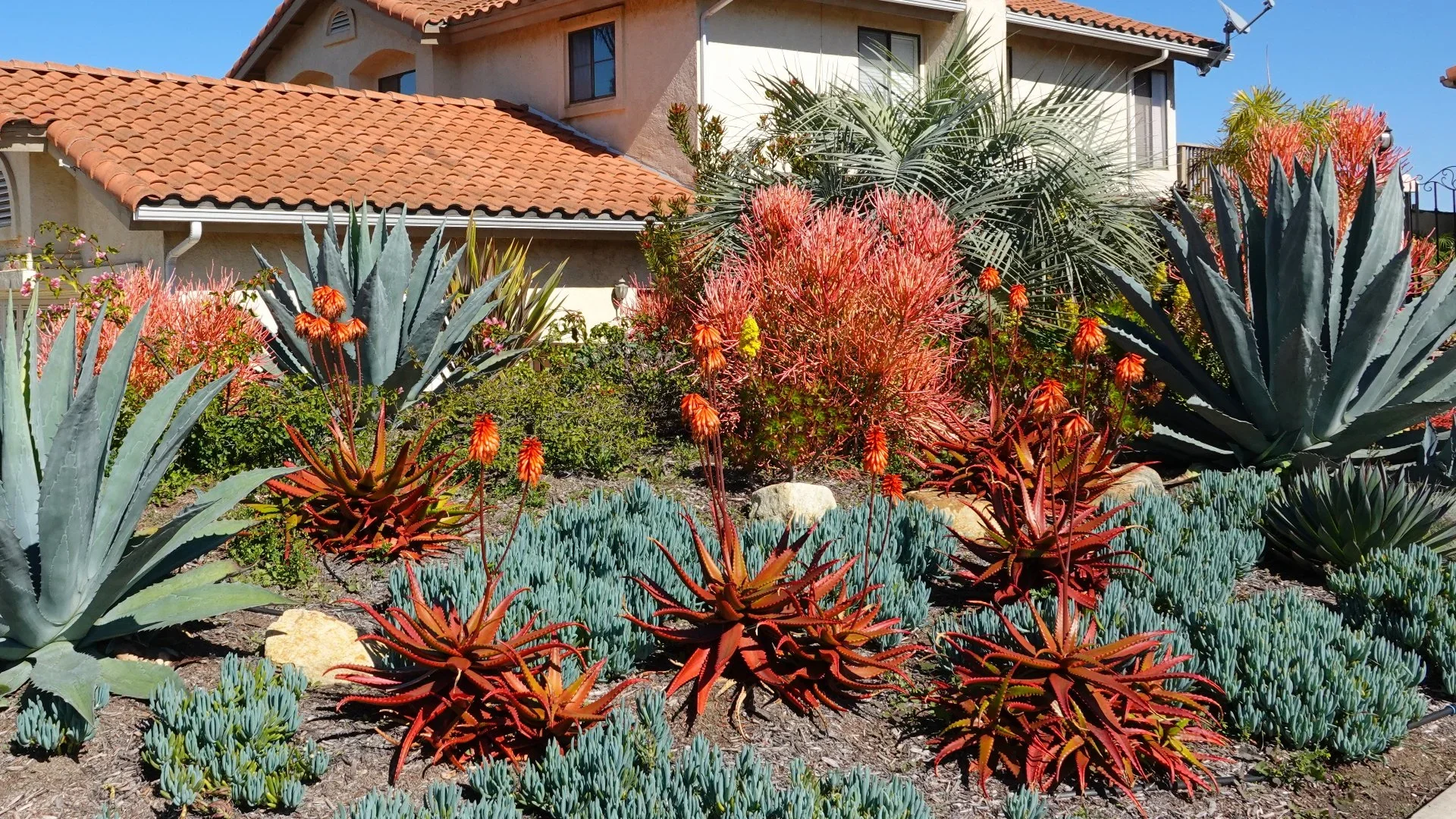
On Grand Junction lots we aerate where traffic packed the clay, not as a blanket pass across turf that is already open.
Pavement ants in a Grand Valley garage keep returning until the slab crack and the door sweep are actually on the repair list.
Ash in Grand Junction wind and a drip-starved juniper are two plant files, even when both look dull in the same August week.
Bindweed on a Fruita gravel edge and crabgrass in Palisade turf need different Grand Valley dates, not one spray day for the whole lot.
Grand Junction turf that lost an irrigation station after a remodel cannot keep the same Mesa fertilizer round as last June.
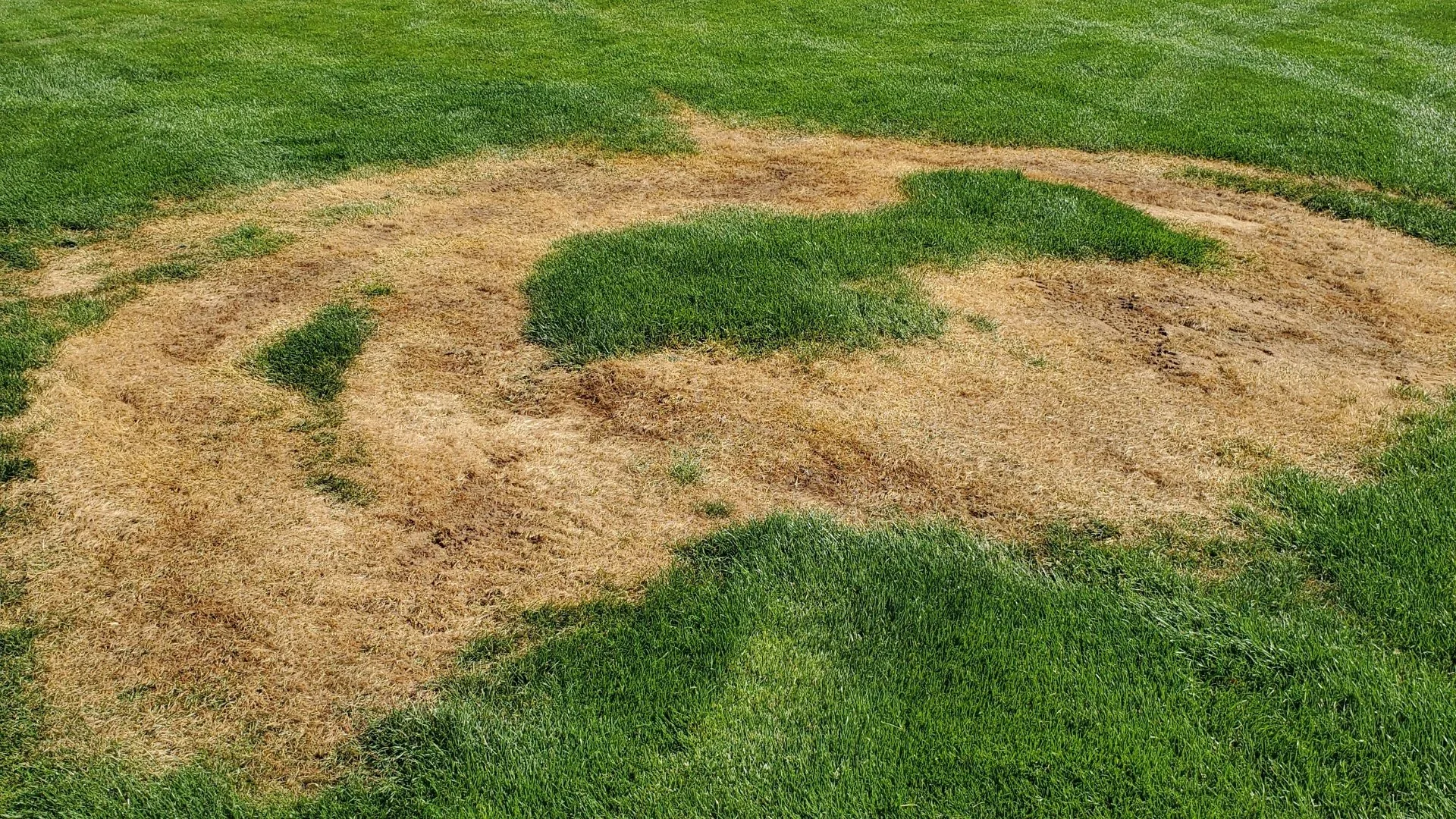
Brown Grand Valley lawn patches need a pattern check before more water or fertilizer. Coverage gaps, traffic, insects, and disease ask for different next steps.
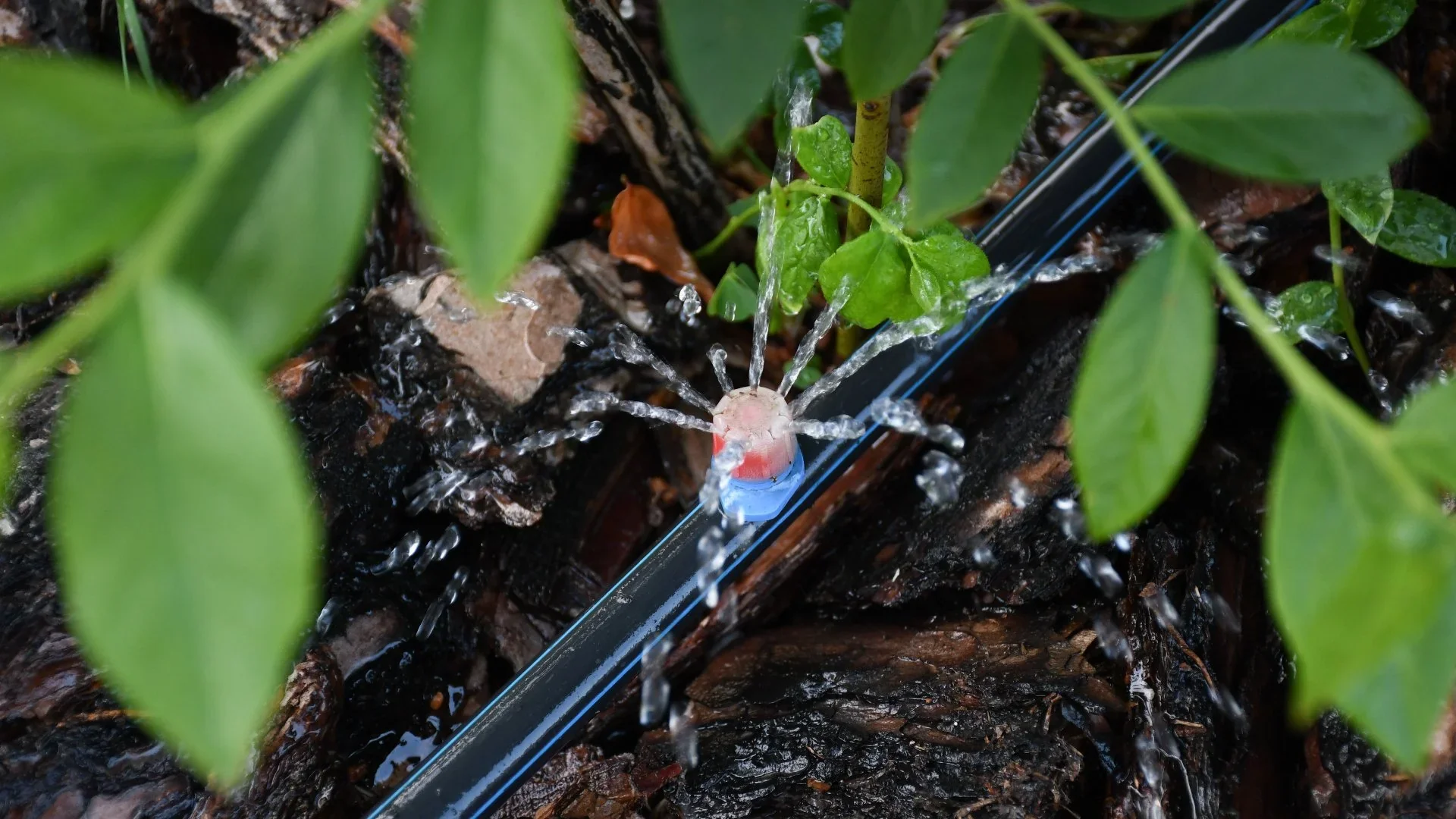
Dry shrub beds need drip diagnosis. Raising turf stations usually softens the lawn and still leaves emitters failed in Grand Junction yards.
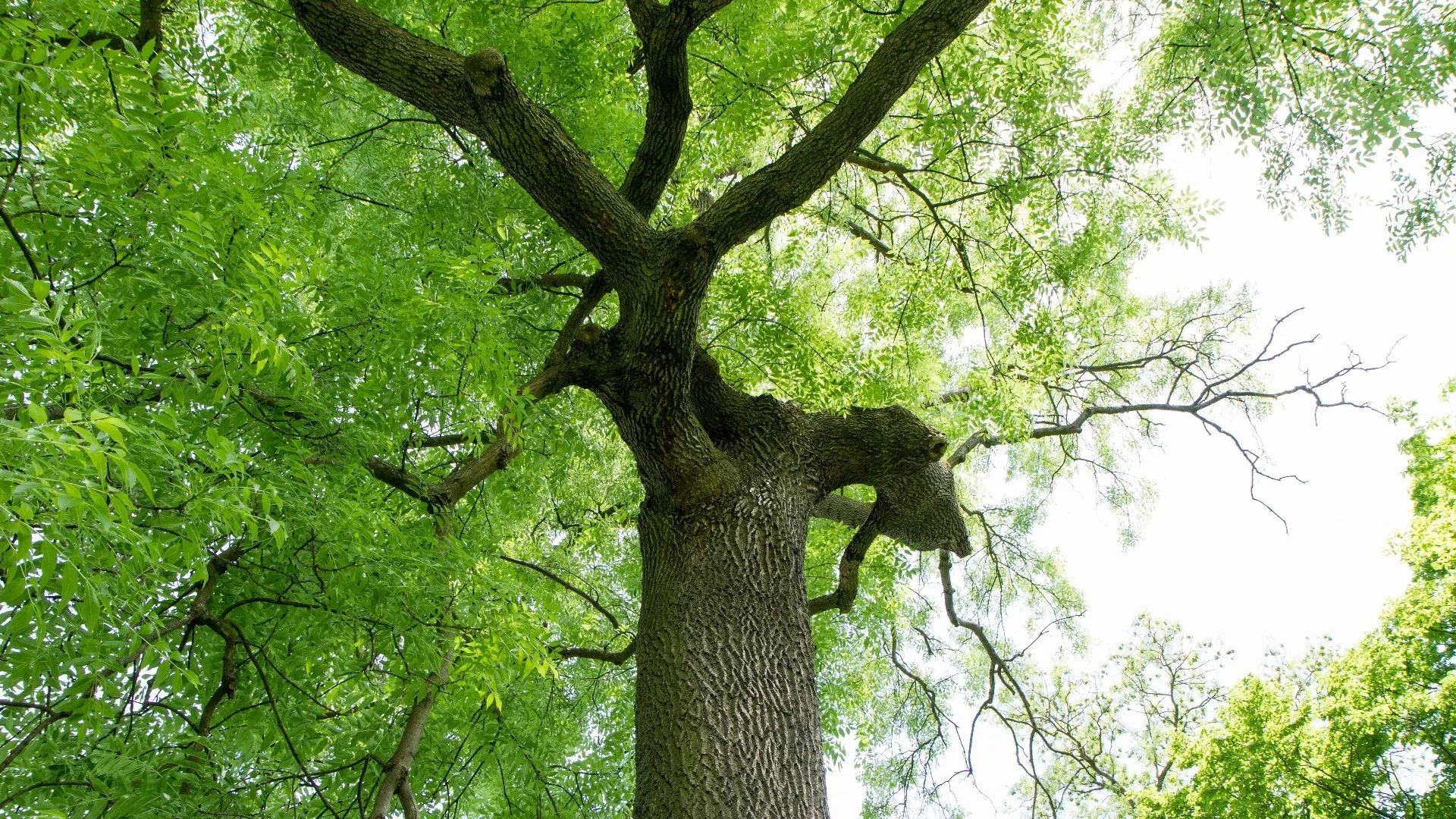
Mesa Turf Masters maintains separate programs for ash bark beetles and lilac ash borers because the pests, life cycles, host plants, and treatment timing differ.
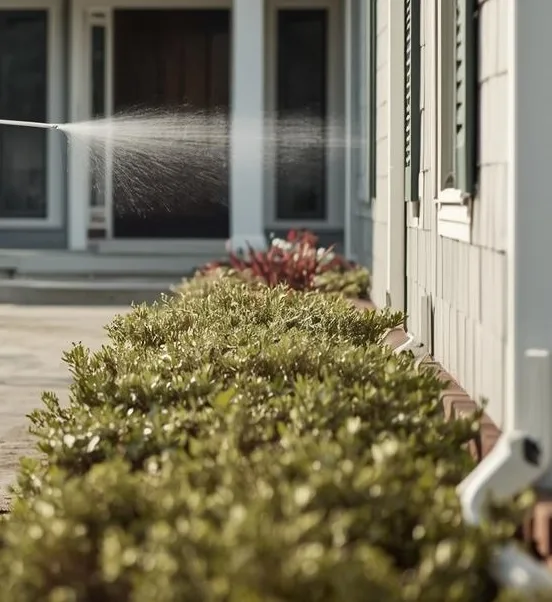
Mesa Turf Masters offers exterior-only, year-round interior and exterior, seasonal, and mosquito-control programs. The right choice depends on where activity occurs and how much monitoring the property needs.
Our team of lawn care professionals is ready to help with personalized advice and proven solutions for your specific landscape challenges. With over 30 years of experience in Western Colorado, we've seen it all and know what works.
See why hundreds of homeowners trust Mesa Turf Masters for their lawn care needs