Borer pressure in landscape trees can sound more complicated than it needs to be. The topic becomes much clearer when it is connected to your actual lawn, the way it is used, and the result you are trying to achieve. Western Colorado trees often grow under heat, irrigation limits, and challenging urban soils that can increase stress. From there, the important details can be discussed in plain language without a long list of technical possibilities.
## What This Can Look Like
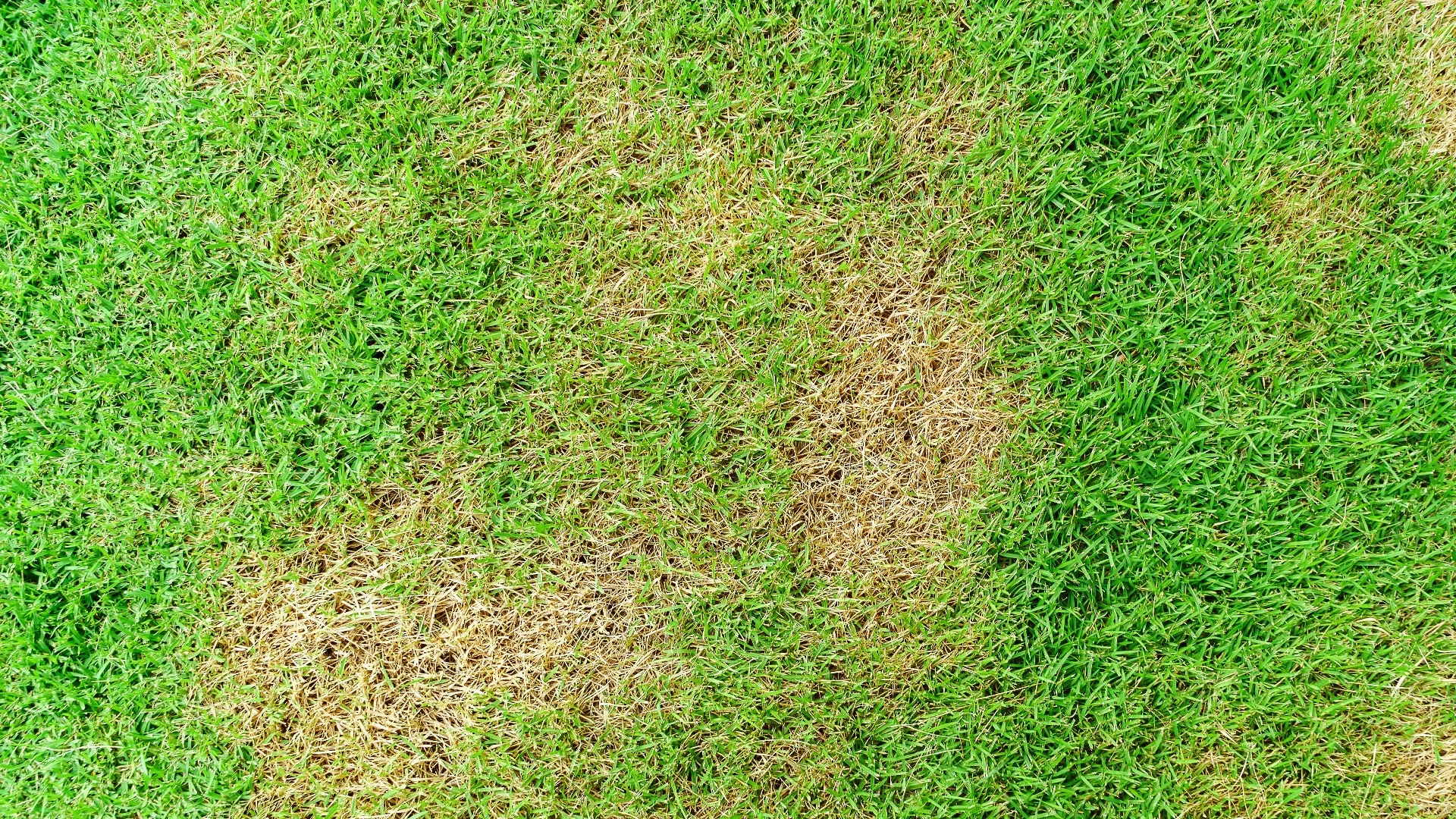
A thin, brown, or uneven area of turf can have more than one cause. Looking at species susceptibility, canopy thinning, and exit holes helps separate the visible pattern from the conditions below and around it. Recent weather, mowing, watering, and earlier treatments add context. The goal is to avoid treating one possibility while a different issue continues to stress the lawn.
The review should also include bark injury, irrigation, and root zone stress. These details can make damage look worse, slow recovery, or create a pattern that resembles insects or disease. Considering them does not mean every lawn problem has a long list of causes. It simply helps make sure the treatment matches what the turf is actually experiencing.
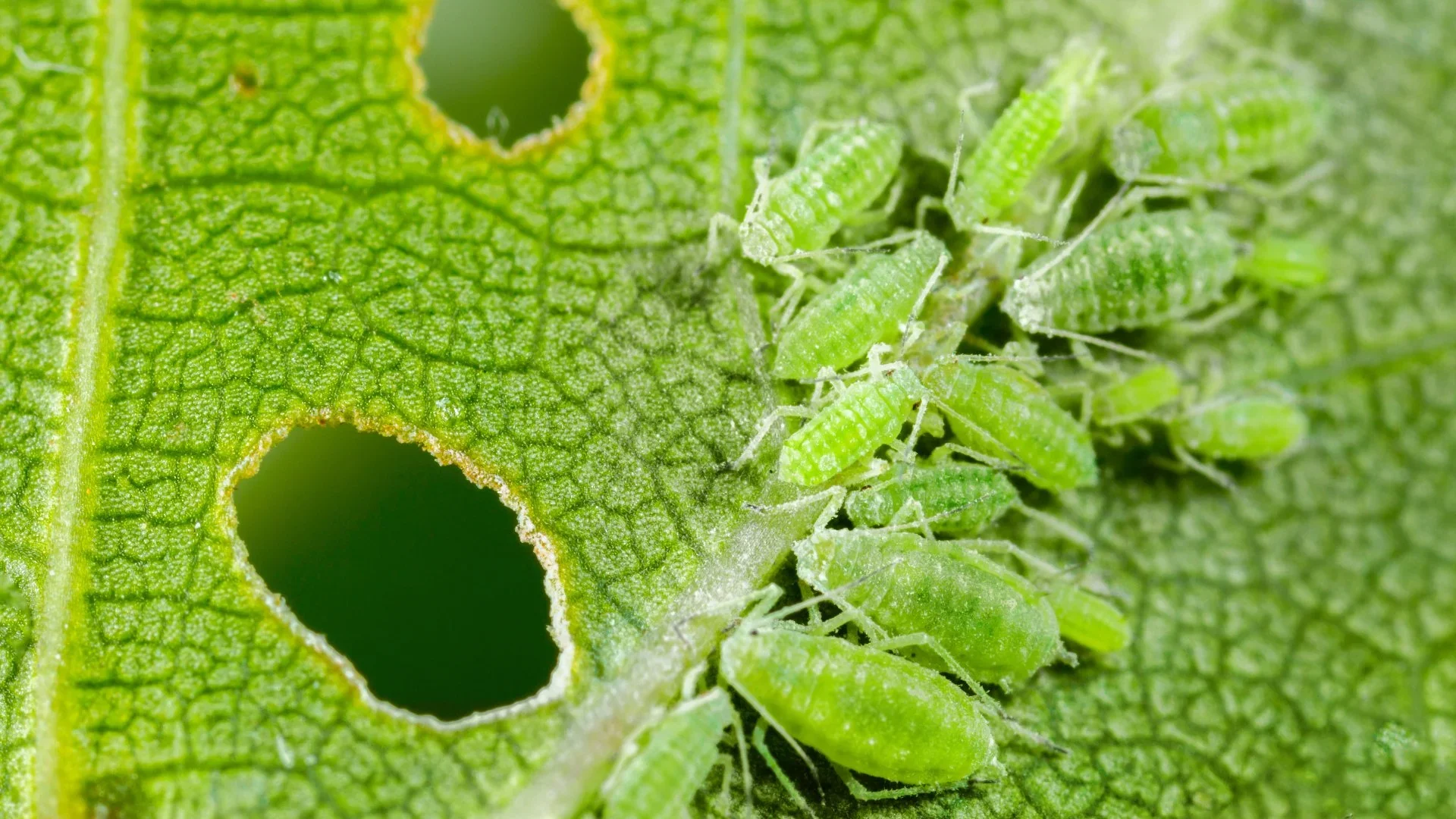
This topic can be oversimplified by focusing only on an insect treatment while drought, compaction, or injury continues. That approach may address the easiest detail to see while leaving the original concern unchanged. Before moving ahead, it helps to compare that assumption with species susceptibility, canopy thinning, and exit holes and the way the lawn is used from day to day.
## What You Can Do Now
Take a few close photos and one wider photo before changing mowing, watering, or treatment. The wider view helps show the pattern, while the close view preserves leaf and soil details. You do not need a formal report. A few clear notes or photos related to species susceptibility, canopy thinning, and exit holes can make the first conversation far more useful.
Timing may influence what can be seen during the property visit. Weather, occupancy, seasonal use, or recent work can temporarily hide or exaggerate a condition. If the concern comes and goes, a dated photo or a short note about when it appears can help. That is especially useful for borer pressure in landscape trees, because the most informative condition may not be active when the appointment begins. When reviewing borer pressure in landscape trees, keep any follow-up tied to a clear change involving root zone stress.
Ultimately, you are deciding which cultural corrections, monitoring, and targeted plant-health measures fit the tree. One option may address the immediate need, while another may coordinate work that would be harder to revisit later. The better choice depends on your priorities, timing, and how long you expect the current setup to remain in use. The explanation should make those tradeoffs clear without assuming the larger option is automatically the right one.
Before deciding, ask what was learned from species susceptibility, why canopy thinning matters, and whether the situation involving root zone stress changes the timing or follow-up. These are not technical questions. They are a simple way to make sure the recommendation addresses the issue you noticed and not just the easiest work to propose.
A proportional recommendation explains both what needs attention and what can stay unchanged. That balance matters with borer pressure in landscape trees, especially when a nearby feature looks related but does not affect the result. Knowing what is outside the work can be just as useful as knowing what is included.
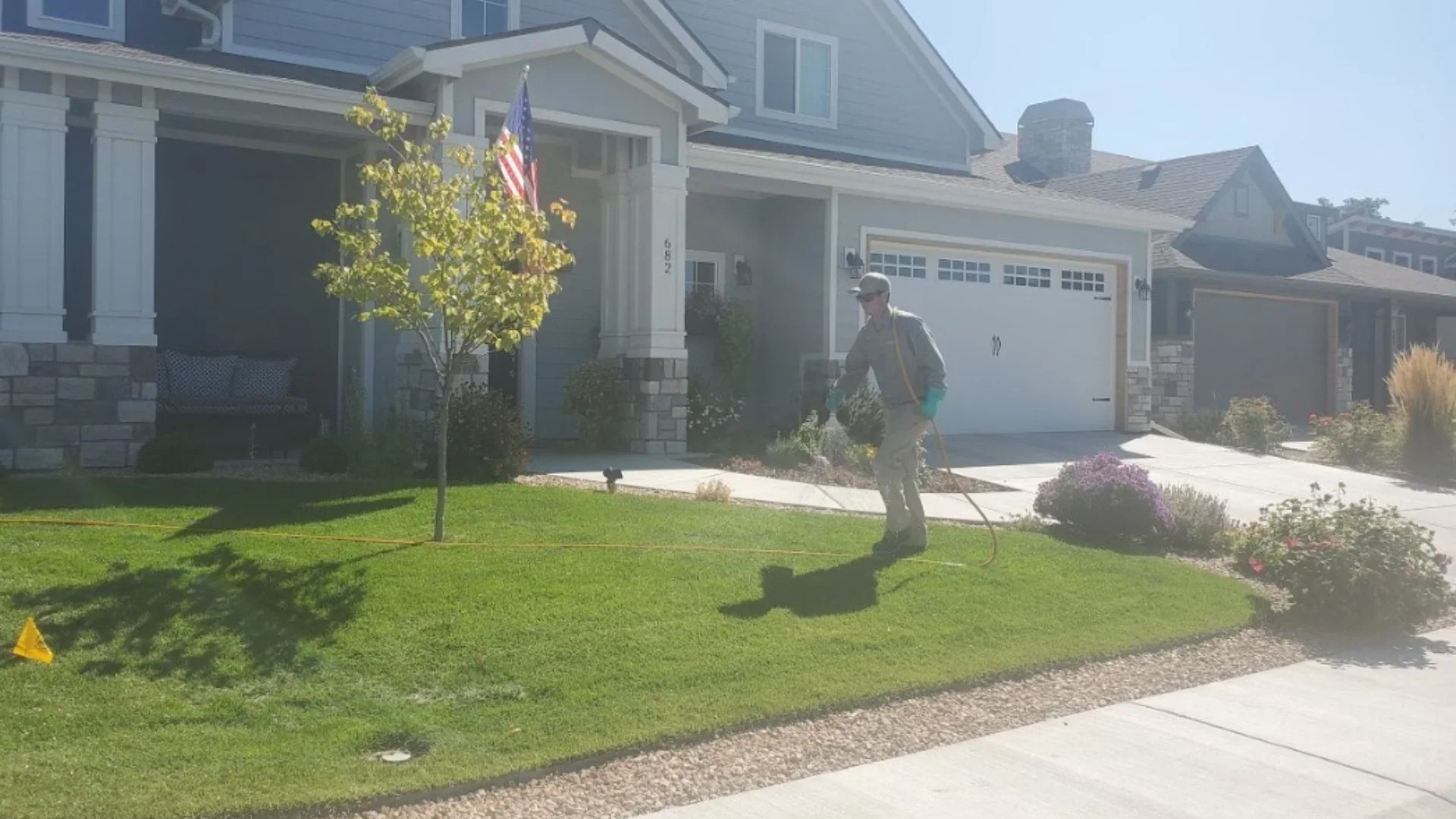
When you contact us about borer pressure in landscape trees, we start by listening to what you have noticed and what you want to improve. From there, we look at the related conditions and explain the next step in plain language. If something cannot be confirmed during the initial property visit, we will say so. You should come away knowing what we recommend, why it fits, and what happens next.
The goal is not to collect every possible concern around the lawn. It is to understand the few details that matter for borer pressure in landscape trees and make a comfortable decision from there. A good result should make sense in everyday use, not only sound convincing in a proposal or service explanation.