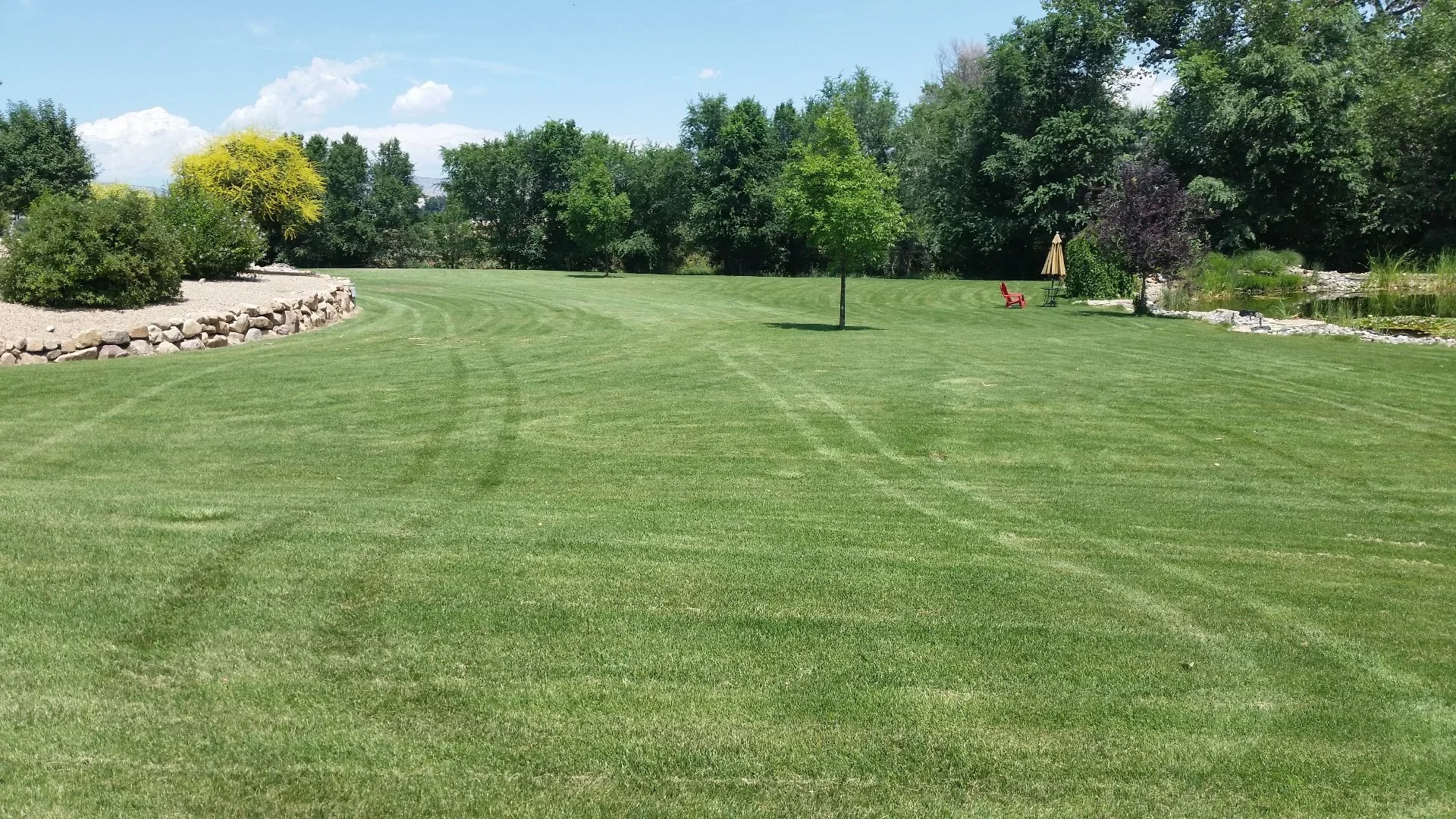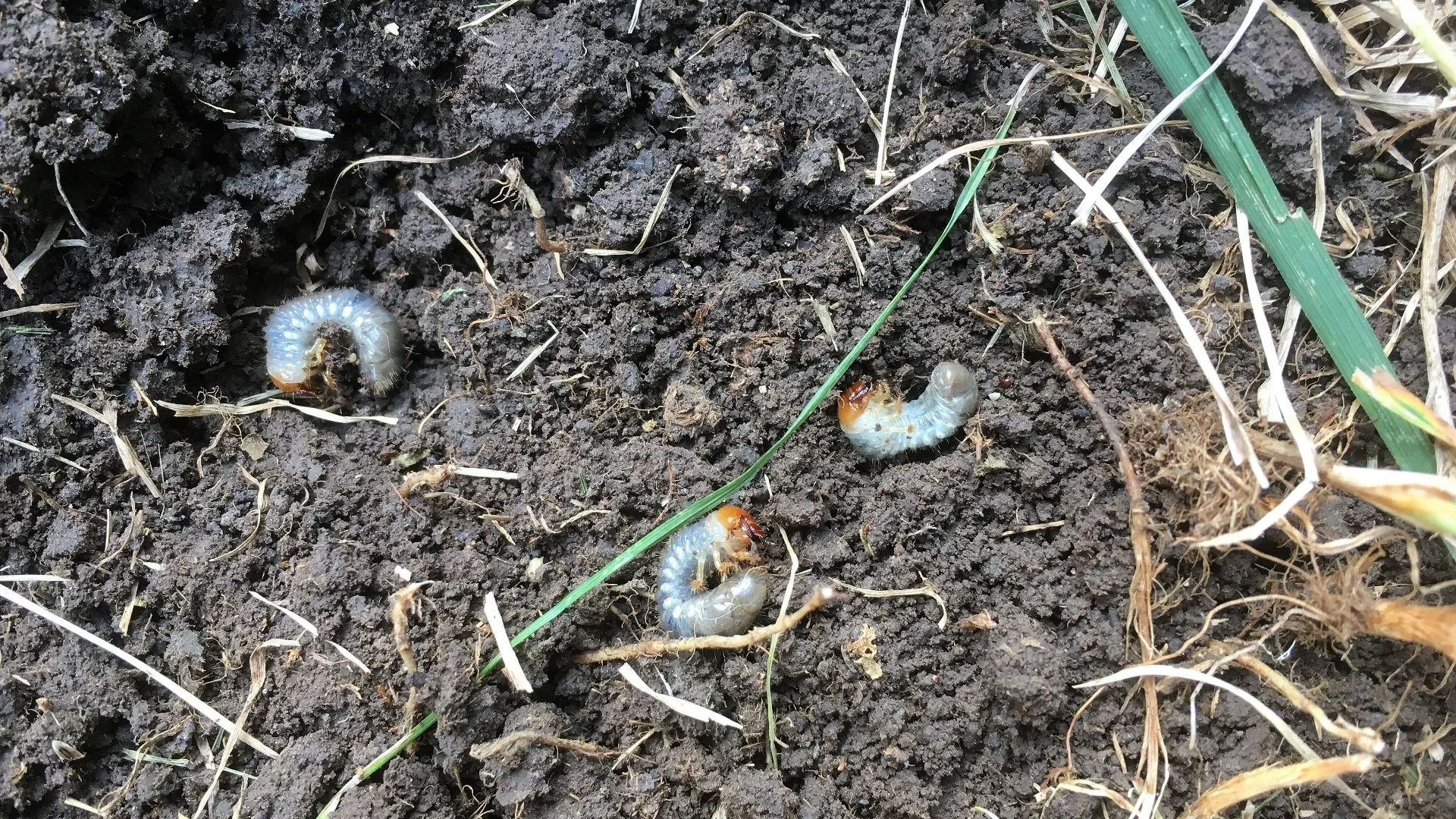
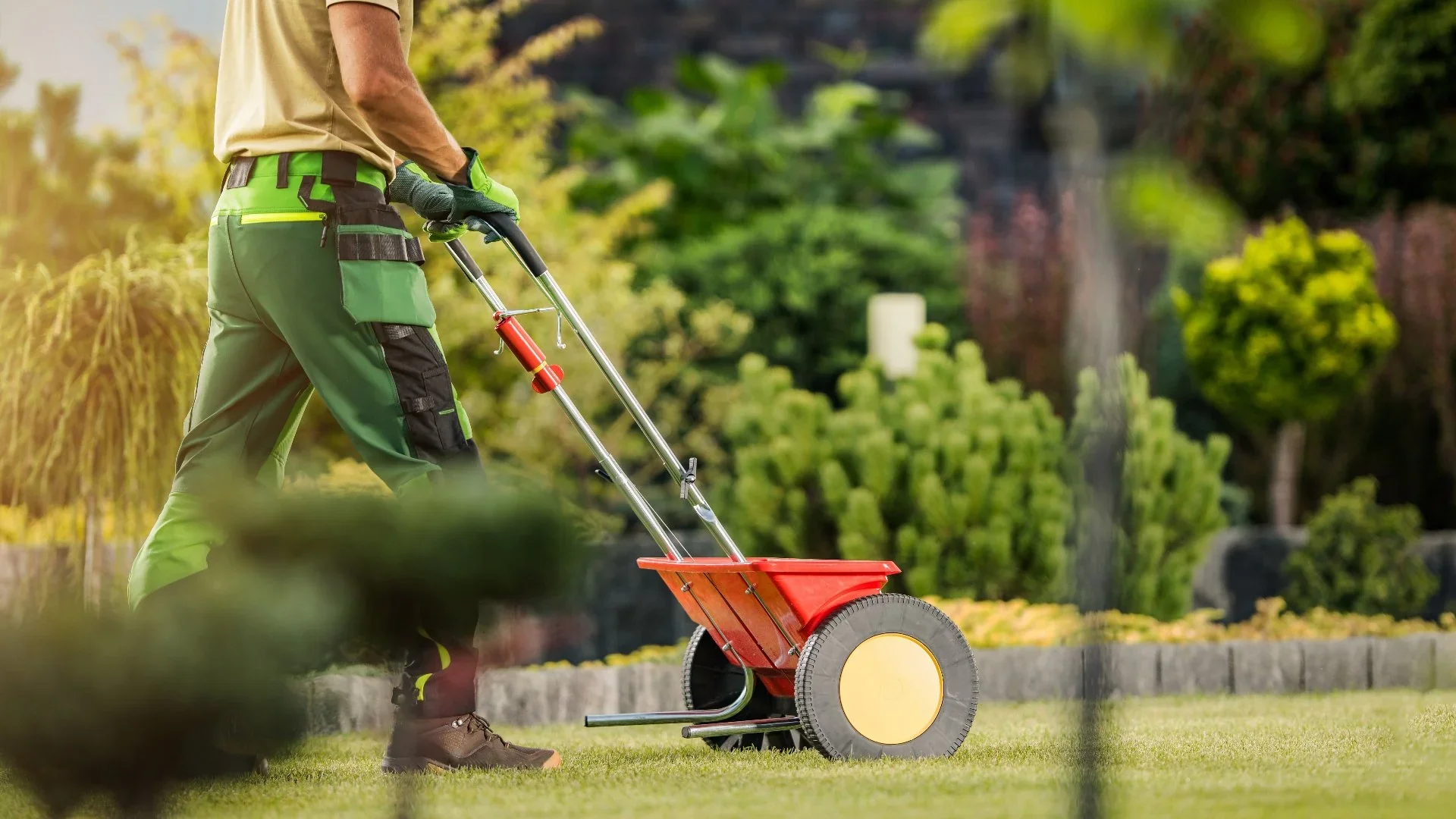
A good lawn fertilization schedule can make the difference between a yard that merely survives Grand Junction summers and one that stays thick, steady, and genuinely healthy. The catch is that western Colorado lawns do not respond well to the usual “feed heavy in spring and hope for the best” routine, so timing matters just as much as the product in the bag.
## What you’ll need before you start
Before you spread anything, get a few basics lined up so the job stays simple instead of turning into a Saturday of guesswork. You need fertilizer, a spreader, a rough square footage number for your lawn, access to watering, and a general sense of your grass and soil conditions.
That short prep step saves money right away. It also keeps you from doing what a lot of yards around central Grand Junction end up dealing with: too much fertilizer in the wrong season, then more water and mowing to manage the growth it caused.
### Know your grass type in grand junction
Most lawns in Grand Junction are planted with cool-season grasses such as Kentucky bluegrass, tall fescue, or perennial ryegrass. You can usually spot that type of turf by how strongly it grows in spring and fall, then how quickly it starts looking tired during hot, dry summer stretches.
That matters because cool-season grass does its best root work during cooler weather. In Grand Junction, hot dry summers and cold winters squeeze the active growing windows into spring and fall. So yes, your lawn fertilization schedule should follow those windows, not a generic national calendar.
### Gather the right tools and materials
Set out gloves, a broadcast or drop spreader, a hose or working irrigation system, and the fertilizer itself. If you have both sunny and shaded turf areas, make a note of that too, because the shady side often needs less push than the strip baking next to the driveway.
Here’s the thing: the bag analysis matters more than the brand name. The three numbers on the fertilizer bag show nitrogen, phosphorus, and potassium percentages. That tells you far more than the front label promises ever will.
### Measure your lawn before you buy fertilizer
Do not eyeball this part.
Measure the length and width of each section of lawn, then multiply to get square footage. For odd shapes, break the area into rectangles, estimate each section, and add them together. If your front yard is 30 feet by 40 feet, that area is 1,200 square feet. Keep going section by section until you get a total.
Checkpoint: once you have the square footage written down, you can match the label rate to your actual yard and avoid overbuying or overapplying.
## Step 1: test your soil before you feed
1. Get a soil test from a local extension resource or a reputable lab.
2. Take the sample before your first fertilizer application of the season.
3. Wait for the results before choosing a product.
This one step can save a full season of feeding the wrong thing. Grand Junction soils often lean alkaline, which means nutrients may be present in the soil but not easily available to grass. Guessing sounds faster, but it backfires fast here.
### How to collect a simple soil sample
1. Walk through several parts of your lawn, not just the greenest or weakest spot.
2. Pull small samples from 3 to 4 inches deep.
3. Avoid areas right next to sidewalks, pet spots, or recent fertilizer spills.
4. Mix the samples together in a clean bucket.
5. Let the mixed soil dry if the test instructions say to do that, then send in the amount required.
This usually takes less than half an hour. Think of it like checking the recipe before adding salt. A quick look now keeps you from ruining the whole batch later.
### What to look for in your soil test results
Look first at pH. That tells you how acidic or alkaline your soil is. Many Grand Junction lawns trend alkaline, and that can affect how well grass uses nutrients.
Then check the big three: nitrogen for leaf and blade growth, phosphorus for root support, and potassium for overall stress tolerance. If phosphorus already tests high, a complete fertilizer with all three nutrients may not make sense. If nitrogen is the clear gap, a nitrogen-focused product may fit better.
Checkpoint: if your test shows alkaline soil and nutrient imbalance, base your fertilizer choice on that result, not on a one-size-fits-all lawn food.
## Step 2: build your grand junction lawn fertilization schedule around the season
1. Plan a light feeding in early spring if your lawn needs it.
2. Stay cautious through late spring and summer.
3. Make early fall the main feeding window.
4. Consider a late fall application only if conditions support it.
That is the big picture, and it is the right one for most Grand Junction lawns. Fall does the heavy lifting.
### Why spring is lighter than most people expect
A heavy spring feeding can push lush top growth before the lawn is ready to handle heat. That means more mowing, more thirst, and often a weaker lawn by July.
A modest spring application usually works better. You want steady green-up, not a burst of growth that fizzles out by the time hot weather shows up.
### Why fall is your main feeding window
Cooler air and still-warm soil give grass a sweet spot for recovery. In fall, your lawn can thicken, repair summer wear, and store energy for winter without fighting the same level of heat stress.
That underground work is the part many people miss. A lawn that looks calm on a cool September morning may be doing some of its most useful root growth of the year.
### How summer changes the plan in western colorado
Summer in western Colorado is not the time to get aggressive. Dry air, irrigation inconsistencies, and long hot stretches put enough pressure on turf already.
If you dump a lot of fertilizer on stressed grass in July, you are asking it to sprint uphill in the heat. Maintenance is the goal in summer, not a makeover.
## Step 3: apply your first feeding in early spring
1. Wait for active growth.
2. Choose a product based on your soil test.
3. Apply at the label rate.
4. Water it in if the label calls for that.
This first application should feel controlled. If your lawn is waking up slowly, that is normal.
### Wait until the lawn is actively growing
1. Watch for steady green-up across most of the yard.
2. Confirm that mowing is actually needed.
3. Skip fertilizing frozen, dormant, or barely moving turf.
If the lawn still looks asleep, hold off. Feeding too early does not jump-start healthy growth the way people hope it will.
### Choose a balanced or slow-release product if your soil test supports it
1. Read the bag analysis.
2. Look for slow-release nitrogen if nitrogen is needed.
3. Use a balanced product only if your test supports adding phosphorus and potassium too.
Slow-release nitrogen feeds the lawn gradually instead of all at once. That gentler approach fits spring well because it supports even growth instead of a quick surge.
### Water it in the right way
1. Check the label for watering directions.
2. Apply enough water to move granules off the blades and into the soil.
3. Avoid soaking the yard excessively.
The goal is even activation, not puddles. If the product is meant to stay dry until irrigation, follow that. If the label says no immediate watering for a weed-and-feed type product, do not improvise.
Checkpoint: after watering, the granules should no longer be sitting visibly on the grass surface.
## Step 4: adjust your plan for late spring and early summer
1. Recheck lawn color and growth a few weeks after spring feeding.
2. Decide if the lawn actually needs more nutrition.
3. Shift attention to mowing height and irrigation as temperatures rise.
This is where a rigid calendar causes trouble. Conditions matter more than habit.
### Watch color and growth before adding more fertilizer
1. Look for uniform pale color, not just one weak patch.
2. Notice growth rate after mowing.
3. Rule out watering issues before feeding again.
Mild fading does not always mean hunger. If one area near Fruita or Redlands dries out faster because of sun or sprinkler coverage, fertilizer will not fix that.
### Avoid pushing fast growth before summer heat
1. Skip extra nitrogen if the lawn is already growing fast.
2. Raise mowing height as heat approaches.
3. Keep the turf out of stress before hot weather hits.
Too much nitrogen right before summer creates a lawn that looks great for a minute, then becomes harder to keep healthy. More blades mean more water demand, and that is the wrong direction heading into heat.
## Step 5: handle summer carefully without stressing the lawn
1. Treat summer as a maintenance season.
2. Pause heavy feeding during peak heat.
3. Correct small issues without overreacting.
A lot of lawn schedules go sideways here.
### Skip heavy fertilizer during peak heat
1. Pause full-rate applications during the hottest stretches.
2. Avoid fertilizing drought-stressed grass.
3. Wait for milder conditions if the lawn is struggling.
Grand Junction’s July heat is enough on its own. Adding a strong fertilizer application during hot, dry conditions raises the risk of burn and extra stress.
### Use spot corrections instead of full-yard feeding if needed
1. Identify pale or weak sections.
2. Check sprinkler coverage in those spots.
3. Treat only the problem area if nutrition is truly the issue.
If half the lawn looks fine, do not feed the entire yard like everything is failing. Small corrections are cheaper, safer, and usually smarter.
### Keep irrigation consistent after any summer application
1. Make sure sprinklers are covering evenly.
2. Watch for runoff on slopes or compacted areas.
3. Check that dry patches are not being missed.
Uneven watering can undo a careful fertilizer plan fast. If one zone gets half the water of another, color differences may show up no matter how carefully you fertilize.
## Step 6: make fall your most important fertilizer window
1. Plan your main feeding for early fall.
2. Apply when temperatures cool and growth resumes.
3. Choose a product that supports steady recovery.
If you only get one fertilizer timing right all year, make it this one.
### Time your fall feeding for cooler days and active growth
1. Wait until summer stress starts easing.
2. Look for cooler mornings and more consistent growth.
3. Feed while the lawn is still actively growing.
Early fall often feels obvious once it arrives, those cooler mornings after a long hot August stretch. That is usually your cue that the lawn can finally use nutrients well again.
### Choose a fertilizer that supports roots, not just quick color
1. Favor products with steady nitrogen release.
2. Match the formula to your soil test.
3. Avoid chasing instant dark green at the expense of lasting health.
Quick color can be tempting, but short-lived green-up is not the same thing as durable turf. Fall feeding should help the lawn recover, thicken, and head into winter stronger.
### Pair fall fertilization with aeration or overseeding if needed
1. Aerate compacted areas first if the soil is tight.
2. Overseed thin sections if coverage has opened up.
3. Fertilize after those services when appropriate.
Fertilizing after aeration or seeding can help turf fill in more evenly. If your lawn feels hard underfoot or water puddles instead of soaking in, compaction may be part of the problem.
Checkpoint: within a few weeks of a well-timed fall feeding, your lawn should look more even in color and a bit more vigorous without exploding with top growth.
## Step 7: decide whether your yard needs a late fall or winterizer application
1. Check whether the grass is still green and lightly active.
2. Confirm the ground is not frozen.
3. Apply only if timing still makes sense.
This is optional, not automatic.
### Know the signs that a late-season feeding makes sense
1. Look for green turf even as growth slows.
2. Apply after top growth drops off, but before dormancy.
3. Skip it if the lawn has already shut down.
A late-season feeding can help some lawns store energy well, but only if the grass is still able to take it up. Too early acts like another fall feeding. Too late is just waste.
### Apply lightly and only under the right conditions
1. Use a controlled rate, never a heavy push.
2. Spread only on unfrozen ground.
3. Stop if the lawn is fully dormant.
Frozen ground and brown dormant turf are stop signs. At that point, the season is over.
## Step 8: spread fertilizer evenly and safely
1. Read the label rate before filling the spreader.
2. Calibrate your spreader.
3. Walk a consistent pattern.
4. Clean hard surfaces afterward.
Even the best lawn fertilization schedule falls apart if the application is streaky.
### Calibrate your spreader before you start
1. Set the spreader according to the label.
2. Test a small area first.
3. Adjust if too much or too little product drops.
This is just a quick tune-up. A five-minute test beats months of looking at stripes.
### Use a simple walking pattern to avoid stripes
1. Start along the perimeter.
2. Make straight passes across the lawn.
3. Slightly overlap each pass.
4. Keep a steady walking pace.
That overlap matters. Too little leaves pale lanes. Too much doubles the rate and can burn the grass. The goal is boring consistency, which is exactly what good lawn color comes from.
### Sweep hard surfaces after application
1. Sweep fertilizer off sidewalks, patios, and driveways.
2. Put the product back into the lawn or dispose of it properly.
3. Keep granules out of drains and planting beds.
This is a fast cleanup step with a real payoff. Fertilizer works best in the turf, not in the gutter.
## Step 9: track results and tweak the schedule for your yard
1. Write down each application date.
2. Note the product and rate used.
3. Watch how the lawn responds over the next few weeks.
Your yard in central Grand Junction may not act exactly like a yard near Fruita or Redlands. Sun, soil, slope, and irrigation all change the response.
### Keep a simple record of dates, products, and results
1. Save the fertilizer analysis.
2. Record the date and approximate weather.
3. Jot down color, growth, and any problem spots.
A note in your phone is enough. You do not need a spreadsheet unless that is your thing.
### Watch for patterns in color, growth, and stress
1. Notice how quickly color improves.
2. Watch whether growth stays even or gets excessive.
3. Compare weak areas to sprinkler coverage and soil conditions.
Over time, patterns get obvious. A pale strip that always shows up in the same place is often a coverage issue, not a nutrition issue.
## Common mistakes that throw off a lawn fertilization schedule
Plenty of lawn problems look like fertilizer problems when they really are not. A few mistakes show up again and again in dry western Colorado conditions.
### Fertilizing on the wrong calendar instead of watching conditions
A generic schedule from another climate can miss the mark badly in Grand Junction. Your lawn does not care what the calendar says if the soil is still cold, the grass is dormant, or summer heat is already settling in.
### Applying too much product
More is not better here. A little extra often turns into fertilizer burn, waste, and a lawn that needs more water than you wanted to give it. Stick to the label rate and your measured square footage.
### Feeding when the real problem is water or soil compaction
Yellowing, thinning, and weak growth can come from poor irrigation or packed soil just as easily as low fertility. If water is not reaching a zone or roots cannot move through compacted ground, fertilizer will not solve the cause.
## Troubleshooting common lawn fertilization problems
When something looks off after feeding, resist the urge to dump on more product. The fix is usually smaller than that.
### The lawn turned green fast, then faded
That usually points to a quick-release product giving a short burst, then dropping off. Next time, shift toward slow-release nitrogen so the lawn gets fed over time instead of riding a spike and crash.
### You see stripes or uneven color
Uneven spreader overlap, inconsistent walking speed, or missed sections are the usual causes. Correct it gradually with the next properly calibrated application, not by pouring extra fertilizer onto the pale stripes.
### Grass tips look brown after application
That can be mild fertilizer burn or salt stress, especially if the product sat on dry grass too long. Water the lawn appropriately if the label supports that, and avoid repeating the same rate or timing mistake.
### Nothing changed after fertilizing
If the lawn did not respond at all, the problem may be pH, irrigation, compacted soil, or the wrong nutrient choice. That is a good time to retest soil or shift attention to watering and aeration.
## What results to expect and what to do next
A solid lawn fertilization schedule should give you steadier color, better fall recovery, and a lawn that handles stress with less drama. Not overnight magic, just better performance season after season, which is honestly the result that matters.
Start with one useful move: test your soil, then plan your first well-timed fall feeding around actual growth and cooler weather. That one change fixes more Grand Junction lawns than another random bag of fertilizer ever will.
* Disclaimer: This article is for general informational purposes only. It is not professional advice, a quote, or a service agreement. Conditions at your home or property may differ; contact a qualified professional for an on-site evaluation before making repair, safety, or spending decisions.
* Disclaimer: This article is for general informational purposes only. It is not professional advice, a quote, or a service agreement. Conditions at your home or property may differ; contact a qualified professional for an on-site evaluation before making repair, safety, or spending decisions.