Searching for lawn maintenance cost usually means you want one simple answer: what will it take to keep your yard looking decent without lighting money on fire? In Grand Junction, that answer is rarely one flat number, because a tidy little lawn near downtown and a larger, irrigation-heavy property out toward Redlands or Fruita can live in completely different pricing worlds.
## What lawn care usually costs in grand junction
For most properties in Grand Junction, routine lawn care lands somewhere between modest monthly upkeep and a much bigger seasonal investment once irrigation, weed control, cleanup, and repairs get folded in. A basic mowing visit for a smaller yard may start around typical per-visit pricing for that frequency and bin count while larger or trickier properties can run typical per-visit pricing for that frequency and bin count or more per visit. Add fertilization, weed treatment, aeration, seasonal cleanup, sprinkler work, and plant care, and your annual total can move fast.
That sounds broad because it is. Final pricing usually comes down to yard size, how often service happens, how healthy the lawn already is, how much irrigation support the property needs, and how annoying the layout is to maintain. A flat rectangular lawn with easy gate access is one thing. A fenced backyard with narrow side yards, trees, rock borders, beds, and uneven sprinkler coverage is another.
### Typical price ranges for common services
A quick snapshot helps. In Grand Junction, mowing and routine maintenance often falls around a typical preventive maintenance fee for that system type for smaller residential lots and a typical preventive maintenance fee for that system type or more for larger or more labor-heavy properties. Fertilization and weed control programs often run roughly a relatively modest cost for that type of work per treatment, depending on lawn size and what is being applied. Aeration commonly falls in the a relatively modest cost for that type of work range, while overseeding may add another a relatively modest cost for that type of work or more based on square footage and seed type.
Sprinkler inspections or seasonal tune-ups often start around a typical preventive maintenance fee for that system type while repairs can move higher depending on valves, leaks, broken heads, or controller issues. Pest control for lawn insects or ornamental plant problems may start around typical per-visit pricing for that frequency and bin count per visit, though recurring treatment plans can cost more over time. Seasonal cleanup, including debris removal, bed cleanup, and cutting back plants, often ranges from about a range that depends heavily on tree size, access, and cleanup scope-plus depending on how much has piled up and whether hauling is included.
Those are ballpark numbers, not promises. But they are useful because they give you a way to spot the difference between a fair estimate and a vague one.
### Why prices in grand junction can look different from other cities
Grand Junction is not priced like a wetter, greener city where the lawn mostly takes care of itself. The dry climate changes everything. Grass here often needs more deliberate watering, more attention to heat stress, and better timing on treatments than lawns in places with reliable summer rain.
Soil matters too. Some properties deal with heavy clay that compacts easily. Others have rocky ground that makes irrigation repairs, aeration, and even basic upkeep slower. Add hot afternoons, reflected heat, and mixed landscapes that blend cool-season turf with low-water plants, and lawn care becomes less about simple mowing and more about keeping the whole system balanced.
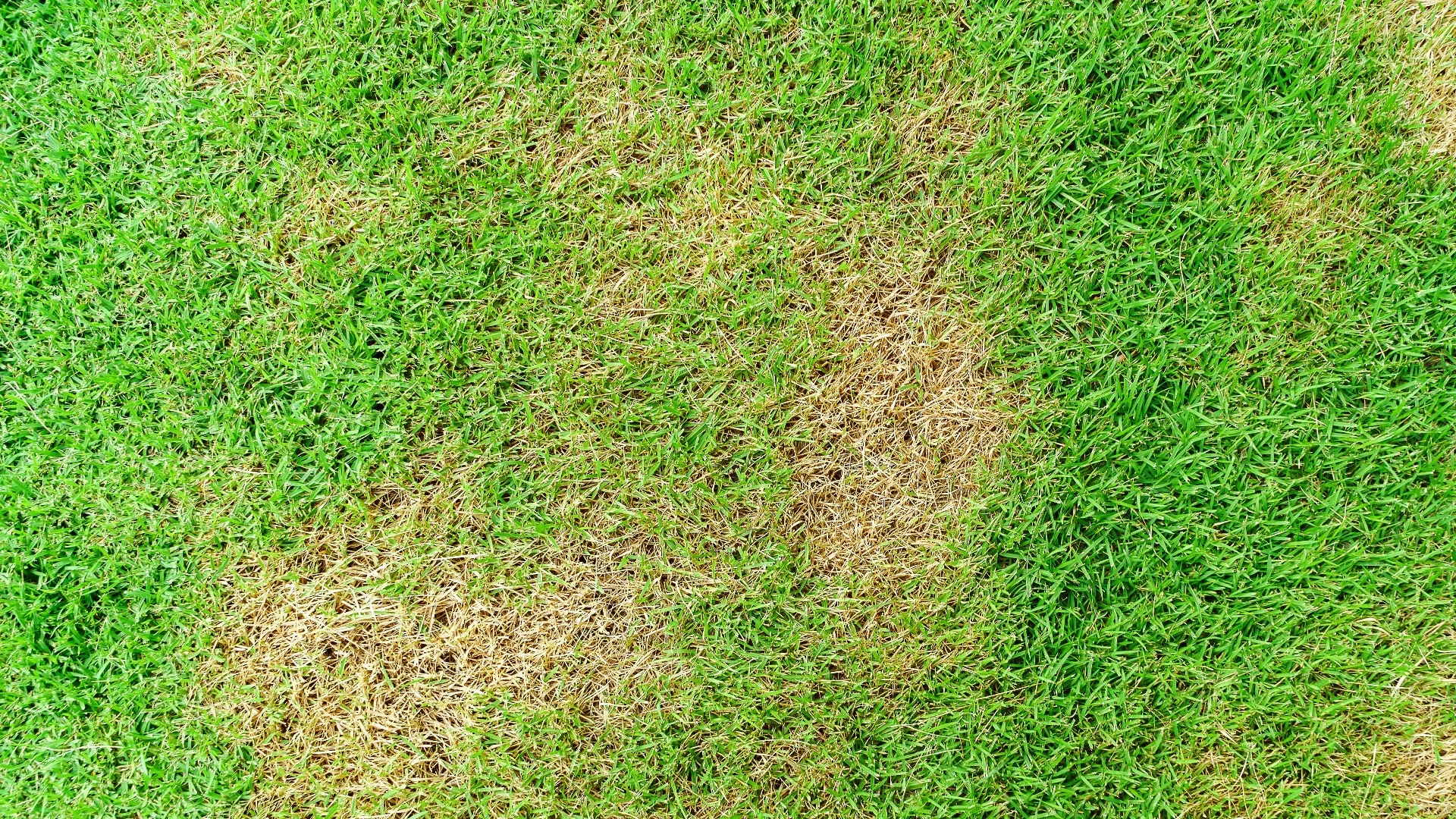
You see it every summer. A lawn can look fine in June, then hit a brutal July stretch near Redlands, miss water coverage in one zone, and suddenly turn patchy and thin. That is one reason Grand Junction pricing often includes more irrigation attention and recovery work than people expect.
## What affects your lawn maintenance cost most
If one quote is much higher than another, the answer usually is not random. Lawn care pricing follows a few very predictable drivers, and once you know them, estimates make a lot more sense.
### Yard size and layout
Bigger yards cost more, but square footage is only the start. Layout changes labor just as much as size. A wide-open lawn can be mowed quickly with the right equipment. A yard with lots of trees, fences, garden beds, steep edges, and narrow access points slows every step down.
Backyard access matters more than most people realize. If equipment fits through a gate easily, routine service stays simpler. If every tool has to be walked through a side yard one pass at a time, labor goes up. Slopes, corners, retaining walls, and decorative borders also add trimming and edging time, which means your lawn maintenance cost rises even if the property is not huge on paper.
### Lawn condition and current problems
A lawn that has been maintained consistently is cheaper to keep up than one that needs rescuing. That is the plain truth.
If your grass is overgrown, thin, weed-heavy, or suffering from compacted soil, the first few visits often cost more. The same goes for bare patches, drainage issues, insect damage, and neglected beds spilling into turf. A property that needs recovery work is a little like a kitchen after a long holiday weekend. Keeping it clean is easy. Catching up after neglect is not.
This is where startup charges or one-time reset pricing often shows up. You are not just paying for maintenance. You are paying to get the property back to a manageable baseline.
### Service frequency
Weekly service usually costs more per month than biweekly service, but less per visit in terms of labor strain and yard recovery. Monthly or one-time mowing can look cheaper on the surface, but it often leads to heavier growth, extra trimming, more visible clumps, and more stress on the lawn.
Regular service generally costs less over time because problems stay small. Grass stays at a healthier height. Weeds get noticed sooner. Sprinkler issues show up before the lawn browns out. Cleanup stays lighter. The catch is that infrequent service can create repeated reset conditions, which means you keep paying extra for the same avoidable mess.
### Irrigation and water management
In Grand Junction, irrigation means the sprinkler or watering system that keeps your lawn alive. And honestly, it has an outsized effect on total cost.
Uneven sprinkler coverage can leave one section soggy and another bone dry. Leaks drive up water bills and damage turf. Broken heads get hit by mowers. Timers drift off schedule. Seasonal adjustments become necessary as temperatures change. All of that adds labor, materials, and follow-up visits.
In a dry climate, good irrigation is not an optional extra. It is the thing that protects every other dollar you spend on mowing, fertilization, and plant health. If your water coverage is bad, even the best lawn program turns into wasted effort.
## Average costs by lawn service type
Looking at service-by-service pricing helps more than staring at bundled package totals. It shows what you actually need and where the money goes.
### Lawn mowing and routine maintenance
Routine maintenance usually includes mowing, trimming around edges and obstacles, edging hard surfaces where needed, and blowing grass clippings off driveways, patios, and walks. For many homes, this is the baseline service that keeps the property presentable week to week.
Expect basic visit pricing to rise with larger lots, heavy growth, difficult access, or extra detail work. Bagging clippings instead of mulching them can cost more because it adds handling and disposal time. The same goes for line-by-line edging along long sidewalks, curbs, or decorative borders. If a quote looks very low, check what is actually included. Sometimes “mowing” means exactly that, and not much else.
### Fertilization and weed control
Fertilization feeds the lawn. Weed control treats unwanted growth competing with it. Those sound similar in a quote, but they solve different problems.
A fertilization visit usually includes applying nutrients to support color, density, and growth. Weed control may include pre-emergent treatment to help stop weeds before they sprout, post-emergent treatment for weeds already showing, or both. Pricing changes based on lawn size, product type, treatment frequency, and how aggressive the weed pressure is.
In Grand Junction, dry conditions and inconsistent irrigation can make weed issues look worse because stressed turf leaves open space for unwanted growth. If your lawn is thin, paying only for mowing rarely fixes the real issue. Feeding and weed treatment are often the services that change how the yard actually looks.
### Aeration and overseeding
Aeration means pulling small plugs from the soil so air, water, and nutrients can get in. It looks a little messy for a short time, but it helps relieve compacted soil and supports stronger root growth.
That matters in Grand Junction because compacted clay and foot traffic can make it hard for water to penetrate evenly. Aeration is often priced by square footage and accessibility, with larger or obstacle-heavy lawns costing more. Overseeding, which means spreading new grass seed into an existing lawn, is often paired with aeration in fall or during recovery work. The combined price depends on seed type, lawn condition, and how much thinning or patchiness needs repair.
If your lawn feels tired, hard, or sparse, aeration and overseeding often deliver more visible improvement than another few mowing visits.
### Pest control and plant health care
Not every property needs this level of service, but plenty do. Pest control and plant health care can include treatment for lawn insects, ornamental plant pests, tree and shrub feeding, disease management, and preventative seasonal programs.
Pricing varies because these issues vary. A lawn grub problem, a fungal issue in turf, and aphids hammering ornamental shrubs all require different treatments, timing, and follow-up. Some properties need grass service plus shrub and tree support because the landscape is doing more than one job. It is common in Grand Junction yards to have turf out front, decorative beds along walkways, and drought-tolerant shrubs around the edges. If only the lawn gets attention, the property can still look rough overall.
### Seasonal cleanup and leaf removal
Seasonal cleanup often includes removing leaves and debris, cutting back dead growth, cleaning planting beds, hauling material away, and prepping the property for weather changes. Some maintenance plans include light cleanup during routine visits, but heavier spring and fall work is usually billed separately.
That is where bills can jump if debris has built up for months. Cleanup pricing usually depends on volume, labor time, and hauling. If bushes need cutting back, storm debris needs removal, or neglected beds need resetting, expect more than a simple leaf-blowing charge. In practical terms, cleanup is often the bridge between “the lawn is okay” and “the whole yard looks cared for.”
## Lawn care packages vs one-time services
Not every yard needs a full recurring plan. But not every yard does well with random one-off visits either.
### When a package saves money
Packages usually save money when your yard needs regular mowing, scheduled treatments, and predictable care through the growing season. The per-visit cost often drops because the property stays manageable, and recurring service gives you a steadier monthly budget.
There is another benefit that is easy to miss: small problems get caught early. A weak sprinkler zone, a flare-up of weeds, or a stressed patch near a sidewalk gets noticed before it turns into a bigger repair bill. If your goal is consistent curb appeal with less hassle, a package usually makes more financial sense than rebuilding the yard a few times a year.
### When one-time service makes more sense
One-time service works better when the property has a specific short-term need. That might be a rental between tenants, a house getting ready to sell, a yard that needs one big cleanup, or a property where you handle mowing yourself but want help with aeration, weed treatment, or sprinkler tuning.
This approach also makes sense if your yard is low-maintenance by design and only needs occasional backup. The trick is to be honest about the condition of the lawn. If your property needs regular attention to stay healthy, one-off service can become fake savings pretty quickly.
## Cost differences for residential and commercial properties
Homes and businesses often buy from the same service menu, but pricing shifts because the goals are different.
### Residential lawn maintenance pricing
Residential pricing usually centers on curb appeal, day-to-day usability, pets, kids, and seasonal upkeep. A single-family home may need clean edges, manageable grass height, weed control, and a yard that still feels good to walk across barefoot.
Costs rise when the property has lots of detail work, fenced sections, play areas, pets that create wear spots, or HOA appearance standards. Smaller lots can still cost more than expected if access is tight or the layout is awkward. On the other hand, a simple, open residential lawn is often one of the most affordable kinds of routine service.
### Commercial landscape maintenance pricing
Commercial properties usually care less about a perfect backyard-lawn look and more about consistency, visibility, safety, and scheduling. Office buildings, retail spaces, multifamily sites, and HOA common areas often need service that fits around traffic, tenants, or business hours.
Pricing changes because commercial sites often have more irrigation zones, larger turf areas, higher liability concerns, and stronger expectations around reliability. A missed service at a business entrance stands out fast. Commercial quotes also may include bed maintenance, trash pickup from landscape areas, seasonal color rotation, or stricter documentation. So while price per visit can be lower on a per-square-foot basis for large open sites, total monthly cost is often much higher.
## What landscaping, plant health, and pest control add to the total
If you build a budget based only on mowing, the final number will almost always come in low. Grass is just one part of the property.
### Landscaping upgrades and refreshes
Landscaping work often sits outside standard lawn maintenance pricing. That includes mulch or rock refreshes, plant replacement, bed cleanup, pruning, border resets, and small visual updates that make the yard look finished instead of merely cut.
These jobs can be modest or surprisingly expensive, depending on materials and labor. Swapping dead plants, freshening rock beds, or redefining overgrown edges can improve curb appeal quickly, but those services are usually estimated separately from routine mowing or lawn treatment plans.
### Tree and shrub care
Trees and shrubs need a different kind of attention than turf. Care may include pruning, fertilization, deep-root watering, insect treatment, and disease prevention. If ornamental plants are part of your landscape, this work matters more than people think because distressed shrubs can drag down the entire look of the property even when the lawn is green.
Grand Junction’s dry conditions make deep watering and seasonal monitoring especially useful for established trees and shrubs. If non-turf plants are valuable to the look of your yard, include this category in your budget from the start instead of treating it like an afterthought.
### Outdoor pest control
Outdoor pest control can include perimeter treatments around buildings, treatment for nuisance insects in landscaped areas, mosquito control where water or shade makes that worthwhile, and targeted treatments for specific pest issues.
Sometimes this is bundled with broader property care. Often it is priced separately. That separation matters because a lawn estimate may say nothing about ants along hardscapes, insects around patios, or pest issues affecting ornamentals. If outdoor use of the space matters, especially around seating areas or entrances, pest control may be one of the better add-ons to consider.
## Budgeting for lawn care through the year
Lawn spending in Grand Junction is not flat across the calendar. Some seasons are maintenance-heavy. Others are repair-heavy.
### Spring startup costs
Spring is when costs often jump first. Cleanup from winter, first mowing visits, irrigation turn-on, early fertilization, weed prevention, and repairs all tend to hit around the same time. If sprinkler heads cracked, a valve failed, or the lawn came out of winter patchy, spring is when you find out.
This season is also where deferred care becomes visible. Bare spots, matted debris, edging that disappeared, and compacted soil all ask for attention at once. A spring bill can feel larger than expected, but it often sets the tone for the rest of the season.
### Summer maintenance costs
Summer is where regular service earns its keep. Mowing frequency matters more, irrigation settings need closer attention, and heat stress can turn a decent lawn into a rough one fast.
During the hottest stretch, your spending may rise through more frequent visits, sprinkler adjustments, extra monitoring, or plant and pest treatments. This is especially true if parts of the yard get full afternoon sun or reflected heat off driveways and walls. Summer does not always bring the biggest single invoice, but it often brings the highest ongoing cost.
### Fall recovery and prep
Fall is one of the smartest times to spend money on recovery. Aeration, overseeding, final fertilization, leaf cleanup, and irrigation blowout or winterization all fit here.
If summer was hard on the lawn, fall work helps repair damage and improve next season’s performance. It is also when many properties get cleaned up enough to avoid a mess carrying into spring. In other words, fall spending often feels optional until you skip it and pay more later.
## How to compare lawn care quotes without getting burned
A quote is only useful if you can tell what is actually in it. Vague estimates are where a lot of lawn care frustration starts.
### What should be included in a quote
A good quote should spell out the service scope, visit frequency, materials or treatments included, cleanup expectations, disposal or hauling details, and any contract terms. If mowing is included, the estimate should make clear whether trimming, edging, and blowing off hard surfaces are part of the visit or extra. If fertilization or weed control is included, the number of visits and treatment type should be named.
Sprinkler checks, minor adjustments, and spot weed treatment should also be clarified. So should startup charges for overgrown yards or heavily neglected areas. If those details are missing, a low price can turn into a string of add-ons the second work begins.
### Questions worth asking before you hire
Before hiring, get clear on licensing and insurance, who actually performs the work, how billing is handled, and what happens if equipment damages a sprinkler head, drip line, or fence. Ask whether the estimate can change after the first visit and under what conditions. That last part matters more than people expect.
You also want to know how scheduling works and how service interruptions are handled. A cheap quote is less appealing when visits slide around, communication disappears, and your lawn gets treated like filler between bigger jobs.
## Common ways people overpay for lawn maintenance
Overpaying does not always mean paying premium rates. Sometimes it means spending on the wrong things.
### Paying for the wrong service mix
Some yards need irrigation repair more than extra mowing. Some need weed control and fertilization because the grass is thin. Some barely need turf care at all and would benefit more from plant health support, pruning, or landscape simplification.
If your lawn is struggling because the sprinkler coverage is uneven, paying for more frequent mowing does not solve the real problem. The same goes for patchy grass caused by compaction or poor feeding. Good lawn spending starts with the issue that is actually driving the decline.
### Ignoring small issues until they turn expensive
Deferred lawn care almost always costs more later. That is not a sales pitch. It is just how outdoor systems work.
A missed sprinkler leak can create brown patches and higher water bills. Bare spots invite weeds. Compacted soil reduces water penetration. Early insect activity can spread. Small issues stack up until you are no longer maintaining the lawn, you are rebuilding it. Fixing problems early is almost always cheaper than trying to reverse months of decline.
### Choosing only by the lowest price
The lowest quote can work out fine, but it often comes with a catch. Maybe edging gets skipped. Maybe visits are inconsistent. Maybe communication is weak. Maybe treatments are so bare-bones that the lawn never actually improves.
Cheap mowing without follow-through can leave you paying twice, once for the low-price service and again for the cleanup or repair that follows. Price matters, of course. But value comes from a service mix that matches the property and gets the job done right.
## Best lawn care options by use case
A good plan looks different depending on what you want from the property.
### If you want the lowest-maintenance yard possible
Aim for simplicity. Reducing turf area, choosing more drought-tolerant landscaping, limiting intricate bed lines, and focusing spending on irrigation efficiency can lower long-term upkeep in a big way.
That may mean a smaller lawn, fewer thirsty plantings, and a straightforward mowing schedule instead of trying to maintain a golf-course look in a desert climate. For many Grand Junction properties, this is the smartest way to keep costs predictable.
### If your lawn already looks stressed or patchy
Start with the systems that affect lawn survival, not appearance alone. An irrigation inspection usually belongs near the top of the list. After that, weed control, aeration, fertilization, and repair work often matter more than another routine mow.
The trick is to stabilize the lawn before expecting cosmetic improvement. If water is uneven and the soil is tight, grass struggles no matter how neatly it gets cut.
### If you manage a business or commercial property
Prioritize consistency, predictable scheduling, and safety. Commercial grounds need to look cared for without constant follow-up, and missed service stands out fast near entrances, signage, and high-traffic zones.
A plan that includes routine mowing, edging, irrigation checks, bed maintenance, and seasonal cleanup usually makes more sense than piecing together one-off visits. Reliability is part of the product here, not a bonus.
### If you only need occasional help
Put your money into the jobs that are hardest to do yourself or easiest to fall behind on. Seasonal cleanup, aeration, sprinkler tune-ups, weed treatment, and catch-up mowing after travel often give the best return for occasional service.
That approach works especially well if your property is already fairly simple and you just need help staying ahead of the tasks that get messy fast.
## How to decide what lawn care is worth paying for
Here’s the thing: the right lawn maintenance cost is not the lowest number. It is the amount that solves your actual problem without paying for a bunch of extras that do not move the needle. If your yard is healthy but your schedule is packed, routine mowing and cleanup may be worth every dollar. If the lawn is stressed, money is usually better spent first on irrigation and recovery work than on cosmetic add-ons.
A good rule is to start with one high-impact combination: routine maintenance plus an irrigation check. That gives you a clear picture of the lawn’s baseline needs, catches the problem that most often wastes money in Grand Junction, and makes every later decision easier. Try that first, then add services only when you can see exactly what they are fixing.
* Disclaimer: This article is for general informational purposes only. It is not professional advice, a quote, or a service agreement. Conditions at your home or property may differ; contact a qualified professional for an on-site evaluation before making repair, safety, or spending decisions.
* Disclaimer: This article is for general informational purposes only. It is not professional advice, a quote, or a service agreement. Conditions at your home or property may differ; contact a qualified professional for an on-site evaluation before making repair, safety, or spending decisions.