A lawn turning brown usually means your grass is reacting to something, not that your yard is ruined. Brown grass is a symptom, and once you know what kind of stress is causing it, you can stop guessing and start fixing the right thing.
## What it means when your lawn turns brown
When grass loses its green color, the cause is usually one of a handful of problems: water stress, heat, dormancy, mowing damage, pests, disease, poor soil, or chemical injury. That sounds like a lot, but most brown lawn issues leave clues.
Here’s the thing: brown does not automatically mean dead. Grass has a pretty limited way of complaining, so very different problems can look similar at first. A lawn can turn tan after a week of missed watering, after a stretch of scorching sun, or after roots get chewed up by grubs. Same symptom, different fix.
### Brown, dormant, or dead: the difference matters
Dormant grass is alive, but resting. Dead grass is gone for good.
If your lawn is dormant, it has basically hit pause to survive tough conditions, usually heat or drought. It may look straw-colored and tired, but the crown of the plant, the part at soil level where new growth starts, can still recover when conditions improve. Dead grass will not bounce back, no matter how much water you pour on it.
That distinction saves a lot of wasted effort. If your lawn is only dormant, the goal is to reduce stress and give it time. If it is dead, you are looking at repair or replacement in those spots.
### Why this shows up so often in grand junction
In Grand Junction, brown lawns are common because the climate puts turf under pressure fast. Intense sun, hot afternoons, low humidity, dry winds, and tricky irrigation setups can turn a healthy lawn dull in a hurry. Add compacted soil or uneven sprinkler coverage, and those weak areas show up fast.
You’ve probably seen it after a string of hot July days, when parts of the yard start fading while the rest still looks fine. That pattern is common in western Colorado, where heat and dry soil expose every weak point in watering and lawn care.
## Start with the simple checks first
Before you buy products or start tearing out grass, check the basics. A few quick tests can tell you if your lawn is thirsty, compacted, loosely rooted, or browning in a pattern that points to a specific issue.
This is the fastest way to avoid wasting time, water, and money.
### Try the screwdriver test for dry soil
Take a screwdriver and push it into the soil. If it slides in fairly easily, the ground likely has some moisture and room for roots to grow. If it barely goes in, the soil may be very dry, badly compacted, or both.
Compaction just means the soil is pressed so tight that water, air, and roots struggle to move through it. Think of it like trying to drink through a pinched straw. Even if you water, the roots may not be getting what they need.
### Do the tug test on brown grass
Grab a handful of brown grass and gently pull upward. If it lifts easily, especially in chunks, root damage is likely. Grubs are a common reason, because they feed below the surface and weaken the turf until it peels back almost like loose carpet.
If the grass stays anchored, the roots are probably still there. That points more toward drought stress, heat dormancy, or sometimes disease.
### Look at the pattern of the browning
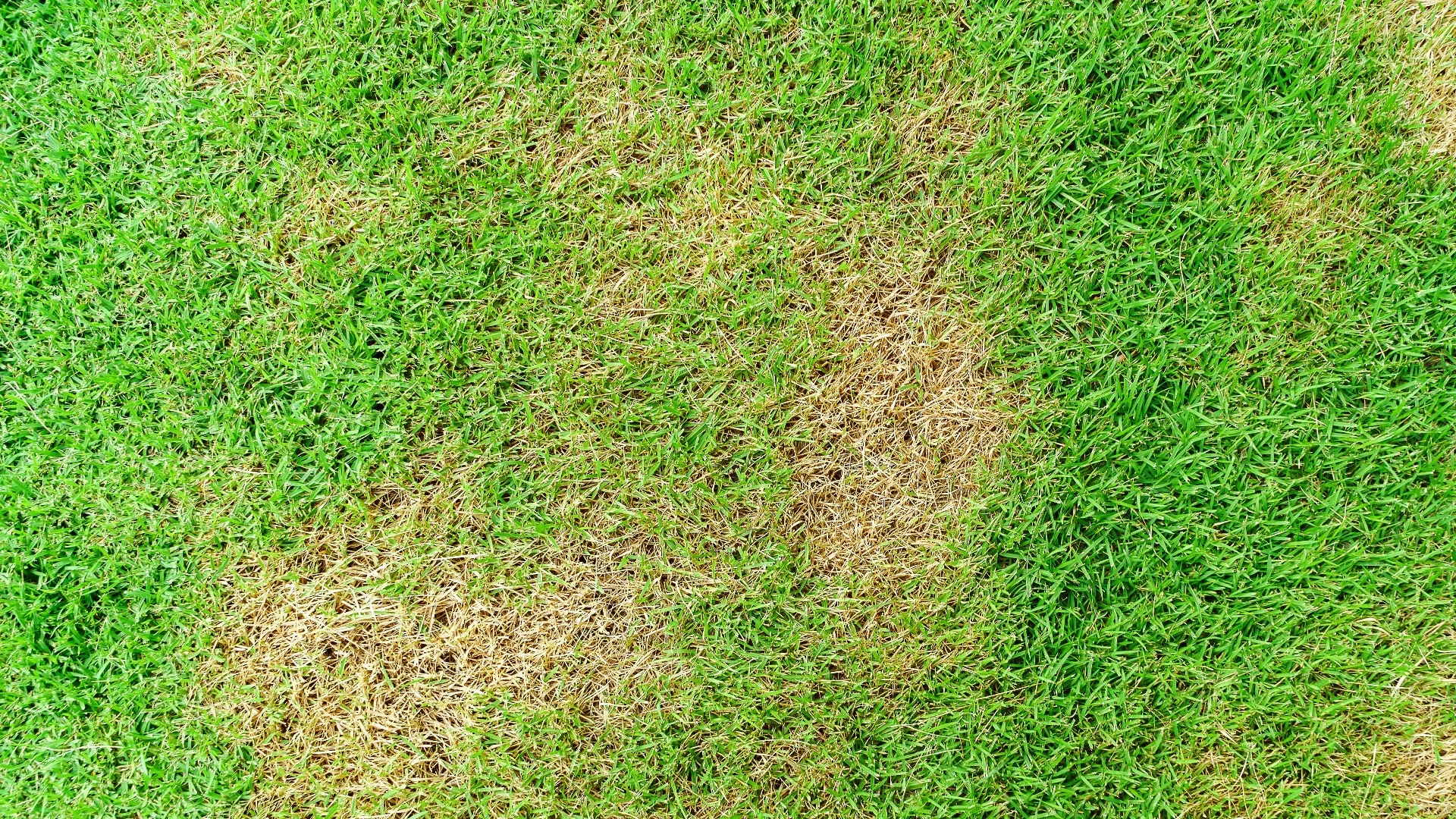
The shape of the damage matters. If most of the lawn looks brown at once, the problem is often weather, watering, or seasonal dormancy. If you see circles, rings, strips, or random patches, the cause is usually more specific.
Brown strips near sidewalks can mean heat reflecting off concrete or poor sprinkler reach. Small burned spots can come from pet urine. Irregular patches in play areas or along paths often trace back to compaction and wear.
## The most common cause: water stress
In a dry climate, water stress is one of the top reasons grass turns brown. Inconsistent watering is one of the fastest ways to lose color in a lawn.
Grass likes a steady routine. Too little water weakens it. Uneven watering leaves some areas thriving and others struggling. Too much water causes a different set of problems, but just as much browning.
### Too little water
Drought-stressed grass gives off warning signs before it fully browns. Blades may fold inward, the lawn may feel crisp, and footprints can stay visible instead of springing back. Once the turf turns brittle, the stress has been building for a while.
Shallow watering makes this worse. If only the top inch gets wet, roots stay near the surface where heat dries them out quickly. Deep watering less often encourages stronger roots and better tolerance during hot weather.
### Uneven watering and sprinkler gaps
A lot of brown lawns are not uniformly dry. Some spots get plenty of water while others miss out almost completely.
A clogged sprinkler head, low water pressure, bad nozzle angle, or slope in the yard can create random dry patches in the middle of otherwise green turf. Brown edges along driveways and sidewalks are especially common because pavement adds heat and sprinkler patterns often miss those narrow zones.
### Too much water can cause trouble too
Overwatering sounds harmless, but it can stress grass badly. Soggy soil crowds out oxygen, and roots need oxygen just as much as they need water.
Wet conditions also invite fungus. So if your lawn is brown even though it gets watered often, the problem may be too much moisture rather than too little. The catch is that both issues can look similar from a distance.
## Heat, mowing, and other everyday stressors
Not every brown lawn has pests or disease. Sometimes the cause is ordinary lawn care combined with rough weather.
Small habits add up fast, especially in summer.
### Summer heat and dormancy
During extreme heat, grass may go dormant to protect itself. That is basically a survival mode. Growth slows down, color fades, and the lawn waits for better conditions.
This can look alarming, but dormant grass is not automatically dead. It is more like a paused screen than a shutdown. If the crowns and roots are still alive, the lawn can recover when temperatures ease and moisture improves.
### Mowing too short
Scalping means cutting the grass too short. When that happens, more soil gets exposed to direct sun, moisture evaporates faster, and the grass has less leaf surface to make energy.
A lawn cut too low can brown almost overnight in hot weather. It is one of the most common self-inflicted problems because short grass looks neat for about a day, then starts struggling.
### Dull blades, heavy traffic, and soil compaction
Dull mower blades tear grass instead of cutting it cleanly. Those shredded tips dry out and turn brown, which can make the whole lawn look off-color even when the roots are okay.
Heavy foot traffic causes a different kind of stress. Repeated walking, playing, or rolling equipment over the same routes presses soil tighter and damages blades. That is why lawns often thin out near gates, along side yards, and across the shortcut everyone takes to the trash cans.
## Pests, disease, and pet damage
When browning shows up in patches instead of everywhere, pests, fungus, or pet urine become more likely. These problems often have a distinct look once you know what to notice.
### Grubs and other lawn pests
Grubs feed on grass roots underground. As roots disappear, the turf loses its grip on the soil, dries out, and turns brown in patches. The tug test is especially useful here because damaged sod may lift up easily.
Other insects can also stress turf depending on conditions, but root-feeding pests are the classic cause of loose, patchy browning.
### Fungal disease
Fungal issues often show up as circles, rings, or straw-colored spots that keep expanding even when watering seems fine. Warm nights, excess moisture, poor airflow, and crowded grass can create the right setup.
The frustrating part is that disease can be mistaken for drought, so extra watering sometimes makes it worse instead of better.
### Pet urine spots
Pet urine usually causes small, burned-looking patches. Often the center turns brown while the outer edge looks darker green.
That green ring is a clue. It happens because small amounts of nitrogen can feed grass, while concentrated urine can scorch it. So if you notice little round spots in favorite bathroom areas, that is probably your answer.
## Soil and chemical issues that can turn grass brown
Sometimes the lawn gets enough water and decent mowing, but still struggles. That is when soil conditions or product damage move higher on the list.
### Poor soil health and pH problems
Grass grows best when soil chemistry is in a workable range. pH is just a measure of how acidic or alkaline your soil is. If that balance is off, nutrients can become harder for grass to absorb even if the nutrients are technically there.
Poor soil can also mean low organic matter, compaction, or drainage issues. In plain terms, the roots are living in a place that makes every hot day harder.
### Fertilizer burn
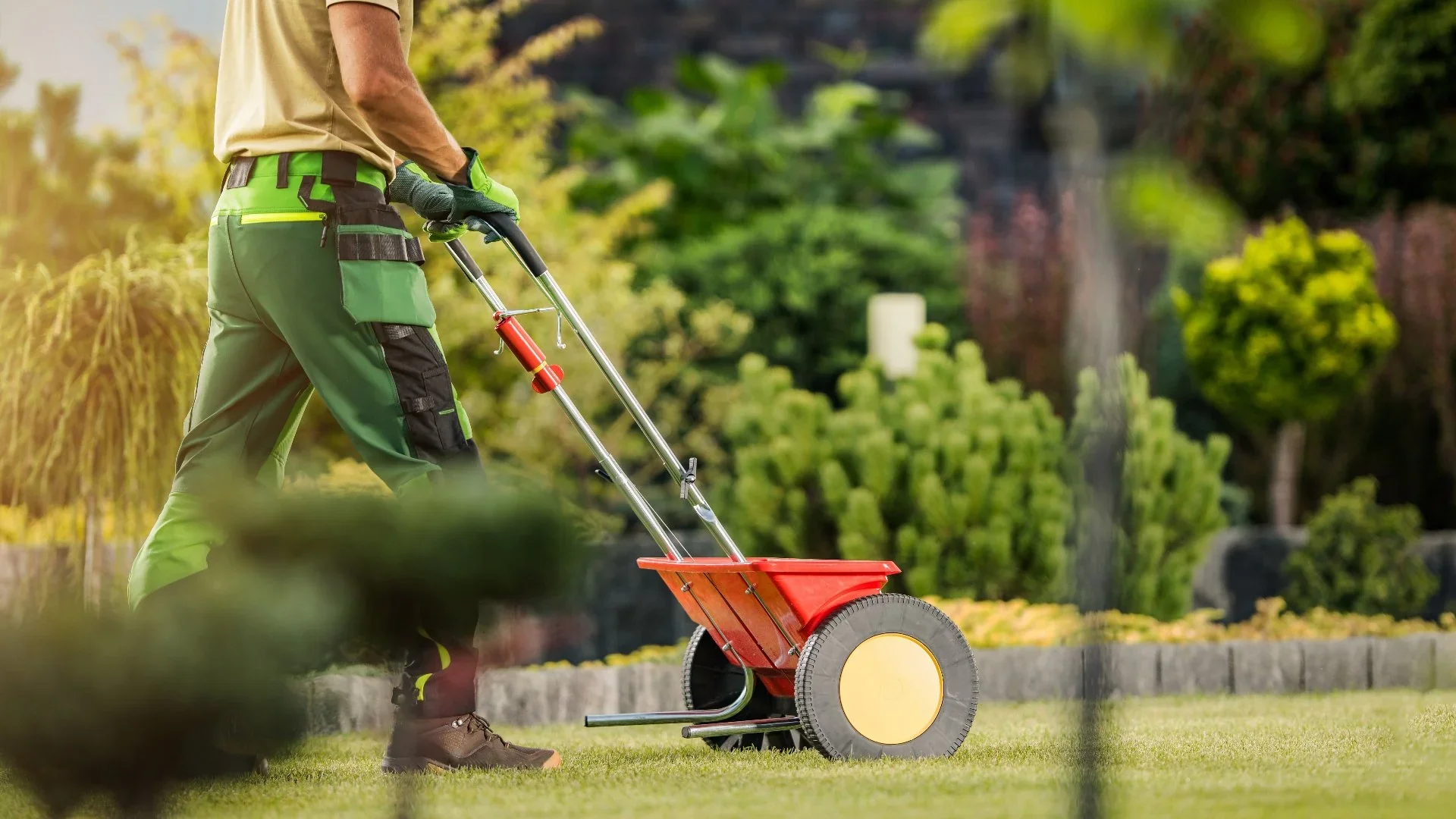
Too much fertilizer can scorch grass. Uneven spreading can also leave stripes or blotchy brown areas where one section got a heavier dose than another.
More product is not better here. Lawn fertilizer is a little like salt in cooking, enough helps, too much ruins the whole thing.
### Herbicide injury and other chemical stress
Weed killers and other lawn treatments can damage turf if applied at the wrong rate, in high heat, or when the grass is already stressed. If browning shows up soon after a treatment, pay attention to that timing.
Chemical injury often looks sudden. The lawn may have been green, then decline quickly after an application.
## How to tell what your lawn is trying to say
Once you step back and look at the pattern, the soil, and the roots, your lawn usually gets a lot easier to read.
### If the whole lawn looks brown
When browning is widespread, the cause is usually drought, dormancy, watering trouble, or seasonal stress. Broad problems usually point to broad causes.
### If you see random patches or rings
Patchy browning leans more toward pests, fungus, pet urine, sprinkler coverage gaps, or compacted traffic zones. Localized damage usually has a local cause.
### If the grass is brown but still firmly rooted
If the turf is still anchored, do not rush to rip it out. Firm roots often mean the grass is stressed or dormant, not dead. That one detail can save you from replacing lawn that may recover on its own.
## What to try first before you replace anything
Before you reseed or replace sod, fix the obvious stress points. A lot of brown lawns improve once the routine improves.
### Adjust watering and check coverage
Watch your sprinklers run. Make sure water is actually reaching dry spots, and make sure it is soaking in rather than running off. Deep, consistent watering beats quick surface watering every time.
### Raise the mower and reduce stress
Set your mower a little higher, especially in summer. Avoid mowing during peak heat, and if part of the lawn is struggling, give it a break from heavy traffic until it recovers.
### Get a professional diagnosis if the cause is not clear
If brown patches keep spreading, if grass pulls up easily, or if disease seems likely, it makes sense to get a professional diagnosis. In Grand Junction and nearby areas, local lawn care and plant health support can spot irrigation issues, pest damage, and soil problems much faster than trial and error.
Try one simple thing first: walk the lawn with a screwdriver and run your sprinklers for ten minutes. That quick check often tells you more than a shelf full of lawn products.
* Disclaimer: This article is for general informational purposes only. It is not professional advice, a quote, or a service agreement. Conditions at your home or property may differ; contact a qualified professional for an on-site evaluation before making repair, safety, or spending decisions.
* Disclaimer: This article is for general informational purposes only. It is not professional advice, a quote, or a service agreement. Conditions at your home or property may differ; contact a qualified professional for an on-site evaluation before making repair, safety, or spending decisions.