If your lawn looks good in May, rough in July, and tired again by early fall, the problem usually is not effort. It is timing. If you have been wondering how often fertilize lawn care should happen in Grand Junction, the short answer is this: less often than humid-climate advice suggests, but more strategically.
## What you'll need before you fertilize your lawn
Before you spread anything, get a few basics in place. Lawn fertilizer works best when it fits your grass type, your yard size, and your watering habits. In western Colorado, that matters more than people think, because dry air and hot afternoons can turn a simple feeding into wasted product if the timing is off.
You do not need a truckload of gear. You just need enough information to avoid guessing.
### A quick note on grand junction and surrounding areas
Grand Junction, Fruita, Palisade, and nearby neighborhoods do not behave like lawns in the Midwest or Pacific Northwest. Your lawn deals with high-desert conditions, low humidity, alkaline soil, and long stretches of heat. That changes how often feeding pays off.
Here’s the thing: fertilizer only helps when grass is actively growing and has enough moisture to use those nutrients. If your yard gets uneven irrigation or dries fast in a hot week, more fertilizer will not fix the real issue. It can actually make stress worse.
### Tools and info to have on hand
Gather your fertilizer, spreader, gloves, and access to a hose or irrigation system. You also need a rough square footage number for your lawn. That last part is not busywork. If you do not know your lawn size, it is easy to apply twice as much as you meant to, especially in small front yards and narrow side strips.
A phone note with your grass type, last feeding date, and watering schedule helps too. It sounds simple because it is, and it saves a lot of repeat mistakes.
## Step 1: identify your grass type before picking a schedule
Your grass type decides your feeding calendar. Get this part right and the rest gets much easier. Get it wrong and fertilizer timing turns into guesswork.
1. Look at when your lawn greens up fastest.
2. Notice when growth slows down.
3. Match that pattern to cool-season or warm-season grass.
The basic rule is simple: feed grass when it is growing, not when it is stressed. Fertilizing at the wrong time is like pouring coffee into an empty cup holder. It goes somewhere, just not where you need it.
### Cool-season grasses common in western colorado
Many lawns in western Colorado are cool-season grasses such as Kentucky bluegrass, tall fescue, or ryegrass. These grasses usually grow most strongly in spring and fall, when temperatures are milder and nights cool off.
1. Check for early spring green-up.
2. Watch for slower growth during peak summer heat.
3. Expect the best response from spring and fall feedings.
If your lawn looks happiest in April, May, and September, this is probably your category.
### Warm-season grasses you may see in hotter spots
Some hotter, sunnier spots have warm-season grass, especially bermuda. This type stays tan longer in spring, wakes up later, and pushes growth hardest in summer.
1. Look for late green-up, often after spring warms consistently.
2. Notice stronger summer growth.
3. Plan fertilizer later than you would for bluegrass or fescue.
Warm-season lawns do not want a heavy early spring feeding. That is one of the easiest mistakes to make.
### How to tell what you have if you're not sure
If you are not sure, start with observation.
1. Mow and track how quickly the lawn regrows in spring versus summer.
2. Compare sunny areas to shaded areas for color and density.
3. Check old landscaping paperwork if you have it.
4. Get a local lawn evaluation if your yard is a mix.
A mixed lawn is common, especially in older neighborhoods. In that case, follow the schedule for the dominant grass, not the patch you like best.
## Step 2: decide how often your lawn actually needs fertilizer
For most established lawns in the Grand Junction area, 2 to 4 fertilizer applications per year is the right range. That is the direct answer. The better-looking lawns usually land in the middle, not at the extreme.
1. Choose 2 applications for basic maintenance.
2. Choose 3 for steady color and recovery.
3. Choose 4 if you want a more polished look and already water and mow consistently.
Do not copy schedules from wetter climates where lawns grow hard for months on end. Your yard is playing a different game.
### Basic schedule for a healthy, low-fuss lawn
Two applications per year can be enough if your lawn is established, reasonably healthy, and not under heavy traffic.
1. Feed once during active spring growth.
2. Feed once again in late summer or fall.
This works well for homeowners who want decent color and steady performance without chasing perfection.
### Moderate schedule for thicker color and recovery
Three applications per year is often the sweet spot locally.
1. Apply a light feeding in spring.
2. Add one in late spring or early summer if growth is steady.
3. Finish with a stronger late summer or fall application.
If your lawn gets regular use from kids, pets, backyard gatherings, or delivery foot traffic, this schedule usually gives the best balance between appearance and upkeep.
### Higher-frequency schedule for premium appearance
Four applications make sense for lawns that need strong color, faster fill-in, or a more manicured look.
1. Start with a light spring feeding.
2. Follow with a measured late spring application.
3. Feed again in late summer.
4. Finish with a fall or winterizer application.
The catch is simple: this only works well if watering, mowing, and spreader accuracy are already solid. More fertilizer on a stressed lawn just creates faster problems.
## Step 3: test your soil and check your irrigation before you feed
Before your next application, make sure fertilizer is actually the missing piece.
1. Test the soil if the lawn struggles year after year.
2. Check irrigation coverage across the whole yard.
3. Look for compaction or thatch before adding more product.
A lawn can be pale because it is hungry. It can also be pale because roots are dry, shallow, or blocked.
### Get a soil test if your lawn struggles every year
A soil test tells you what your soil already has, what it lacks, and where the pH sits. Many western Colorado soils lean alkaline, which can make nutrients harder for grass to take up even when fertilizer is present.
1. Use a local extension or lab soil test.
2. Review pH, nutrient levels, and salt buildup.
3. Adjust your plan based on results, not guesswork.
If the same weak spots show up every summer, this is worth doing.
### Look for watering issues that mimic fertilizer problems
Patchy color does not always mean underfeeding. It often means uneven watering.
1. Run your irrigation and watch for dry pockets.
2. Look for runoff on slopes or compacted areas.
3. Check whether sprinkler heads miss edges or overlap too much.
If one zone stays thin while another gets lush, fix coverage first.
### Check for compaction and thatch
Compacted soil keeps air, water, and nutrients from reaching roots. Thick thatch, meaning a dense layer of dead stems near the soil surface, can do the same thing.
1. Push a screwdriver into moist soil to check resistance.
2. Peel back a small section to see if thatch is thick.
3. Aerate before fertilizing if the soil is packed.
If roots cannot breathe, fertilizer is not the hero of the story.
## Step 4: pick the right fertilizer for your lawn and the season
Store shelves make this look harder than it is. Ignore the flashy promises and read the bag.
1. Check the N-P-K numbers.
2. Look for slow-release nitrogen for steady feeding.
3. Match specialty products to a real need, not a vague hope.
### Understand the n-p-k numbers in plain english
Those three numbers stand for nitrogen, phosphorus, and potassium. Nitrogen drives green growth. Phosphorus helps root development. Potassium supports overall stress tolerance.
1. Prioritize nitrogen for established lawns.
2. Use phosphorus only when a soil test or new seeding calls for it.
3. Use potassium when stress support makes sense.
For established turf, nitrogen is usually the main event.
### Choose slow-release vs. quick-release fertilizer
Slow-release fertilizer feeds over time. Quick-release greens up fast but can fade faster and raise burn risk.
1. Choose slow-release for most home lawns.
2. Use quick-release carefully if you need a fast response.
3. Avoid heavy quick-release feeding in hot, dry weather.
In Grand Junction heat, steady is better than flashy.
### Know when starter, weed-and-feed, or winterizer products fit
Specialty products have a place, but only when the timing matches the job.
1. Use starter fertilizer for new seed or fresh sod if needed.
2. Use weed-and-feed only when weed pressure and timing line up.
3. Use winterizer products for a final fall feeding on cool-season lawns.
A combo product sounds convenient, but convenience can backfire if the yard needs one part and not the other.
## Step 5: build a local fertilizing calendar for your yard
Now turn all that into a schedule you can actually follow.
### Early spring feeding
1. Wait until the lawn is actively growing.
2. Apply a light feeding, not a heavy one.
3. Skip frozen or barely waking turf.
Too much too early pushes top growth before roots really settle in.
### Late spring to early summer feeding
1. Feed only if the lawn is growing steadily.
2. Keep the rate moderate.
3. Skip this round if heat arrives fast or irrigation is shaky.
This window is useful, but not mandatory every year.
### Late summer to early fall feeding
1. Plan this as a priority feeding for cool-season lawns.
2. Apply when temperatures start easing.
3. Water properly so the lawn can use it.
For many yards, this is the best return-on-effort application of the whole year.
### Fall or winterizer feeding
1. Feed cool-season grass in fall if you want stronger recovery and spring green-up.
2. Use a season-appropriate product.
3. Stop before true winter dormancy.
This feeding helps grass store energy instead of just pushing visible growth.
### A simple sample schedule for cool-season lawns in grand junction
1. Light feeding in April.
2. Optional moderate feeding in late May or early June.
3. Main feeding in late August or September.
4. Optional fall feeding in October.
That calendar fits many bluegrass and fescue lawns, though weather can shift the dates a bit.
### A simple sample schedule for warm-season lawns in the area
1. Wait for active growth in late spring.
2. Feed in late May or June.
3. Feed again in mid-summer if the lawn is healthy and irrigated.
4. Stop early enough to avoid pushing late-season growth.
Warm-season lawns want food during summer growth, not spring guesswork.
## Step 6: measure your lawn and calculate how much fertilizer to apply
Application rate matters just as much as timing.
### Measure square footage the easy way
1. Break the yard into rectangles.
2. Multiply length by width for each section.
3. Add the totals together.
If you want a quick shortcut, use an online map tool and estimate from above. Close enough is fine. Wild guessing is not.
### Read the bag rate and convert it to your yard
1. Find the coverage listed on the fertilizer bag.
2. Divide your lawn square footage by that number.
3. Measure out only what your yard needs.
If the bag covers 5,000 square feet and your lawn is 2,500, use about half the bag, not whatever feels right in the moment.
### Avoid overapplication in small or awkward spaces
1. Reduce overlap near edges, corners, and narrow strips.
2. Use a lighter pass in tight areas.
3. Keep the spreader off hard surfaces when turning.
Those little spaces are where burn spots usually start.
## Step 7: apply fertilizer the right way for even coverage
Good application is boring in the best way. Slow, steady, even.
### Prep the lawn before spreading
1. Mow if needed, but do not scalp the grass.
2. Make sure the lawn surface is dry enough for even spreading.
3. Check the label for watering directions before you start.
Windy afternoons are a bad time for this. Product drifts, coverage gets uneven, and cleanup turns annoying fast.
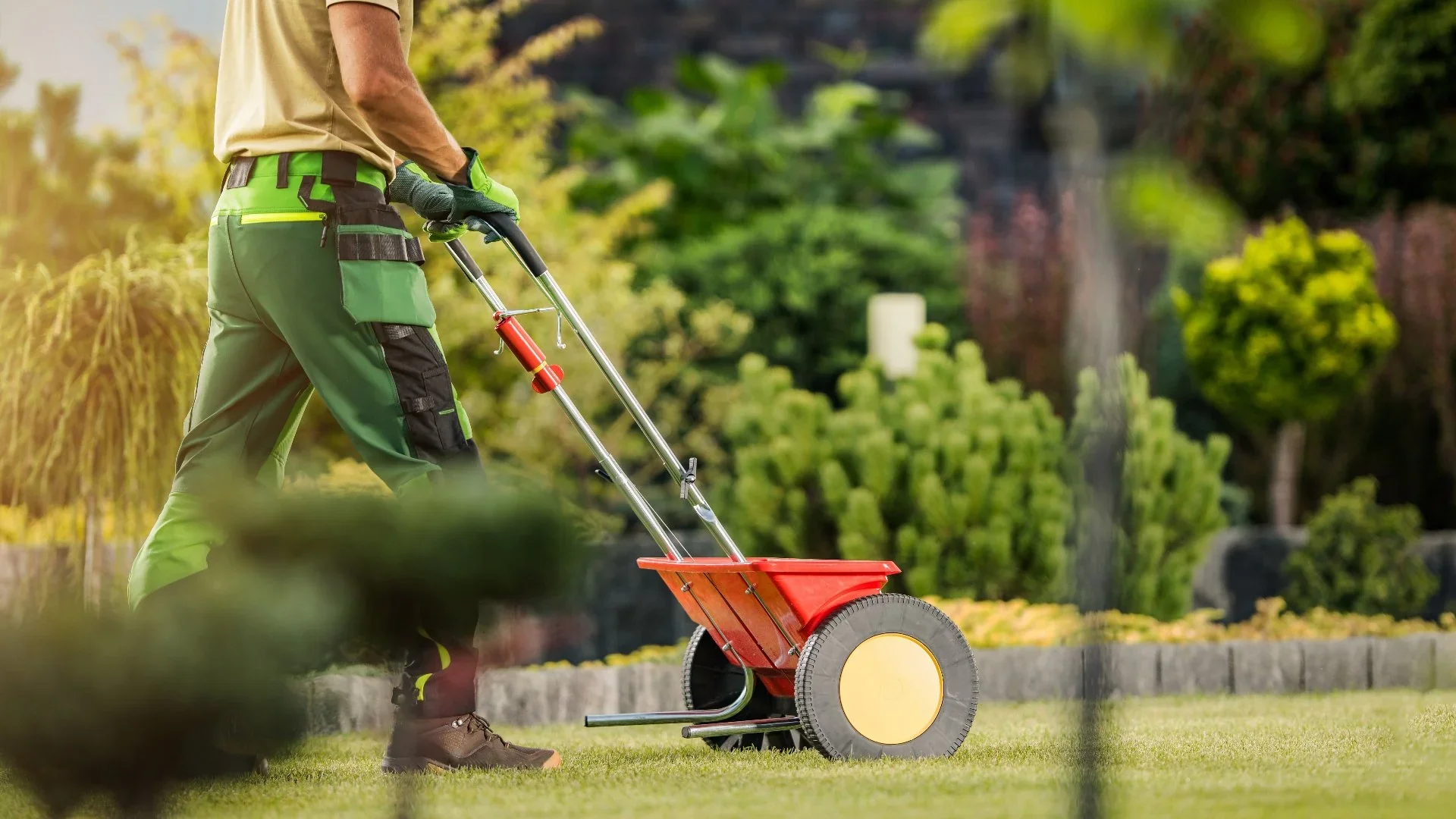
### Set and use your spreader correctly
1. Set the spreader to the bag recommendation.
2. Walk at a steady pace.
3. Overlap slightly with each pass.
4. Make two lighter passes in different directions if needed.
That crosshatch approach often looks better than one heavy pass.
### Water in the fertilizer if the label calls for it
1. Read the product instructions carefully.
2. Apply enough water to move nutrients into the soil.
3. Avoid heavy watering that causes runoff.
On compacted or sloped areas, go easy. Slow soaking beats water racing to the curb.
### Clean up hard surfaces after application
1. Sweep fertilizer off sidewalks, driveways, and patios.
2. Put stray granules back in the lawn if possible.
3. Keep product out of drains and decorative beds.
You paid for it. Keep it where it helps.
## Step 8: watch your lawn for signs that you need to adjust frequency
Your lawn will tell you if the schedule is working.
### Signs your lawn needs fertilizer more often
1. Color stays pale despite decent watering.
2. Growth is weak during the active season.
3. Thin areas recover slowly from wear.
4. The lawn looks tired sooner than expected after feeding.
If those signs show up and irrigation is solid, adding one more yearly application may help.
### Signs you're fertilizing too often
1. Top growth gets excessive.
2. Mowing suddenly feels nonstop.
3. Burned patches or runoff show up.
4. Thatch builds faster.
5. Summer stress gets worse, not better.
Too much nitrogen can turn a lawn into a needy, high-maintenance project.
### Problems that are not really fertilizer-frequency issues
1. Weeds from thin turf or poor mowing
2. Insect damage
3. Lawn disease
4. Pet urine spots
5. Irrigation trouble
Not every problem needs another bag of fertilizer.
## Troubleshooting common lawn fertilizing mistakes
Even careful timing can go sideways. Most issues are fixable.
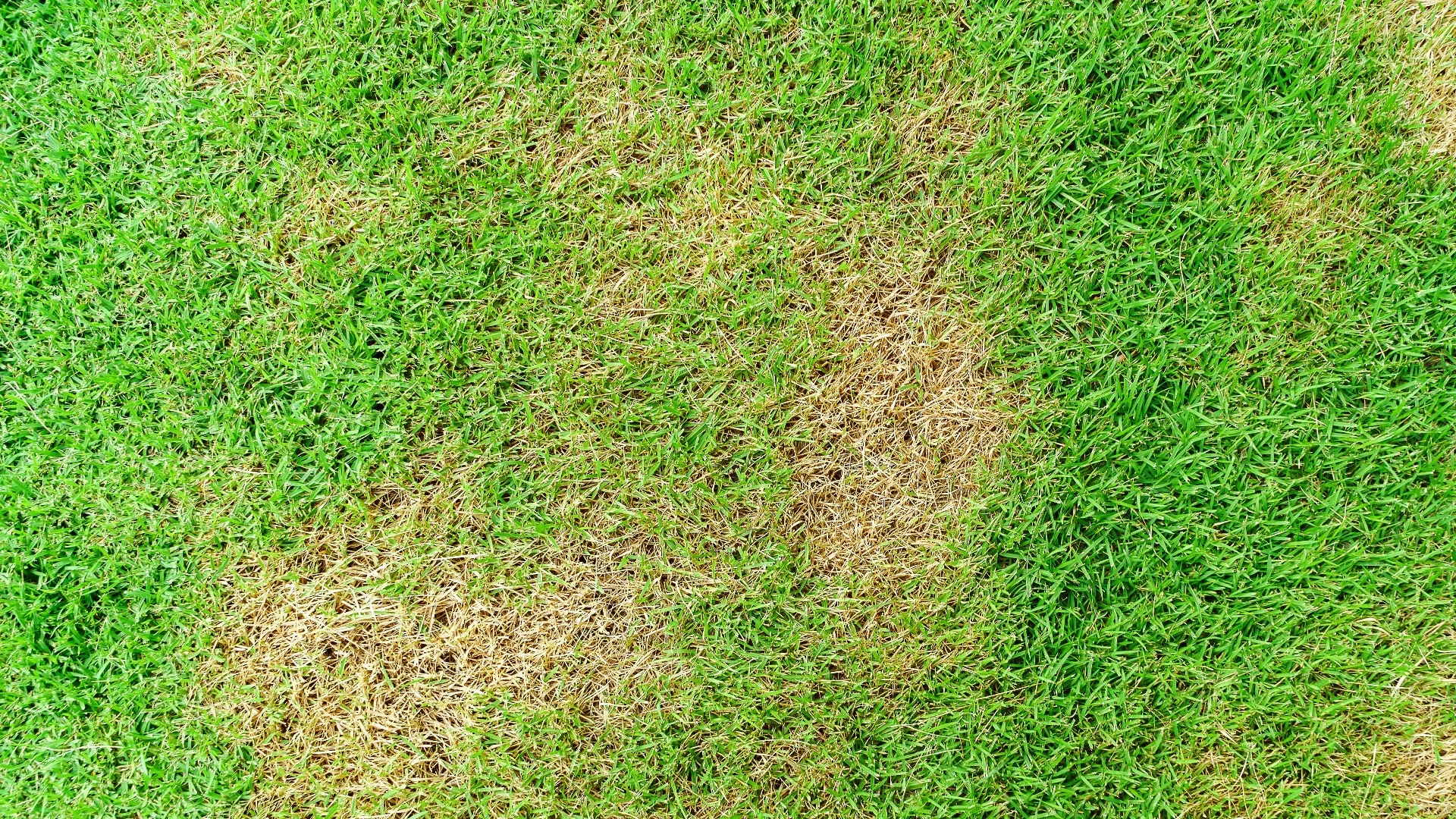
### Fertilizer burned the lawn
Burn usually shows up as yellow or brown streaks after heavy application or poor watering.
1. Water deeply right away if the burn is recent.
2. Flush the area over the next few days if the label and conditions allow.
3. Reseed or repair dead spots later if damage sticks around.
### The lawn got greener in some areas but not others
Uneven color usually means uneven spread, uneven watering, or both.
1. Check spreader pattern and overlap.
2. Run irrigation and look for weak coverage.
3. Compare sunny and shady zones for different needs.
### You fertilized but nothing changed
Sometimes the problem is timing. Sometimes it is the wrong product. Sometimes the lawn was stressed before feeding.
1. Check whether the grass was actively growing.
2. Review the product type and rate.
3. Look into alkaline soil, compaction, or poor irrigation.
Feeding a struggling lawn in peak heat often disappoints.
### You missed the ideal timing window
Missing one window is not the end of the season.
1. Do not double the next application.
2. Resume with the next sensible feeding period.
3. Prioritize the strongest seasonal window, usually late summer to fall for cool-season lawns.
A late application can still help. A panic application usually does not.
## What results to expect and what to do next
When your schedule matches your grass, your watering, and your local weather, the payoff is pretty obvious. Color stays steadier. Recovery after foot traffic gets faster. Summer stress does not disappear, but your lawn handles it better.
Try one smart change this season: set your next feeding date based on your grass type, not the calendar on a fertilizer bag. That one move fixes a lot.
* Disclaimer: This article is for general informational purposes only. It is not professional advice, a quote, or a service agreement. Conditions at your home or property may differ; contact a qualified professional for an on-site evaluation before making repair, safety, or spending decisions.
* Disclaimer: This article is for general informational purposes only. It is not professional advice, a quote, or a service agreement. Conditions at your home or property may differ; contact a qualified professional for an on-site evaluation before making repair, safety, or spending decisions.