
Lawn care in drought stress & low-water years
We Are All in This Together
Keeping your lawn going in low-water years
GET A QUOTE
FOR LAWN CARE, MAINTENANCE, & PEST CONTROL
Western Colorado lawns under pressure
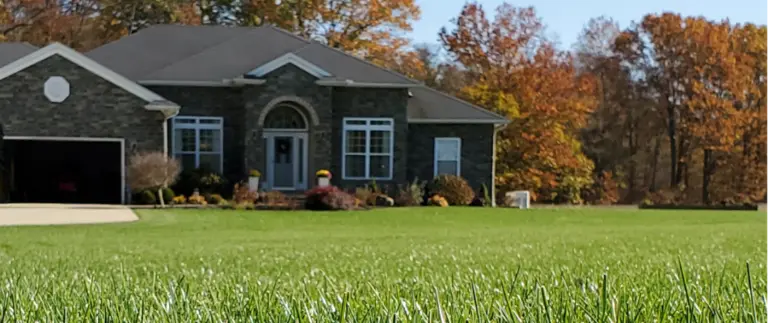
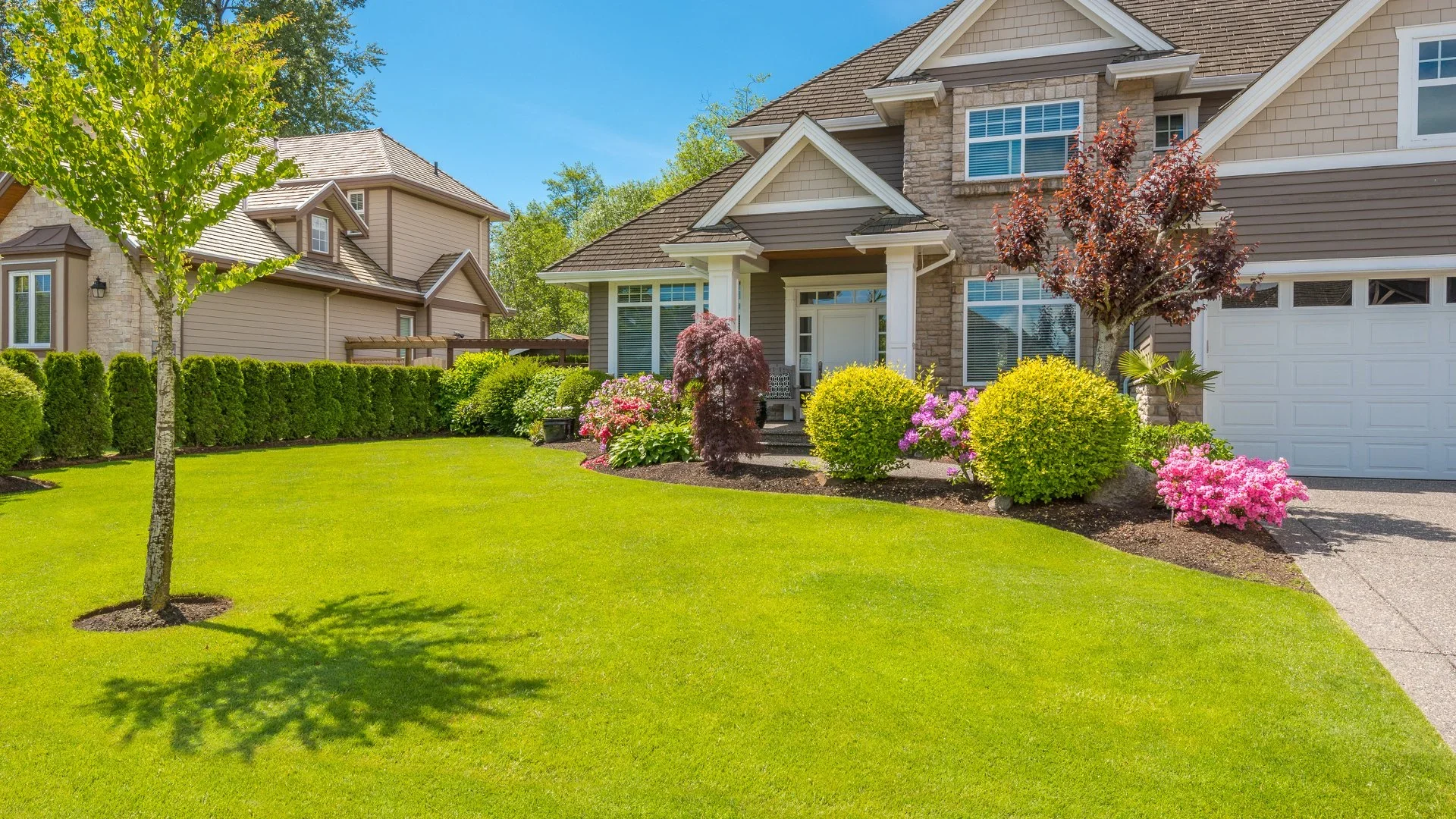
Proper cultural practices like mowing and watering will be critical this year—especially if water restrictions take place. The sections below focus on coaching for mowing and watering so you can get the most from every drop.
Cultural practices
Smart mowing and watering work together: taller turf shades roots and pairs with deep, less-frequent irrigation to reduce drought stress.
Mowing tips
Please mow your grass at no less than 3.5 inches. Leaving grass taller helps shade the root system and makes the best use of the water your lawn receives. It also reduces stress from mowing too short during hot, dry weather.
- Alternate mow directions weekly. Changing direction helps reduce soil compaction and keeps the turf from leaning in one direction.
Watering tips
Start training your lawn now. Deep, infrequent watering is the healthiest approach. By establishing this habit early, you can encourage roots to reach deeper moisture and reduce how often you need to run the system.
Many lawns can move toward running two or three days per week and still stay sustainable when each cycle puts down enough water per zone. Water early in the morning, before the sun is up, to limit evaporation and leaf wetness through the heat of the day.
- Check sprinkler head adjustment frequently so spray patterns stay even and you’re not watering pavement, fences, or dry pockets in the lawn.
- Clean filters weekly anywhere your system has them (backflow, valves, or line filters) so debris doesn’t choke flow when you need every drop.
- Tupperware or cup test: set a few straight-sided containers (e.g. tuna cans, plasticware) in each zone, run the sprinklers, then measure how much water collected—that tells you real inches per cycle so you can tune run times.
Baseline run times by sprinkler type
These are general starting points only. Every lawn, soil, slope, and system is a little different—adjust based on observation, cup tests, or a professional audit.
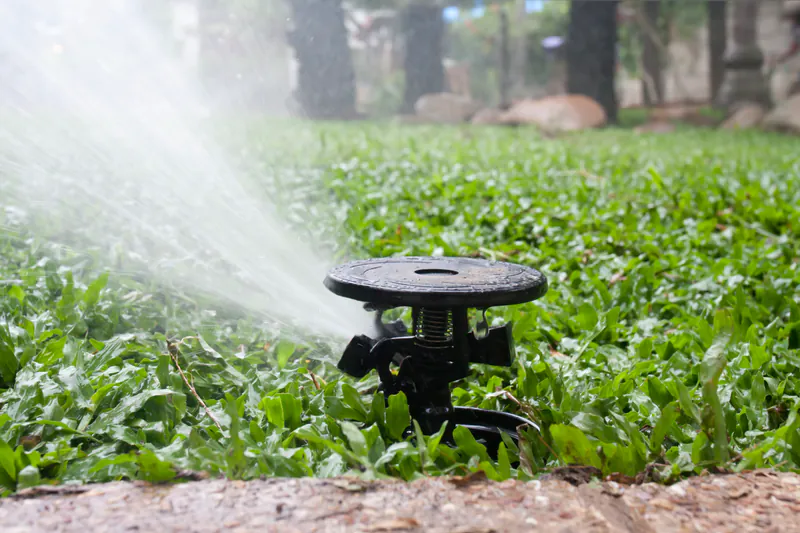
Maxi Paw / impact sprinkler
45–50 minutes per zone
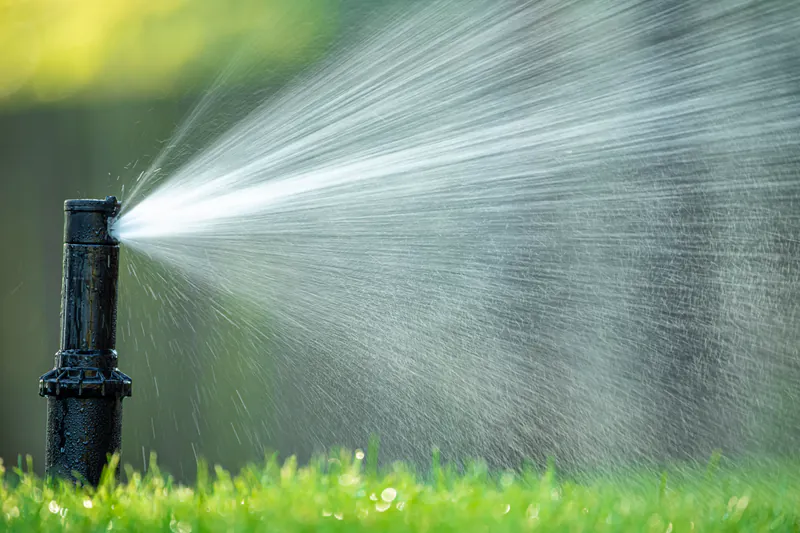
Rotor / gear-driven head
45–50 minutes per zone
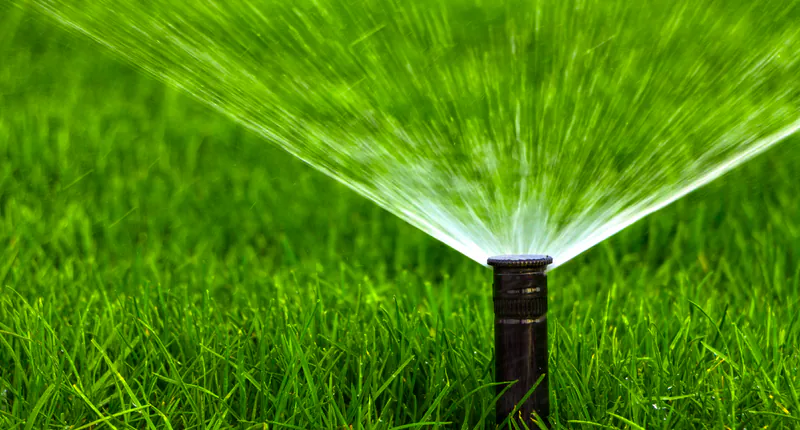
Pop-up with traditional fan spray nozzle
15–20 minutes per zone
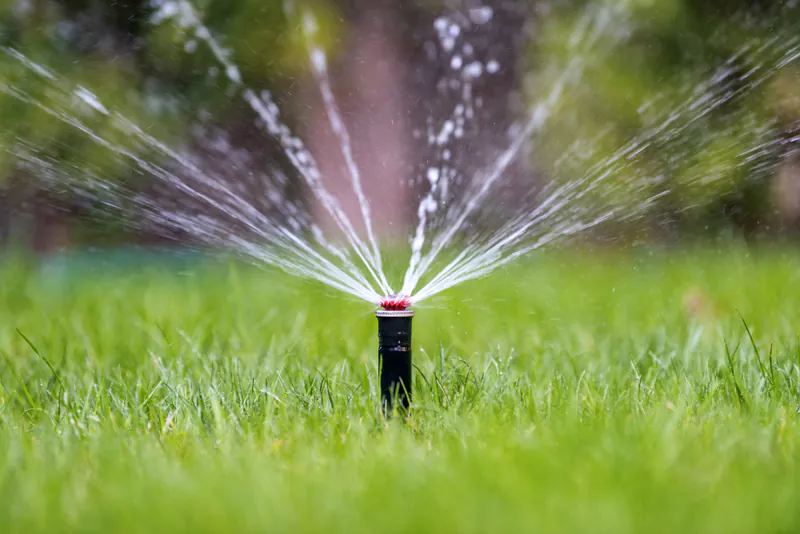
Pop-up with gear-driven nozzle
35–45 minutes per zone
Spotlight
Lawn Revive program
We offer a Lawn Revive program using our updated formula, now with added moisture management products alongside beneficial biology and complementary components to ease symptoms of drought stress.
Treatments can be added to your existing services. If severe water restrictions limit other applications, Lawn Revive may still be an option to help keep turf alive when other products cannot be applied.
Season: May through August · Frequency: up to four times per year.
Learn more about Lawn Revive →We’re here to help
Mesa Turf Masters has served Grand Junction, Fruita, Palisade, and surrounding Western Colorado communities since 1992. Call us to fine-tune your program or add Lawn Revive for drought-stressed turf.
Sprinkler photography on this page is provided by Mesa Turf Masters.