Ash bark beetle and lilac ash borer sound as though they belong in one service category. They do not.
Mesa Turf Masters publishes a separate treatment page for each pest because the insects, host plants, activity periods, and treatment methods differ. The ash bark beetle program centers on preventive systemic treatment for ash trees. The lilac ash borer program can involve ash or lilac plants and may include treatments timed around adult moth activity as well as systemic work directed at larvae beneath the bark.
A homeowner should not select the program from the pest name alone. The tree or shrub needs to be identified and inspected first.
Begin with the plant
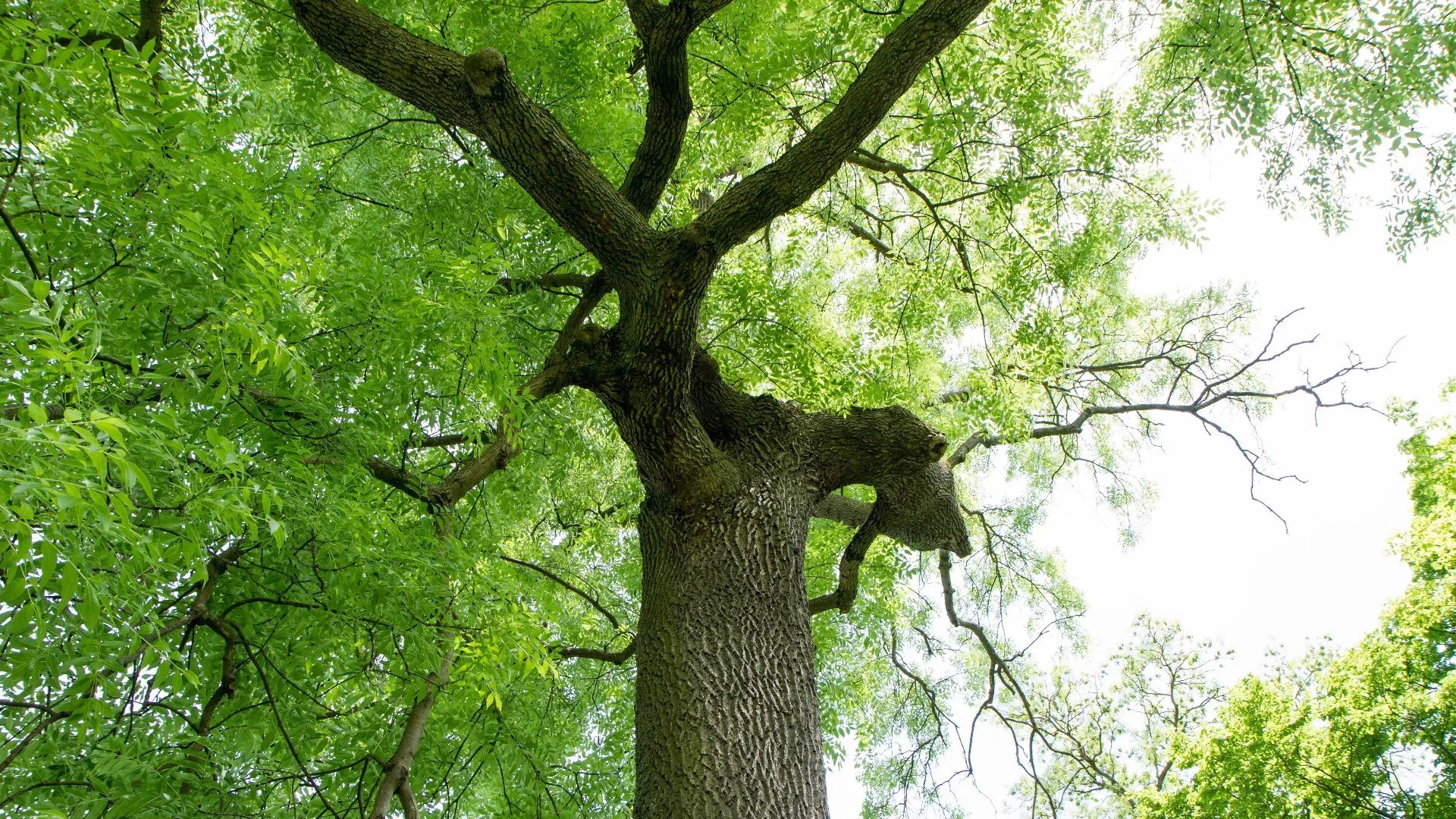
A surprisingly large number of tree-care mistakes begin with an incorrect plant name. The homeowner may know the plant as the ash by the driveway because that is what a previous owner called it. A lilac may have grown into a tree-like form. Another ornamental may resemble one of the target hosts from a distance.
Before discussing treatment, document the location, plant type if known, number of plants, approximate size, age if known, recent pruning, irrigation, construction nearby, previous treatment, visible decline, and photos of leaves, bark, and overall structure.
Our tree and shrub division employs certified arborists familiar with Western Colorado plants, alkaline soil, drought stress, and local pest pressure. Arborist license RM-8848A is held by Calder Harris. The arborist should confirm the host plant rather than relying only on the homeowner's label.
Ash bark beetle treatment is mainly preventive
We describe ash bark beetles as pests that tend to attack stressed ash trees and bore beneath the bark. Our published program uses systemic trunk injections intended to protect vulnerable trees before extensive visible damage develops. The property discussion should therefore include the tree's broader condition.
Ask the arborist to evaluate watering, winter moisture, root-zone compaction, previous drought stress, trunk injury, pruning wounds, canopy density, branch dieback, construction disturbance, and soil or grade changes. A preventive insect treatment does not correct every source of tree stress.
We also provide winter tree watering, tree and shrub fertilization, winter pruning, and broader insect and disease care. The treatment should fit inside the tree-care plan rather than becoming the whole plan.
Lilac ash borer treatment is tied closely to timing
We describe lilac ash borers as clearwing moths whose larvae tunnel beneath bark on ash and lilac plants. Our program may use trunk sprays timed to adult activity, trunk injections, or systemic treatment directed at larvae. That makes the service calendar especially important.
A homeowner who notices damage late in the year should not assume the same treatment method belongs at any time. Ask which pest the arborist suspects, which life stage is being targeted, why the proposed timing is appropriate, whether treatment is preventive or responsive, which plants are included, whether another application is expected, what the homeowner should watch between visits, and whether the plant needs separate pruning or water support. The technician should be able to connect the application date to the intended pest stage.
Bark damage can have several causes
A hole, wound, or split in bark does not confirm one particular borer. Possible causes can include insects, mechanical injury, mower or trimmer damage, sunscald, frost injury, animal activity, an old pruning wound, cracking, disease, previous construction, poor support ties, and weather damage.
Do not apply a treatment because a photograph online resembles the tree. We should inspect the pattern, plant, bark, canopy, and property history.
Watering is part of the protection plan
Grand Valley trees experience dry air, hot weather, winter moisture gaps, and alkaline soil conditions. We offer dedicated winter tree watering and describe deep watering as an important service when natural moisture is limited.
Ask the arborist how the treated tree should be watered. Useful information includes the root-zone area, irrigation currently reaching it, lawn sprinklers versus deep watering, winter watering needs, soil moisture, mulch, drainage, signs of overwatering, signs of prolonged dryness, and newly installed landscaping nearby. A stressed tree may remain attractive to pests even after one treatment if the site conditions continue working against it.
Pruning should not remove evidence before inspection
A homeowner may see dead or damaged branches and schedule pruning first. The arborist may benefit from seeing the original pattern. Before removing significant material, photograph the whole canopy and affected branches, note which side of the tree is changing, look for exit holes or bark wounds, record when dieback appeared, avoid peeling bark, save a small fallen branch when requested, tell us about recent storms, and identify prior cuts.
Safety-related broken limbs may still need prompt work. Ordinary pruning should be coordinated with the diagnostic visit when pest activity is suspected.
Trunk injection and trunk spray are different applications
Our two specialty programs use different combinations of application methods. The proposal should state the product category, application method, target pest, target plants, timing, expected treatment interval, homeowner instructions, conditions requiring follow-up, other tree-care recommendations, and recordkeeping.
Do not accept one vague line reading tree insect treatment when several plants and pests are involved.
Map every treated plant
A property with several mature ash trees needs a reliable treatment history. Create a numbered map listing plant ID, location, species, pest concern, treatment, date, and follow-up. Attach photographs. That prevents one tree from being treated twice while another is missed because both were described as the ash near the house.
Review the program before the treatment interval ends
Our ash bark beetle page states that its trunk-injection program is intended to provide multi-year protection. Current interval and product details should be confirmed in the proposal because treatment recommendations can change. Put the follow-up date on the property calendar.
The review should consider new pest signs, canopy changes, watering, winter injury, construction, pruning, tree growth, previous treatment date, the current product label, and whether the same program remains appropriate.
Mesa Turf Masters operates from 2253 Colex Drive in Grand Junction. Call (970) 434-5440 or use the contact page when you want an arborist to separate ash bark beetle concerns from lilac ash borer timing on your property. Related reading stays in the blog.