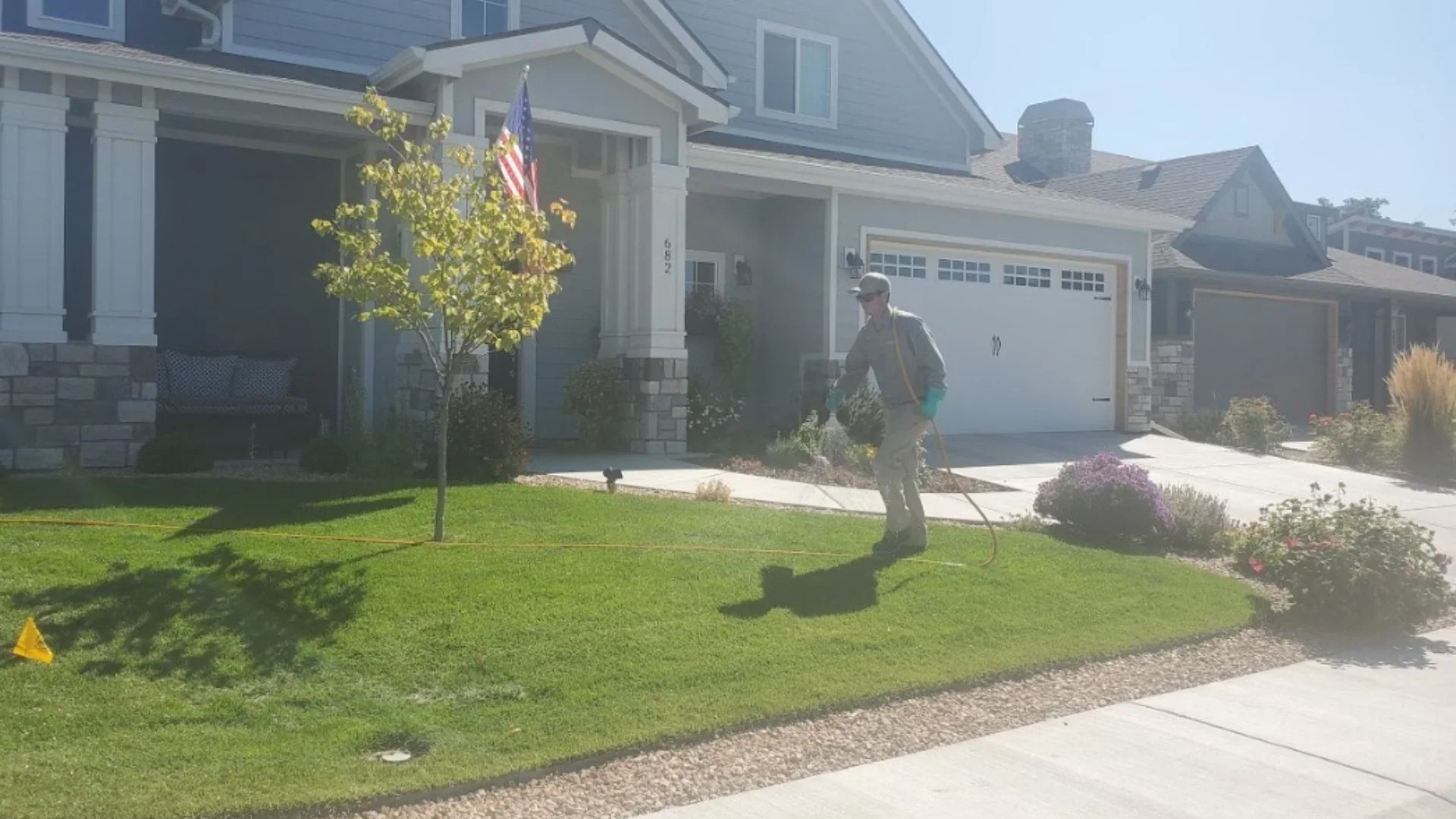
A dry shrub bed next to a green lawn tempts people to raise the turf stations. That usually makes the grass softer and still leaves the shrubs thirsty.
Mesa Turf Masters sees this pattern across Grand Junction and the Grand Valley. Lawn spray and drip irrigation are different systems. A clogged emitter, cut drip line, or bed valve that never opens will not improve because the turf rotor ran two more minutes.
This article is about reading a drip problem on its own terms before you touch the lawn clock.
Begin with the bed, not the turf controller
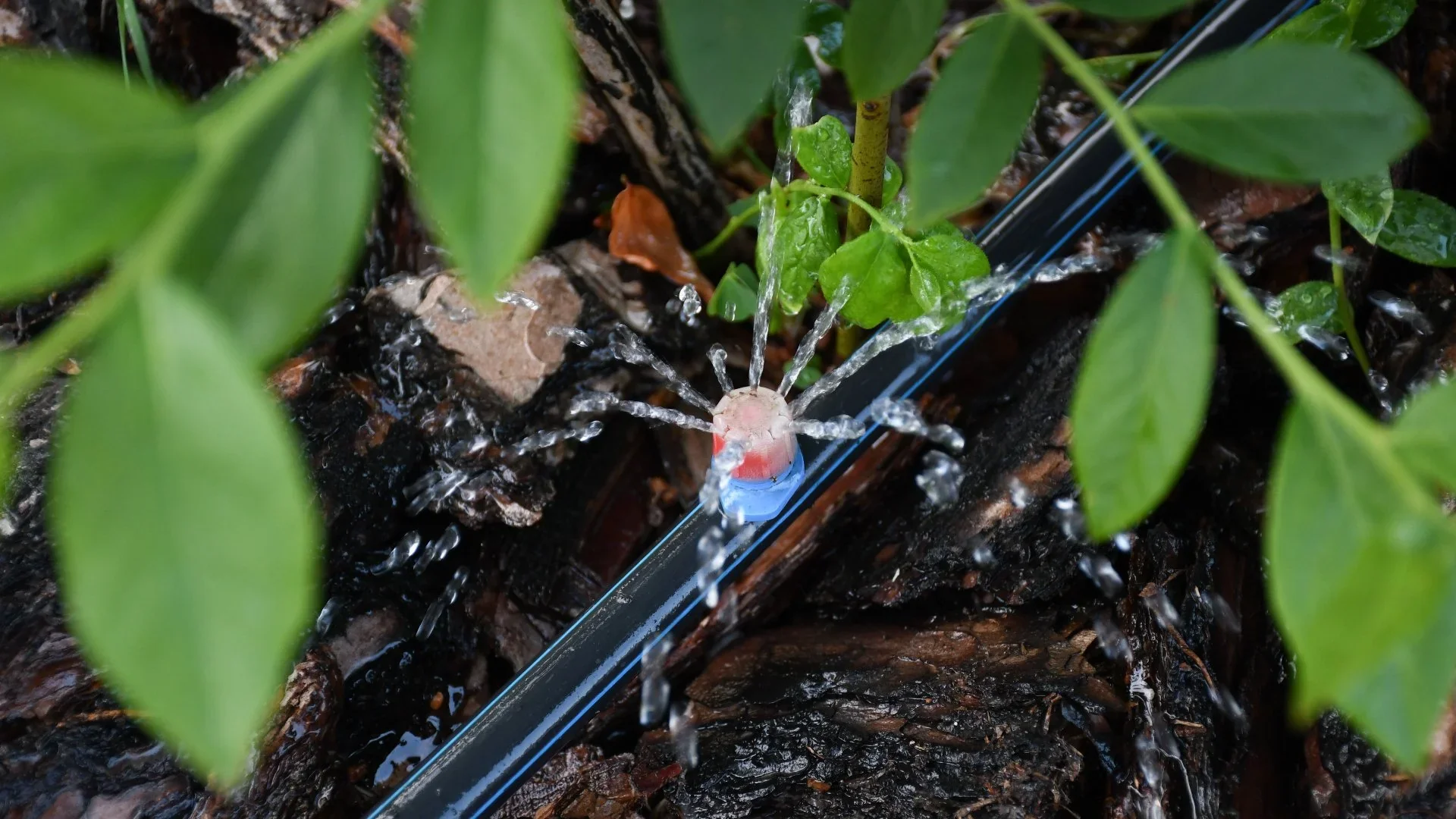
Walk the shrub bed while the drip zone is scheduled to run. Feel for wet spots at emitters, dry plants at the end of a line, and hissing or pooling that suggests a break. Note whether the bed shares a valve with turf. Shared valves are a common reason someone fixed shrubs by drowning lawn.
Photo the driest plants and the valve box if you can open it safely. Mention recent digging, edging, or rock work. Those jobs cut drip tubing more often than people expect.
Lawn water cannot replace drip design
Turf spray is built for shallow, even coverage on grass. Shrub roots sit in a different pattern and often need slower, targeted wetting. Raising lawn minutes throws water on leaves and hardscape while the emitter network stays failed. If the lawn then softens or shows disease, you have created a second problem.
Our irrigation service separates diagnosis by system. Pair that with tree and shrub care when plant health, not only hardware, needs eyes. Lawn color questions that are truly turf issues belong under lawn care, not as a workaround for dead drip.
What to record before the visit
- Which bed and which plants are dry
- Whether drip is on its own valve
- Recent landscape or edging work
- If turf run times were already raised
- Sun versus shade across the bed
Those five lines keep the technician from spending the first half hour undoing a lawn change that never touched the failure.
Confirm disease and insects separately
Dry shrubs can also show insect or disease symptoms. Do not stack a fertilizer round or a random spray on top of a watering failure. If foliage looks spotted or chewed while soil is dry at the emitters, say both. Tree and shrub insect and disease control is a different scope from opening a drip line.
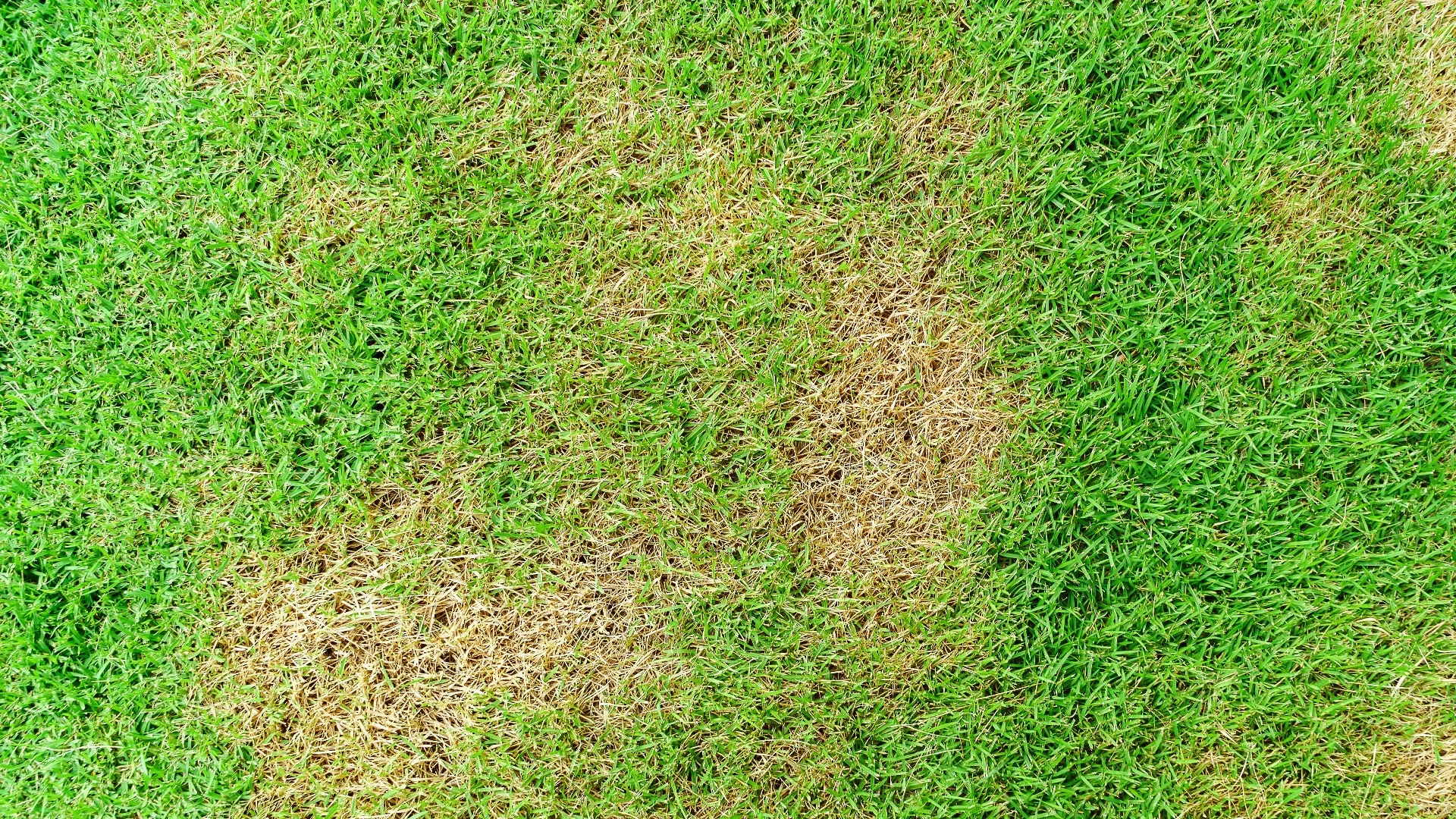
For turf that looks off after someone already added water, confirm disease patterns before another irrigation minute or fertilizer pass. Keep shrub drip and turf disease as separate stories on the same property.
Keep the closeout clear
After repairs, save which lines were fixed, which valve controls the bed, and the program settings left on the controller. If turf minutes were raised during the panic, return them to a sensible schedule once drip works again. Property managers in Fruita and Palisade benefit from the same clear handoff when several vendors touch rock beds in one season.
Call (970) 434-5440 or use contact with bed photos and valve notes. Grand Valley yards treat shrubs better when drip problems stay on the drip system.
Why Grand Valley beds fail in hot weeks
Western Colorado heat and wind dry shallow drip lines fast when an emitter is clogged or a line is pinched under new rock. The lawn can still look fine because turf stations put more water on grass than the bed ever received. That contrast is a clue, not proof that the lawn program should change.
Check the filter and end flush if your system has them. Grit from canal water and well water shows up in drip before it shows up in big rotors. A five minute flush can confirm a clogged network before anyone opens the turf controller.
When to call for plant care instead of only irrigation
If the drip runs and soil is moist but leaves still scorch, the plant may need a different look. Salt stress, borers, or a species that never fit the exposure can mimic drought. Ask for tree and shrub care with irrigation notes attached rather than another blind watering change.
A simple same-day test
Turn on only the drip zone for fifteen minutes. If the soil under problem shrubs stays dry while a wet spot appears mid-line, you likely have a break or disconnected emitter. If nothing gets wet, the valve or filter may be the issue. Write what you saw. That test takes less time than another week of guessing with the lawn clock.
Rock mulch hides tubing
Decorative rock can hide a sliced drip line for months. If a bed was refreshed with new rock and then declined, mention the date. Technicians know to probe under rock near the dry plants instead of only raising a neighboring turf station.