## August kochia is next spring's file
Late kochia on a Fruita gravel edge and in thin Grand Valley turf is a map, not a reason to fog the whole lot this week. The plants that made seed in August tell us where pre-emergent has to land next year. Panic-spraying drought-stressed kochia in 95 degree heat often fails and still leaves the seedbank.
Mesa Turf Masters wants the patches photographed now. Palisade orchard edges and Grand Junction street strips share heat. They do not share your kochia footprint.
## Draw the map before you buy a spring product
Walk the lot and mark gravel, the park strip, and any thin Kentucky bluegrass. Kochia loves disturbance and bare soil. A solid, irrigated rectangle that stayed clean is not the emergency. The open clay that cars packed is.
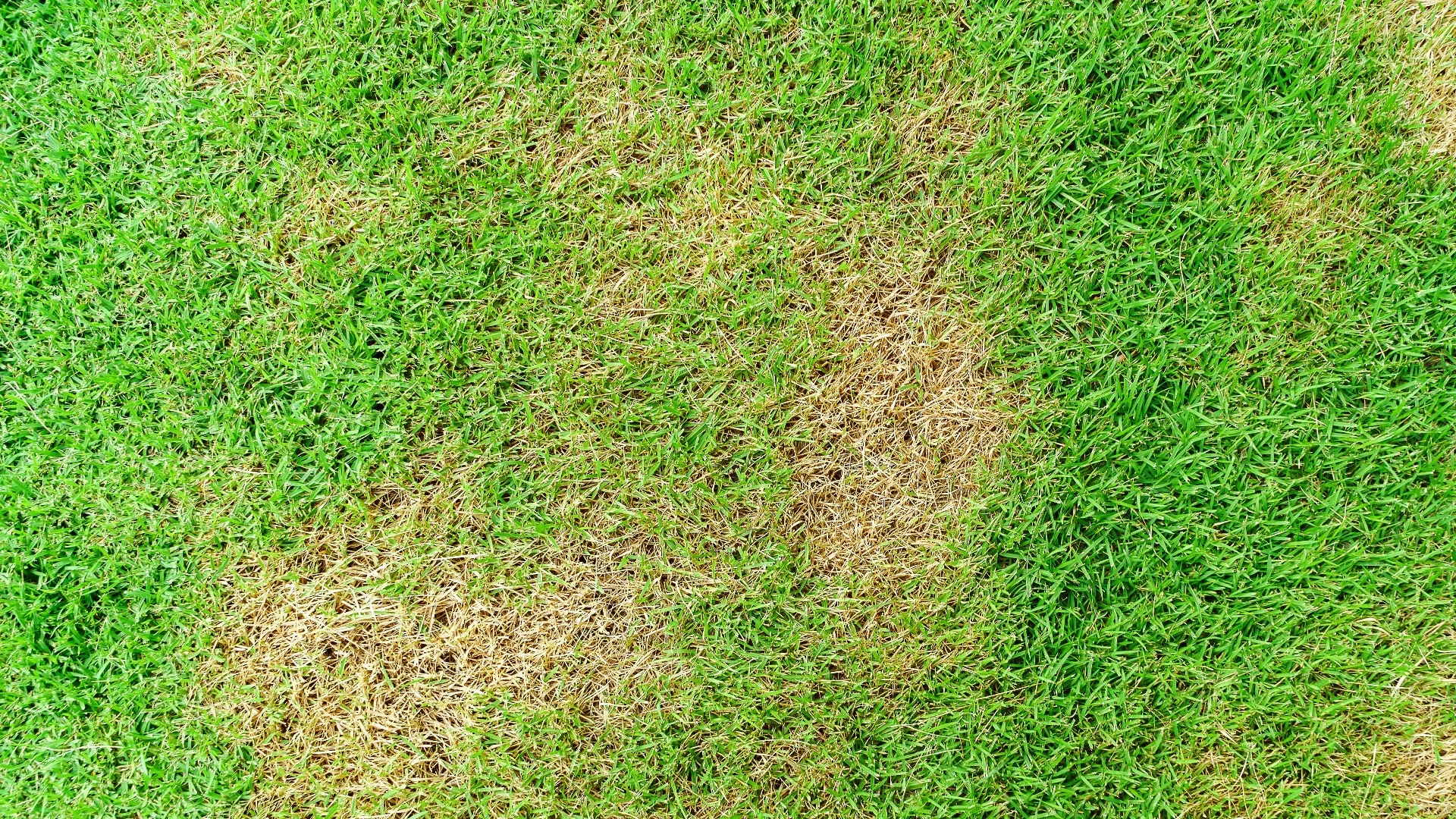
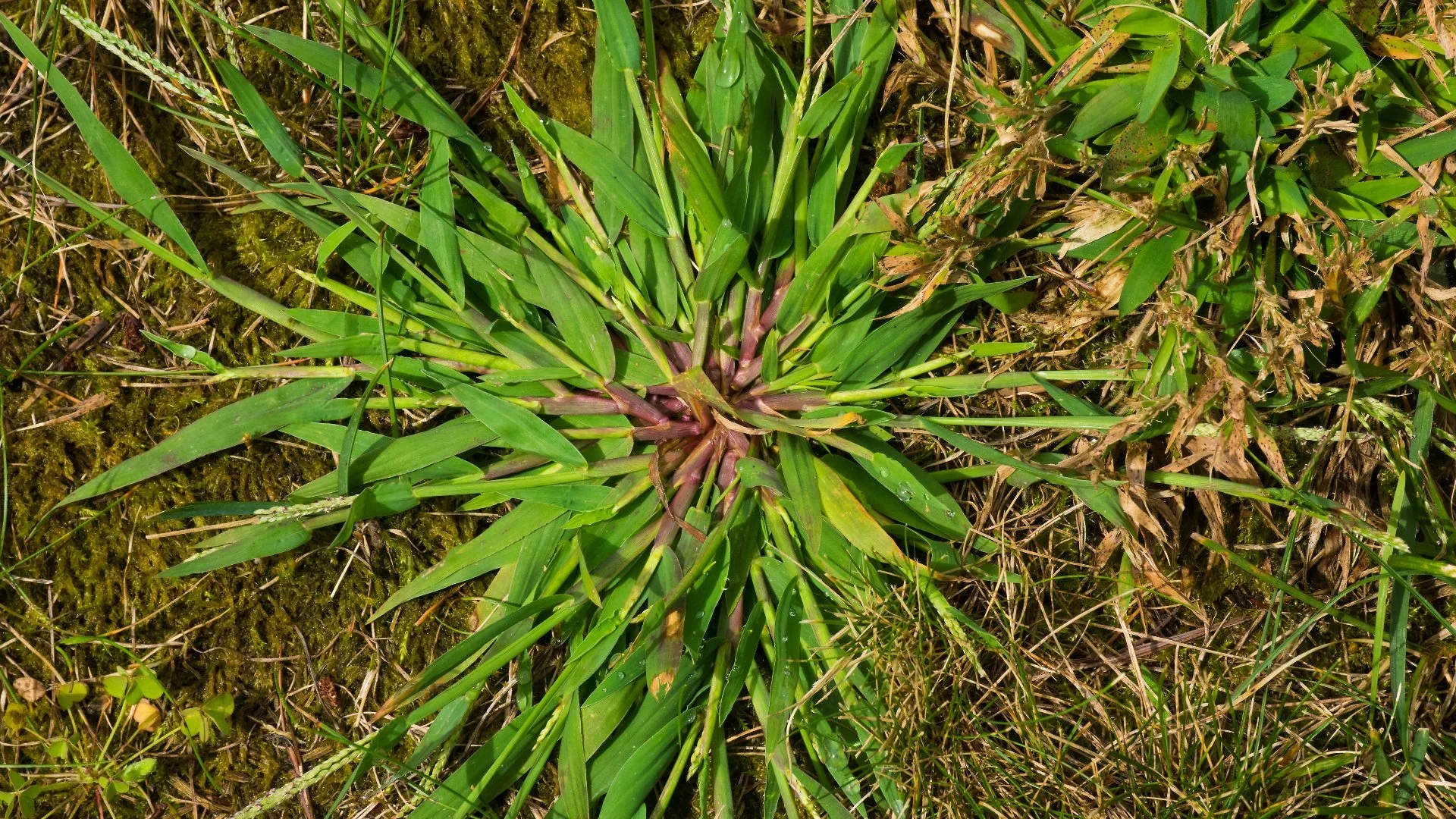
Photograph seed heads and the wide pattern. Note last year's pre-emergent if a ticket exists. If you never ran one, that is the file. Treating after seed drop without a density plan is a short win.
## Pre-emergent is a soil-temperature window
We will not hang a spring date on a holiday. Soil temperature and irrigation that actually moves the product into the surface matter more than a calendar square. Irrigation that leaves a dry park strip will not activate a barrier on that strip. Tell us who waters the HOA edge.
Post-emergent on toasted kochia in late August is often a waste. We would rather map, thicken turf where it can live, and set a real spring window.
## Closeout is a drawing
Which rectangles seeded, which we treated if any, and which wait for pre-emergent. Contact us with town, photos of the patches, and whether the lot is Fruita gravel, Palisade turf, or a Grand Junction park strip. The Grand Valley is one climate. Your kochia map is still one ticket.