## Wind and drip do not fail the same plant
Ash in Grand Junction wind and a drip-starved juniper are two files, even when both look dull in August. Treating the whole bed as one sick landscape is how you miss the plant that still has a chance. Mesa Turf Masters keeps specimen notes on Grand Valley lots because orchard wind, alkaline soil, and drip that plugged after a dust storm do not hit every shrub the same.
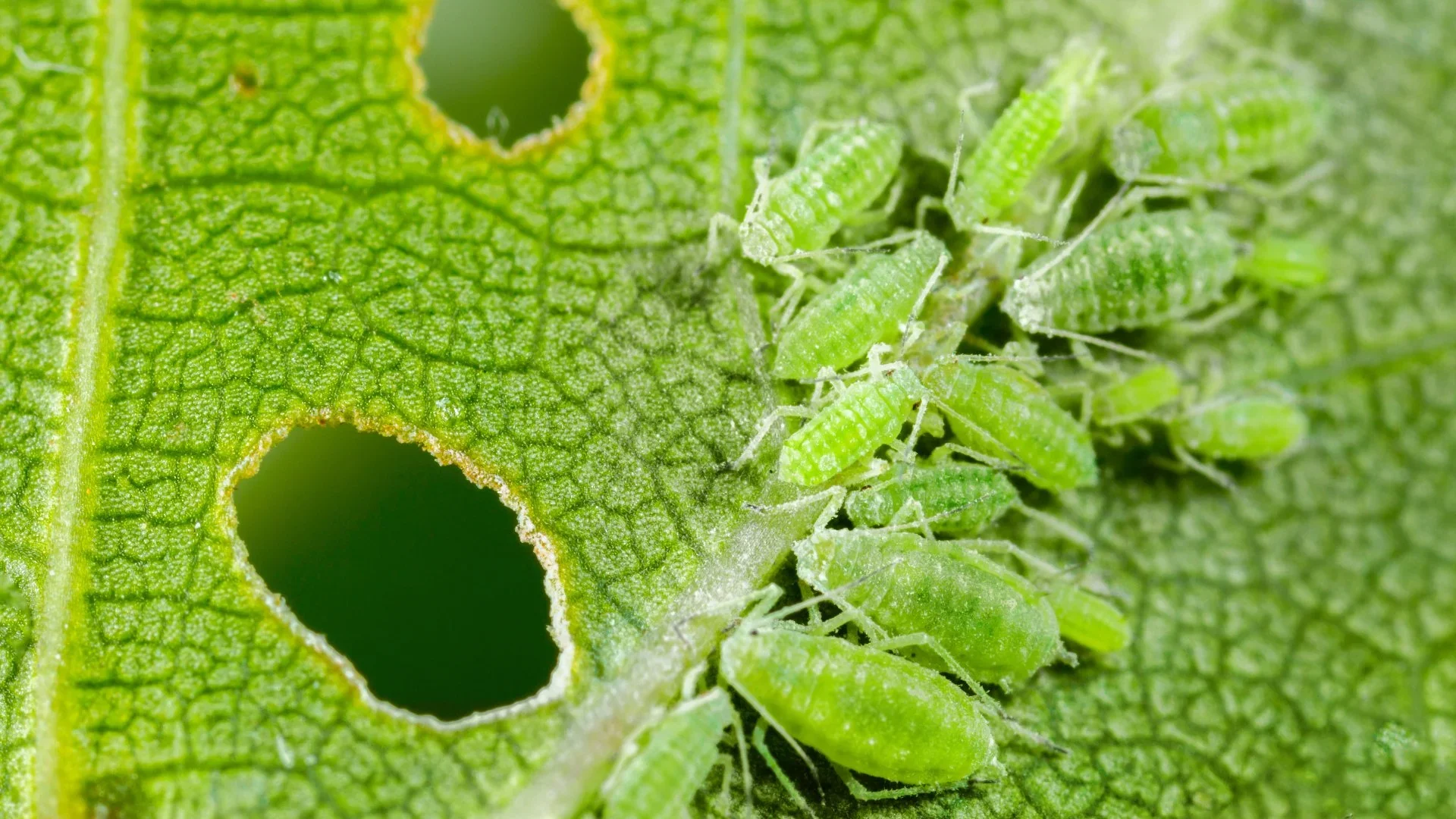
A Palisade courtyard can be an irrigation skip. A Fruita street hedge can be salt and wind. An ash with aphids is insects. Mixing those into one spray wastes chemistry.
## What we record
Species, side of the house, tissue, and timing. Photograph the worst plant and a healthy neighbor of the same kind. Note irrigation drip versus overhead, and whether construction staged on the roots. Vacant weeks then a flood of water show up as leaf drop after you return. That is drought, not an insect that arrived while you were gone.
We split feeding, insect work, and replacement. Lawn rounds should not be assumed to cover ornamentals. Closeout lists which plants were treated, which were diagnosed only, and which are replacements.
Send town, two plant photos, and what changed. The Grand Valley is one climate. Your juniper is still one plant.
## What a crew lead writes
Plant, limiter, treated or watched or replaced. A Palisade courtyard skip is not a Fruita street hedge in wind. Aphids on ash are a third file. Mixing them because they share a rock bed is how you waste a tank.
Dust storms plug drip. Vacant weeks then a flood of water show up as leaf drop after you return. Tell us both dates. The Grand Valley is one climate. Your juniper is still one plant on the ticket.