## When the water changes, the program is already old
Grand Junction turf that lost an irrigation station after a remodel cannot keep the same fertilizer round as last June. The product did not quit. The minutes did. Mesa Turf Masters treats that as a program edit for Grand Valley lawns, not a reason to stack extra nitrogen on a dry rectangle.
Cool-season and Bermuda mixes on the same Palisade lot do not take the same hours. Averaging them is how one side burns and the other stays dull.
## What usually changed
A remodel moved heads. A tree filled in. HOA traffic increased on one strip. Someone lowered the mower for photos. A valve sticks. Irrigation hours that still match May will cook August turf or drown a shaded strip.
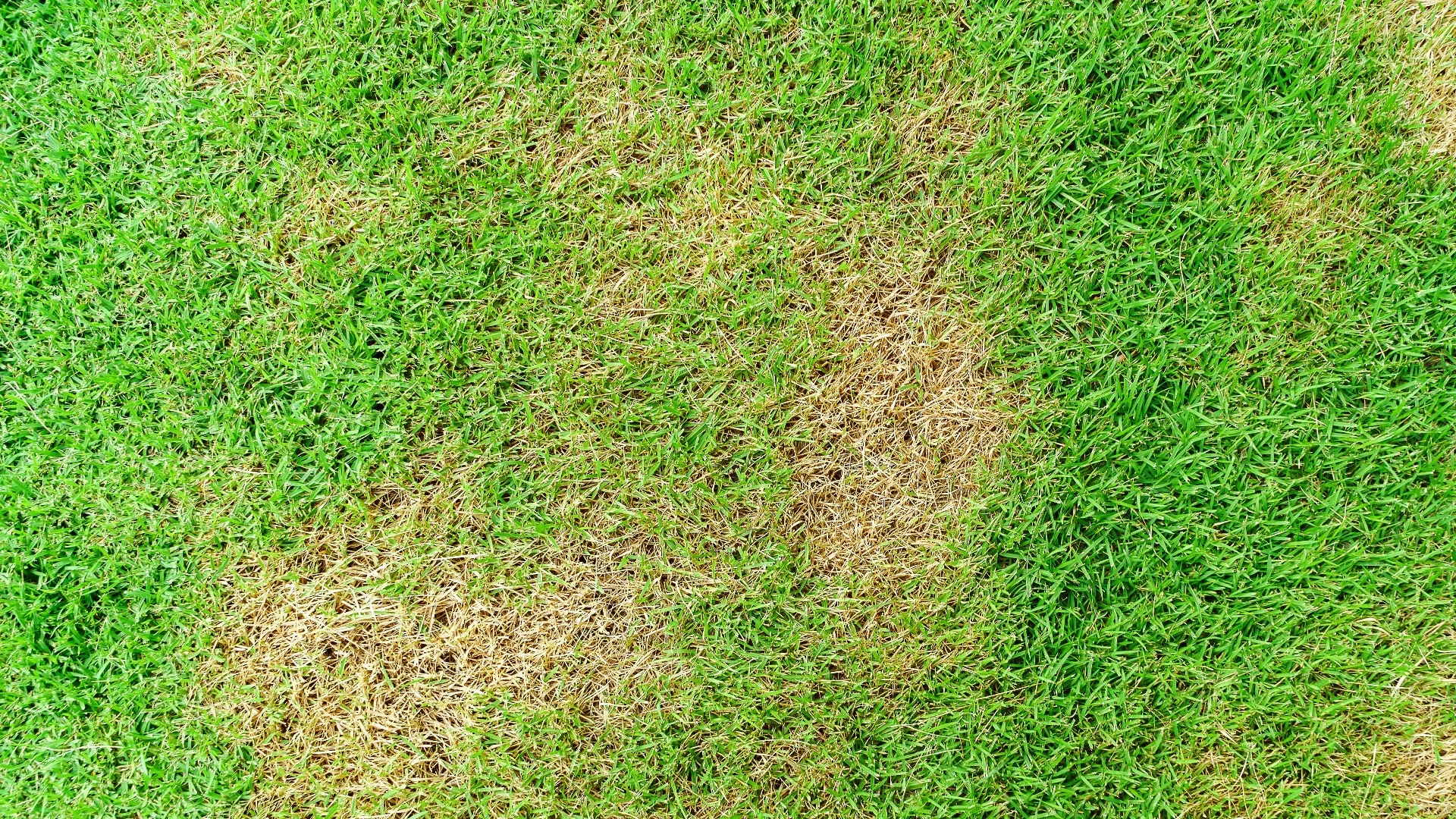
Write the project date, the last irrigation repair, and when color stopped matching. Photos of thin next to thick beat a complaint that the program failed.
## Split the yard
We would rather run two targets than one average. Traffic strips may need a height change, not more fertilizer. Shade may need less water. Pest work along a new rock edge is a separate file.
Approve the new target in writing. Closeout records hours, traffic, shade, and settings. Next season we compare that file. Fruita, Palisade, and Grand Junction share heat. They do not share your controller. The controller is usually the edit.
## Judge one rectangle
If the dry station is the problem, success is coverage, not a greener photo of the whole front yard. If shade is the problem, success is a higher cut and fewer minutes. Write that so nobody argues in September.
A remodel, a new rock bed, or a putting green changes throw and soil temperature. Send that with the photos. Mesa Turf Masters would rather drop a round that no longer fits than keep billing it because it is on the card. Fruita, Palisade, and Grand Junction share heat. They do not share your controller.