Coordinating irrigation and fall lawn treatment can sound more complicated than it needs to be. The topic becomes much clearer when it is connected to your actual lawn, the way it is used, and the result you are trying to achieve. Grand Valley heat and low rainfall make irrigation performance a major part of turf response. From there, the important details can be discussed in plain language without a long list of technical possibilities.
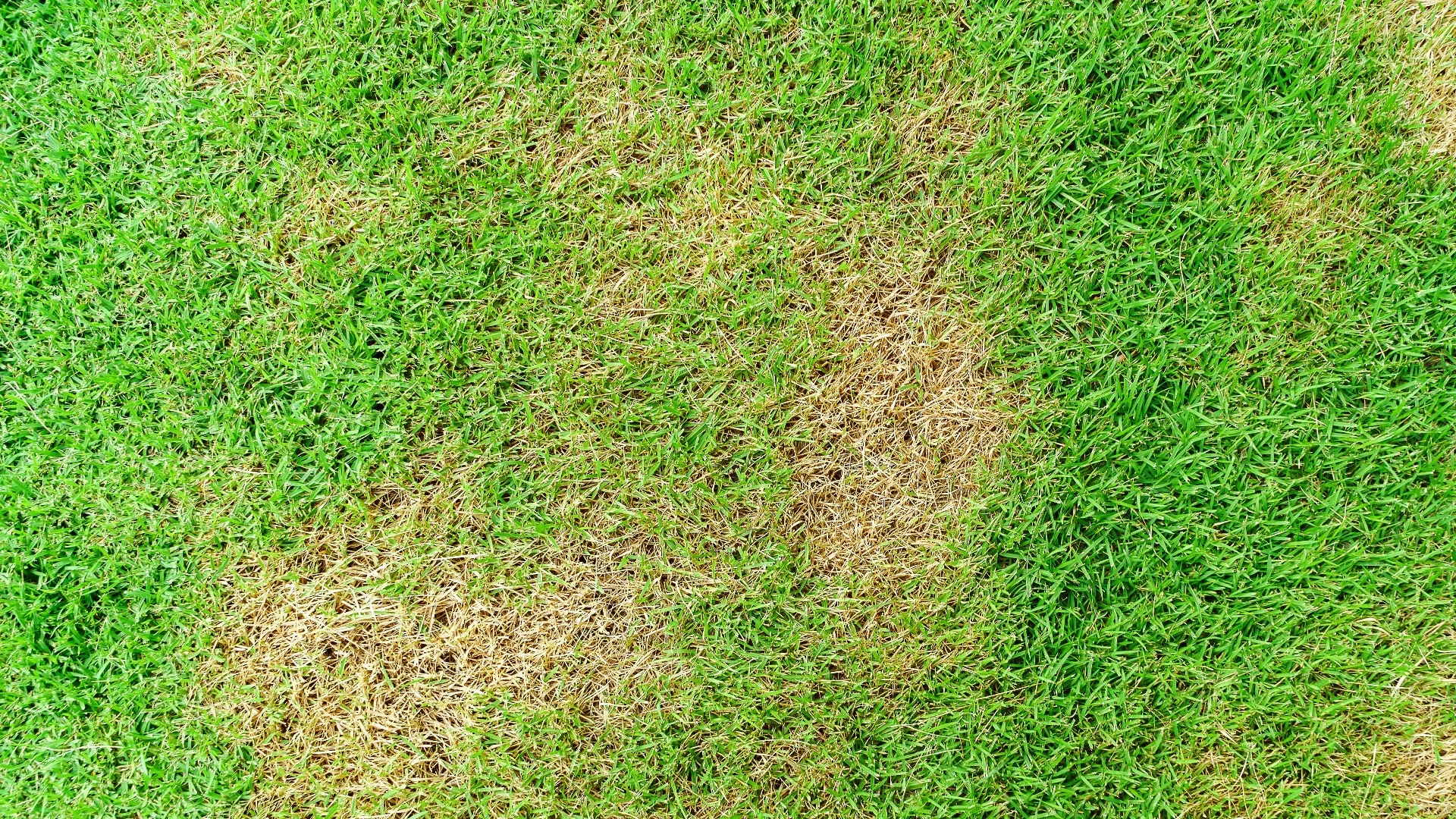
A thin, brown, or uneven area of turf can have more than one cause. Looking at soil moisture, head coverage, and runtime helps separate the visible pattern from the conditions below and around it. Recent weather, mowing, watering, and earlier treatments add context. The goal is to avoid treating one possibility while a different issue continues to stress the lawn.
The review should also include dry edges, mowing height, and turf density. These details can make damage look worse, slow recovery, or create a pattern that resembles insects or disease. Considering them does not mean every lawn problem has a long list of causes. It simply helps make sure the treatment matches what the turf is actually experiencing.
A tempting first answer is feeding turf that cannot use nutrients evenly because watering remains inconsistent. The problem is not that this is always wrong. It is that the answer can be incomplete when the surrounding setup tells a different story. A little context makes it easier to keep a focused job focused and recognize when another detail truly changes the plan.
Take a few close photos and one wider photo before changing mowing, watering, or treatment. The wider view helps show the pattern, while the close view preserves leaf and soil details. You do not need a formal report. A few clear notes or photos related to soil moisture, head coverage, and runtime can make the first conversation far more useful.
## Before You Schedule Service
Timing may influence what can be seen during the property visit. Weather, occupancy, seasonal use, or recent work can temporarily hide or exaggerate a condition. If the concern comes and goes, a dated photo or a short note about when it appears can help. That is especially useful for coordinating irrigation and fall lawn treatment, because the most informative condition may not be active when the appointment begins. When reviewing coordinating irrigation and fall lawn treatment, keep any follow-up tied to a clear change involving turf density.
The main decision is whether irrigation correction, treatment, aeration, or seeding should lead the fall plan. A helpful recommendation should explain that choice in terms you can use: what will change, what will remain the same, how the work may affect your day, and what kind of maintenance or follow-up to expect. If two options are presented, the difference should be more meaningful than a basic-versus-premium label. You should be able to see what each option is intended to accomplish.
If the explanation starts to feel too technical, bring it back to three points: what is happening around soil moisture, what role head coverage plays, and what you will need to know about turf density later. Clear answers to those questions are usually enough to understand the plan.
Not every nearby condition belongs in the work. If part of the lawn is already serving the lawn well, leaving it alone may be the most sensible choice. Clear boundaries help keep coordinating irrigation and fall lawn treatment focused on the result you actually need.
When you contact us about coordinating irrigation and fall lawn treatment, we start by listening to what you have noticed and what you want to improve. From there, we look at the related conditions and explain the next step in plain language. If something cannot be confirmed during the initial property visit, we will say so. You should come away knowing what we recommend, why it fits, and what happens next.
You do not need to become an expert in coordinating irrigation and fall lawn treatment before asking for help. Start with the way your lawn is used and the change you want to see. From there, details such as soil moisture, head coverage, and runtime can be put into context and turned into a plan that is understandable, useful, and appropriate for your lawn.