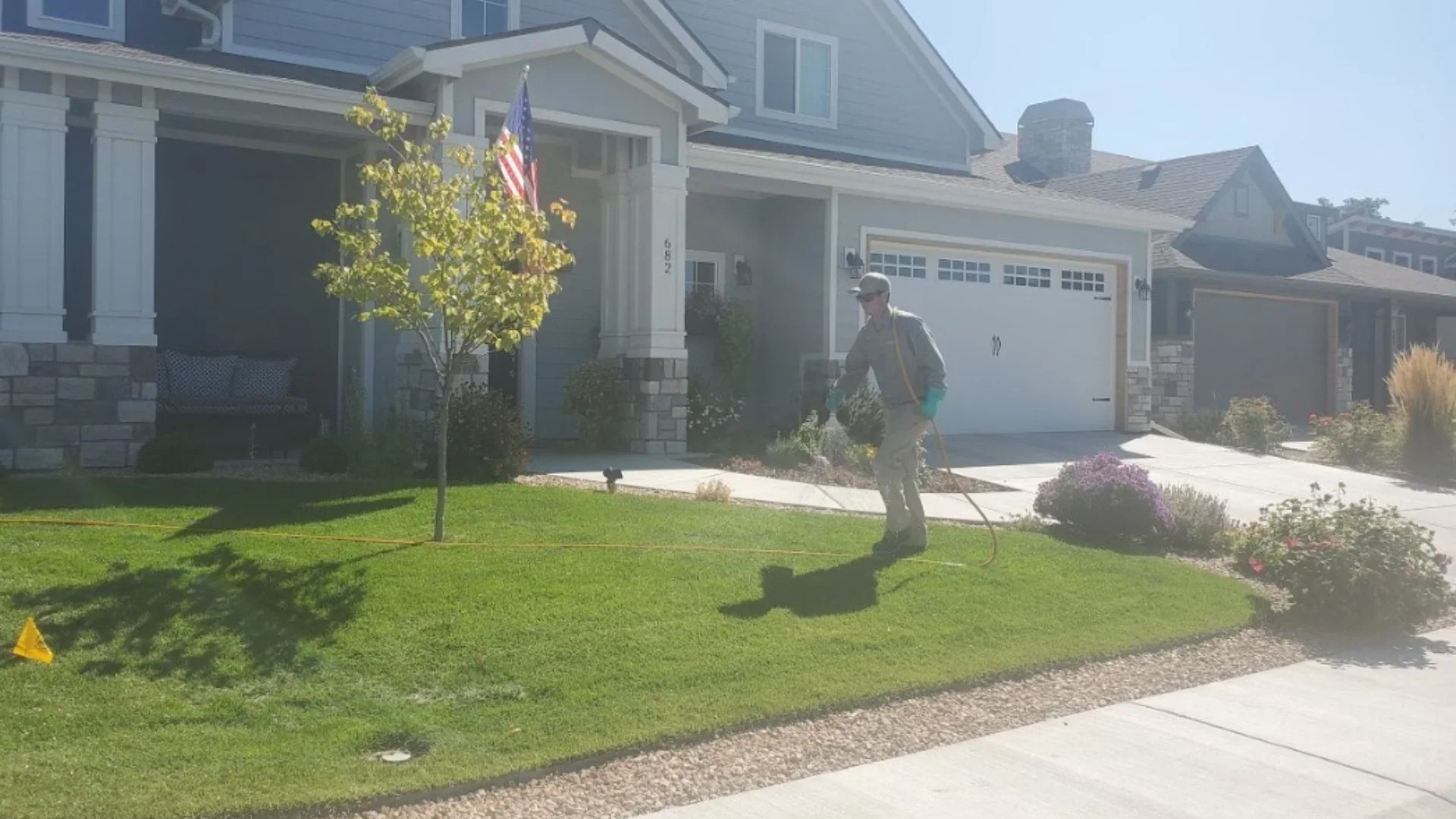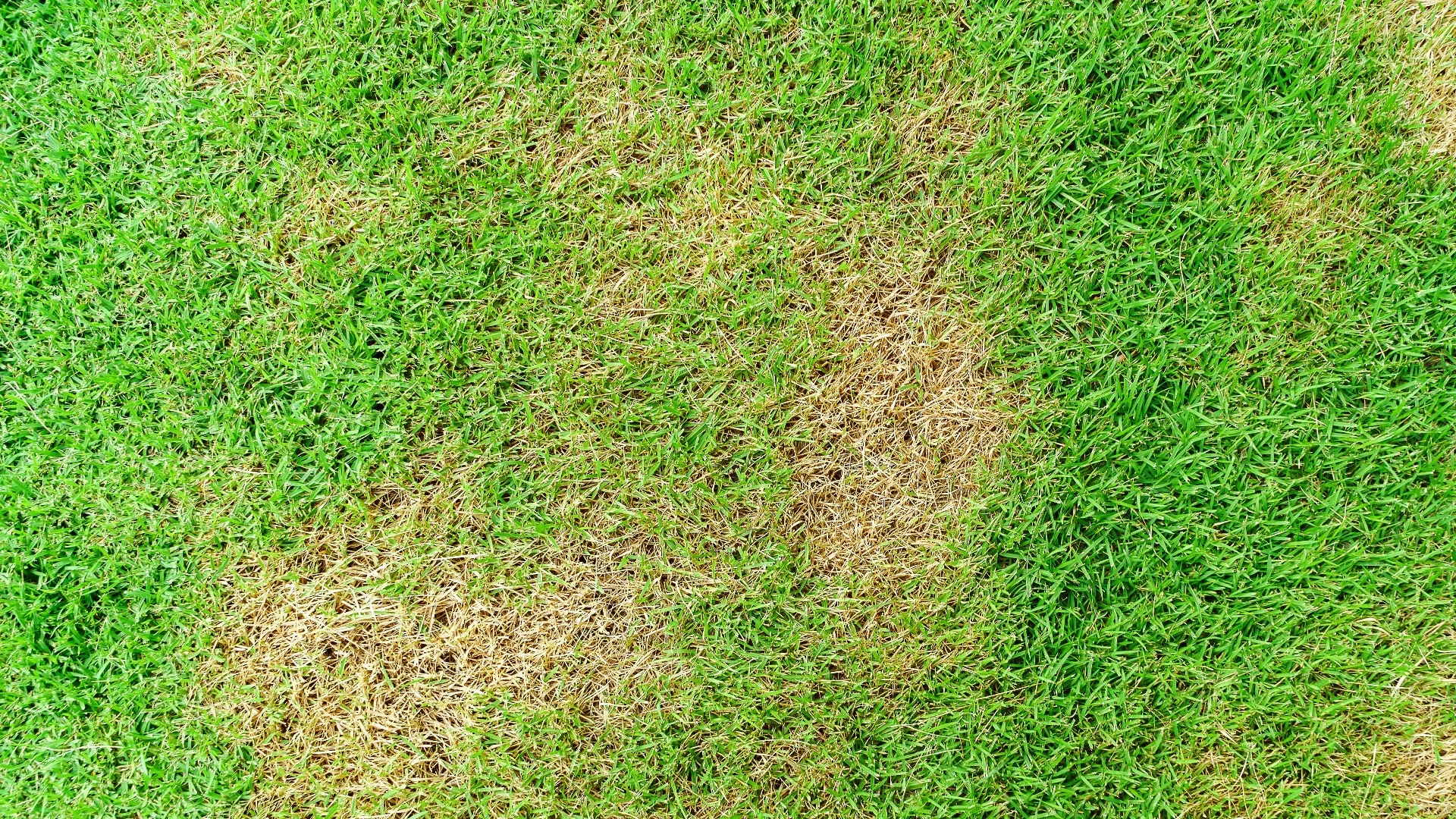
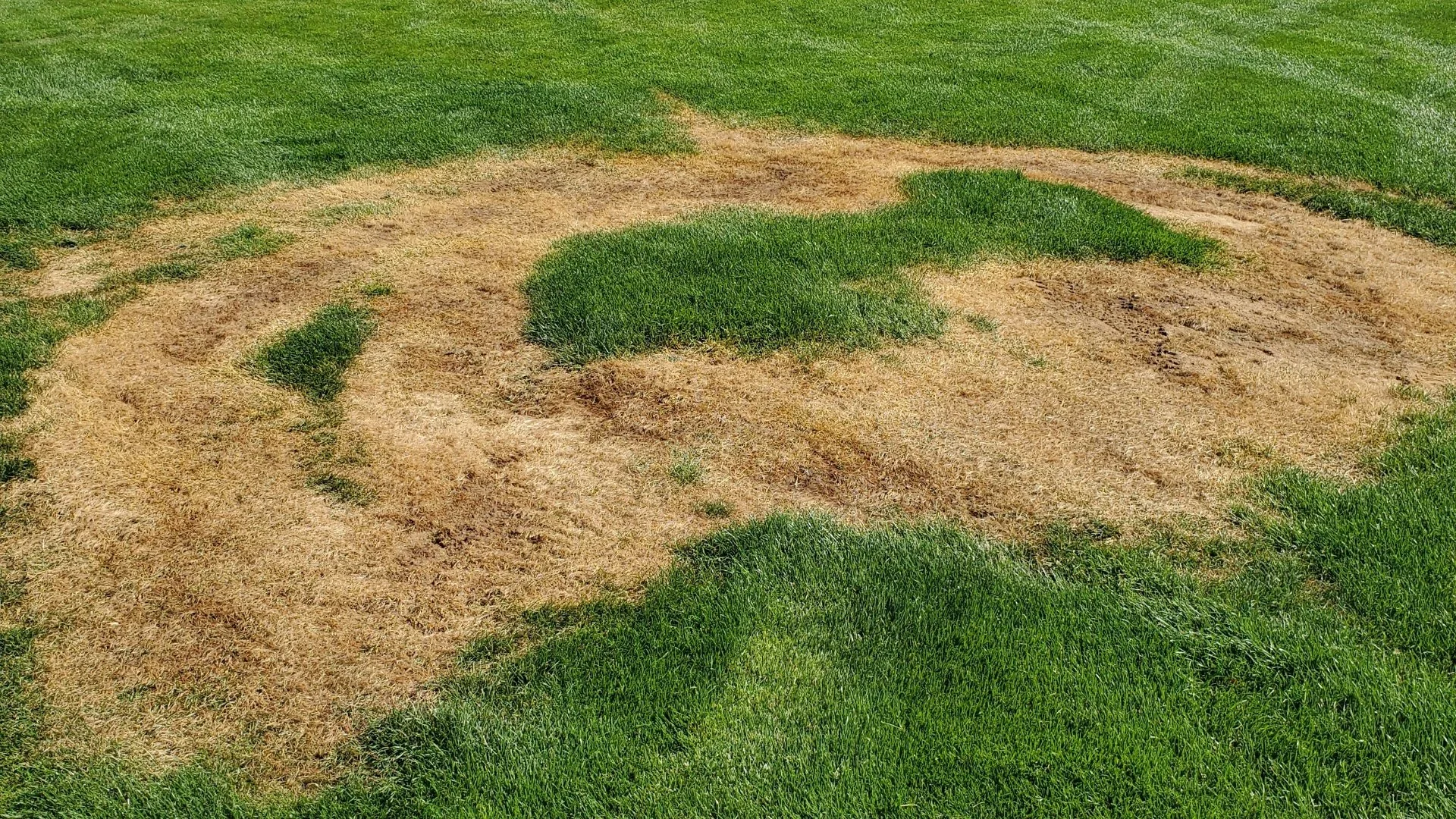
Brown patches invite two expensive guesses: more water and more fertilizer. Either one can make lawn disease worse when the stand is already wet, soft, or stressed in heat.
Mesa Turf Masters wants Grand Valley homeowners to confirm disease patterns before they add irrigation minutes or another feeding. Some brown areas are coverage gaps. Some are traffic. Some are insects. Some are disease that thrives when nights stay humid and the lawn never dries.
Start with pattern and timing
Photo the patch in morning and late afternoon. Note whether it follows a sprinkler arc, a mower turn, a dog path, or a random blotch inside otherwise green turf. Circle whether the grass pulls up easily, feels slimy, or shows distinct leaf lesions. Write the last irrigation change and the last fertilizer date.
That short record matters more than a product name remembered from a shelf label. Our lawn care visits use those clues before anyone recommends chemistry or cultural changes.
Irrigation mistakes can look like disease
Heads that create wet rings, low spots that hold water, and evening schedules that leave leaf wet overnight all favor disease. Adding minutes to green it up deepens the problem. Check coverage in daylight first through irrigation service. Fix throw and puddling before you blame the cultivar.
If you already raised run times and the patch spread, say so. That history changes the first visit. A dry shrub bed next door is a different system, so do not drag turf disease into a drip repair without separate notes.
Fertilizer is not a rescue spray
A heavy feeding on a diseased or heat-stressed lawn can push soft growth that fails faster. Fertilizer timing belongs in a program, not a panic. When the stand is thin for other reasons, renovation tools may matter more than another bag. Keep pest questions separate too. Pest control and grub work follow insect evidence, not a brown photo alone.
What to send before we walk the lawn
- Wide and close photos of the patch
- Mowing height and recent irrigation changes
- Fertilizer dates if known
- Whether pets or traffic use the area
- Neighborhood and sun exposure
Use contact or call (970) 434-5440. Fruita, Palisade, and Grand Junction lawns share heat stress, but shade and irrigation layouts still differ lot to lot. Browse related reading on the blog when you want more seasonal context before the visit.
Closeout should name the finding
After the visit, keep the diagnosis, cultural changes, and any treatment timing in one place. If the answer was coverage, the closeout should not read like a disease program. If disease was confirmed, the closeout should say what would make a relapse likely, including evening water and thatch.
Confirm first. Then choose water, fertility, or treatment on purpose.
How heat and evening water stack the deck
Grand Valley nights can stay warm enough that a late irrigation cycle never fully dries before morning. Disease likes that window. Moving water earlier and splitting cycles often helps more than a product when the pattern matches wet rings and soft leaf tissue.
Mowing height matters in the same week. Scalped turf in heat looks brown and invites opportunistic disease. Note your deck height in the service request so we are not diagnosing a cut problem as a pathogen.
When renovation belongs later
If large bare areas remain after disease and irrigation are handled, seeding or sod may be the next phase. That is a different scope from a midsummer disease visit. Keep the closeout honest about what recovered and what still needs a fall renovation conversation.
Neighborhood clues are not a diagnosis
A neighbor lawn that greened after fertilizer does not mean your patch is a fertility problem. Their irrigation, shade, and grass type may differ. Bring your own photos and water notes. We would rather confirm a local pattern on your controllers and soil than copy a product that worked three doors down.
Dog urine spots and dull blades
Round yellow spots with green rings can be urine damage rather than disease. Dull gray tips after mowing often point to a dull blade. Name those possibilities in your notes if they fit. Accurate first guesses save a product application the lawn did not need.
Take the controller out of night mode while you sort it
If the lawn stays wet at sunrise, shift start times earlier for a week while we diagnose. That cultural change costs nothing and often slows spread before any product is discussed. Tell us what start times you used so the visit compares apples to apples.
Send the notes the same day you see the patch
Disease clues change after heat and mowing. Fresh photos beat a memory from last weekend. The sooner the pattern is recorded, the clearer the first visit becomes.