## Torn sod is a question, not a diagnosis
A Palisade side yard torn overnight by a skunk looks like grub damage from the porch. Soft soil after irrigation also makes digging easy. We lift a square at the edge of the torn turf and look for larvae in the root zone. No larvae, no grub chemistry. Treating because wildlife ate something is how you buy a product for a food source that was worms, not white grubs.
Mesa Turf Masters wants that lift test on Grand Valley lots before the tank. Fruita and Grand Junction share skunks. They do not share your root zone.
## Shape of the damage matters
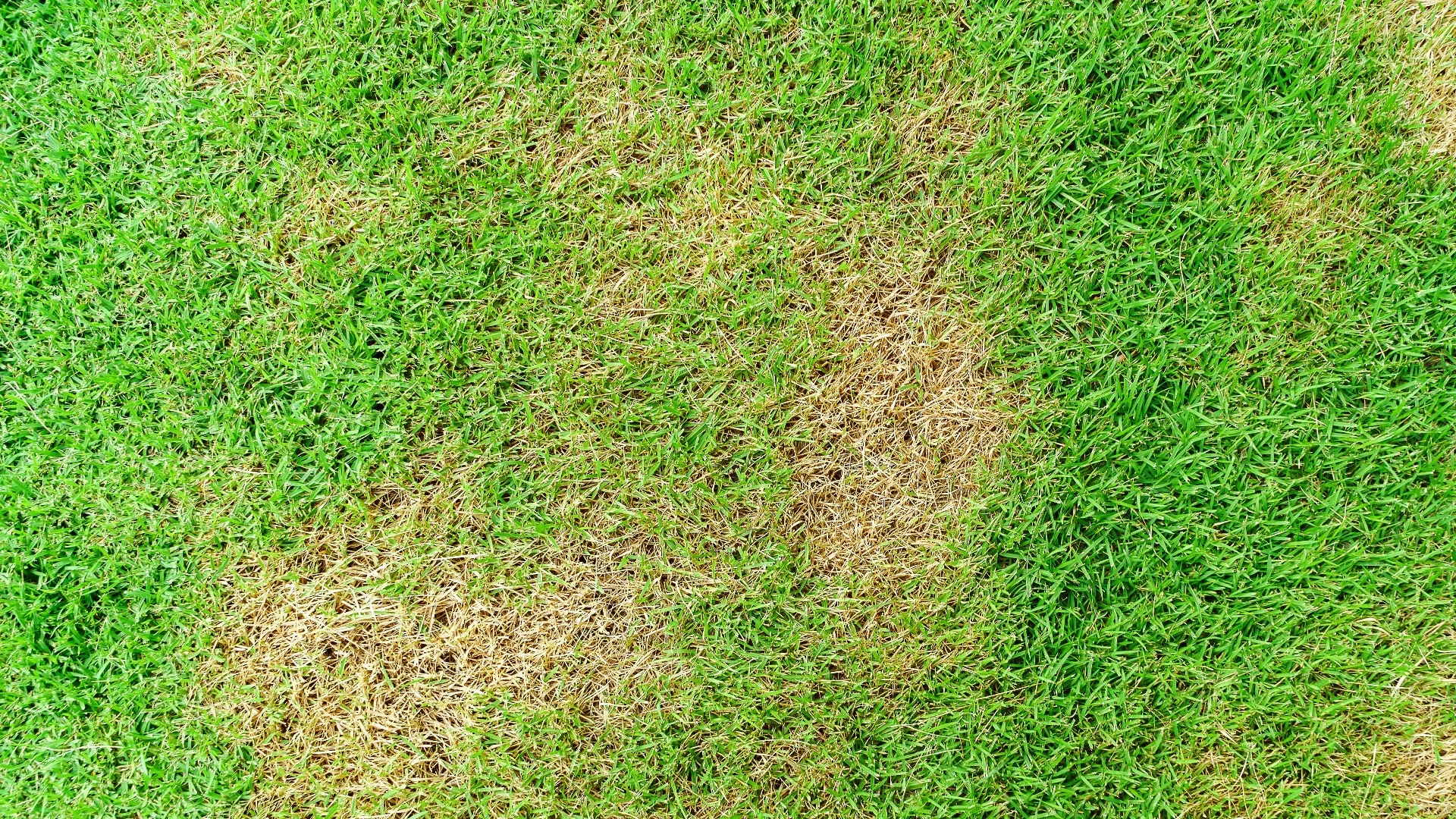
Grub feeding often lifts like a carpet. A skunk hole can be a punched opening with sod flipped. Irrigation that left the strip spongy invites digging even when grub counts are low. Photograph the torn area, the nearest head, and whether the rest of the lawn still sits tight.
If you already treated last year and still got a skunk week, say so. That history can mean the food source was never grubs, or that pressure returned. We will not stack a second product on a porch guess.
## Repair and treatment are different lines
Dead turf still needs repair if the stand is gone. Chemistry does not invent grass. If we confirm grubs, we will say the window and who keeps pets off the strip. If we do not confirm them, the ticket is wildlife pressure and maybe a coverage fix, not an insect story.
## Closeout names the count
Larvae found or not, square location, and whether a skunk is still working the strip. Contact us with town, a photo of the torn sod, and whether it lifts. Palisade clay and a Grand Junction park strip are two soils. Your lift test is the file.