Palisade sits in the heart of the Grand Valley with orchards, open wind, and residential lots that mix lawn, rock, and mature trees on the same property. Soil and water here do not behave like a flat Grand Junction subdivision lot. Berm corners dry faster below fruit trees. Irrigation from orchard-era layouts may not match how you use the backyard today. Mesa Turf Masters has served Palisade and Western Colorado since 1992 with lawn care, irrigation, and tree and shrub care tuned to local conditions.
This guide outlines practical priorities Palisade homeowners use through spring startup, summer heat, and fall shutdown—not a generic national lawn calendar.
## Turf choices and realistic expectations
Many Palisade lawns include cool-season grass in shade and bermudagrass in full sun. Mixed yards need split thinking on mowing height, fertilization, and irrigation. Bermudagrass thrives with summer heat when water is consistent; tall fescue holds color in shade but struggles in open afternoon sun without coverage.
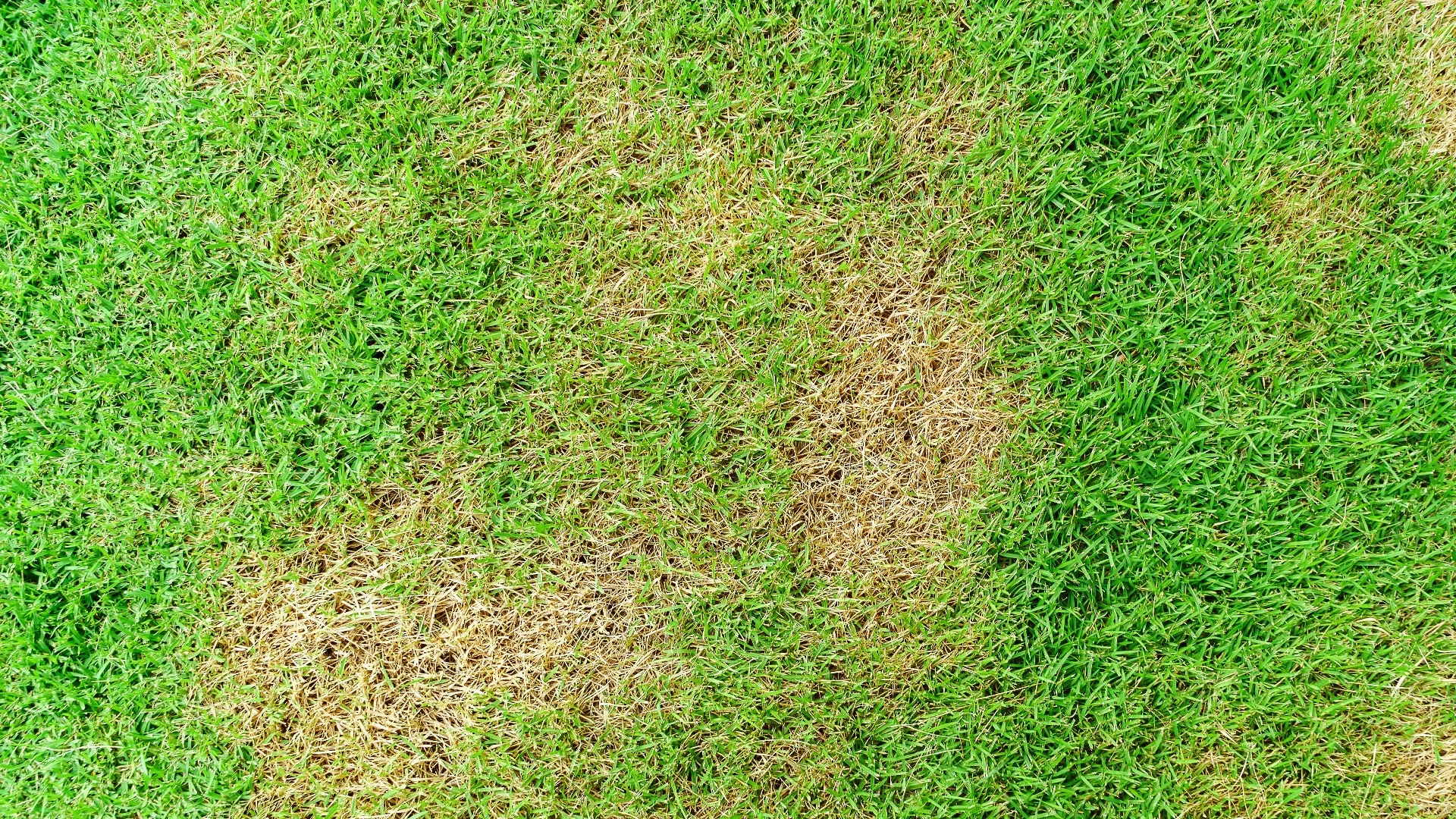
If color splits appeared in May, read Why Your Lawn Shows Different Colors in May. Palisade wind accelerates dry wedges on west berms the same way it dries orchard rows.
## Irrigation in a fruit-town microclimate
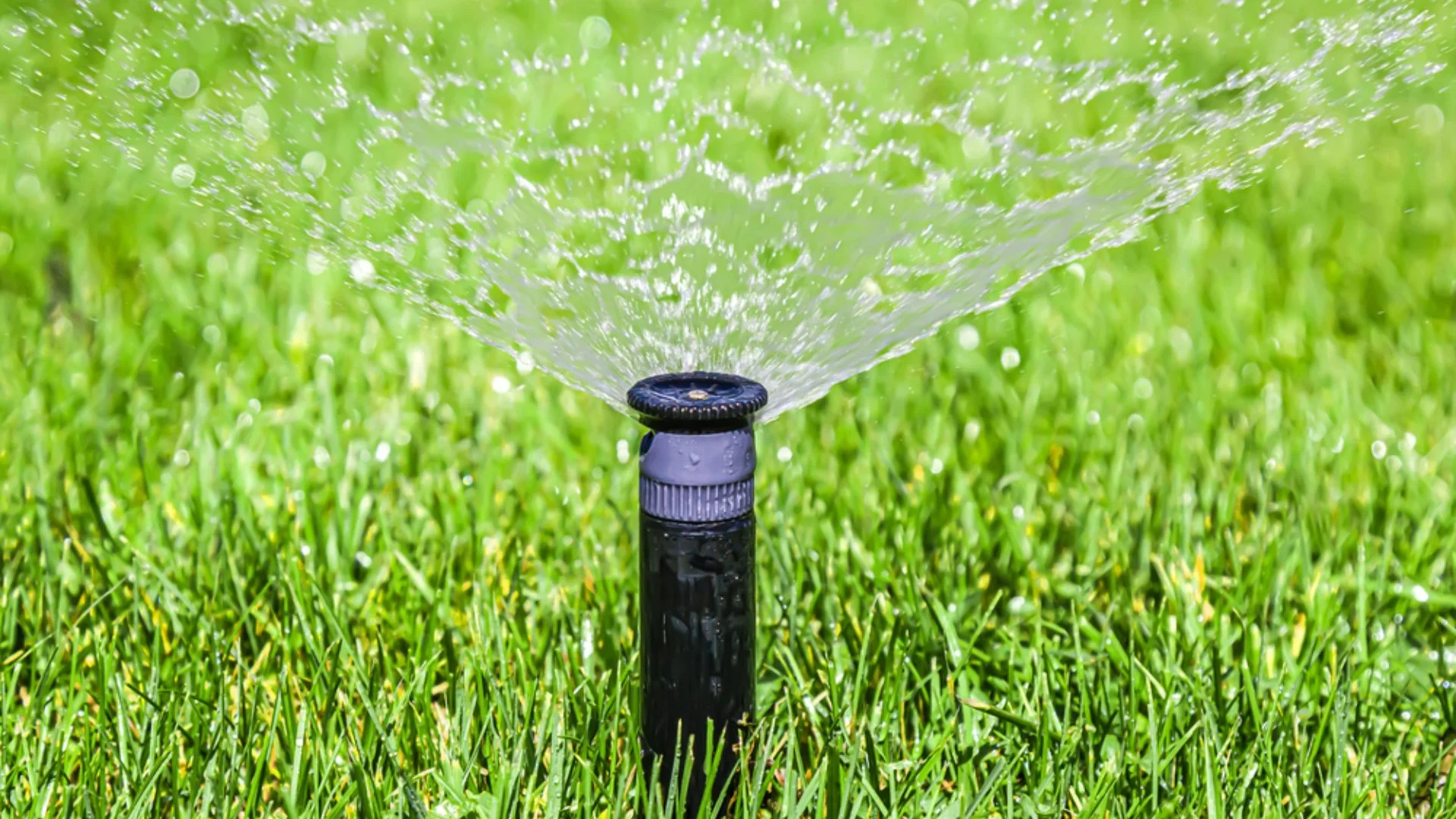
Palisade properties often share ditches, wells, and aging spray layouts. Irrigation startup should verify every zone after April Wind and Irrigation Startup in the Grand Valley shifts heads before June demand. Split cycles help on clay and loam combinations where single long runs puddle low spots while berms stay pale.
Drip under trees and spray on turf should not run on one assumption about depth. Trees need deep soak; grass needs frequent shallow rooting moisture. Irrigation repairs when pressure drops at the far end of the lot pay off quickly during peach season when household water use also rises.
## Nutrition and weed control
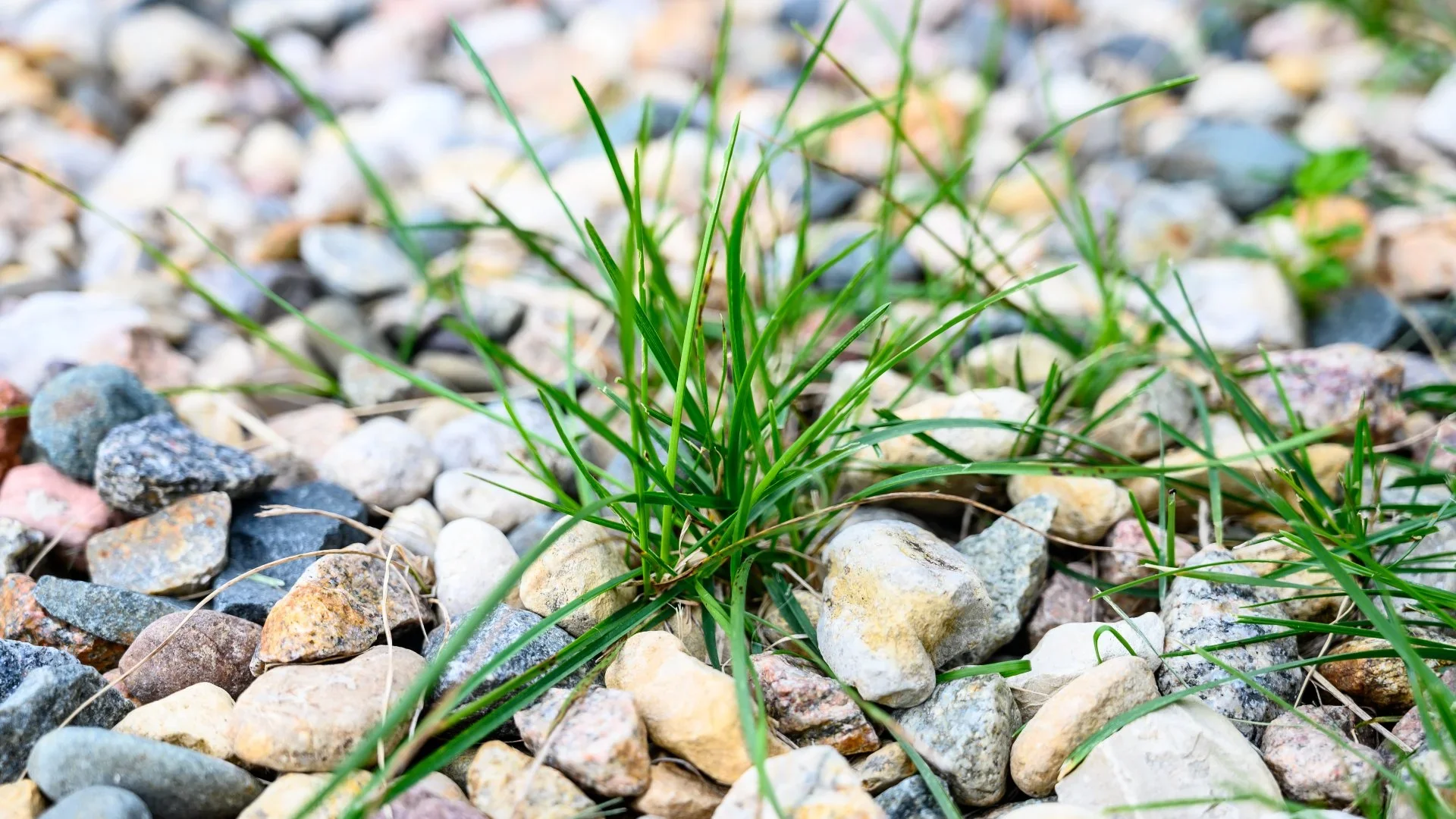
lawn fertilization timed to growth avoids burning stressed turf before cherry and peach harvest weeks when you are busy elsewhere. Weed control on turf and rock weed control on desert transitions keep tumbleweed and mustard from seeding the next wind event.
Pre-emergent timing for Grand Valley weed prevention applies to Palisade with local adjustment for warmer early spring near stone fruit blocks. See Pre-Emergent Weed Control Timing in the Grand Valley.
## Trees, shrubs, and lawn together
Palisade lots often include producing or ornamental fruit trees whose shade and root competition change turf beneath the canopy. Tree and shrub fertilization and plant trimming reduce branch breakage before winter wind. Ash bark beetle treatment matters on ash used as shade trees along driveways.
Iron chlorosis on maples shows yellow leaves with green veins. Iron Deficiency and Yellow Leaves on Grand Valley Maples applies directly when turf looks fine but street trees do not.
## Pests and heat on open lots
Summer insects hit bermuda edges and fescue on separate schedules. Evening Watering and Summer Lawn Insects in the Grand Valley and lawn insect control integrate with how Palisade homeowners often water at night when wind drops.
Perimeter pest control helps when ants and spiders move from rock and desert edges toward patios used during harvest dinners.
## Seasonal cleanup and upgrades
Spring yard cleanup clears orchard leaf litter and winter debris that hold moisture against crowns incorrectly. Fall irrigation winterization protects lines before hard freezes return to the valley floor.
Projects like mulch installation, landscape curbing, and rock installation should include how water moves afterward—Landscape Drainage Tips for High Desert Properties is worth reading before regrading near outbuildings.
## Working with a local crew
Palisade homeowners benefit from crews that know Grand Valley seasons without treating every lot like downtown Fruita turf. Document your zones, tree locations, and problem berms once; reuse that map each season.
Mesa Turf Masters provides lawn, irrigation, pest, and tree services across Palisade and the Grand Valley. Call (970) 434-5440 or request a quote to plan Palisade turf and landscape care for your property. Start at #quote with a short note about trees, turf mix, and irrigation age.
## Harvest-season scheduling
Peach and cherry harvest weeks compress homeowner attention. Schedule irrigation repairs and lawn insect control before those windows when possible so brown edges do not wait until you have time in August. Palisade wind during harvest can dry berms in a single afternoon; a controller that still reflects May minutes will show stress fast on open turf.
If you share ditch or well water with agricultural use, note pressure changes on your log so crew visits match reality—not an ideal test day from April.
## Winter shutdown checklist
Fall irrigation winterization protects lines before hard freezes return to the valley floor. Blowout timing matters for properties that still need winter tree watering on dry years—trees and turf should not share one vague assumption about when water stops.