We already have a regular fertilization program.
In fact, we have three versions of one.
The Basic, Premium, and Master programs all follow a six-round schedule through the growing season, with differences in root-enhancement treatments, aeration, and other program details. Those options live under lawn fertilization.
So why do we also offer something called Lawn Revive?
Because it is not intended to be another fertilizer visit squeezed between the regular ones.
We describe Lawn Revive as a summer add-on for turf dealing with heat, drought, or related seasonal stress. The current formulation includes moisture-management products, beneficial bacteria, and complementary components, and we offer it from May through August up to four times per year when appropriate.
For Grand Valley homeowners, the useful distinction is understanding what problem each service is supposed to address.
## The normal lawn program is the foundation
Our standard fertilization schedule is planned across the season.
We currently use six rounds, beginning with spring applications and finishing with a granular late-season treatment. Weed control is incorporated into the program, while the Premium and Master levels add root-enhancement applications and, in the Master program, spring core aeration.
That is ongoing turf care under the broader lawn care menu.
It is not designed around one unusually hot week or one stressed section of lawn.
A normal lawn program works over time, which is why a homeowner should not look at a struggling lawn during peak heat and assume the next scheduled fertilizer application is supposed to function like an emergency reset.
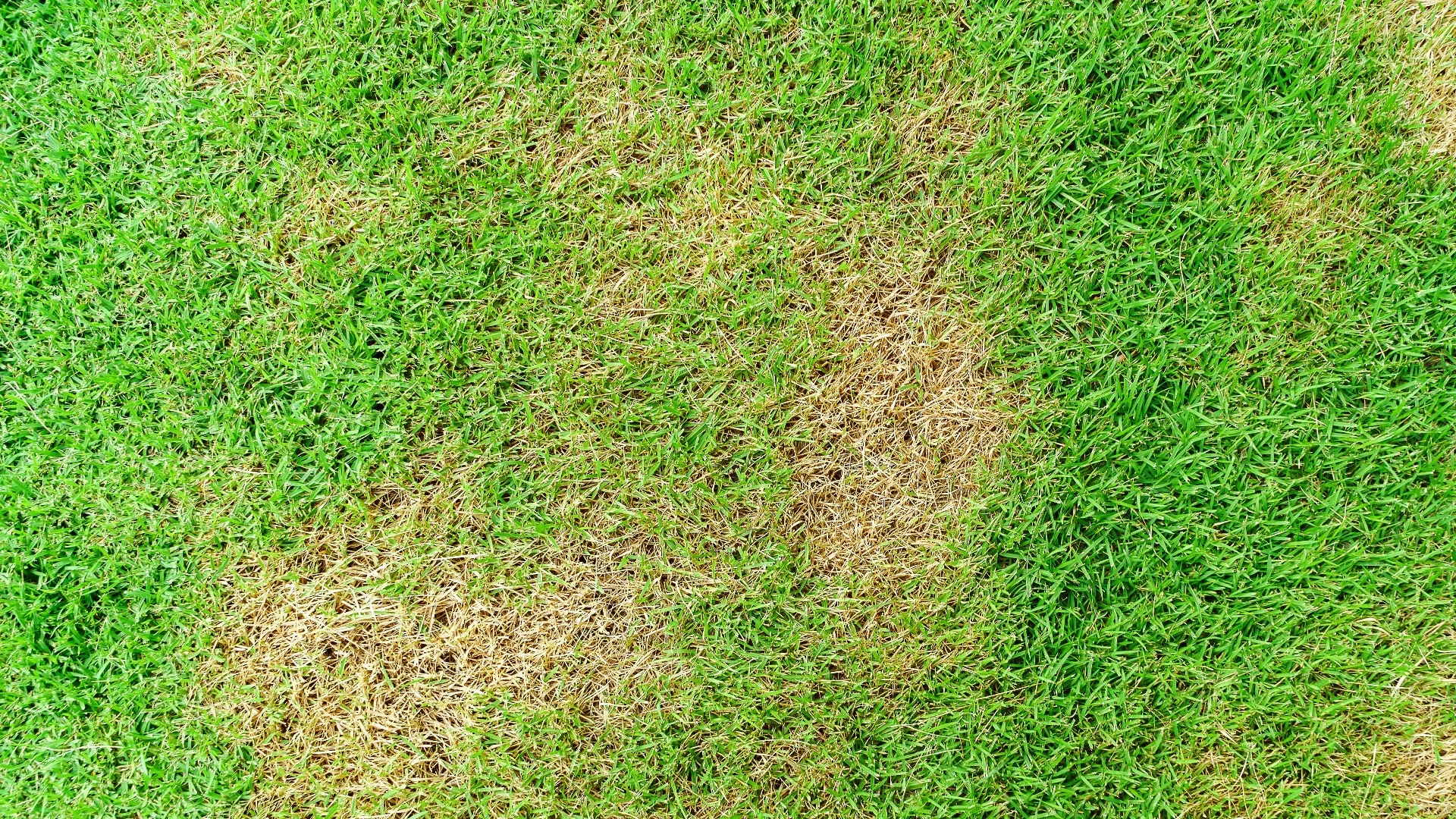
Our own recent blog content repeatedly tells Grand Valley homeowners to look at irrigation coverage, mowing, disease patterns, traffic, and soil before assuming every summer color change calls for more fertilizer. Guidance for dry seasons also appears on the lawn care in drought and low-water years page.
Lawn Revive sits inside that same logic.
It is another option, not a replacement for diagnosing why the turf changed.
## Revive makes the most sense when there is still lawn to support
We describe the service as support for stressed turf rather than as a way to recreate a lawn that is already gone.
That distinction matters.
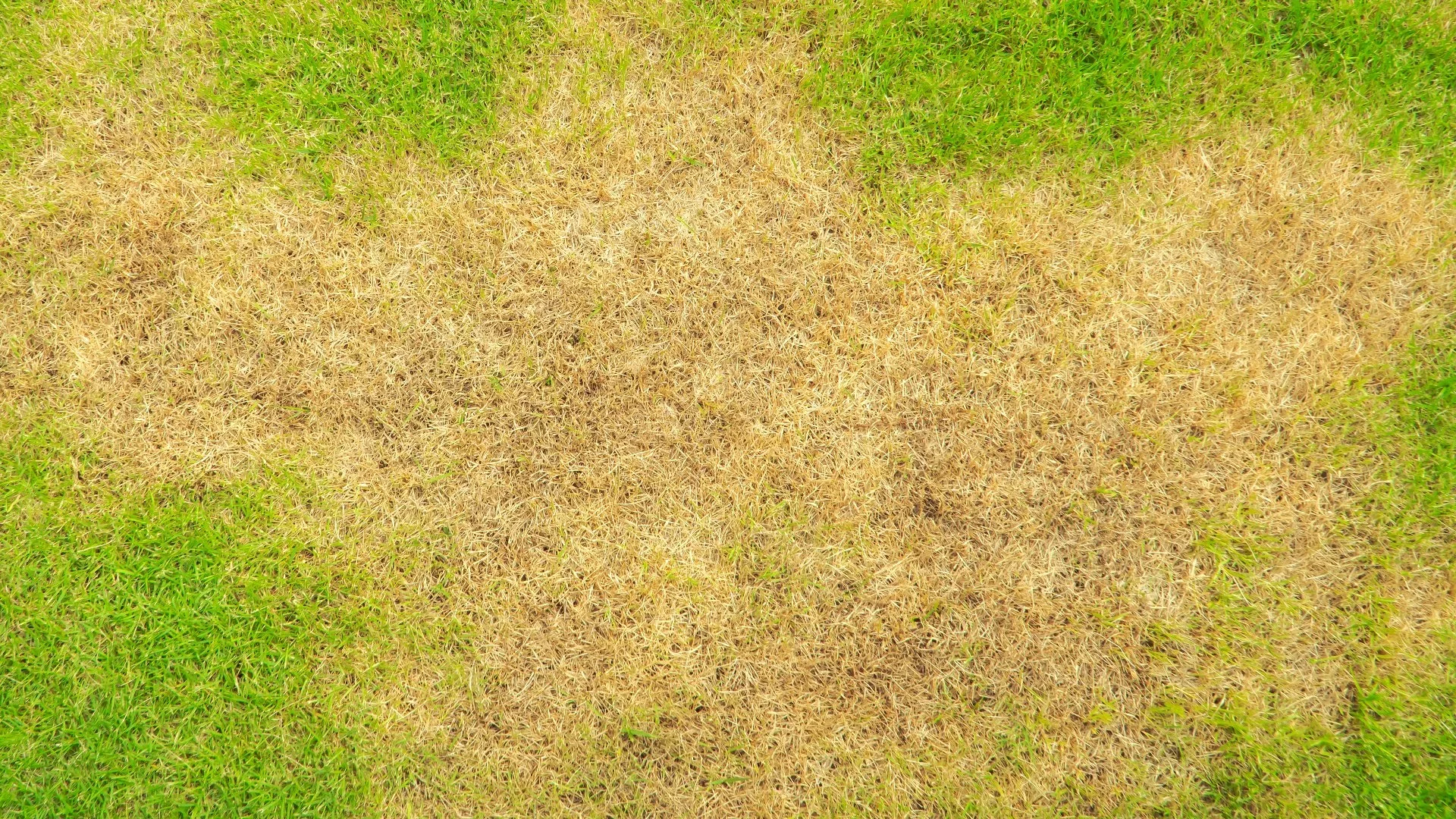
If the grass is still established but looks stressed during Grand Valley heat, an add-on treatment may fit into the recovery plan once irrigation and other underlying conditions are considered.
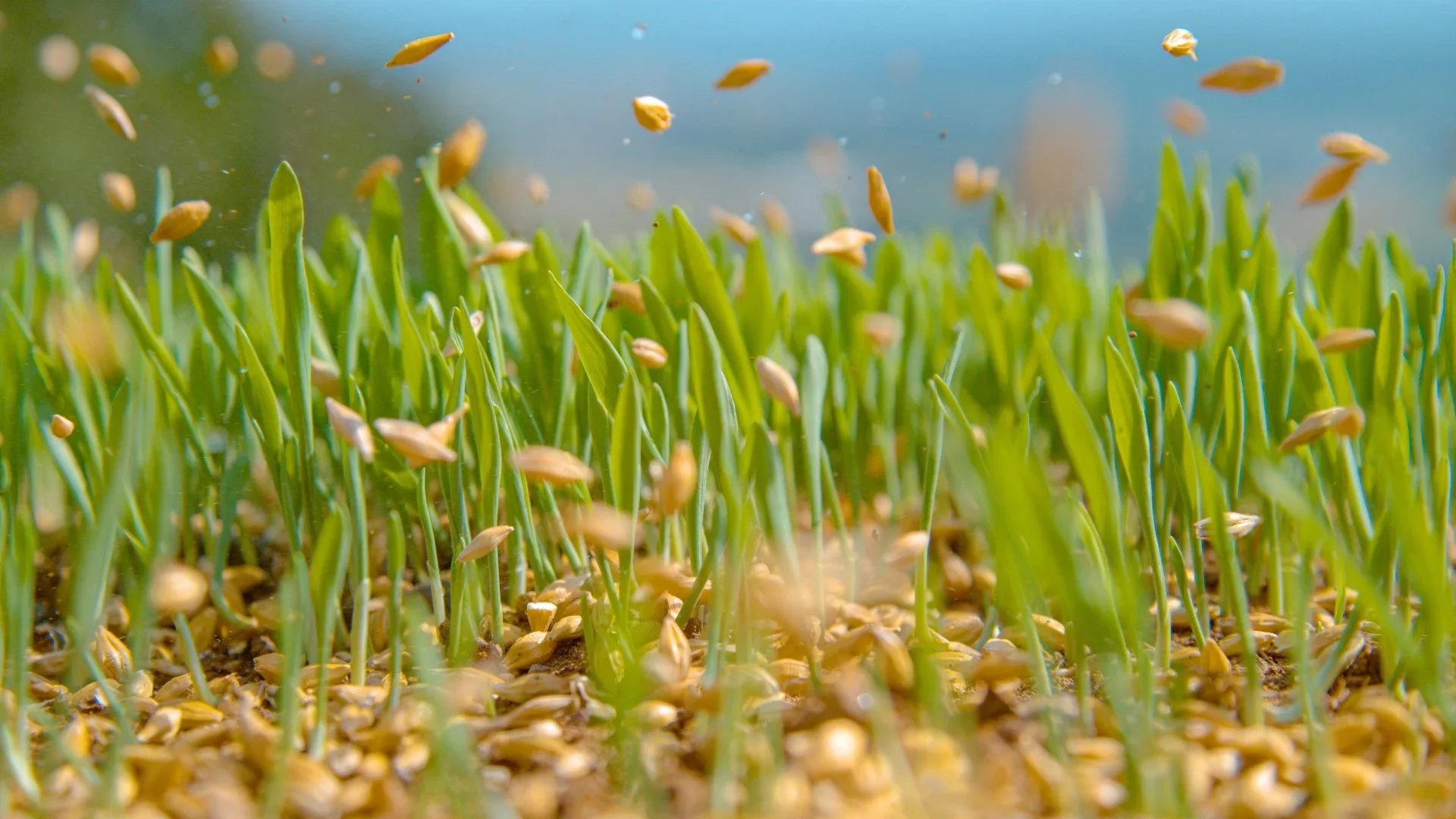
If a large section has completely failed, the conversation may need to move toward renovation, seeding, or sod instead.
We offer all of those services separately.
The fact that we have several turf-recovery options is useful because not every brown lawn should be forced into the same treatment category.
The homeowner does not need to decide which category applies before calling.
They do need to be honest about what the lawn looks like now.
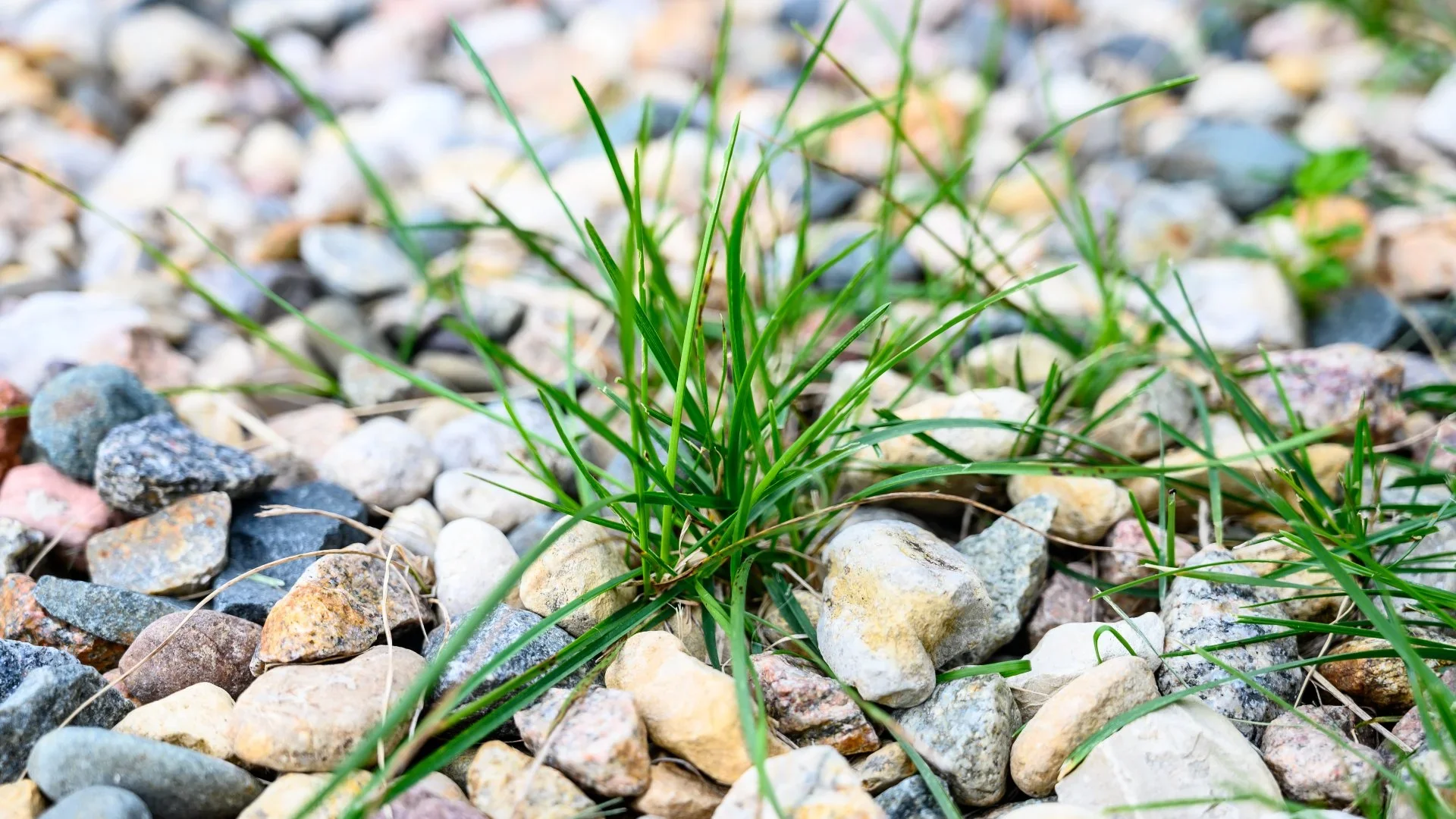
A thin lawn with living turf is different from bare soil.
## Irrigation still comes first when the water is wrong
Grand Junction lawns do not operate independently from irrigation.
We repair irrigation systems, start them in spring, install new systems, and winterize them later in the year. Our irrigation repairs service covers everything from sprinkler heads to main-line components, while startup service includes zone testing, spray adjustment, and controller review.
That matters before adding another lawn product.
If one section is brown because the sprinkler pattern misses it every morning, Lawn Revive does not make the nozzle aim correctly.
If a zone is running too long and the turf stays excessively wet, another lawn treatment does not fix the controller.
Our recent summer articles make this point repeatedly by asking homeowners to compare turf patterns with actual sprinkler coverage before changing the lawn program.
That does not make Lawn Revive unnecessary.
It puts the service in the right order.
Fix the mechanical problem first when there is one, then decide what the turf needs after the water is reaching it properly.
## It can be an add-on without becoming the entire summer strategy
We explicitly say Lawn Revive can be added to an existing program.
That means a homeowner does not have to choose between fertilization and Revive as though one cancels the other.
The normal program continues to address the broader growing season.
Revive is used during the summer window when we believe the additional treatment fits the turf condition.
The same lawn may also need ordinary mowing adjustments, irrigation repair, or later aeration and overseeding.
This is another reason the article should not become a miracle-product pitch.
We offer far too many lawn services for one product to explain every condition. Browse the full menu under services.
## Ask why Revive is being recommended on your lawn
The best question is straightforward.
What are you seeing that makes Lawn Revive the next step?
A technician should be able to connect the recommendation to the condition of the turf instead of simply saying that it is summer and everyone should add it.
Maybe the lawn is established but stressed.
Maybe water restrictions or dry conditions have changed the maintenance strategy.
Maybe the lawn should first be inspected for irrigation or disease.
The recommendation should make sense when it is explained.
We have served Western Colorado since 1992 from 2253 Colex Drive, Grand Junction, CO 81505, and work across Grand Junction, Fruita, Palisade, Clifton, Fruitvale, Loma, Orchard Mesa, Redlands, Montrose, and surrounding communities.
Call (970) 434-5440 or use the contact page when you want to know whether summer turf needs another normal lawn visit, Lawn Revive, an irrigation correction, or something more substantial.