Rock beds, gravel drives, and turf seams heat up on different schedules across the Grand Valley, and peak summer dry weather makes that split obvious. Weeds along stone often green up and flower before the open lawn shows the same pressure, so a single blanket spray on a hot afternoon rarely fits both zones. Mesa Turf Masters has served Western Colorado since 1992. This article is one thesis: in dry heat, treat weeds in rock and gravel as their own job with their own timing and aim, fix the bed edge before you spray the seam, and keep turf weed work on a separate plan so product lands where it actually helps.
## Why rock and gravel weeds behave differently than lawn weeds
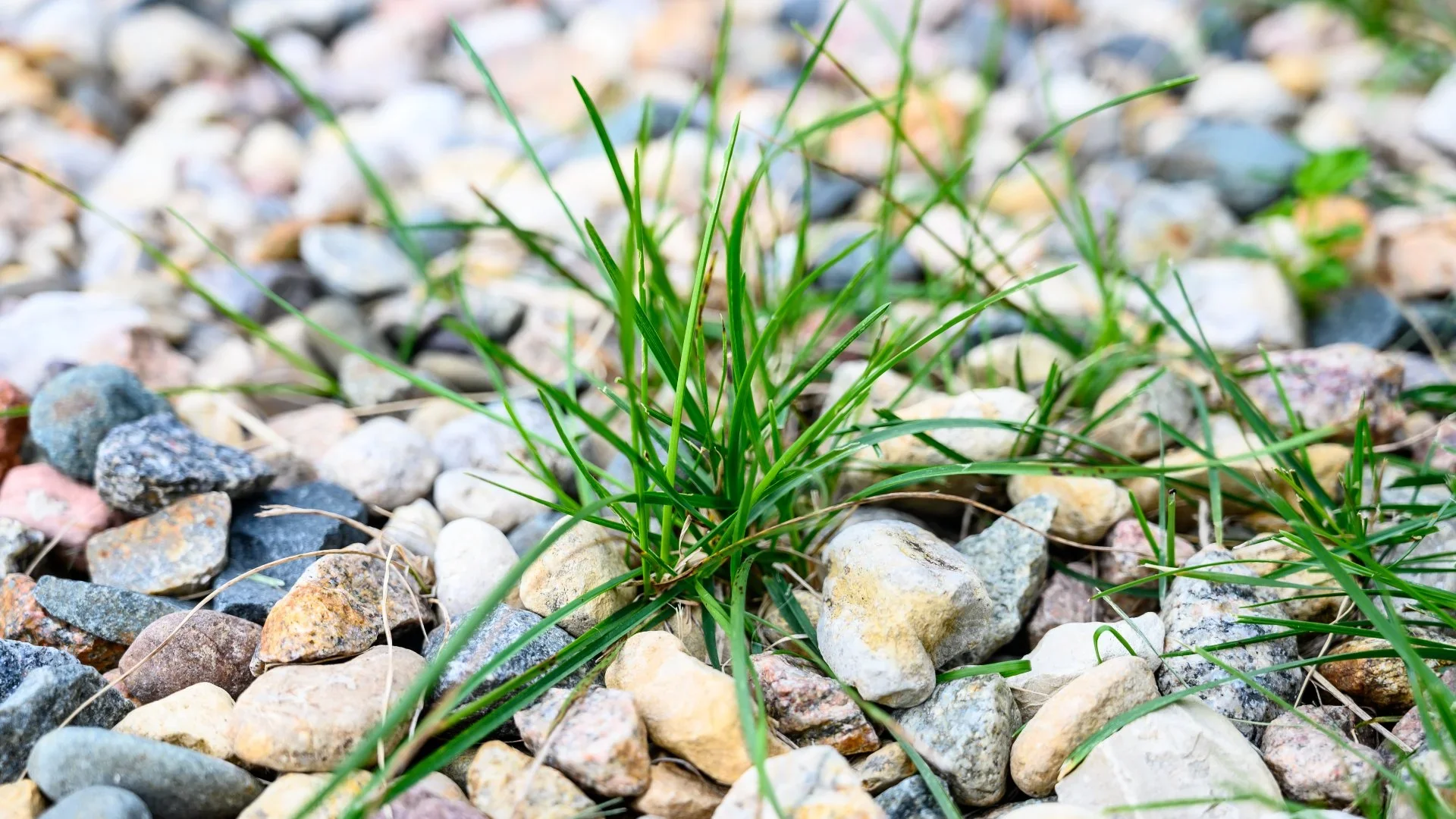
Gravel bands and decorative rock store heat and hold just enough windblown soil for weed seed to root in the top inch. That layer dries fast, so weeds there run on a different clock than turf sitting over deeper soil. Spraying stone like a lawn wastes product on rock that never needed it and skips the seam where weeds actually anchor. Rock weed control is aimed at that thin layer on stone, not at broadcasting over an entire bed.
Walk the rock zones on a calm morning before you decide anything. Note where weeds cluster: bed edges, low spots that catch runoff, and gaps where fabric has torn. Those clusters tell you whether seed pressure, thin fabric, or drift from the lawn is the louder story.
## Fix the bed edge before you spray the seam
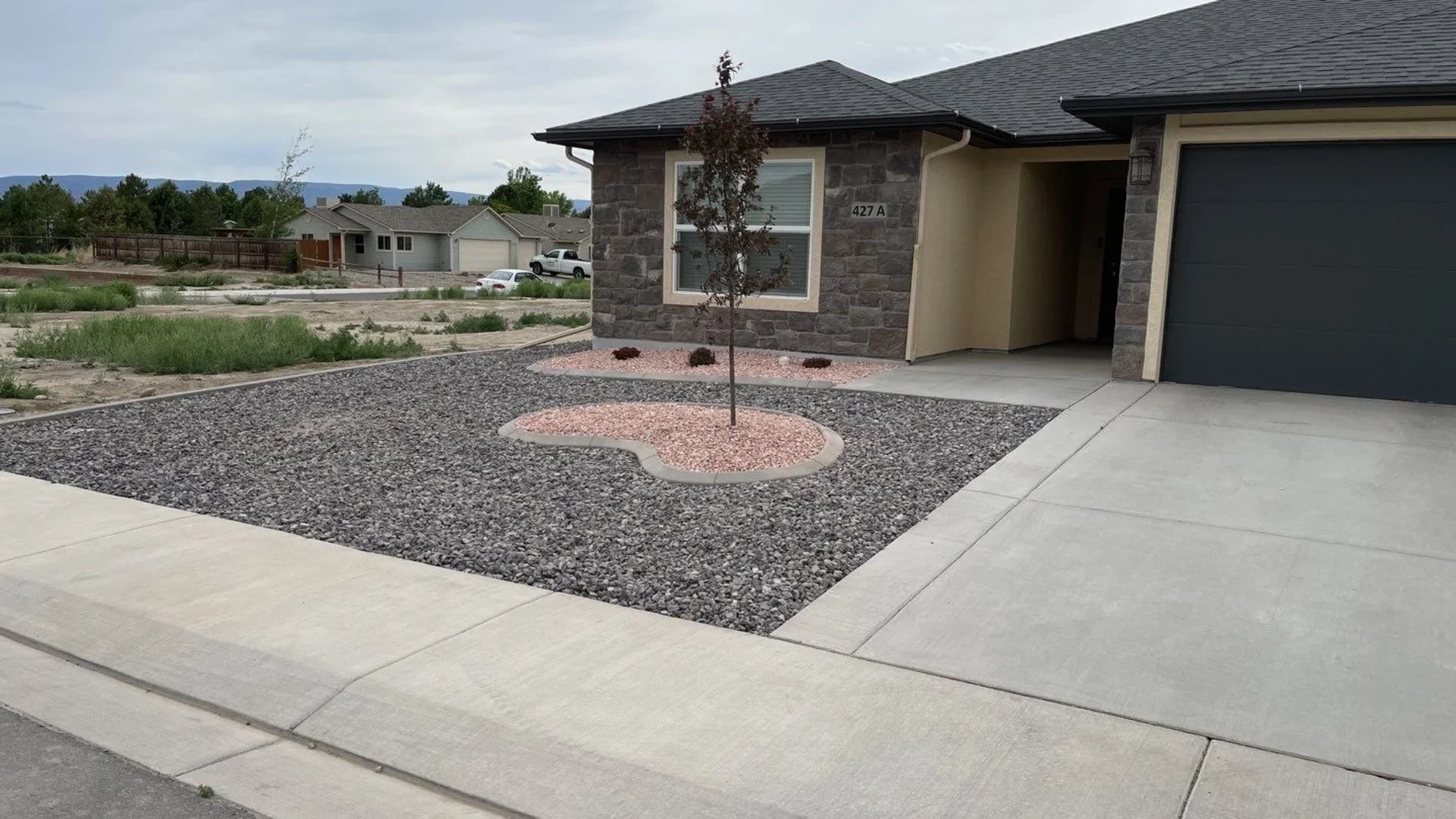
Turf that creeps into rock along a soft edge keeps feeding new weeds no matter how often you spray. A clean, defined edge slows that creep and makes both rock and lawn easier to keep. When runoff and wind have been moving stone into the lawn for several seasons, landscape curbing holds the line so the seam stops generating weeds every week.
If the rock layer itself has thinned and bare fabric shows through, weeds find those gaps first. Rock installation or a refresh restores the cover that suppresses seed. Photograph the seam after a full irrigation cycle so you can see whether wasted spray is feeding the edge or whether the problem is simply a thin, worn bed.
## Timing and aim on stone during dry heat
Pre and post emergent timing on gravel is not the same as a spring lawn program. Weed control on stone works best when you treat the actual weeds and the thin soil layer rather than misting the whole bed on a windy afternoon. Drift onto turf, ornamentals, or a neighbor rock band helps no one and burns product you cannot spare in a dry summer.
Spray on a calm morning, aim low, and skip the hero pass that soaks rock the weeds already left behind. If beds sit near plant trimming zones or fresh mulch, keep those areas out of the spray line so you are not treating desirable plants by accident.
## Keep turf weed work on its own plan
Weeds in the lawn deserve their own read. Crabgrass along a hot driveway edge, dandelions in a thin panel, and foxtail in a worn lane each point to a different fix, and none of them respond to the same product you used on gravel. Steady lawn care times turf weed work for high desert reality rather than a humid coast calendar.
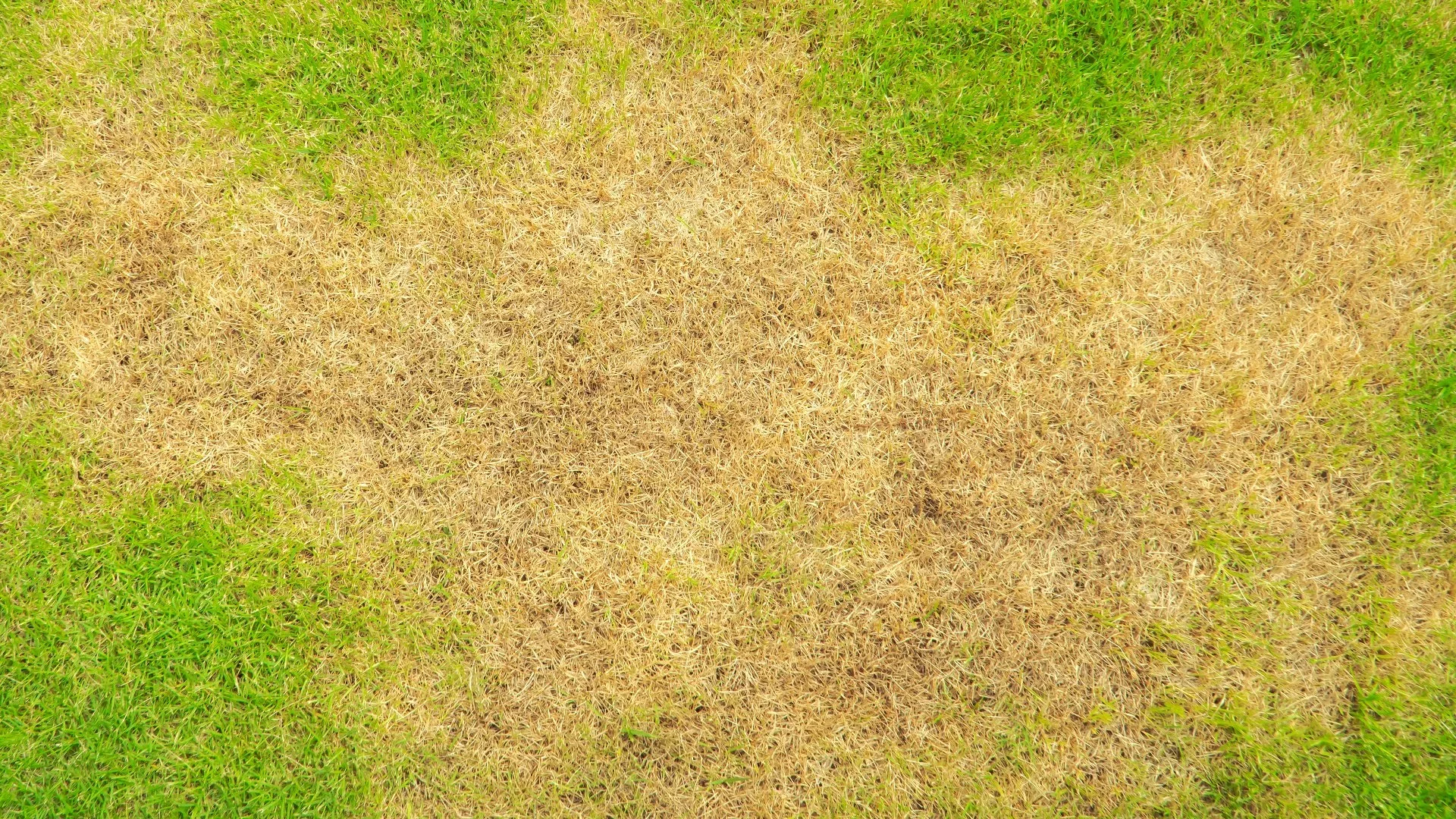
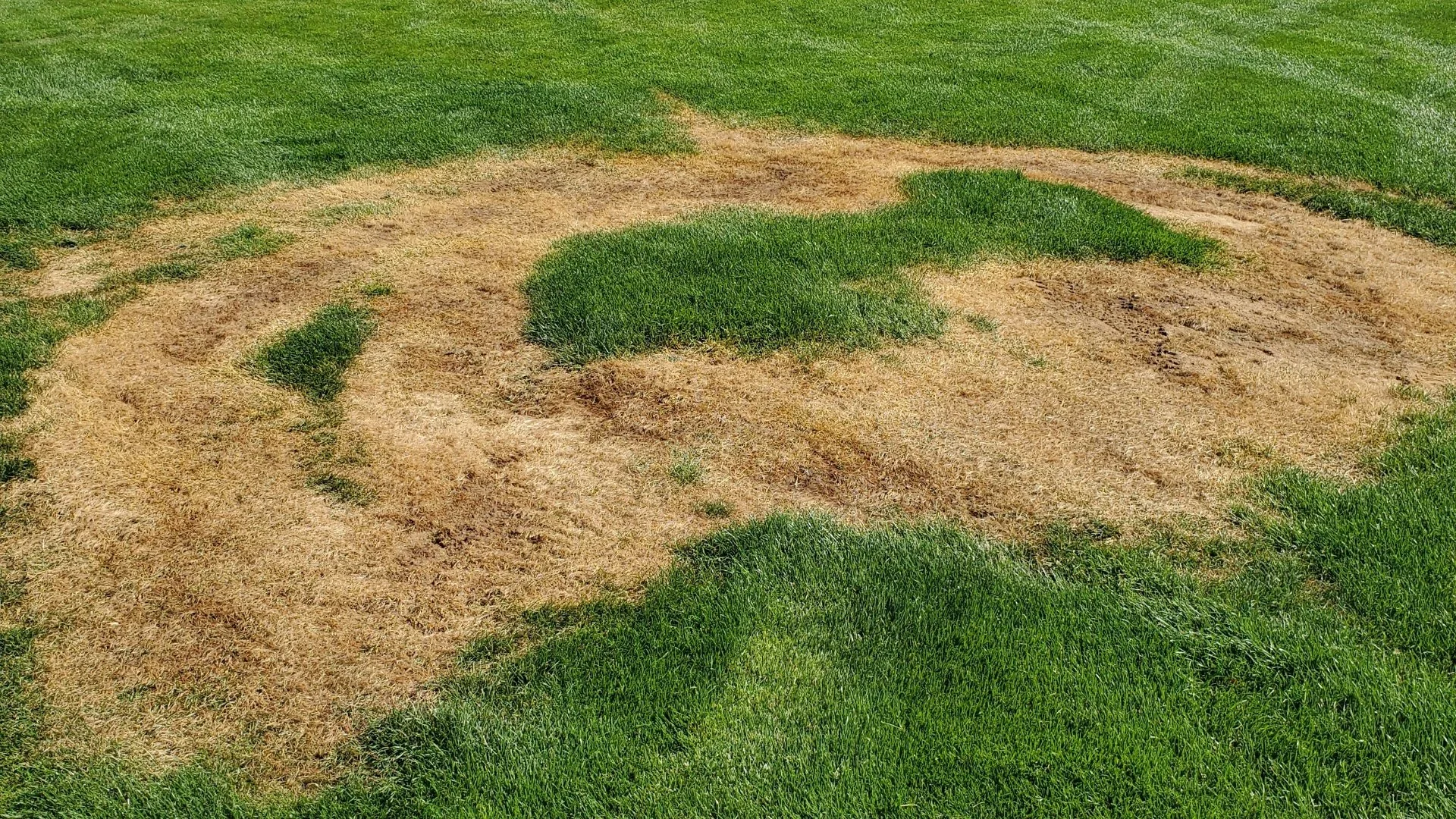
Thin turf that lets weeds in usually traces to water or wear before it traces to a missed spray. Pair this weed read with lawn recovery during peak heat and drought when tan panels and weed pressure show up on the same lot, since fixing coverage often does more than another herbicide pass.
## How rock, turf, and beds share one property walk
Neighborhoods differ. Homes in Grand Junction, Fruita, and Redlands mix rock, gravel drives, turf panels, and mature beds in different proportions, so the weed map changes address to address. A property walk that names each zone the way your household uses it beats treating the whole yard as one lawn.
For town level context on how these zones stack on a single lot, read the Fruita homeowner lawn and landscape guide. When rock weeds, turf weeds, beds, and heat all compete for the first weekend, the peak summer lawn priority quiz gives you a short sort before you schedule work.
## Practical notes for the rest of a dry summer
Map your rock zones and turf panels separately. List where weeds cluster on stone and where they cluster in the lawn. Note torn fabric, soft edges, and runoff paths that carry seed. Photograph the seam after a full irrigation cycle so a review can tell drift from seed pressure at a glance.
Mesa Turf Masters serves Orchard Mesa, Clifton, Loma, and nearby Western Colorado communities with the same practical sequencing we publish here. Call (970) 434-5440 or request a quote when you want a crew to read rock weeds, turf weeds, and bed edges on the same visit.
## Closing: separate the zones, then treat them
Rock and gravel weeds want their own timing and aim. Turf weeds want a coverage and wear read first. Bed edges want a real line before either spray. When you separate those zones instead of blanketing the yard on one hot afternoon, product lands where it works, water is not wasted chasing weeds the sun already stressed, and the whole property holds better through the rest of peak summer. Ask about targeted rock weed control after someone looks at the beds in person.