"Can you just seed it?"
That is a reasonable question when a lawn looks thin.
Sometimes the answer is yes.
Other times, the existing turf is too far gone for ordinary overseeding to be the most useful starting point. The soil may need work. Large bare areas may need stronger seed-to-soil contact. A grading or irrigation issue may have contributed to the failure. Another property owner may want the bare area rebuilt with sod rather than waiting for seed to establish.
Mesa Turf Masters offers overseeding, slit seeding, lawn renovation, and sod installation separately.
Those services overlap, but they are not four names for the same project.
The first question is how much useful lawn remains.
## Overseeding works with what you already have
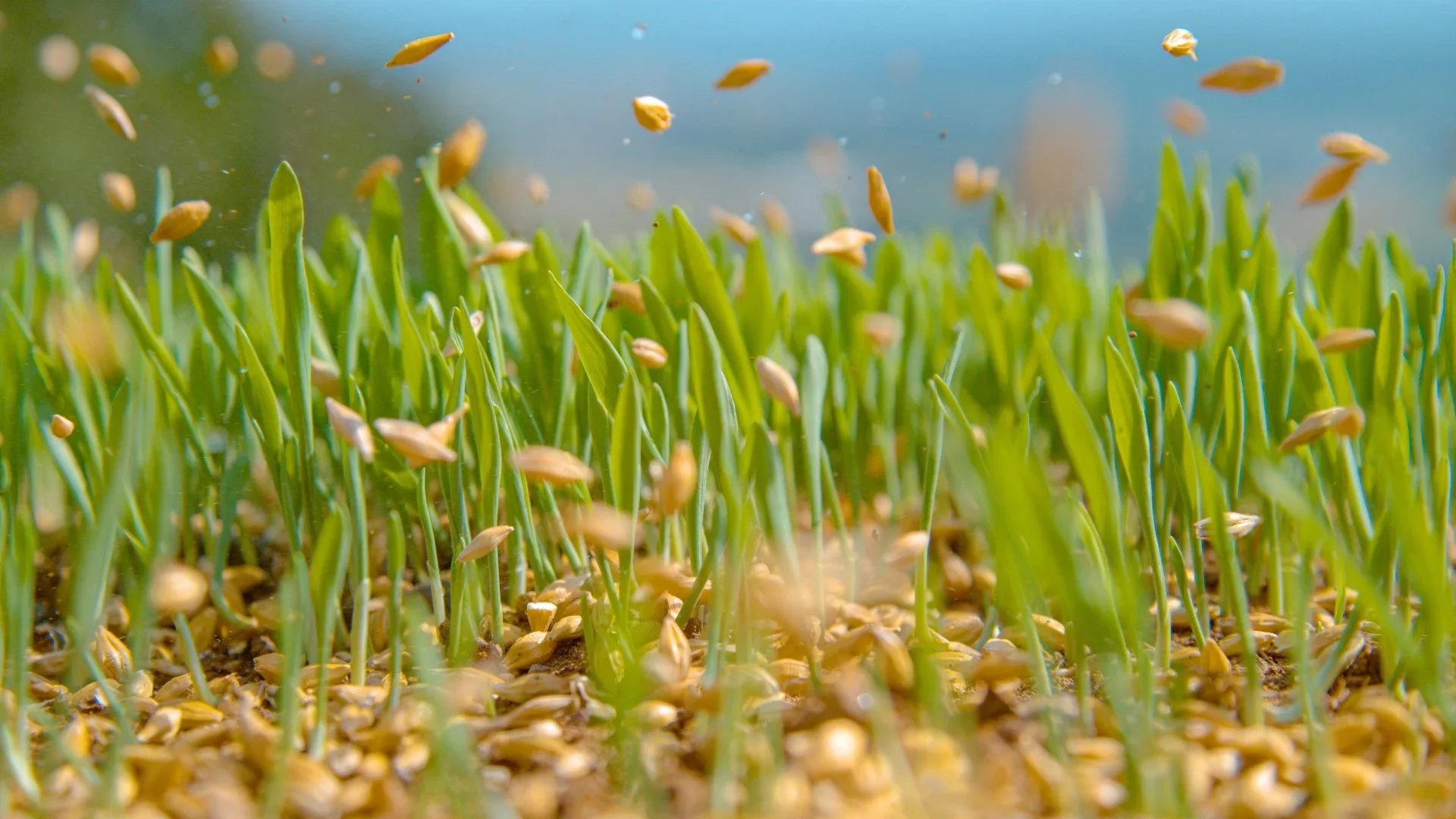
Overseeding adds new grass seed into an existing lawn.
The important part of that sentence is "existing lawn."
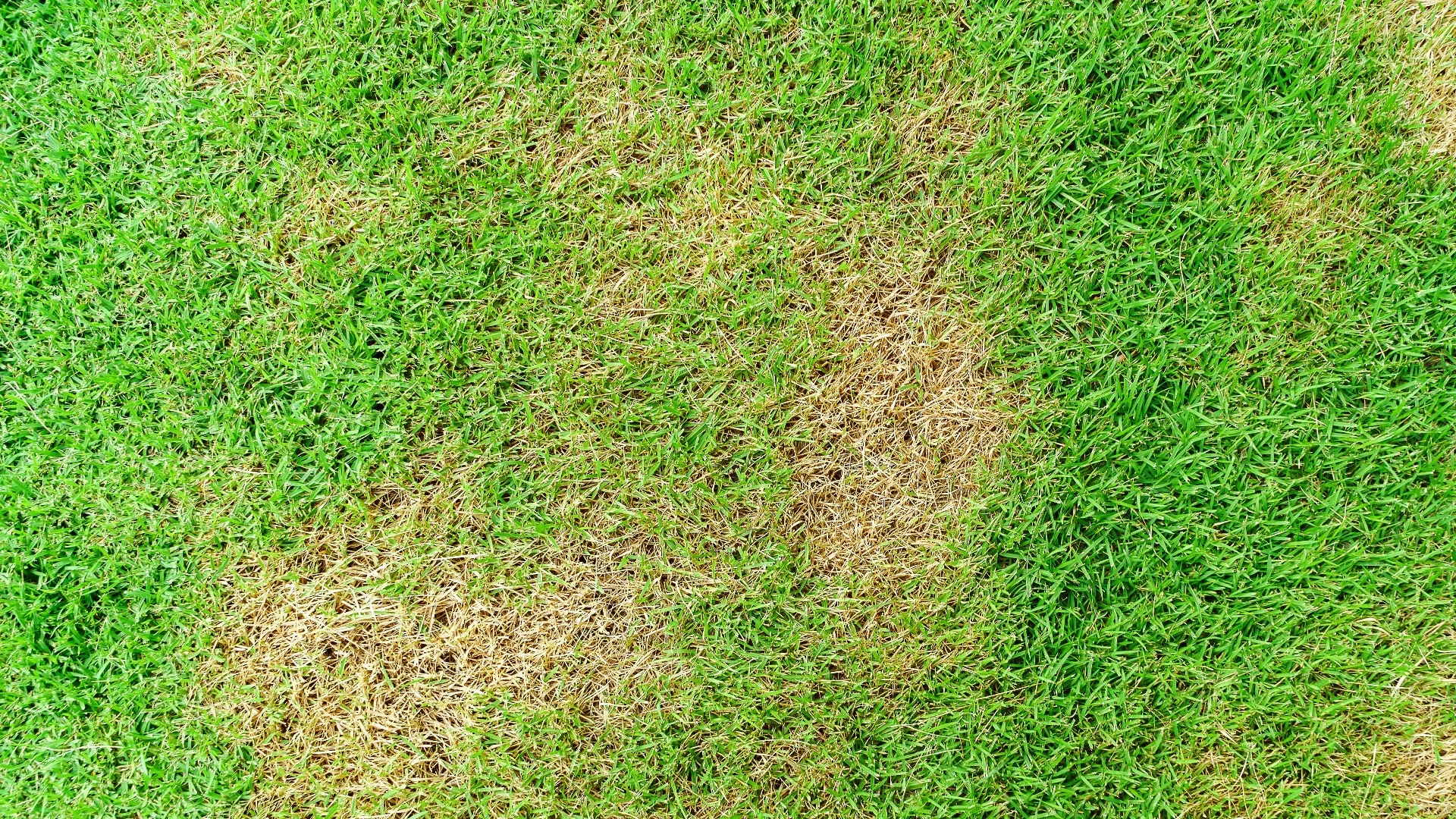
If the turf is generally intact but needs more density, new grass can fill thinner areas without rebuilding the whole property.
We offer overseeding alongside aeration and other lawn care services.
This is often the least disruptive category because the basic lawn remains in place.
The homeowner still needs to understand why it became thin.
Heavy traffic, poor sprinkler coverage, compaction, insects, disease, shade, or another condition can undermine the new seed if the original problem continues.
That is why spreading seed by itself should not become an annual ritual on the same failing spots.
If the same area needs reseeding repeatedly, it deserves a closer look. Irrigation repairs often belong in that conversation when dry wedges line up with spray patterns.
## Slit seeding is for a lawn that needs stronger seed contact
Our slit-seeding service takes a more mechanical approach.
The machine cuts shallow grooves and places seed directly into them rather than simply distributing seed across the surface. We use slit seeding for bare or thin areas where improved seed-to-soil contact is useful, and we perform the service in fall together with core aeration.
That makes slit seeding especially interesting for a lawn that still has enough existing turf to preserve but has larger areas where ordinary broadcasting may not be the best fit.
The goal is not to tear the yard out.
It is to get new seed into better contact with the soil while retaining the lawn that is still functioning.
This is one of those services where the equipment name sounds more complicated than the basic idea.
The lawn remains.
The new seed is placed more directly.
## Renovation starts when the problem is bigger than adding grass
We describe lawn renovation as a broader rebuilding process that can include soil amendment, grading corrections, new seed or sod, and establishment care.
That is a different level of project.
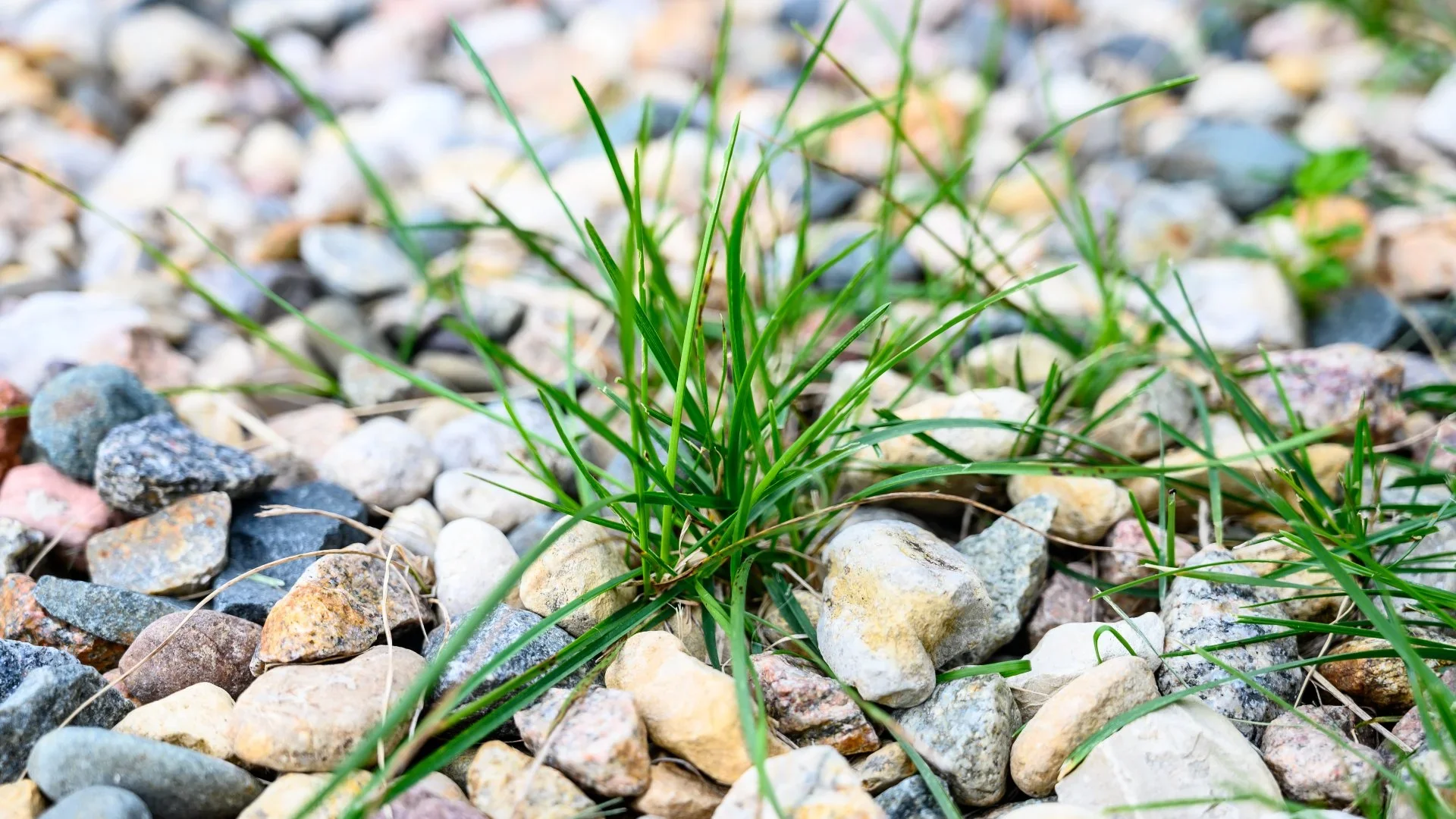
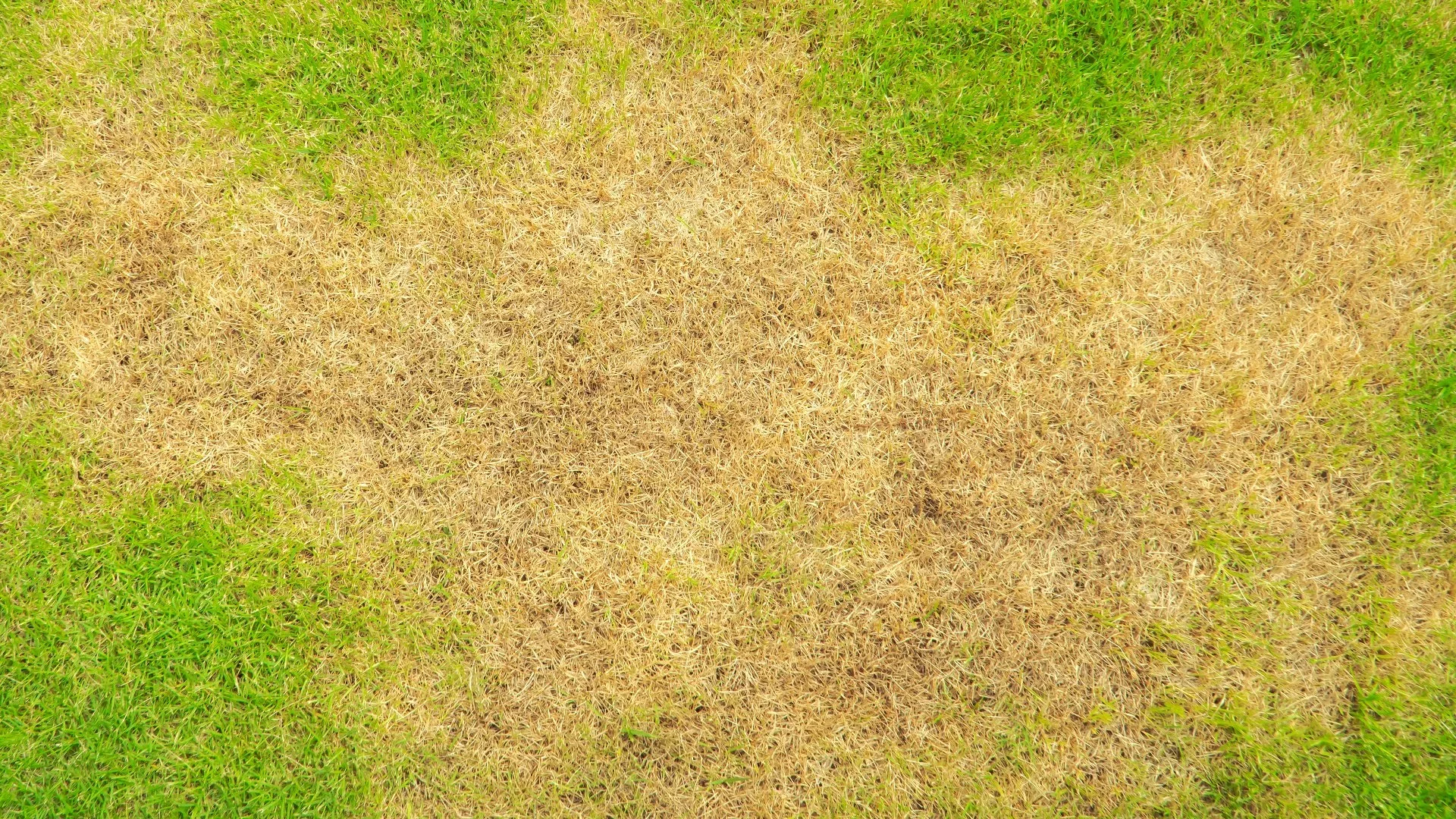
If a lawn has extensive failure, severe weed pressure, grade problems, or poor soil conditions, adding seed may be addressing the symptom without correcting the reason the lawn failed.
A renovation allows us to address the base before establishing new turf.
For a homeowner, this is where it is worth asking what will be different after the project.
If the old lawn failed because of irrigation coverage, is the irrigation being corrected?
If grade contributed to the problem, is that part of the plan?
If the soil needs amendment, what is being changed before new turf goes down?
A renovation should not mean "remove bad grass and install more grass in the same conditions."
The value is the opportunity to correct what is underneath or around it first.
## Sod changes the timeline, not the need for preparation
Sod is appealing because the property changes visually very quickly.
We install sod for residential and commercial properties, and our process includes grading and soil amendment when needed before the sod is placed.
That preparation is easy to overlook because the finished surface gets all the attention.
A roll of sod can cover bare soil immediately, but the roots still have to establish into the site beneath it.
The irrigation system also has to support the new turf during establishment.
That means a sod project should still include a conversation about grading, soil, and water.
The decision is not simply "seed is slow and sod is fast."
It is also about the condition of the area, the homeowner's schedule, and how much reconstruction the lawn needs. Related options sit under services.
## Do not choose the method from a photo of someone else's yard
Two thin lawns can look similar from the street and need different work.
One may respond well to aeration and overseeding.
Another may have large bare areas suited to slit seeding.
A third may have underlying problems that justify renovation.
A homeowner trying to make that decision alone is being asked to know things that are easier to evaluate on site.
We have provided lawn care in the Grand Valley since 1992 and now offer a wide range of repair and establishment options under the same lawn-care division.
That is useful because we do not have to force every failing lawn toward the one rebuilding service we happen to sell. Related posts stay on the blog.
Homeowners can call (970) 434-5440 or use the contact page and describe how much turf remains, how long the problem has existed, and what has already been tried before deciding between seeding, slit seeding, renovation, or sod.