May is when Grand Junction lawns stop looking like one uniform carpet and start showing stripes, patches, and berms that do not match. Cool mornings and warm afternoons pull different responses from tall fescue, Kentucky bluegrass, and bermudagrass on the same lot. Homeowners call us convinced fertilizer failed, when the real story is species, water, and sun on Western Colorado slopes. Mesa Turf Masters has read May turf since 1992, and color splits are usually explainable once you walk the yard with the timer in mind.
Different colors in May rarely mean your entire lawn care plan is wrong. They mean several plants with different needs share one view from the street.
## Mixed species show different green speeds
Bermudagrass on open berms greens aggressively when soil warms while shaded fescue near the porch stays darker or slower to grow. That contrast looks like fertilizer streaks from the driveway but disappears if you map species boundaries with spray paint for one week of observation.
Mixed lawns in Fruita and Palisade often inherit front bermuda and back fescue from decades of spot seeding. Necrotic Ring Spot and Irrigation on Mixed Grand Valley Lawns becomes relevant later in summer when rings appear on fescue only.
## Irrigation gaps mimic nutrition problems
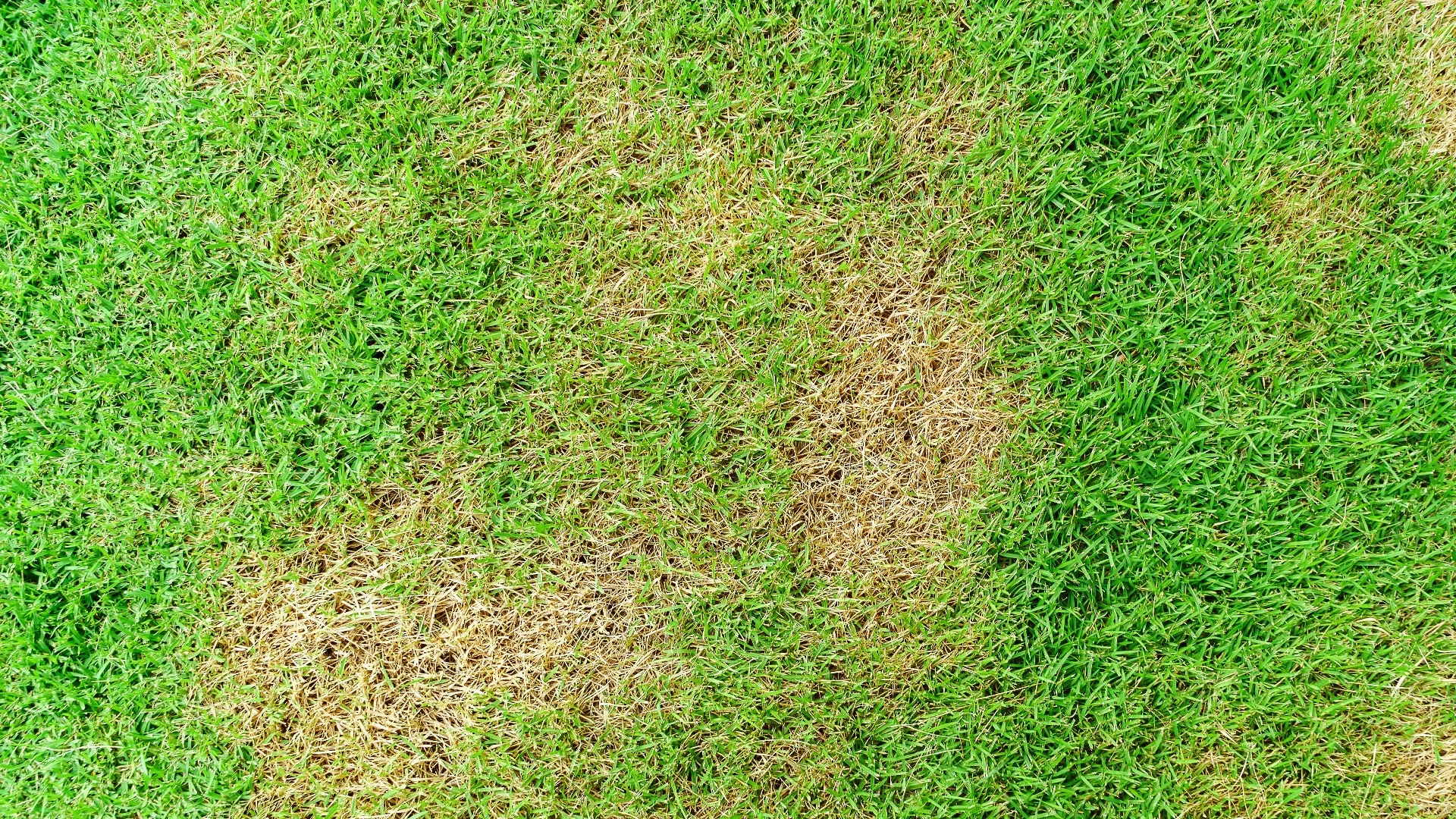
A zone that wets the middle but misses the top of a berm leaves a pale arc that follows the slope, not the spreader path. Evening irrigation in May sets habits that June heat will test. If edges along sidewalks look yellow while the center looks rich green, check throw before you add lawn fertilization.
Read Sprinkler Controller Settings Before June Heat and Mower Height and Irrigation Overlap in May together when color splits track mowing and spray on the same side of the yard.
## Early chinch and billbug edges on warm turf
Insect damage in May often starts as lighter yellow on bermuda edges before dead patches connect. Chinch bugs love hot dry margins next to pavement. Billbugs hit cool-season turf crowns on slopes that warm first. Early Summer Lawn Pests documents the first serious week many Grand Valley bermuda lawns show edge stress.
Scout before you treat: our chinch bug control and billbug control programs use labeled timing after confirmation.
## Mowing height changes the color story
A lower cut on bermuda exposes stems that look pale next to taller fescue. Scalping one zone before a holiday weekend shows up as tan striping unrelated to disease. Steady lawn maintenance at appropriate height for each species reduces May contrast until growth evens out.
If you overseeded this spring, delay aggressive mowing until new plants anchor. Link to when to mow after overseeding so your new grass stays put when thin color splits follow seeding.
## Soil and grade on orchard mesa and redlands
Lots in Orchard Mesa and Redlands with cut-fill grade hold moisture differently on the same valve. High spots go blond while swales stay deep green without any spreader involved. Fixing Soil Compaction for Healthier Grand Valley Lawns explains when aeration belongs in the plan after water is verified.
## Practical May checklist
Walk each zone at sunset once. Photograph from the same spot every three days. Note species, slope direction, and last mowing height. Change one variable at a time for two weeks before retail products stack on the lawn.
Schedule irrigation startup follow-up or irrigation repairs when dry wedges persist. Pair weed control with pre-emergent timing if splits include bright green weed islands in pale turf.
Mesa Turf Masters helps Grand Valley homeowners read May color with plain language and field experience. Call (970) 434-5440 or request a quote when splits spread faster than your adjustments. Use #quote with photos taken at the same hour two days apart.
## Fertilizer streaks versus real splits
Homeowners sometimes blame the spreader when uneven color follows species lines or sprinkler overlap instead. Before you re-spread, flag boundaries with stakes for one week and run zones individually. If color tracks water, fix irrigation repairs first. If color tracks species, split mowing and nutrition plans rather than forcing one height and one product across bermuda and fescue on the same afternoon.
May splits that worsen into June rings on fescue deserve a read of Necrotic Ring Spot and Irrigation on Mixed Grand Valley Lawns before you assume insects or fertilizer burn.
## Evening starts and May color
Evening irrigation set in May often stays on the clock unchanged until a crisis in July. Color splits that track dry borders while centers look lush are a prompt to walk zones before insects or fertilizer take the blame. A twenty-minute watch at dusk beats a season of guessing from the driveway.