May controllers still carry habits from spring startup—shorter run times, cool nights, and optimism that June will behave. Across Grand Junction and the Grand Valley floor, the first sustained heat week exposes programs that never matched the lot in the first place. Dry berms, soggy low corners, and guest complaints about sprinklers at dinner all trace back to the clock more often than to the grass itself. Mesa Turf Masters handles irrigation startup, irrigation repairs, and irrigation winterization with controller literacy built in since 1992.
Sprinkler controller settings before June heat should reflect your soil, slope, and species—not a factory default from another climate.
## Audit each zone on paper first
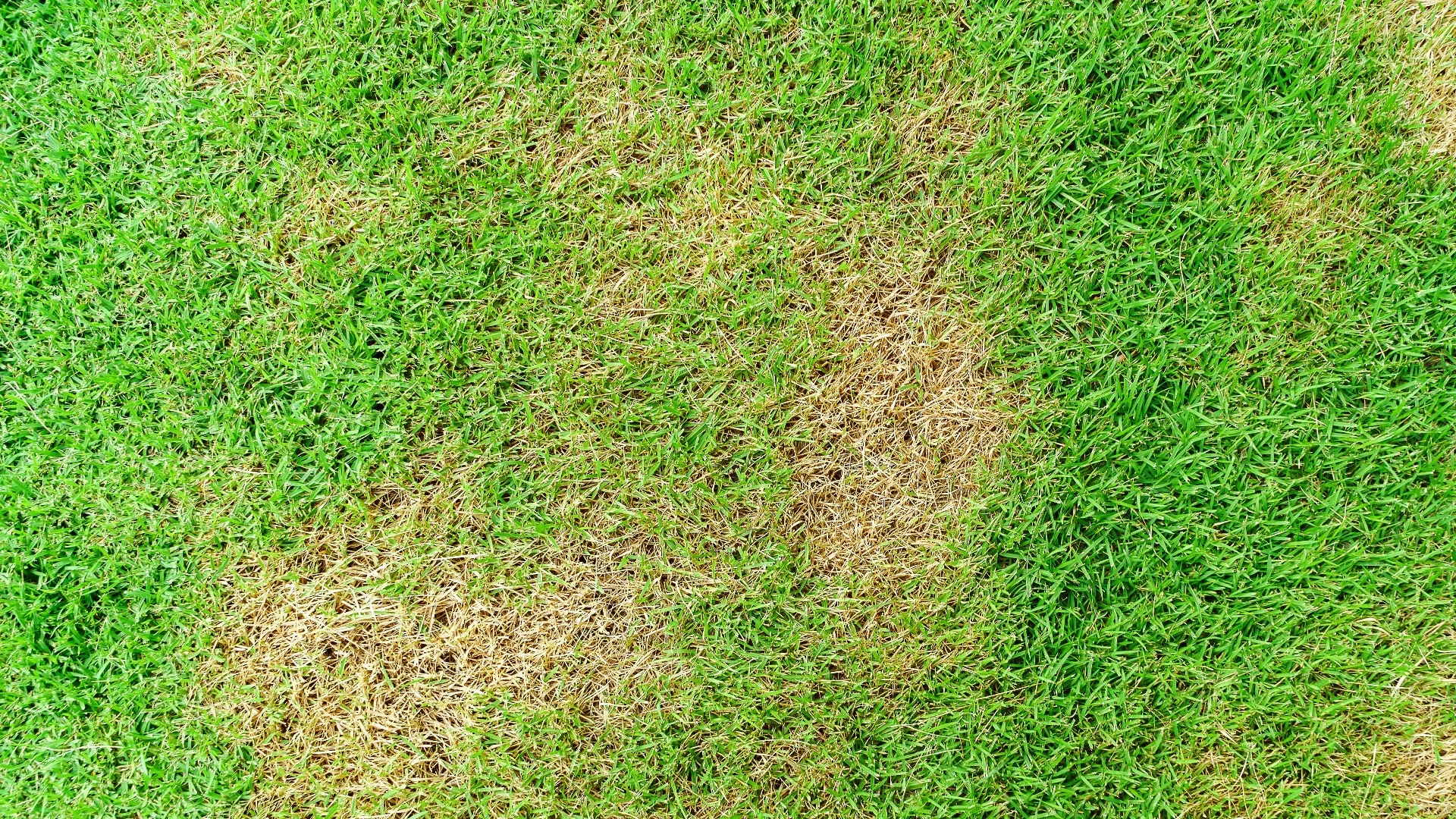
List zones by area: front fescue, side bermuda, shrub drip, parkway spray. Note slope direction and whether heads were replaced since last year. May is the month to fix mismatched nozzles before you double minutes on every zone equally.
Homeowners in Fruita and Palisade with mixed layouts often discover one valve feeds both shade fescue and open bermuda—a recipe for color splits read in Why Your Lawn Shows Different Colors in May.
## Rain sensors and manual overrides
Rain sensors only help when connected and clean. After one dry May week, many controllers get forced to manual and never return to sensor mode. Keep a simple log: date, approximate rain, and whether you overrode the clock. That prevents overwatering after thunderstorms that dropped a quarter inch while you were at work.
Pair sensor habits with April Wind and Irrigation Startup in the Grand Valley when drift already stole effective coverage on windy afternoons.
## Cycle and soak on valley soil
Clay-influenced soil on Orchard Mesa and Clifton lots often needs split cycles instead of one long run that puddles low spots while berms stay dry. Program soak time between passes so water infiltrates instead of running to the gutter.
June updates will go further if May programs already separate problem zones. Read Update Your Sprinkler Timer for Peak Summer Heat when heat arrives.
## Mowing height interacts with the clock
Taller mown turf shades soil and slows evaporation on stressed berms. Mower Height and Irrigation Overlap in May explains why blade settings and minutes change together. Scalping dry turf then adding water does not replace leaf area removed in one aggressive cut.
Steady lawn maintenance through May keeps turf ready for June demand without stacked stress from short cuts and long run times.
## Fix hardware before software
Tilted heads, clogged filters, and leaking valves waste programming effort. Schedule irrigation repairs when dry wedges persist after two timer adjustments. Irrigation installation upgrades may fit older systems that cannot zone separately without new wiring.
Drip zones for trees should not inherit lawn minutes because they share a convenient button on the controller.
## Connect water to nutrition and weeds
Overwatering cool fescue in shade encourages disease; underwatering bermuda edges invites chinch bug control conversations by late May. Lawn fertilization and weed control work best when turf is neither drowning nor drought-stressed from bad programs.
Document changes on the controller door or in your phone notes so fall irrigation winterization crews know what you ran all summer.
Mesa Turf Masters serves Grand Junction, Fruita, Palisade, and the Grand Valley with controller reviews tied to real field results. Call (970) 434-5440 or request a quote for a May program check before June heat. Use #quote with your zone list and problem areas.
## Smart controllers and manual sanity checks
Wi-Fi controllers help, but they cannot see a head knocked crooked by a mower. Once a month through May and June, run each zone manually and watch throw. Technology saves minutes; eyes save berms. Note which zones you changed so fall irrigation winterization crews inherit accurate summer history.
Grand Valley elevation and wind vary block by block—copying a neighbor’s program rarely works even on the same street in Grand Junction.
## Zone notes on the controller door
Write which valve feeds shade fescue versus open bermuda directly on the controller or in your phone notes. Future you—and any crew—will adjust minutes faster without re-walking the whole lot. May is the month to create that map before June heat turns every wedge into an emergency.
## Seasonal percent adjust
If your controller offers seasonal adjust, set May near one hundred percent and raise gradually into June rather than jumping all zones twenty percent overnight. Incremental changes are easier to undo when a cool week arrives in Palisade.
## Ask for a mid-May review
If your controller still reflects April assumptions, a short professional review before June heat often costs less than replacing dead bermuda on the front berm. Mesa Turf Masters can align your May program with how your Grand Valley lot actually dries.