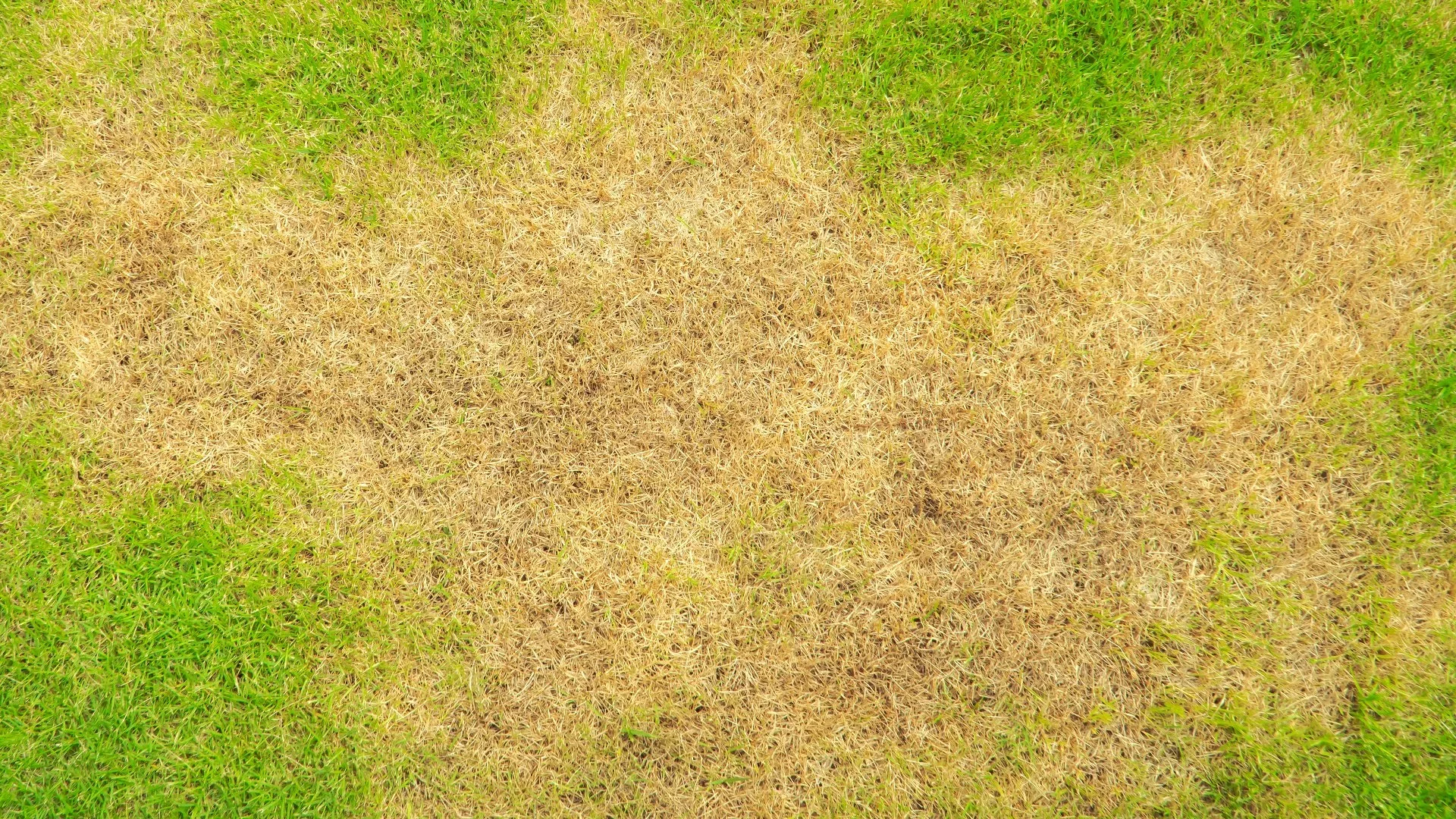
By late June in the Grand Valley, afternoon temperatures routinely test every sprinkler zone you programmed back in May. This dry summer makes a May program look generous and wasteful at the same time. Warm season turf on Grand Junction berms may still look acceptable from the road while edges along driveways and sidewalks show drought stress that was not there three weeks ago. Cool season grass in shade holds color longer but can stay soft and disease prone if evening spray sits on blades while the sun berm fries. Mesa Turf Masters has maintained Western Colorado irrigation and turf since 1992, and this is the week many timers need a real update, not a single extra minute on every zone.
Updating your sprinkler timer for peak heat is not about running water all night. It is about matching runtime, cycle spacing, and start times to how your soil actually dries on your lot, and stopping coverage waste before you chase color with more minutes.
## Why May programs fall short when it gets this dry
Soil dries faster on west facing slopes, along pavement, and in open yards with no tree cover. A zone that wetted the root zone in May may only surface irrigate in July unless run times or cycle counts change. Wind across open mesa lots in Fruita and Loma steals throw distance on rotor heads and turns evening mist into wasted vapor. Misters in shrub beds may be fine while lawn zones starve on the same program. Alkaline high desert soil and ditch, well, or meter water each change how those minutes land.
Walk the lawn once in mid morning and once near sunset. Compare footprint recovery: if grass still shows tread marks after dusk, the root zone may be dry even when blades look green at breakfast. That is your signal to adjust the clock and the heads, not to fertilize your way out of thirst.
## Evening watering without wasting spray
Many Grand Valley homeowners prefer evening irrigation because wind is calmer and less water blows off target. Evening cycles still waste water if heads mist, soak pavement, or leave dry edges while shade spots never dry. Weak stressed grass on sun berms is easier for insects to colonize when hot dry weather stacks on short throw coverage.
If you are seeing edge damage that matches Evening Watering and Summer Lawn Insects in the Grand Valley, fix coverage first, then ask whether chinch bug control or billbug control belongs in the plan. Labeled lawn insect control works best when water and mowing are already sensible and spray is landing on crowns.
## Split cycles instead of one long soak
On clay influenced soil common around Palisade and Redlands, a single long run often pushes water downhill before it soaks in. Two shorter cycles with soak time between them usually reach roots better and reduce runoff onto hardscape. Note which zones puddle at the low corner and which never wet the top of a berm. Those zones should not share identical minutes. Do not flood shade while sun fries the open berm on the same valve.
If you are unsure whether heads were adjusted at irrigation startup this spring, a mid season check prevents guessing through August. Irrigation repairs for sunken heads, clogged nozzles, and split lines pay for themselves quickly when you cannot afford wasted spray.
## Mixed turf needs different thinking on the same clock
Lots with tall fescue near the house and bermudagrass in full sun behave like two lawns on one controller. Fescue may need deeper, less frequent cycles while bermuda on the same valve wants shorter, more frequent passes. If that sounds like your yard, zone separation or seasonal reprogramming is worth the conversation. Necrotic Ring Spot and Irrigation on Mixed Grand Valley Lawns explains how overlap symptoms show up when mixed species share one schedule and wasted water keeps wet rings soggy while berms stay dry.
## Manual overrides without rain as the thesis
Keep a simple log on the fridge: date, what you changed on the clock, and which zones still look dry at the same hour next day. That habit prevents the common cycle of adding minutes everywhere because one berm failed. Skip permanent doubling that drowns shade turf while drought stressed edges still thirst.
Pair timer work with lawn fertilization timed to real growth, not calendar panic. Heat stressed turf does not need extra nitrogen until it can use it without burning, and until water actually reaches the root zone.
## When to call for help
If you adjust run times twice and still see dry wedges next to soggy low spots, the issue is often head spacing, pressure, or grade, not minutes alone. Our irrigation team serves Grand Junction, Fruita, Palisade, and nearby valley communities with startup, repair, and winterization so the whole year connects.
Call (970) 434-5440 or request a quote when you want a mid season timer review that stops wasted spray. Mention problem zones and whether evening or morning starts fit your schedule. You can also use #quote to send photos of dry spots and we will help you plan the next step.