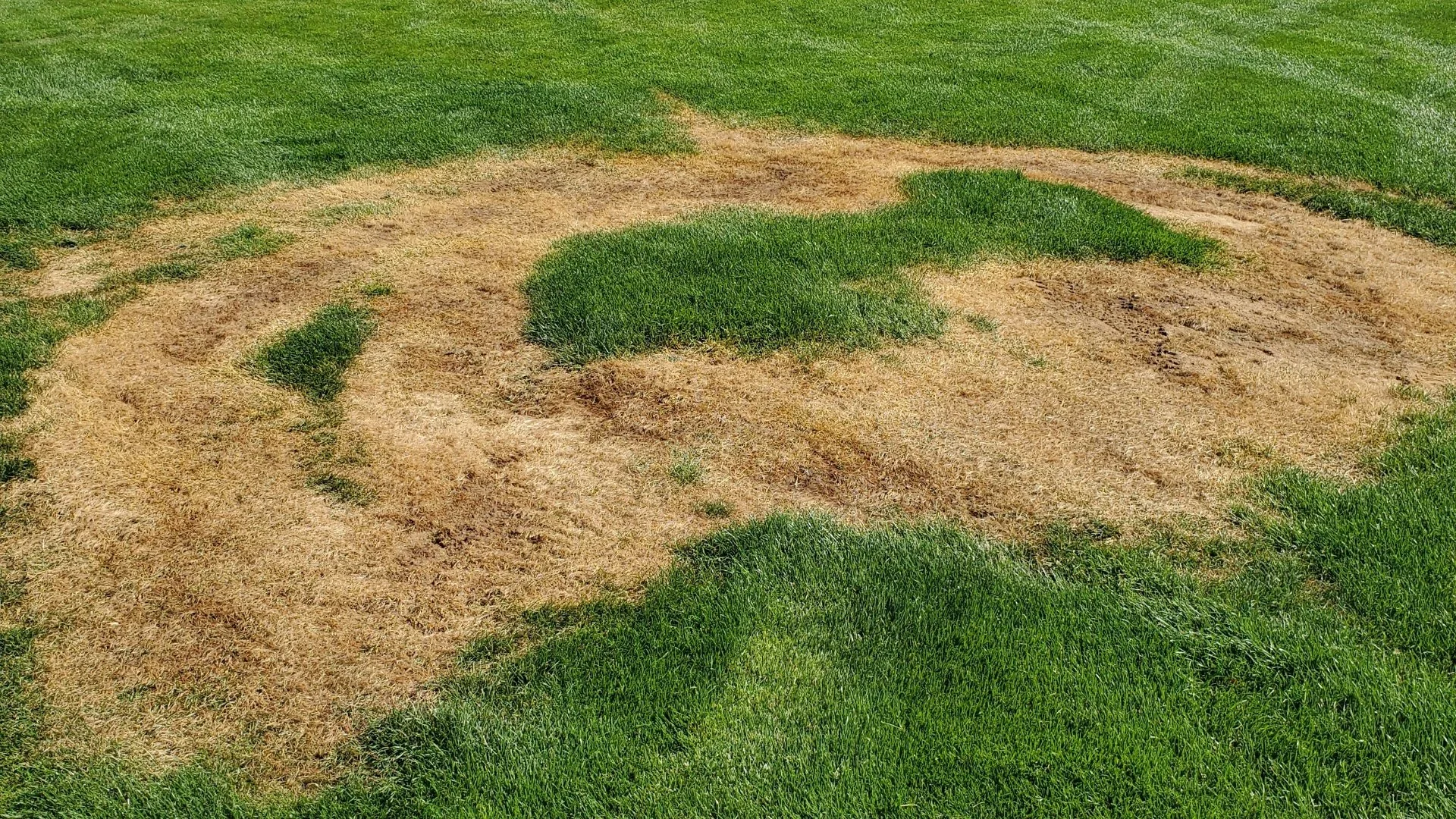
A doughnut shaped dead patch in the front yard worries any homeowner in Grand Junction. Rings show up clearly from the driveway and send people searching for fungus names online before they check the sprinkler chart. On mixed lawns with tall fescue near the house and bermudagrass in full sun, necrotic ring spot and irrigation overlap can produce similar photos from the road. This dry summer makes coverage problems louder because shade spots stay wet from overspray while open berms show drought stress on the same clock. Mesa Turf Masters has treated lawn disease control and irrigation problems across the Grand Valley since 1992, and the fix often starts with water before it ends with fungicide.
Understanding how rings form on Western Colorado turf helps you spend on the right service instead of repeating last year's guess.
## What necrotic ring spot looks like here
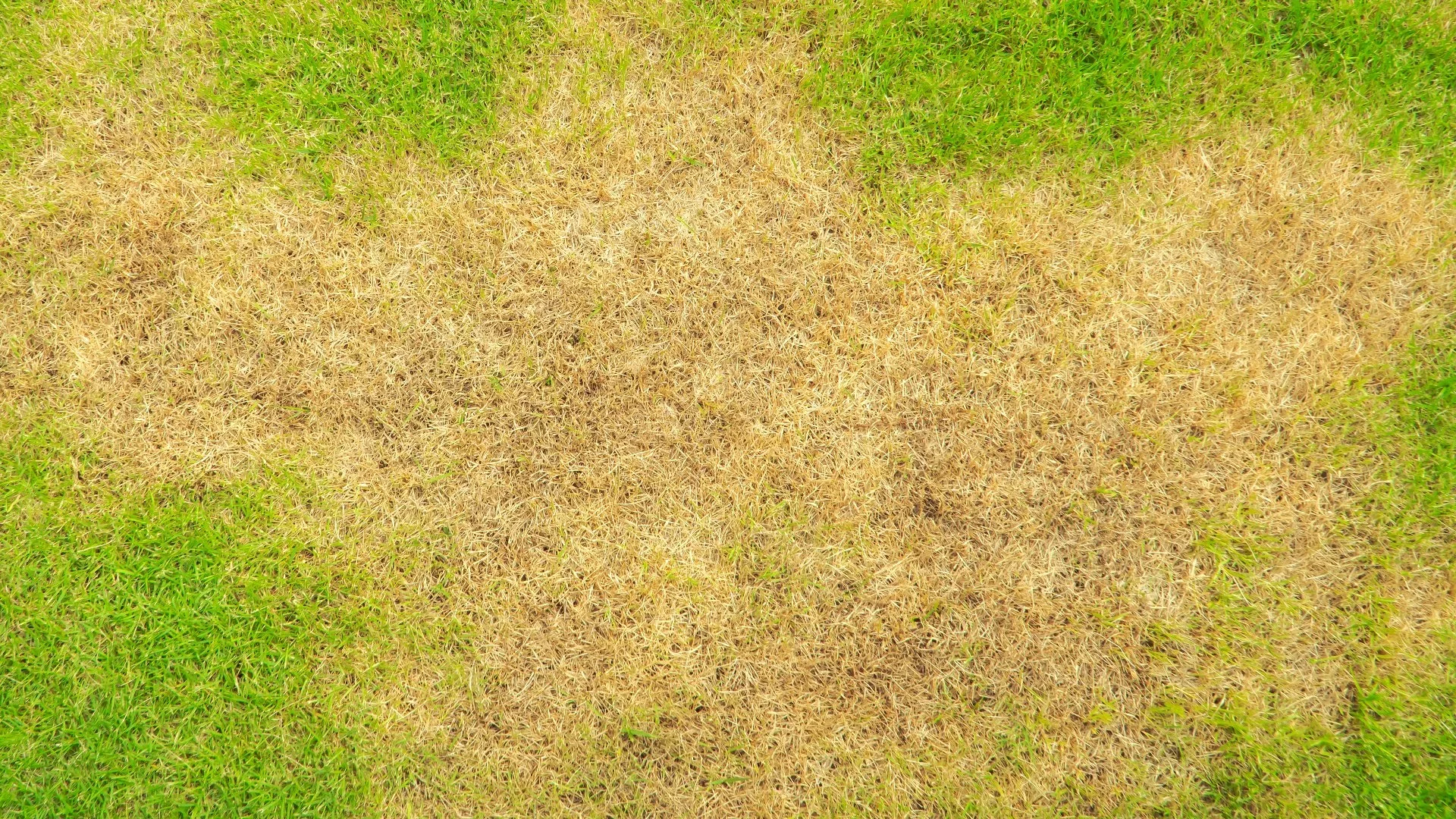
Necrotic ring spot is a root disease of Kentucky bluegrass and sometimes tall fescue. Classic symptoms include circular patches of tan grass with greener centers, giving a ring or frog eye appearance. Patches expand slowly through summer when soil is warm and moisture stays high in the profile under those arcs. Foot traffic and compaction make expression worse on older lawns in Fruita and established neighborhoods in Redlands.
Bermudagrass does not show necrotic ring spot the same way cool season turf does. If your ring sits entirely on a bermuda strip, look first at chinch activity, billbug injury, or dry coverage, not fescue disease protocols.
## When irrigation waste copies disease
Overlapping sprinkler throws keep some areas wet while berms dry. Fescue in low spots may stay dark green while slightly raised rings show stress that looks fungal. Night watering on warm weeks adds leaf wetness that favors several leaf spots even when the primary issue is coverage waste. Before you approve a disease program, run each zone and mark overspray on hardscape, puddles that linger past mid morning, and heads that fog instead of reaching the far edge. Water on concrete is water the drought stressed berm never got.
Sprinkler Timer Habits for Peak Heat in the Grand Valley pairs well with this article when your rings appeared after you lengthened summer cycles. Irrigation repairs for tilted heads and mismatched nozzles often change the map within two weeks.
## Mixed lawns need split thinking
A single program that deep soaks fescue may overwater bermuda in the same microclimate or underwater a fescue ring on a shared slope. Map species before you change minutes globally. Homeowners in Palisade with fruit trees and mixed turf frequently have three moisture zones in one visual yard: shaded fescue, open bermuda, and drip under trees. Do not flood shade while sun fries the bermuda strip on the same valve.
Our lawn care visits note species boundaries so fertilization and disease treatments respect them. Extra nitrogen on stressed fescue rings can worsen expression when roots are already compromised in this heat.
## Treatment paths that match evidence
Confirmed necrotic ring spot may require fungicide timing, aeration to relieve compaction, and long term cultural change. Aeration in fall helps water and air reach roots on older stands. Overseeding with improved cultivars may be part of a multi year plan on heavily ringed lawns. We do not recommend fungicide alone on patterns that track sprinkler overlap.
If grubs peel turf on the same berm, read Grubs and Lawn Insects Homeowners Should Watch For before assuming every ring is fungal.
## Cultural habits that reduce ring pressure
Raise mowing height on affected cool season turf during heat. Sharpen blades so torn leaf tips do not invite secondary issues. Avoid fertigation panic: lawn fertilization should follow recovery stages, not calendar fear. Keep traffic off saturated rings while you fix irrigation so soil can breathe and limited water can move into the root zone.
Yard cleanup that opens airflow to shaded fescue can help marginally when tree limbs low over turf hold humidity from evening spray. Plant trimming may be part of that work on older Orchard Mesa lots.
## Planning beyond one summer
Necrotic ring spot management is often a season by season plan, not one spray. Document ring size monthly with a fixed photo point from the porch or sidewalk. Track irrigation changes on the same sheet. That log makes spring irrigation startup conversations faster.
Mesa Turf Masters helps Grand Junction, Fruita, Palisade, and Grand Valley homeowners connect water, turf type, and labeled disease care. Call (970) 434-5440 or request a quote when rings expand despite your best watering effort. Use #quote to send photos and we will help you sort overlap from disease.
## Long term lawn renovation when rings persist
Some fescue stands on older Grand Junction lawns carry ring spot pressure year after year because cultivar and soil structure work against them. Multi year plans may include improved seed choices at overseeding, split irrigation valves, and patience with fungicide timing only where rings are confirmed, not on every brown arc near the sidewalk. We will tell you when lawn renovation is a better call than another summer of chasing symptoms on declining crowns.