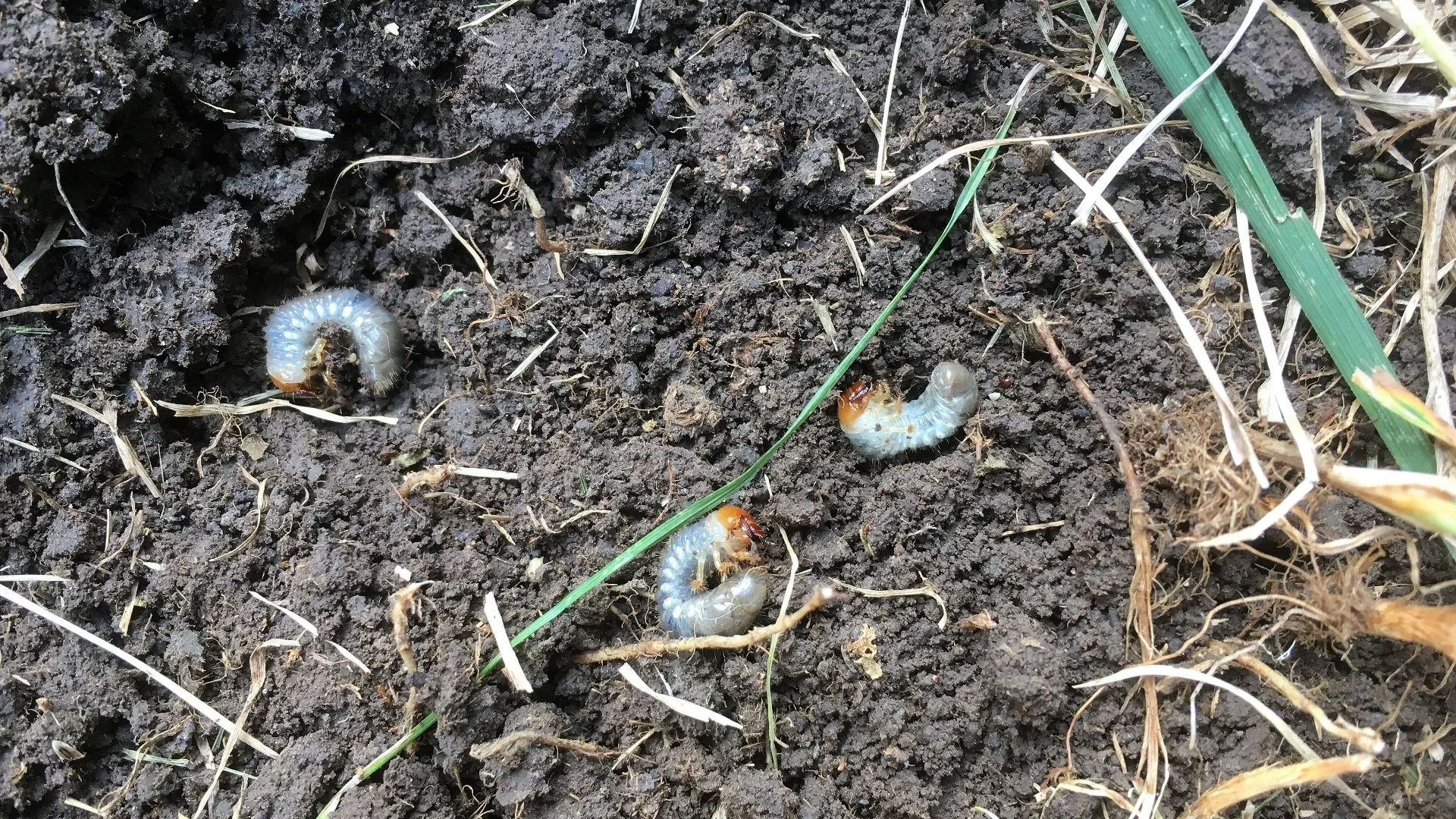
June soil warming in the Grand Valley is not even from lot to lot. A south facing slope in Grand Junction can hold heat that grubs and billbugs prefer, while a shaded strip near the porch still looks untouched. This dry summer stacks drought stress on the same berms insects favor, so homeowners often call us when a patch pulls up like carpet and assume thirst alone caused it. Sometimes drought is the whole problem. Often white grubs or billbug larvae were feeding while the lawn was still green from spring moisture, then hot dry weather made the injury obvious. Mesa Turf Masters has provided grub control and lawn insect control across Western Colorado since 1992.
Knowing what to watch for in June saves turf that would be lost by August if insects go untreated on drought stressed grass.
## What grub damage looks like on valley slopes
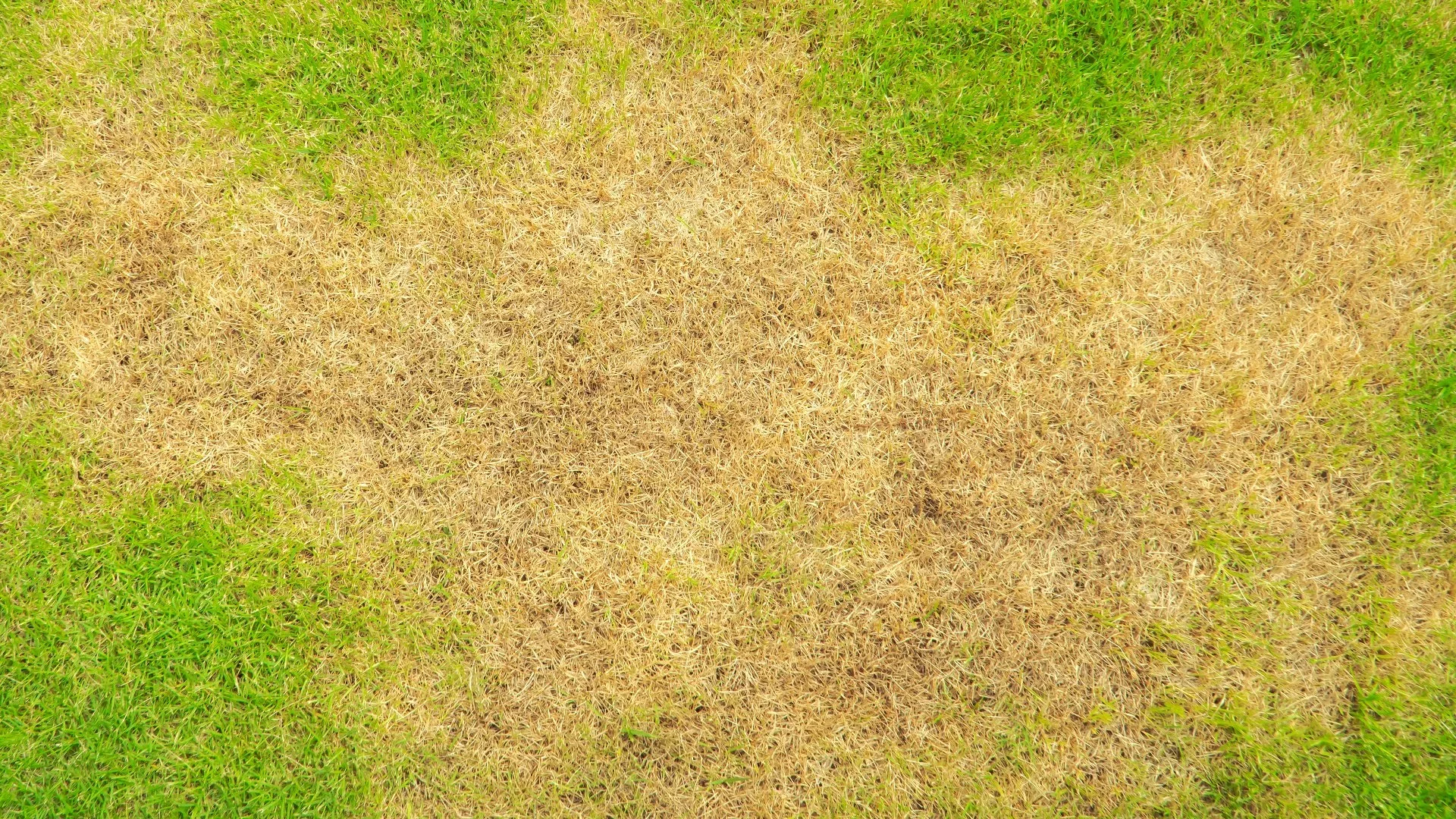
Grub injury often starts as wilting that does not respond to water. Blades turn brown on a berm that used to recover overnight. Turf feels spongy underfoot before it dies completely. When you tug on dead grass, it may peel away with shallow roots because larvae cut the anchor points beneath the crown.
Damage frequently follows sun and grade: top of the berm first, low spots later if populations spread. Fruita and Clifton lawns with mixed soil and irrigation coverage show arcs that mirror spray patterns and slope together. Do not assume every brown patch is grubs, but investigate arcs that ignore your best watering effort when you already cannot waste water.
## Billbugs and other insects that mimic drought
Billbug adults and larvae damage crowns differently than grubs but produce similar homeowner panic. Small dead spots merge into large areas on Kentucky bluegrass and tall fescue. On warm season turf, chinch bugs can bleach edges while the center still looks green. Our billbug control and chinch bug control programs use labeled materials timed to life cycles, not blanket sprays every time color fades in this heat.
Read Late May Lawn Insects to Watch in the Grand Valley for the earlier season window when scouting starts to matter. By mid June, soil warmth on open slopes accelerates feeding on turf that is already dry at the edge.
## Confirm before you treat
Professional diagnosis combines field signs, species knowledge, and sampling where appropriate. Retail grub products applied too early or without need waste money and can disrupt beneficial soil life. If fewer than a handful of grubs appear in a square foot sample and turf is otherwise healthy, treatment may not be warranted. If counts are high on a slope that already shows injury, grub control integrated with lawn fertilization and irrigation repair usually outperforms a single DIY application.
Fix irrigation repairs on the same berm at the same time. Insects exploit grass that is already weak from dry soil or short coverage. Adding minutes without fixing aim does not replace a real insect read, and it wastes limited water on pavement.
## Recovery after insect damage
Thin turf may need aeration and overseeding in fall once heat passes and water is reliable. Severe loss on a main lawn area might point toward lawn renovation or sod installation the following season if crowns are gone. Lawn revive treatments can help color on salvageable turf when roots remain.
Keep mole control separate from grub logic in conversation: moles eat grubs but treating moles alone does not always solve grub populations or lawn recovery.
## Prevention across the Grand Valley calendar
Healthy turf with appropriate mowing height and even coverage resists insect outbreaks better than stressed turf on a timer that no longer matches July heat. Lawn maintenance through the growing season keeps that baseline strong. On properties in Palisade and Orchard Mesa, we often pair insect scouting with summer fertilization visits so problems are caught before they ring the front yard.
If damage overlaps with fungus rings on mixed fescue and bermuda, read Necrotic Ring Spot and Irrigation on Mixed Grand Valley Lawns so you do not treat insects when irrigation overlap is the primary driver.
## Next steps for your yard
Photograph affected areas at the same time of day two days apart. Note slope direction, last irrigation adjustment, dry edges, and any recent fertilizer. That history speeds up a useful visit.
Mesa Turf Masters serves homeowners across the Grand Valley with practical insect programs rooted in Western Colorado conditions. Call (970) 434-5440 or request a quote when you want grub and lawn insect scouting on your property. You can also reach us through #quote with photos of lifting turf or expanding dead patches.
## Retail products versus professional programs
Hardware store grub killers often promise season long control on packaging built for other regions. Western Colorado soil temperature, species mix, and this dry year change how well those products perform when applied on a guess. A professional grub control visit confirms whether your population warrants treatment, which material fits your turf, and how watering in should happen on your soil without flooding shade while sun fries the berm. That sequence costs less than replacing a front yard section that died while the wrong product sat on the shelf.
Skunks and birds digging for grubs can tear up as much turf as the larvae themselves. Once feeding ends for the season, plan recovery rather than repeated rescue sprays on bare soil.