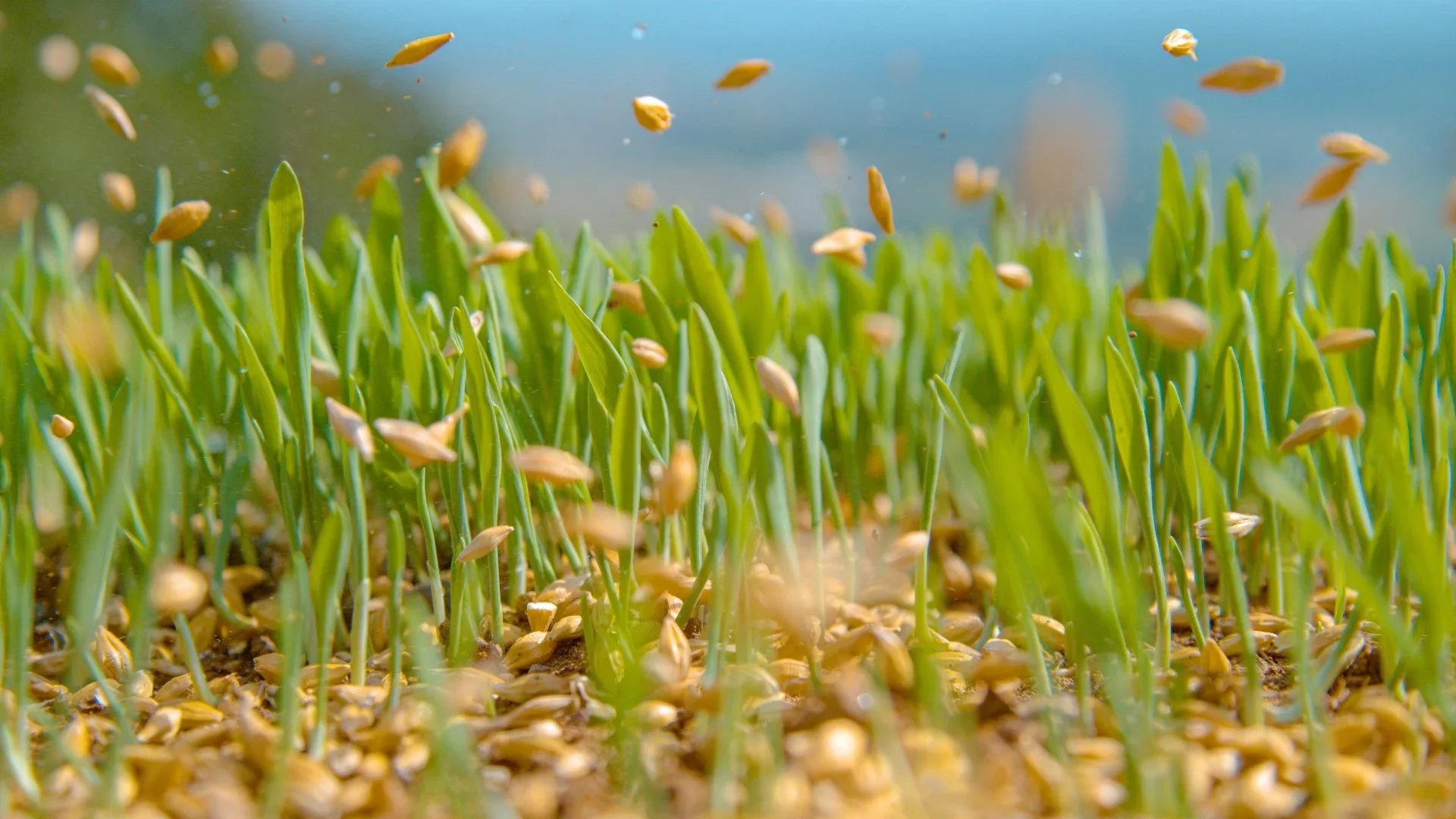
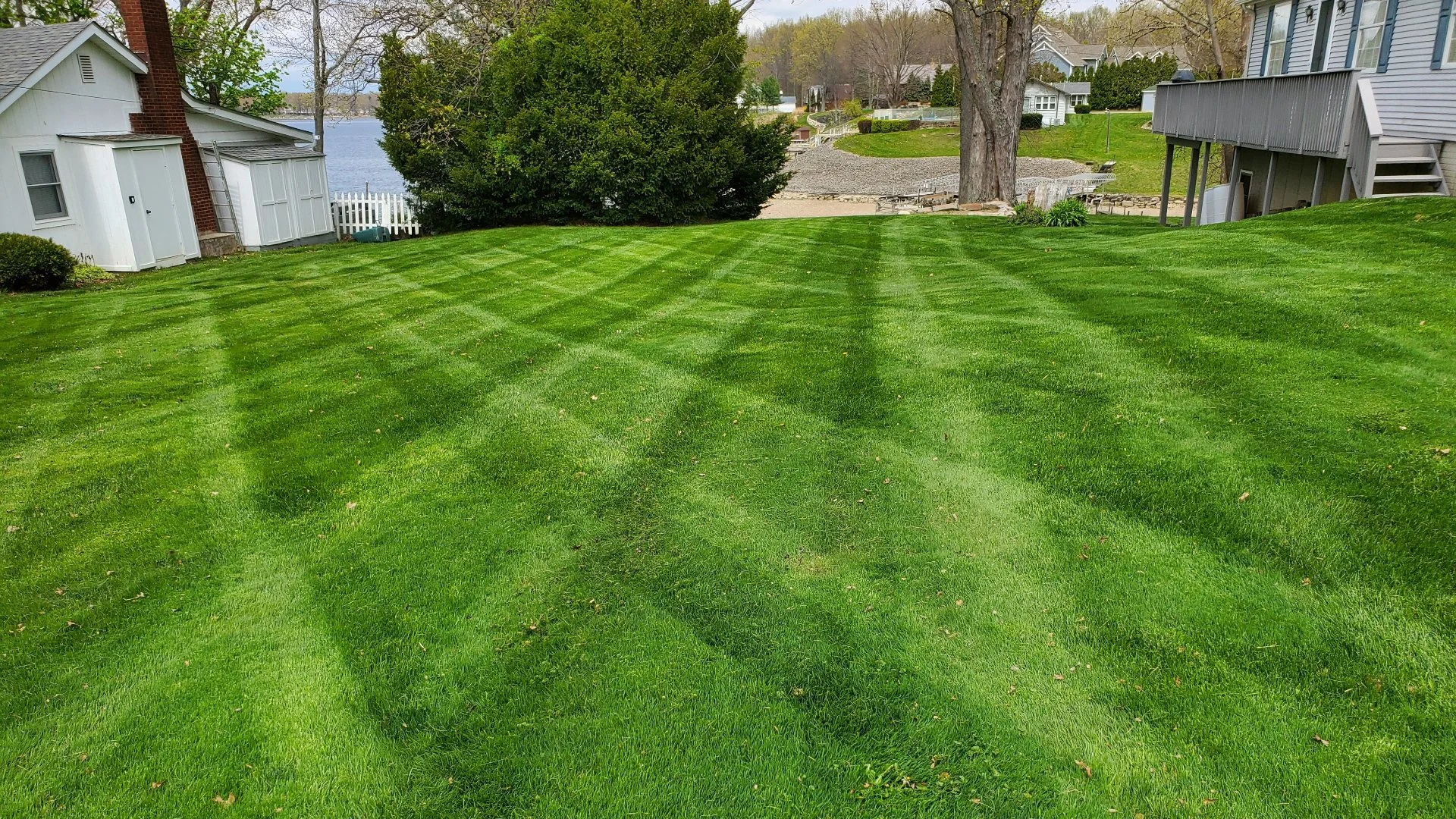
Late May in the Grand Valley is the week warm-season turf stops getting away with spring moisture alone. Bermudagrass on open slopes in Grand Junction and Fruita greens hard while edges along driveways show the first sustained insect pressure many homeowners notice all year. Cool-season turf on the same property may still look fine, which makes edge damage easy to blame on the spreader or the dog. Mesa Turf Masters provides lawn insect control, chinch bug control, and grub control with timing built for Western Colorado.
Late May scouting prevents July renovation on berms that looked acceptable on Memorial Day.
## Chinch bugs on bermuda margins
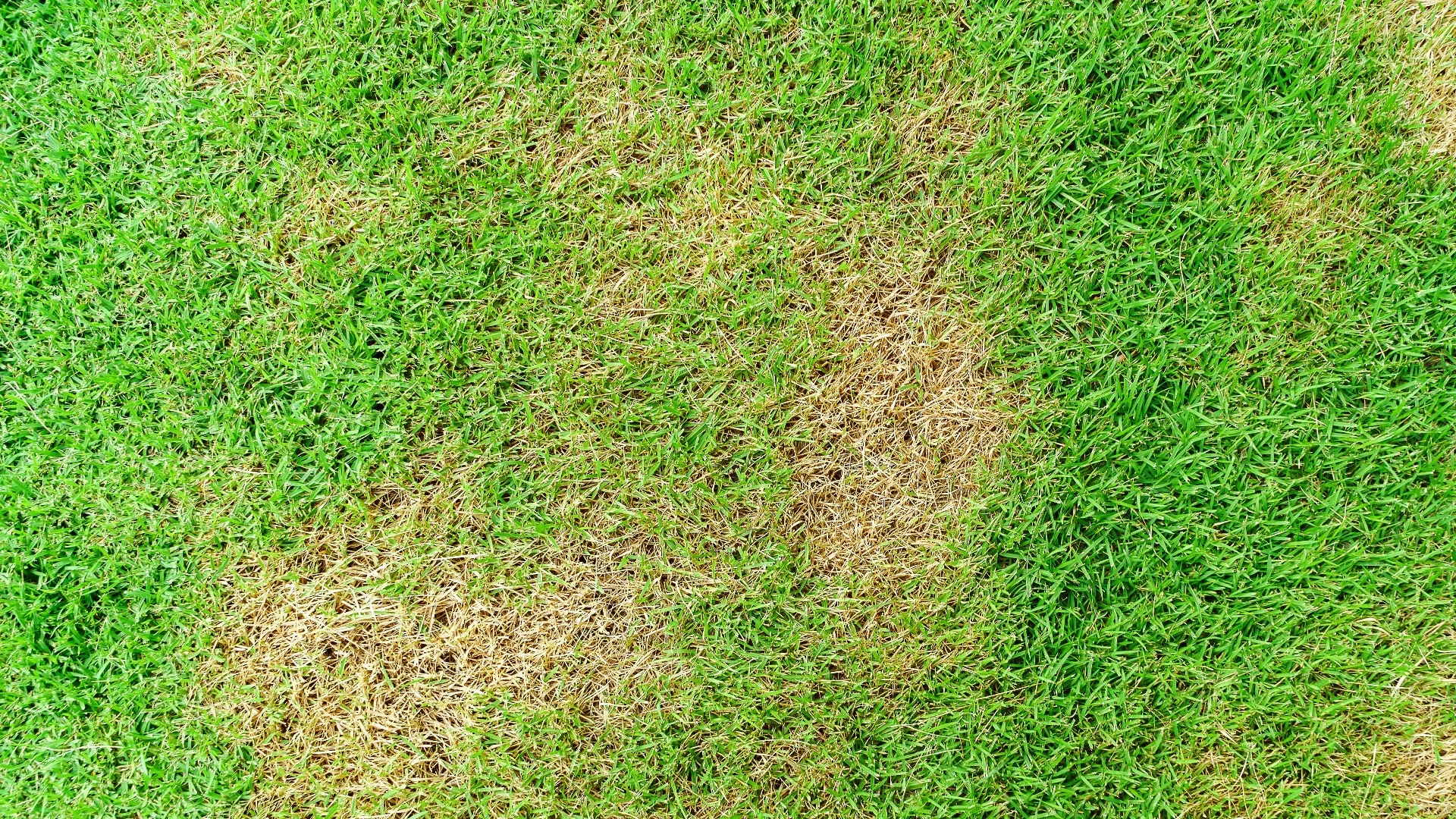
Chinch bugs aggregate on hot, dry grass next to hardscape. Initial injury bleaches blades before crowns die. Extra irrigation minutes on the whole yard may not wet the edge strip if heads throw short. Walk the border at dusk and look for insects when damage is still yellow rather than fully dead.
Compare Why Your Lawn Shows Different Colors in May when color splits track edges only. Evening Watering and Summer Lawn Insects in the Grand Valley covers what happens when May habits continue into June without coverage fixes.
## Billbugs on cool-season slopes
Billbug adults and larvae damage Kentucky bluegrass and tall fescue crowns on warmed slopes in Clifton and Palisade. Small dead spots merge into larger patches that pull up easily. This pattern differs from grub injury but both deserve professional confirmation before treatment.
Our billbug control integrates with lawn fertilization when turf can still recover after labeled application.
## White grubs warming into feeding
Grub populations feed as soil temperatures rise on south-facing berms. Damage may lag feeding by weeks, so late May sampling on suspicious slopes informs June decisions. How to Identify and Treat Grubs in Your Lawn walks through life cycles and when grub control returns value.
Do not treat grubs on every brown patch; treat confirmed pressure on turf that irrigation supports.
## Water and mowing still come first
Insects exploit weak grass. Fix irrigation repairs on edge zones before assuming chemicals will replace missing throw. Mower Height and Irrigation Overlap in May helps reduce stress that makes late May pressure look worse than it is.
Avoid scalping bermuda before weekend traffic; worn edges invite secondary stress. Lawn Wear from Cookouts and Foot Traffic matters when insects and wear share the same arc.
## When programs beat one-off sprays
Retail insecticides applied without species ID waste money and can harm pollinators when misdirected. Our programs scout, treat with labeled materials, and follow up through peak summer. Lawn disease control stays separate when fungus rings on fescue mimic insect injury after wet weeks.
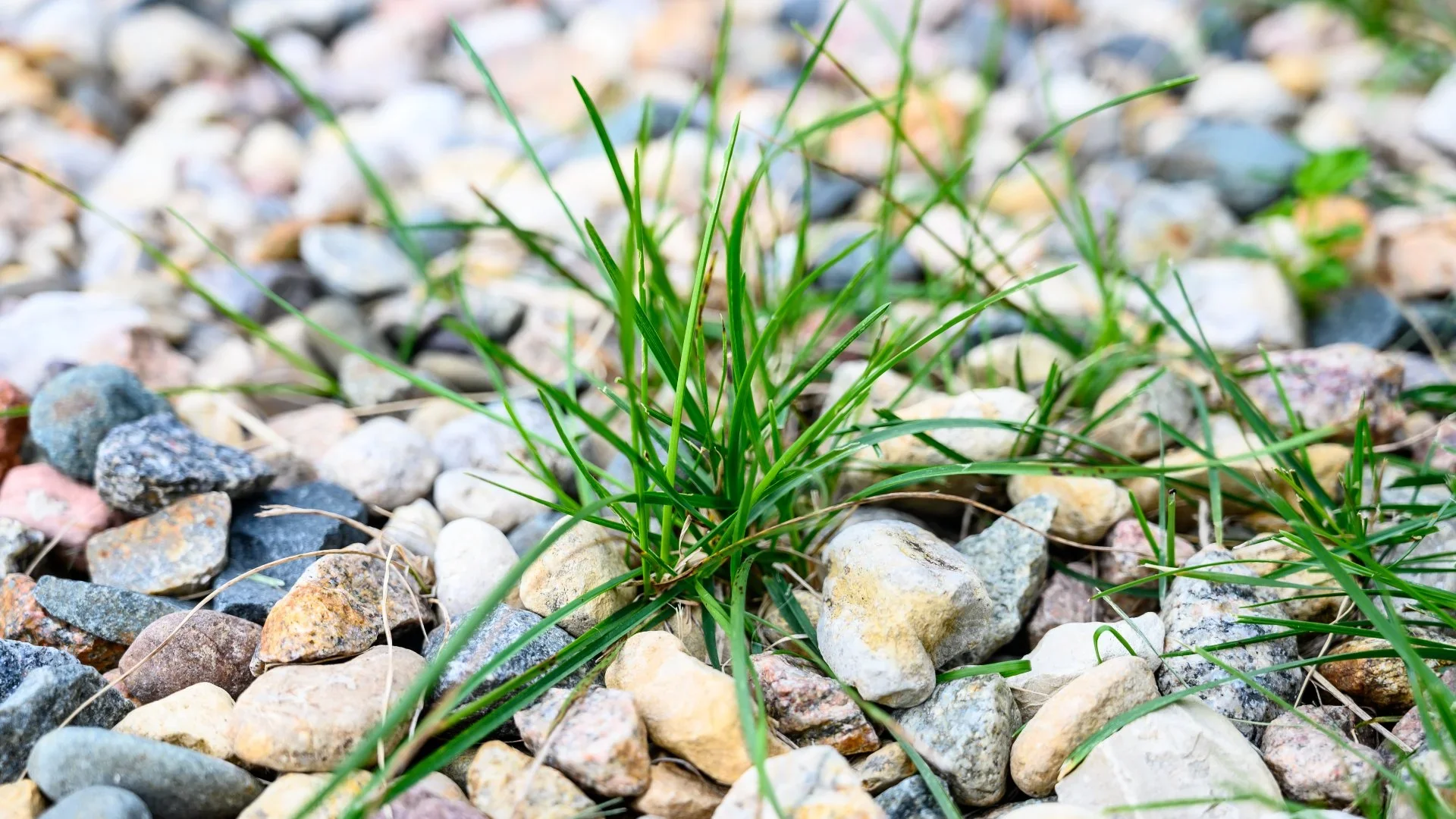
Properties combining turf and rock weed control along desert edges should keep overspray in mind when treating lawn margins.
## Fall recovery planning starts now
If late May scouting shows high counts on a main berm, plan for possible aeration and overseeding in fall after heat passes. Severe loss may point to sod installation on critical areas next season.
Photograph damage weekly from a fixed point so you know whether treatment stopped spread or only slowed it.
Mesa Turf Masters serves the Grand Valley with insect programs rooted in local turf reality. Call (970) 434-5440 or request a quote for late May scouting on your lawn. Submit edge photos through #quote if you want help before damage connects across the yard.
## Dogs, edges, and confused diagnosis
Pet urine and repeat dog paths bleach grass similarly to chinch on bermuda margins. Look at whether damage follows the fence line where dogs patrol versus the driveway where chinch prefer heat. Fixing irrigation on pet arcs still matters even when insects are absent—weak grass invites every stressor at once.
Grand Valley HOAs and rental properties with high foot traffic should scout weekly through late May because small yellow tufts connect quickly once June heat arrives. Early lawn insect control on confirmed species protects curb appeal without waiting for dead patches visible from the street.
## Document before you treat
Take dated photos of yellowing edges and note which irrigation valve feeds them. Bring that history when you call about chinch bug control or billbug control so treatment matches species and site conditions on your Grand Junction or Fruita lot rather than a generic lawn spray.
## Partner with steady lawn maintenance
Regular lawn maintenance visits catch edge color change while populations are still small. That is when labeled lawn insect control returns the most value for Grand Valley bermuda and fescue alike.