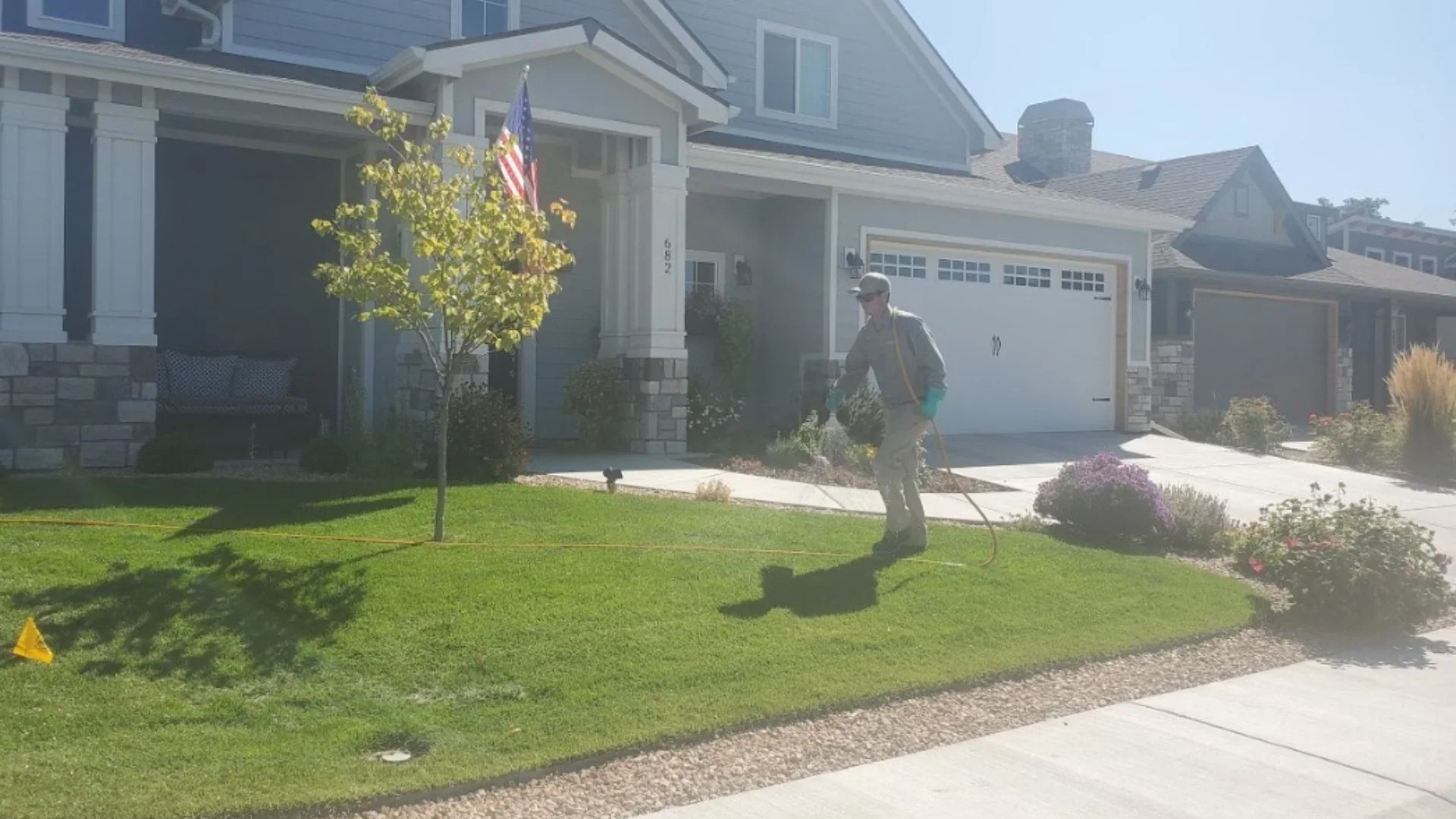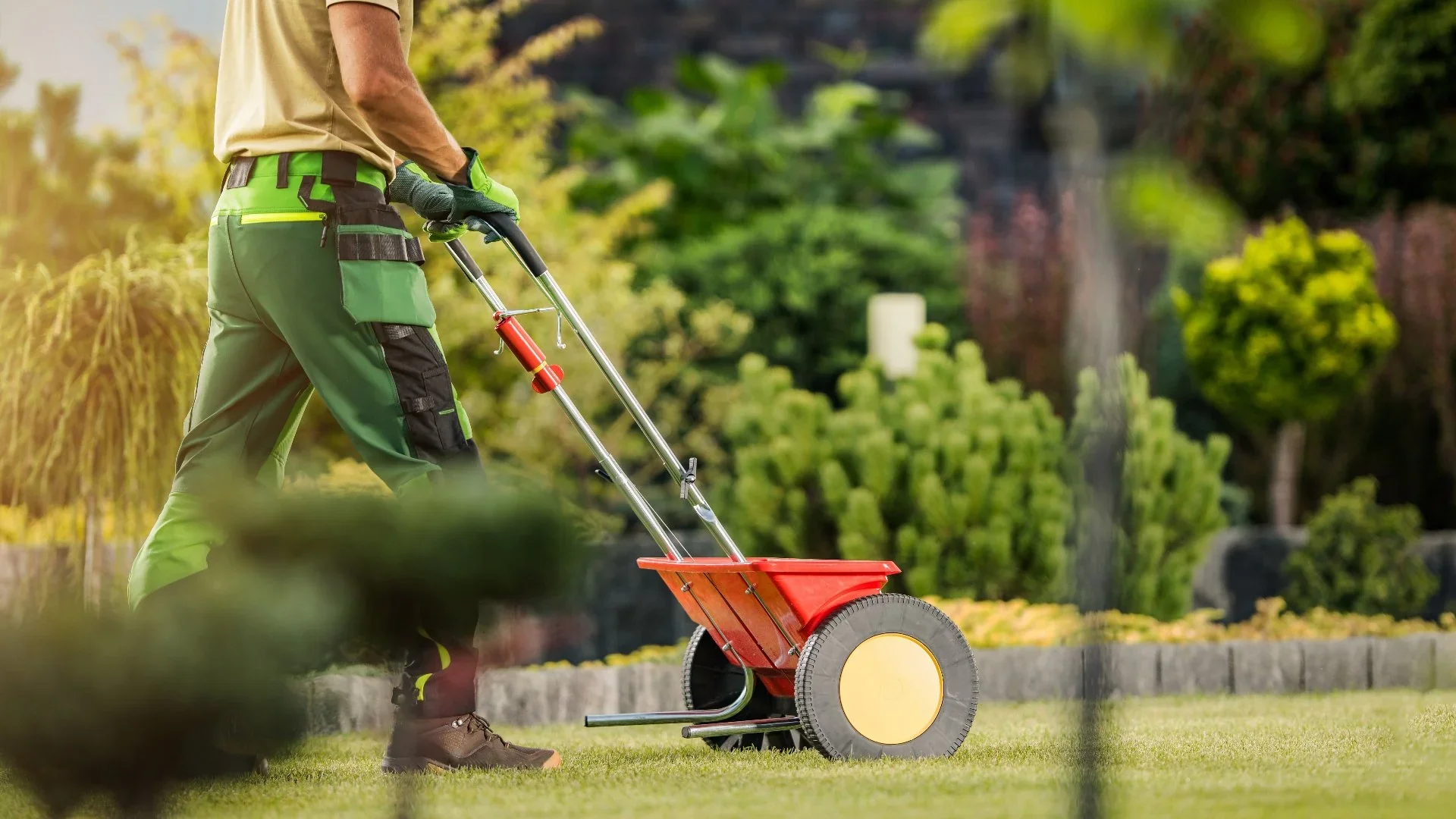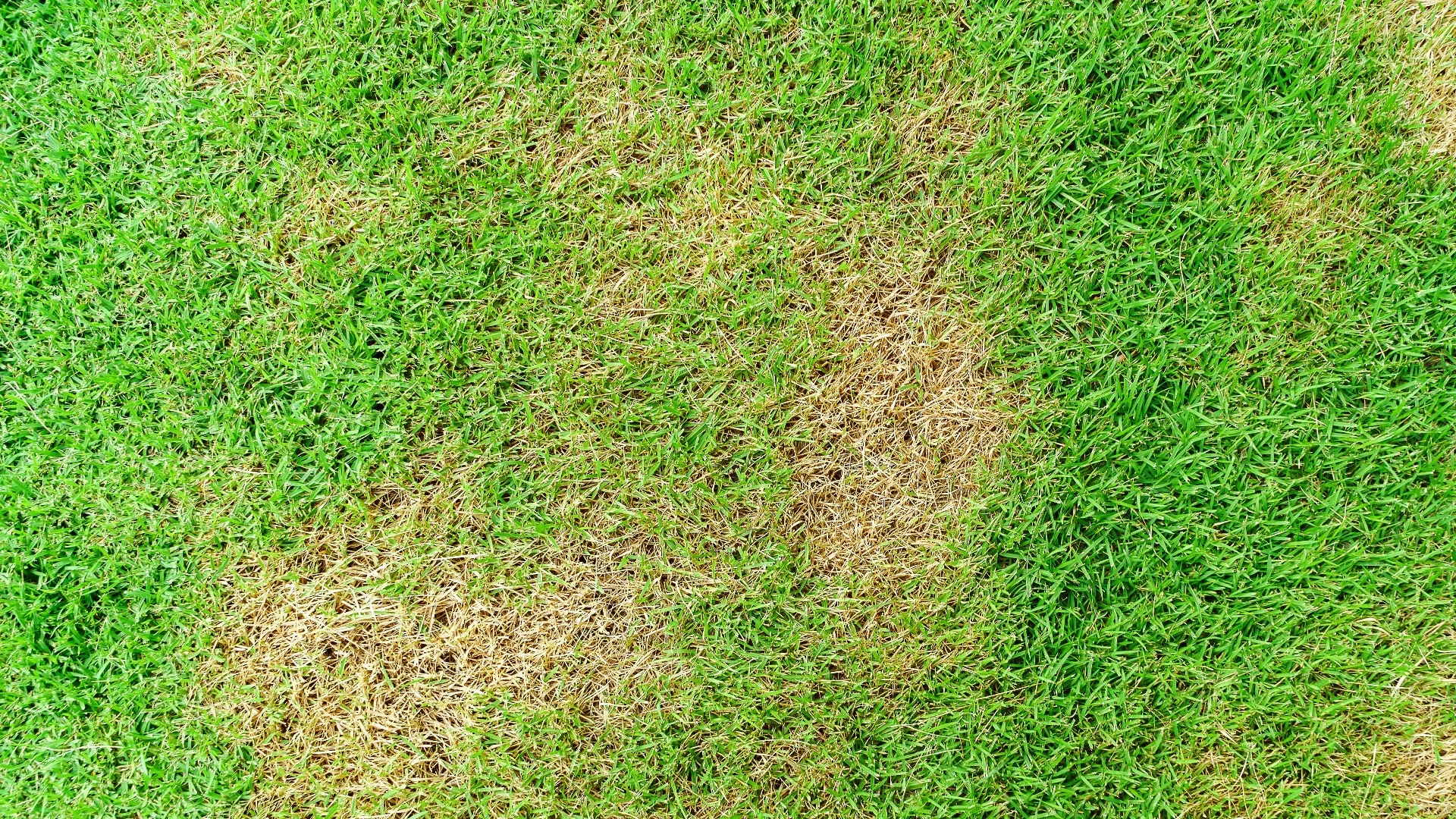
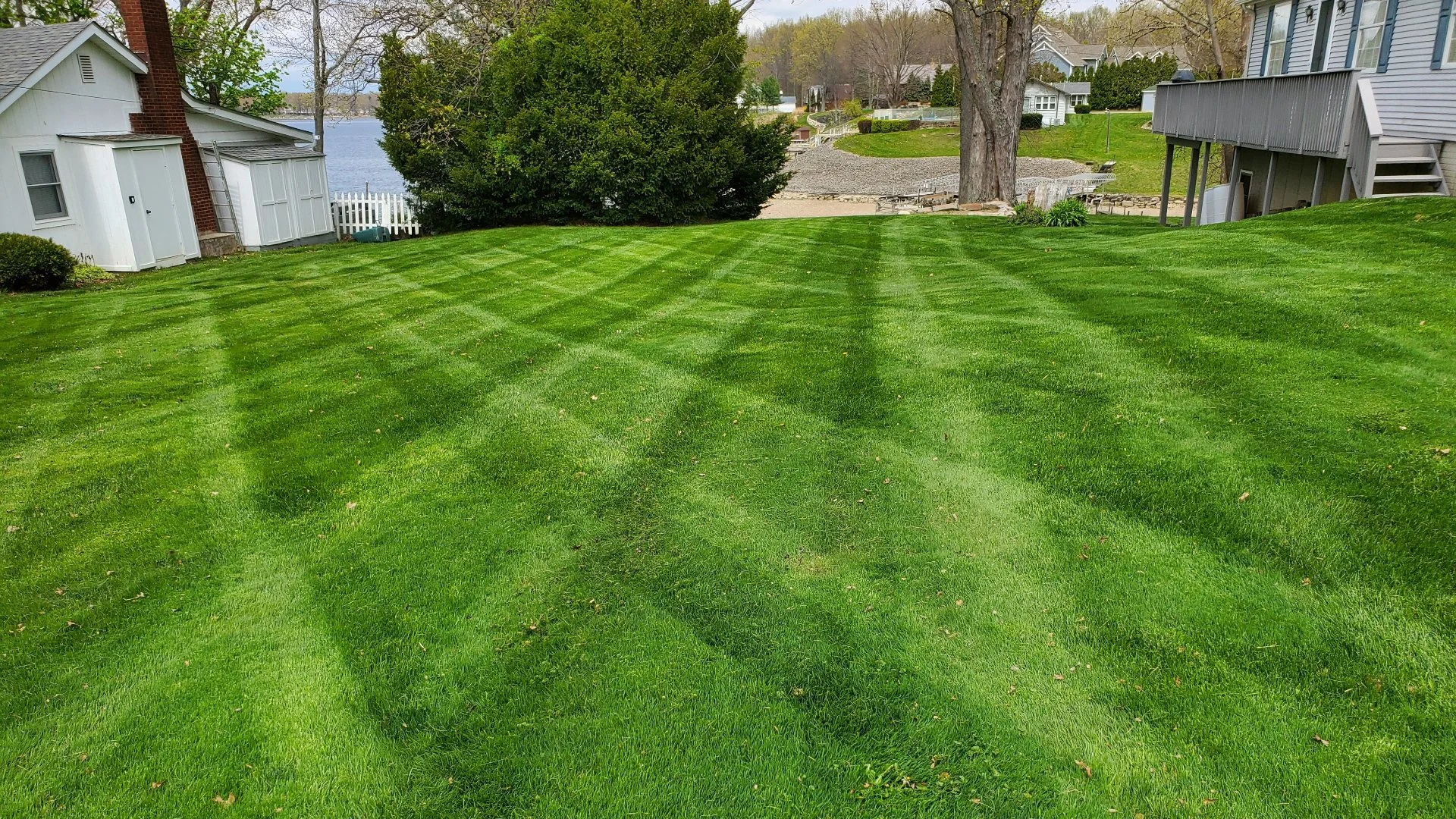
April in the Grand Valley means lilacs, fluctuating temperatures, and wind that can steal sprinkler throw before the water hits the ground. Every year Grand Junction and Fruita homeowners run irrigation startup after winterization, then assume the clock is set until July. Windy April afternoons often tell a different story: dry west berms, mist blown into the street, and shrub heads that never reach the lawn behind them. Mesa Turf Masters has started and repaired Western Colorado systems since 1992.
April wind and irrigation startup belong in the same conversation because coverage you verify in calm weather may fail on gusty afternoons when the valley floor dries fastest.
## What wind does to spray patterns
Rotor heads lose distance when wind catches the stream. Misters create fog that evaporates before it settles. Spray onto hardscape wastes water and grows weeds in cracks later. Walk zones on a calm morning and again on a windy afternoon before you lock May programs.
Open lots toward Loma and Palisade see more drift than sheltered Redlands yards with fences and mature trees.
## Startup steps beyond turning water on
Startup includes pressurizing lines, checking for winter damage, adjusting arc and radius, cleaning clogged nozzles, and programming the controller for spring growth—not copying last August’s minutes. Leaks at risers and split lateral lines show up when systems first pressurize.
Follow with irrigation repairs for stuck valves, failing solenoids, and heads knocked crooked by plows or lawn mowers over winter.
## Pair startup with spring lawn habits
Weed Lines Along Patios Before Your First Spring Mow connects overspray and early weeds along hardscape. First mow timing matters when new growth is tender; steady lawn maintenance should wait until turf is actively growing without tearing wet blades.
Pre-Emergent Weed Control Timing in the Grand Valley overlaps April calendar decisions for weed control on turf started correctly for the season.
## Rain sensors and spring storms
April squalls drop quick rain then return sun the same day. Rain sensors must be connected before you trust automatic skip logic. Manual notes prevent the pattern of running sprinklers during a storm because the controller never saw enough cumulative moisture.
May controller updates build on honest April baselines—read Sprinkler Controller Settings Before June Heat when nights warm.
## Trees, drip, and spray on one property
Startup is the time to confirm drip emitters under maturing trees still match canopy spread. Lawn spray alone rarely deep-waters roots at the drip line. Tree and shrub care and winter tree watering connect to how April irrigation is zoned.
Yard cleanup removes debris covering heads before you assume a zone is dry when it is simply blocked.
## Document for the whole season
Photograph each zone’s throw once in April wind. Save notes on the controller or phone for June heat updates in Update Your Sprinkler Timer for Peak Summer Heat.
Fall irrigation winterization goes smoother when summer repairs were logged at startup.
Mesa Turf Masters serves Grand Junction, Fruita, Palisade, and the Grand Valley with startup, repair, and seasonal irrigation care. Call (970) 434-5440 or request a quote for April startup and wind-aware coverage checks. Use #quote with photos of drift and dry wedges.
## Backflow and pressure checks at startup
Startup season is the right time to confirm backflow devices function and static pressure has not changed since last year. New construction nearby or municipal work can alter pressure enough that old nozzle choices no longer match. Low pressure at the far head mimics wind drift because water never reaches the intended arc.
Keep a list of heads replaced at startup so irrigation repairs in July are faster when you know what is new versus original.
## Shrub zones that steal lawn water
Shrub misters and lawn rotors on shared schedules often overwater shrubs while lawn starves—or the reverse when you cut minutes globally. Startup is the time to split those habits before May color splits appear. Tree and shrub care and turf irrigation should respect different root depths on the same property map.
## Mark heads before growth hides them
Stake or flag heads that sit low before spring growth buries them. Mowers and edgers find hidden heads faster than homeowners expect, and one broken riser wastes water all May until someone notices the geyser.
## Compare calm and windy test days
Run the same zone on a calm morning and a windy afternoon each April. Keep both sets of notes at the controller so May adjustments target real drift, not memory from one perfect test day.