Spring is when Grand Valley lawns wake up, roots stretch after winter, and soil that was packed by snow, pets, and foot traffic finally gets a steady drink again. Core aeration pulls small plugs from the turf so air, water, and fertilizer reach the root zone instead of sitting on the surface. This guide explains how aeration fits a Western Colorado spring, what you should expect on service day, and how Mesa Turf Masters ties aeration into lawn care, lawn fertilization, and optional overseeding.
Why aeration matters in the Grand Valley
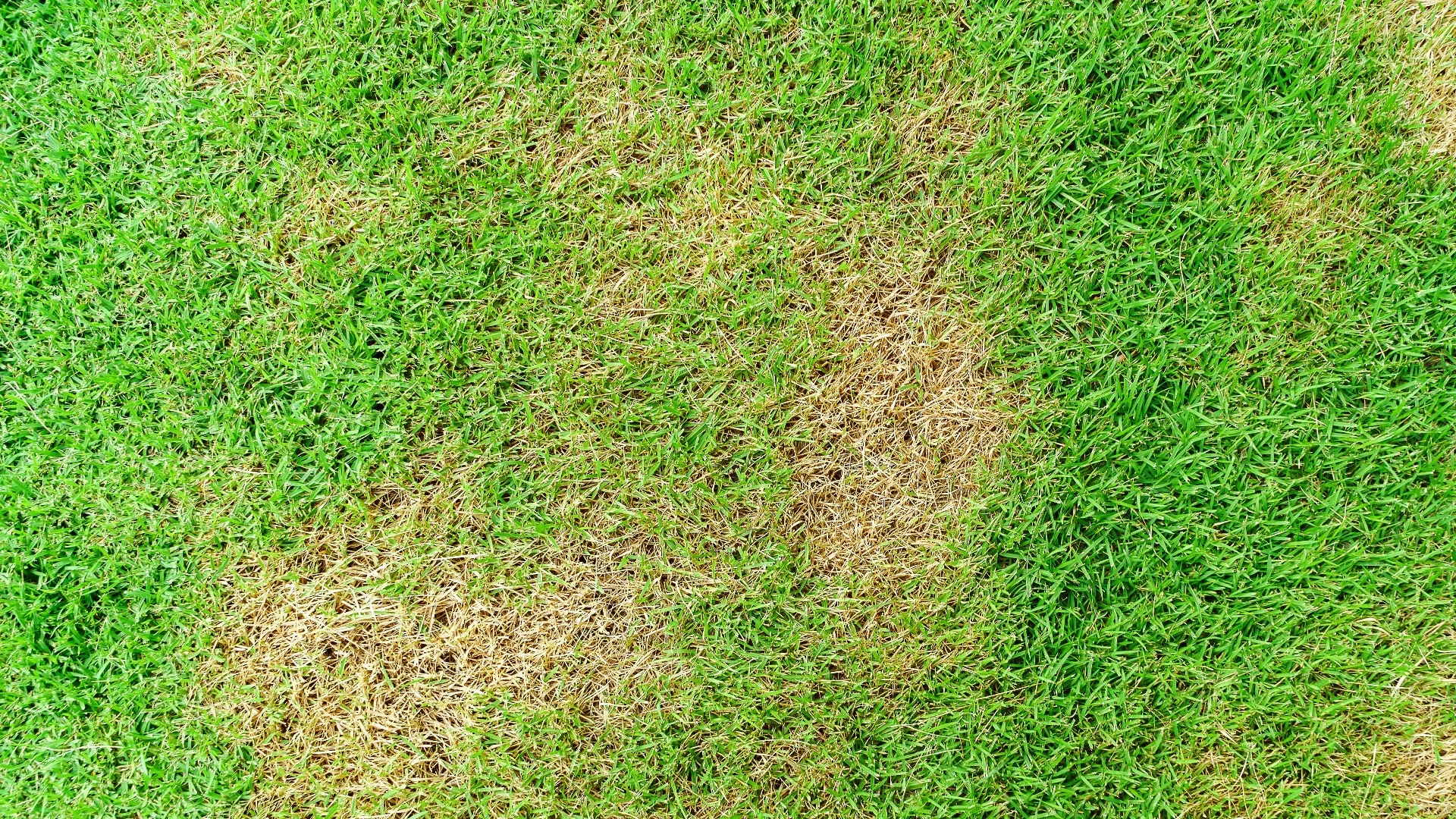
Our climate is high desert bright: hot days, cool nights, and wind that dries the surface fast. Compacted soil forces roots to stay shallow, which makes grass go brown first along driveways and sidewalks and in paths the dog uses every day. Aeration does not replace good irrigation, but it helps water from irrigation startup and seasonal adjustments soak in instead of running off.
When to plan spring aeration
The best window is when the lawn is actively growing and the soil is moist enough to pull a clean plug but not so wet that machines rut the yard. That often falls in mid to late spring for cool season mixes common around Grand Junction and neighboring towns. Avoid aerating during heat waves or when grass is dormant from drought stress; if you are unsure, ask during a lawn visit and we will align timing with your mowing and treatment schedule.
What happens during the service
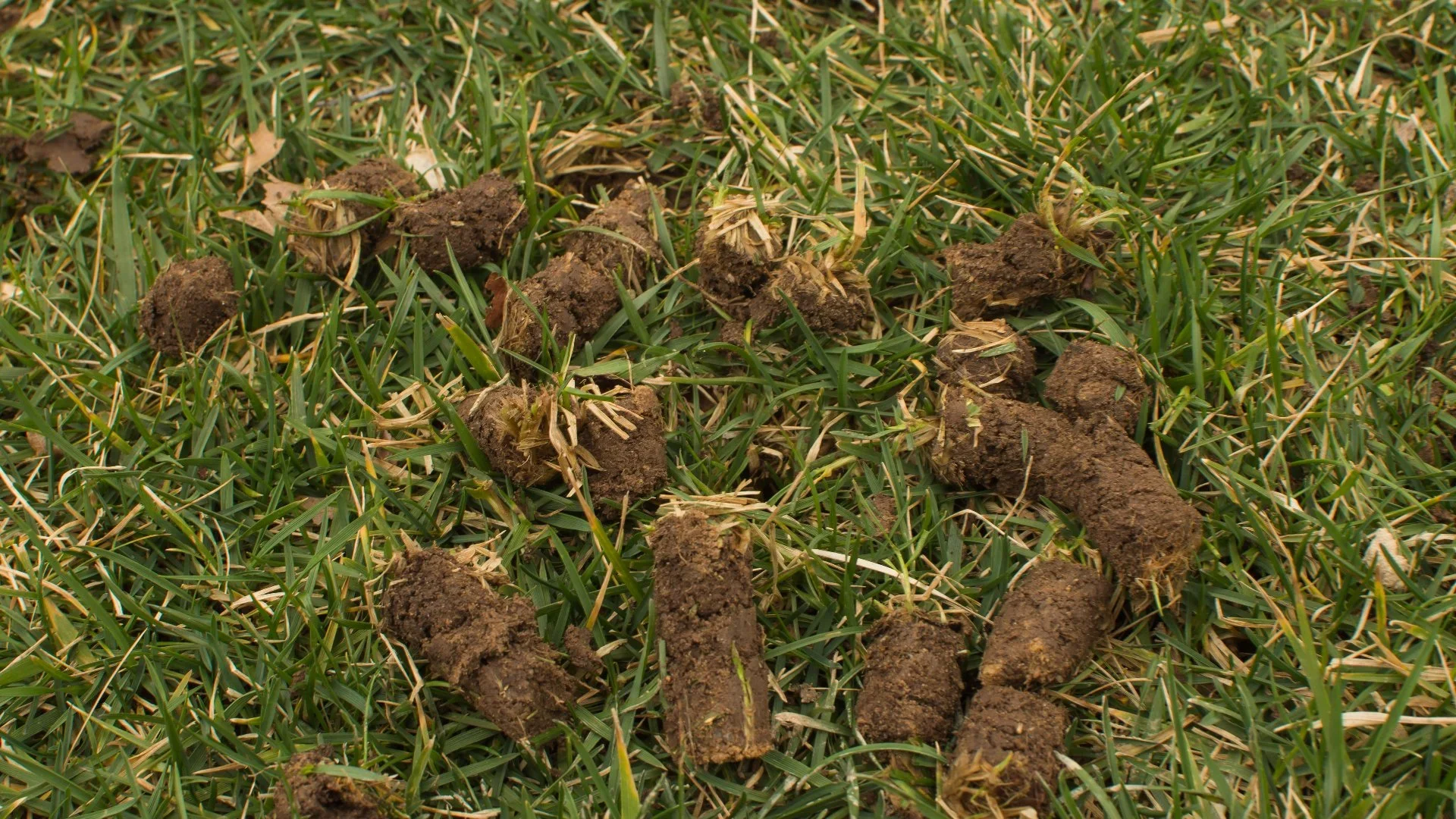
- A mechanical aerator removes cores roughly two to three inches deep, depending on soil conditions.
- Plugs are left on the surface to break down; they return organic matter to the soil and help level minor thatch.
- Flagged irrigation heads, valve boxes, and shallow lines are avoided when we know their locations.
After aeration: watering and traffic
- Keep the top few inches of soil consistently moist for about a week so roots benefit from the open holes.
- Avoid heavy use, sharp turns, and concentrated foot traffic while the lawn is soft from watering.
- Resume normal mowing once the lawn firms up and grass height supports a clean cut without tearing.
Pairing aeration with seed and fertilizer
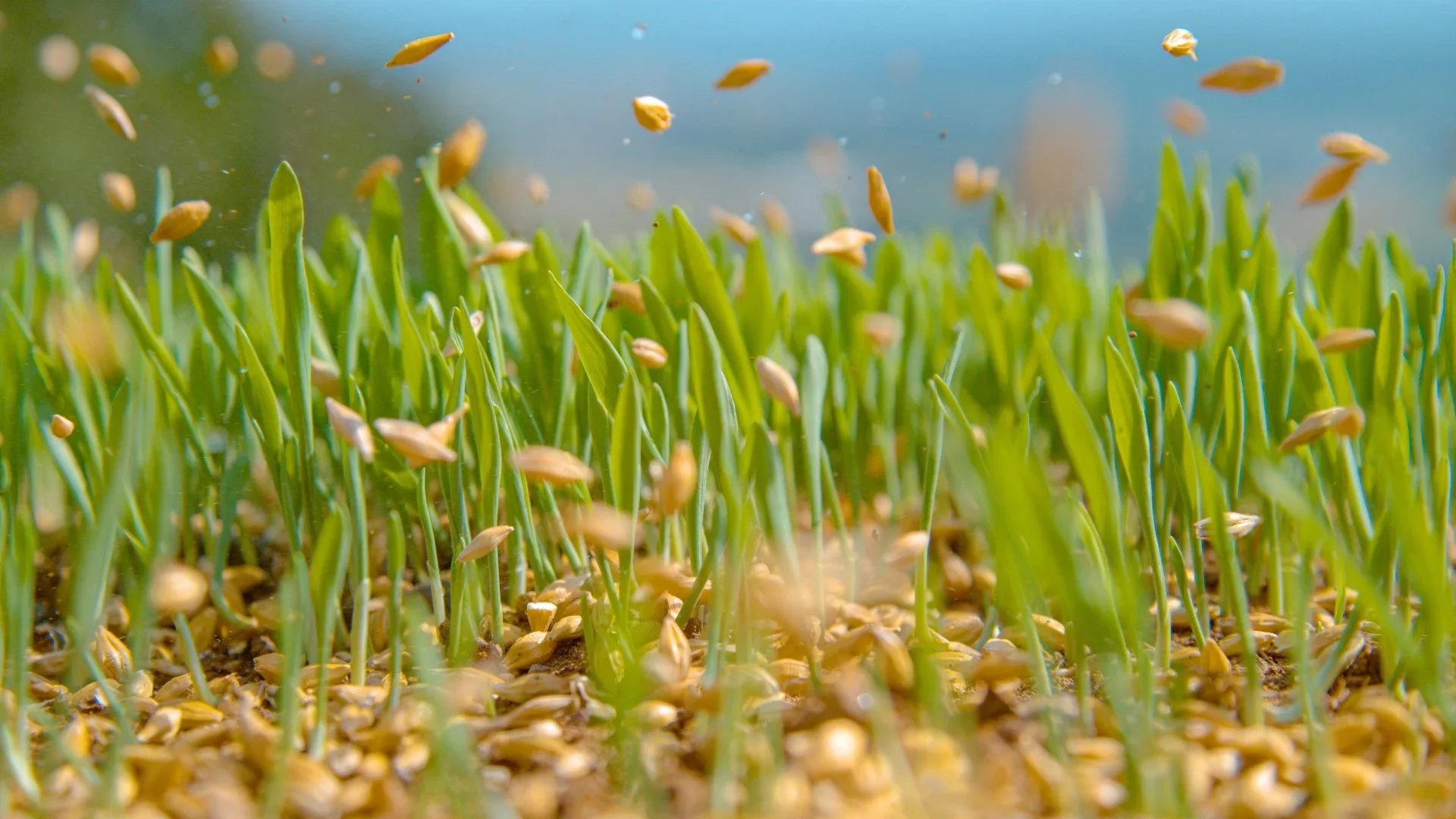
If the lawn is thin, spring aeration can pair with overseeding when weather and irrigation support germination. Fertilizer applied after aeration reaches roots through the same channels water uses, which is why many homeowners stack aeration with their lawn fertilization visit. For very weak turf, compare aeration plus seed against a broader lawn renovation plan that might include more aggressive prep or sod installation in small show areas.
What aeration does not fix
Severe weed takeover, insect damage, or chronic dry corners from bad coverage need their own fixes. Weed control, grub control, and irrigation repairs still matter. Aeration is one layer in a full program, not a single cure.
Spring takeaway for homeowners
- Plan aeration after the lawn is growing steadily but before summer heat peaks.
- Water lightly and often right after service, then return to your normal deep schedule.
- Match aeration with fertilization and, when appropriate, overseeding and irrigation checks.
Ready to put your Grand Valley lawn on solid footing this spring? Call (970) 434-5440 or request a free quote for aeration and a coordinated lawn care program in Palisade, Fruita, Redlands, and surrounding communities.