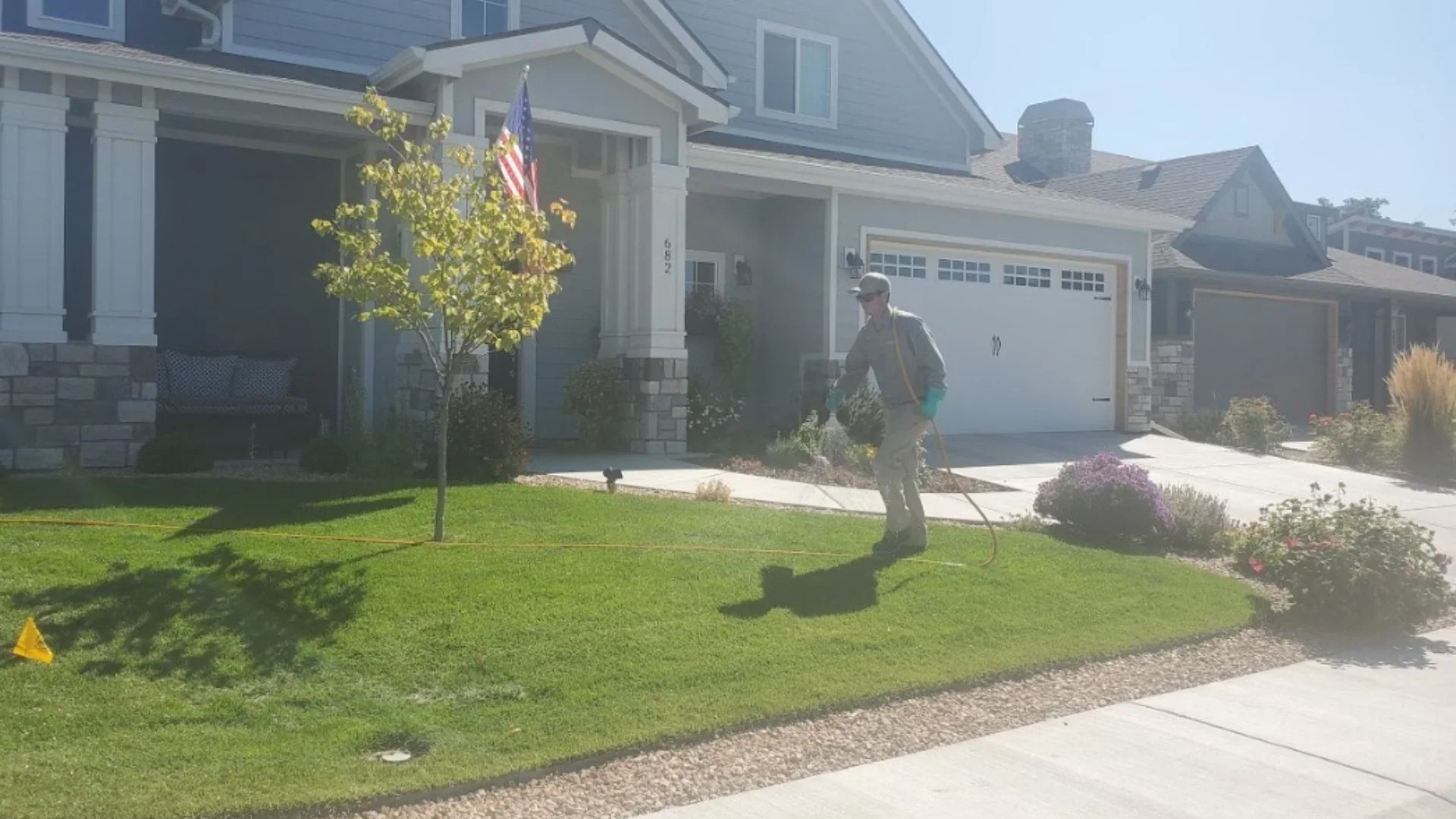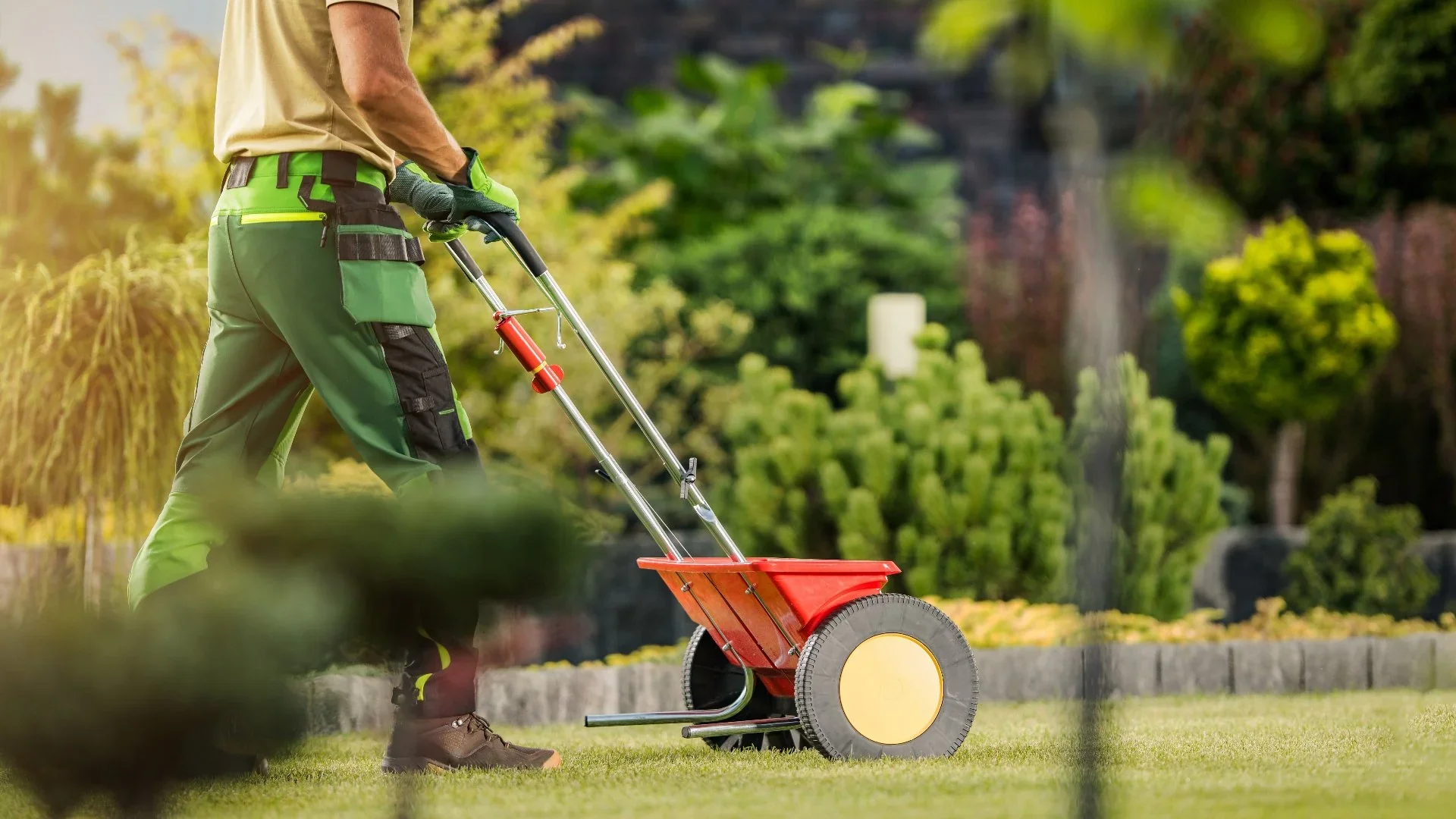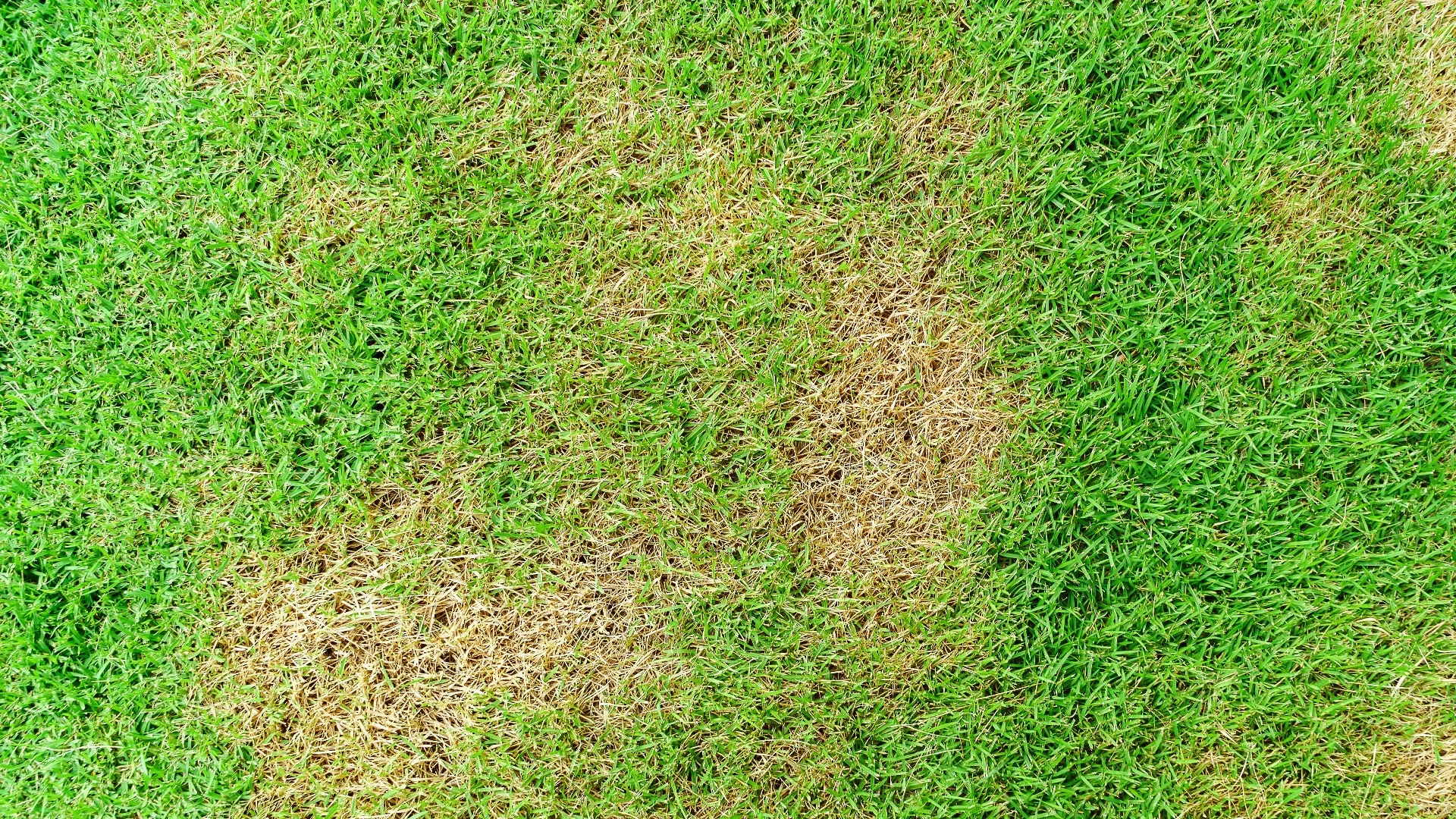
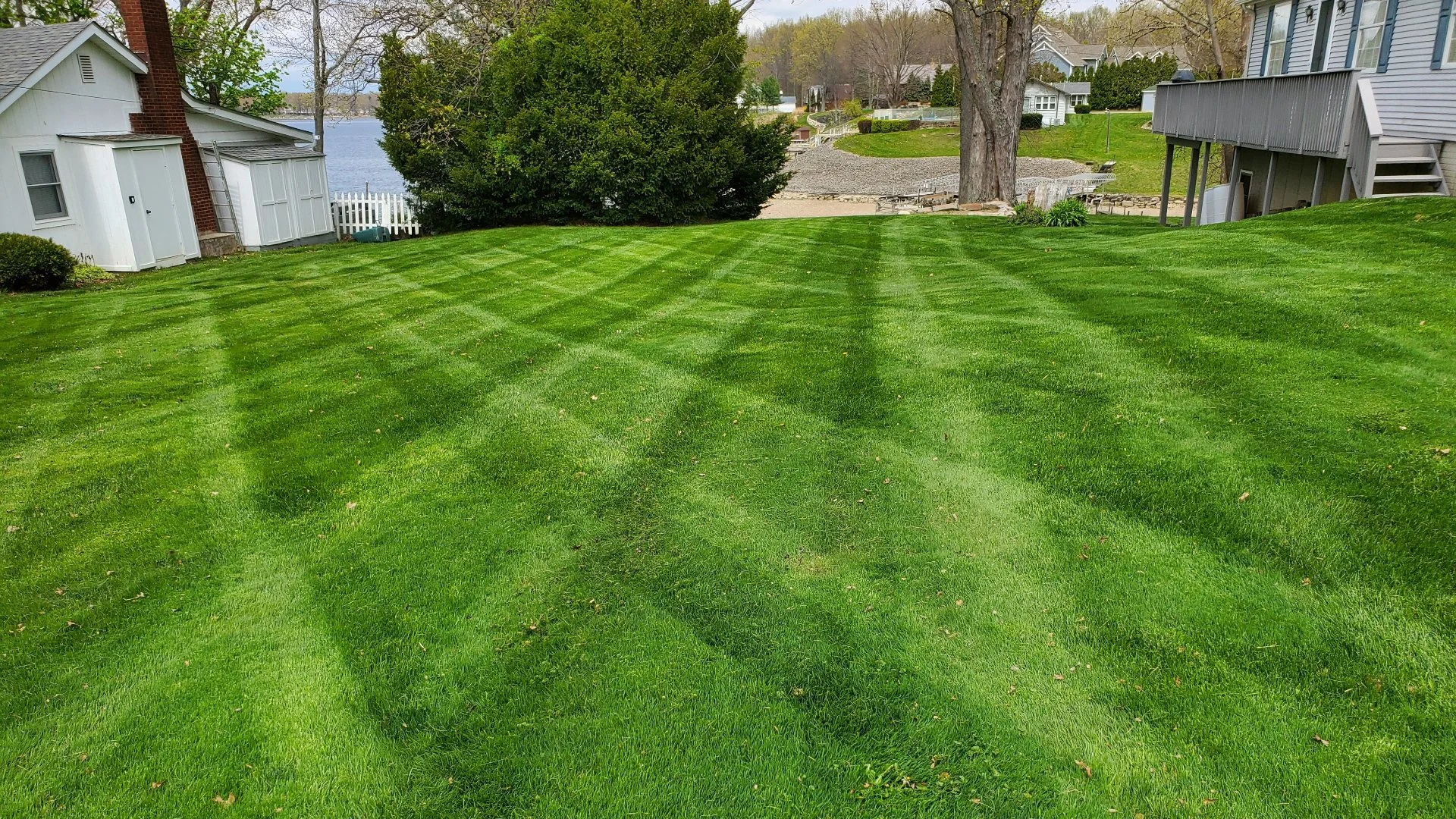
May is when Grand Junction homeowners tune both the mower deck and the sprinkler clock for the first sustained warm stretch. Change only one and the lawn often tells a confusing story: pale stripes after a low cut, or dark green only where overlap keeps soil wet. Mesa Turf Masters has delivered lawn maintenance and irrigation repairs across the Grand Valley since 1992, and May is when those two services meet on the same berm.
Mower height and irrigation overlap are linked. Blades remove leaf area that shades crowns; overlap keeps some areas wet while berms on the same valve dry out.
## Mowing height by species in May
Cool-season grass in shade benefits from a slightly taller May cut that shades soil and slows evaporation on roots waking up for summer. Bermudagrass on open sun can tolerate lower height when healthy but should not be scalped before heat arrives. Mixed lots in Fruita and Palisade need different decks on different days—not one height for the entire property if species split front and back.
Scalping before a busy cookout season removes recovery potential when foot traffic stacks on the same arc. Read Lawn Wear from Cookouts and Foot Traffic when wear and mowing intersect.
## Overlap from sprinklers, not just spreaders
Double-wetted areas stay dark green while single-covered berms blond out. Overlap from heads that throw too far onto sidewalks also keeps pavement wet and weeds active in cracks. Walk each zone and mark overspray on hardscape before you raise or lower mowing to chase color.
Sprinkler Controller Settings Before June Heat helps when overlap is a timer issue. April Wind and Irrigation Startup in the Grand Valley matters when drift since startup created false overlap on windy sides only.
## Color splits that look like mower stripes
Sometimes fertilizer streaks are actually species boundaries or overlap wedges viewed from the driveway. Why Your Lawn Shows Different Colors in May maps those patterns before you chase the wrong fix.
If edges yellow while centers stay green, scout for insects after water is verified through lawn insect control rather than lowering the deck again.
## Practical height and schedule notes
Mow dry when possible to avoid tearing wet blades in shaded fescue. Sharpen blades mid-May if you mow weekly; dull cuts invite leaf disease when nights warm. Delay aggressive lowering on bermuda until coverage on edges is confirmed.
Pair mowing with lawn fertilization timed to growth, not panic after one hot weekend. Weed control on tall weeds may need a trim plan so pre-emergent and post-emergent work stay on label.
## When aeration belongs later
Compacted arcs from repeat foot traffic may not recover with height alone. Aeration in fall helps after May events reveal where pivots packed soil. Fixing Soil Compaction for Healthier Grand Valley Lawns explains deep-root recovery beyond one month of taller mowing.
## Irrigation fixes that change the mowing map
Raising a sunken head or swapping a nozzle often greens a pale berm without any deck change. Schedule irrigation startup follow-up when May heat exposes startup shortcuts.
Properties in Orchard Mesa and Redlands with slope see overlap pool at the bottom while the top dries—mowing height cannot equalize moisture on the same valve.
Mesa Turf Masters helps Grand Valley homeowners align blades and sprinklers before June demand. Call (970) 434-5440 or request a quote for integrated lawn care and irrigation support. Use #quote with photos of pale strips and your current mowing height.
## Sharpen blades when growth jumps
May growth spurts dull blades faster than homeowners expect. Torn leaf tips dry out at the tips and look like drought on overlap wedges. Sharpen or replace blades mid-month if your stripe quality drops suddenly without any timer change.
Shade fescue under maturing trees may need a higher deck than open bermuda on the same property—plan two mowing passes or accept different height on different days rather than one compromise cut that pleases neither species.
## Bagging versus mulching in May
Heavy clippings on overlap wedges can smother grass if mowed wet. Mulching works when blades are sharp and height is not extreme; bagging once during a growth spike can reduce matting on fescue shade strips where overlap already keeps soil moist longer than berms.
## Stripe obsession versus plant health
Dark stripes from double mowing look sharp on social media but remove more leaf tissue than many Western Colorado lawns can spare before heat. Health first, cosmetics second—especially on mixed species yards in the Grand Valley.
## Track both settings on one note
Write current mowing height and last controller change on the same phone note so you can see what changed when color shifts in two weeks across Fruita or Grand Junction.