May weeknights in Grand Junction and Fruita start to feel like summer while school events still fill the calendar. You grill on Tuesday because weather cooperates, drag chairs across the same corner, and by Thursday the dog claims the coolest patch for evening naps. The pale line that shows up is usually wear on living turf—not a mystery disease. Mesa Turf Masters has cared for Western Colorado lawns since 1992, and weeknight traffic is normal when you actually use the yard.
Planning for wear beats fighting it with the wrong products after the fact.
## Why weeknight wear looks worse than it is
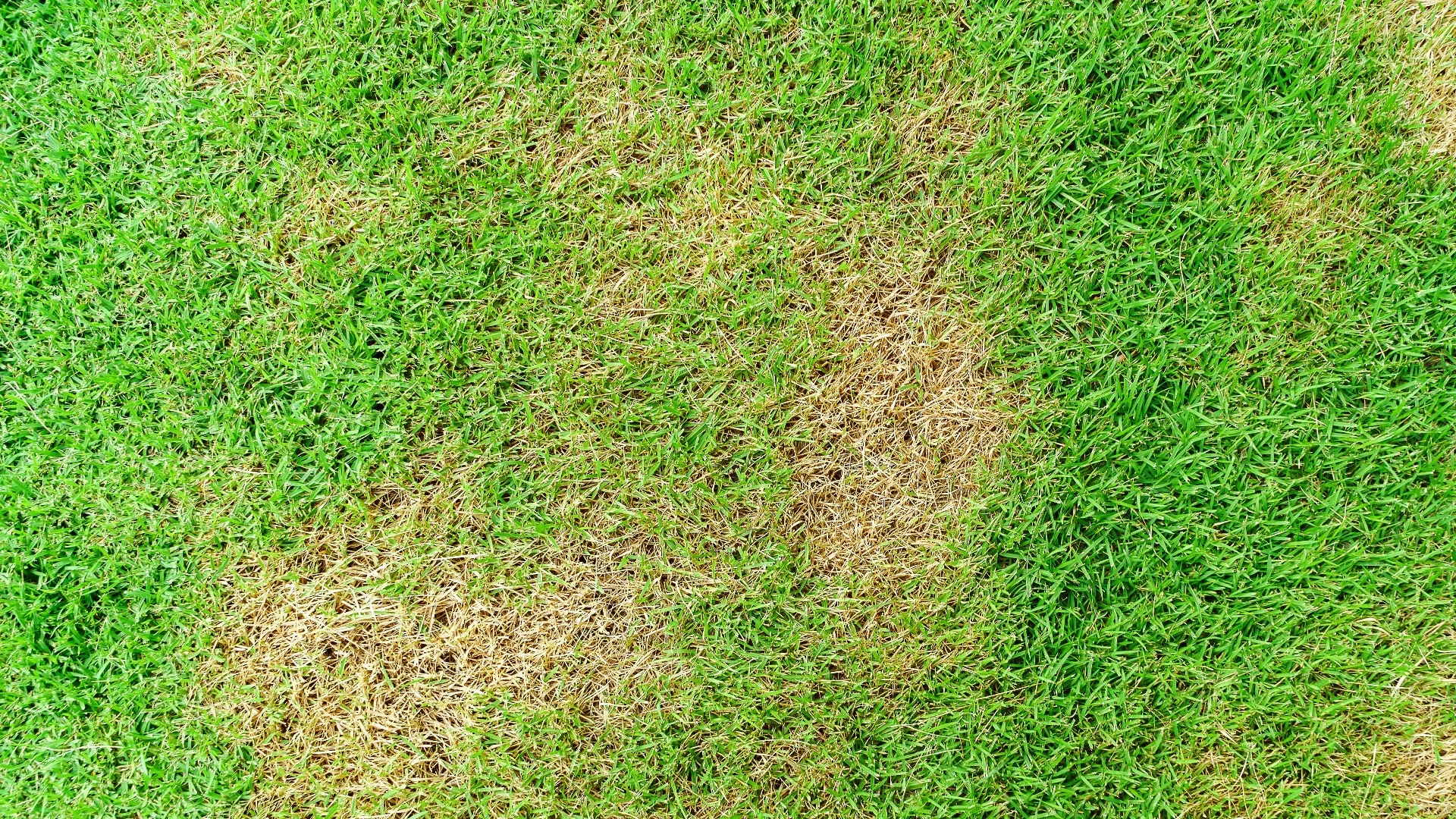
Grass fails where feet pivot. Chairs scrape backward when someone stands with a plate. Coolers sit on one berm while kids cut a shortcut to the hose. The damage often stacks with irrigation quirks: a head that throws short on the gathering side leaves turf that never recovers as fast as the open middle.
Walk the route people use after dinner. Photos in morning light help more than midnight guesses about fungus. If worn strips sit near hardscape, read thin grass next to driveways and sidewalks in Grand Junction alongside this piece.
## Mowing height and recovery between gatherings
Steady lawn maintenance keeps height even so worn areas bounce back between weeknight events. Scalping before a busy stretch removes leaf area the plant needs when soil is already warming. A slightly taller cut in May shades crowns and slows repeat pivot damage on the same arc.
Our lawn care programs time lawn fertilization for Western Colorado growth rather than a humid coast calendar. If you overseeded this spring, coordinate mowing with when to mow after overseeding so your new grass stays put.
For blades and sprinklers together, read Mower Height and Irrigation Overlap in May.
## Irrigation still leads the list
If heads throw short on the party side, extra mowing will not fix color. Line up irrigation startup follow-up or irrigation repairs when you know a zone misbehaves. Walk each zone on a calm evening and on a gusty afternoon because drift shows differently.
April Wind and Irrigation Startup in the Grand Valley pairs with May traffic questions when wind and wear share one strip.
## When mechanical work belongs in the conversation
If thin spots never recover between weeknight cycles, aeration and overseeding may fit after irrigation is correct. Where wear is wider than a doormat, lawn renovation may beat hoping taller grass hides bare soil.
Sudden tan patches that pull up easily differ from worn entry paths. Ask about lawn insect control when patterns do not match shoes.
## Beds, edges, and the same weeknight view
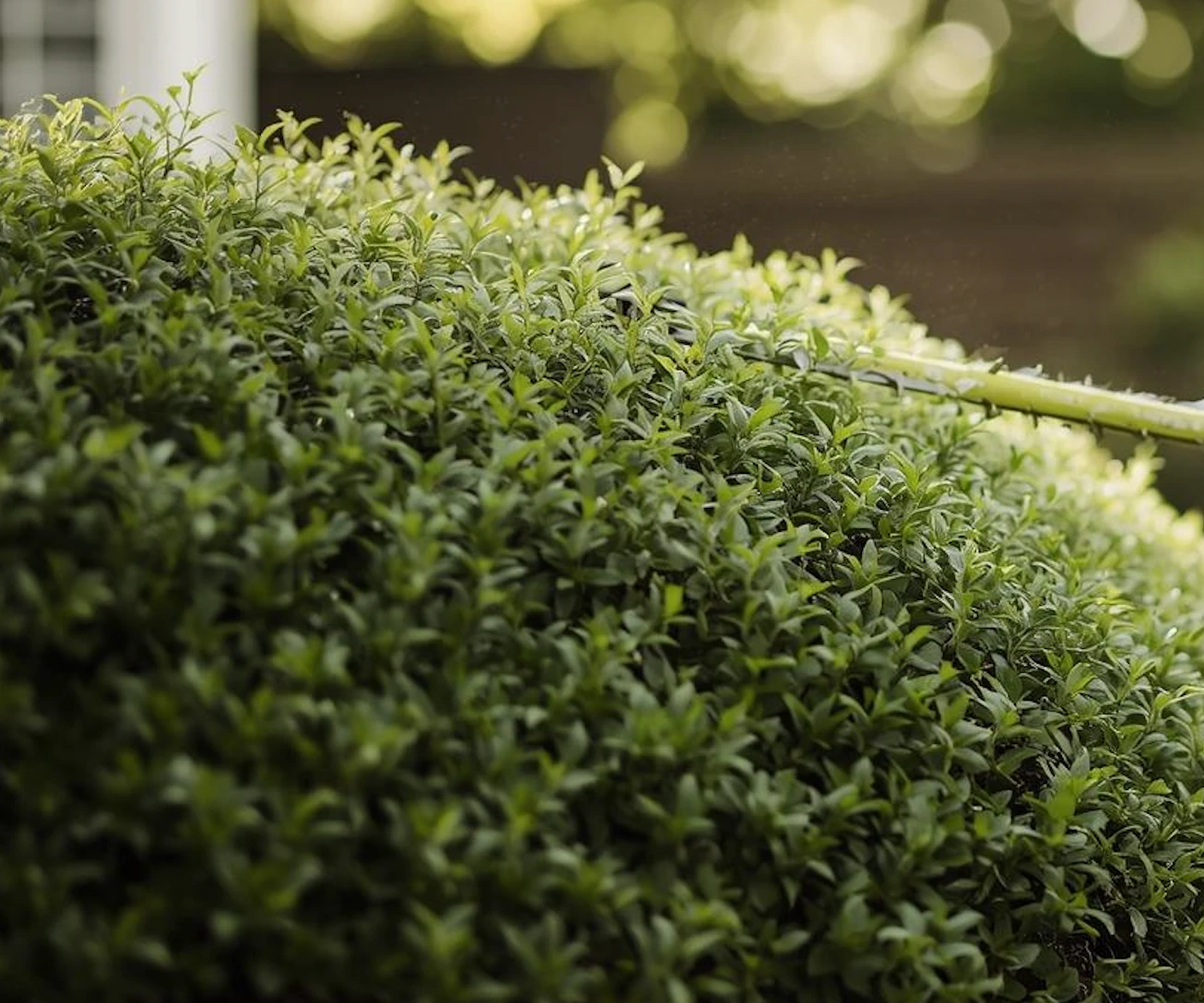
Fresh mulch installation and yard cleanup change how water moves off pavement. Adjust heads if spray now hits new chips. Plant trimming can reopen spray paths without shearing every shrub into a ball.
## How this differs from a big holiday weekend
Weeknight cookouts repeat faster than one Memorial crowd. You may host Tuesday, Thursday, and Saturday without moving furniture back. For larger guest lists, read How Cookouts and Chair Traffic Affect Your Lawn and Protecting Your Lawn During Summer Gatherings.
Repeat pivots compact soil so roots stay shallow even when you water faithfully. That is why the same arc goes pale first after a hot spell while the middle still looks fine.
Mesa Turf Masters serves Palisade, Orchard Mesa, Clifton, and nearby communities with practical wear-and-recovery planning. Call (970) 434-5440 or request a quote before the next weeknight guest list lands. Start at #quote with a photo of your wear arcs.
## Furniture feet and simple prevention
Rubber feet or small pads under chair legs reduce scrape marks on bermuda crowns compared with metal dragging across dry turf. Move the grill station a few feet between events when possible so wear spreads instead of deepening one arc. These small habits matter on Clifton rentals and busy family homes where weeknight gatherings outnumber weekend ones.
If pale strips persist after two weeks of normal irrigation and gentle mowing, schedule aeration planning for fall rather than repeating short cuts that feel tidy but remove recovery leaf area.
## Share the plan with guests
Simple requests—stay on the patio, use the gate path—reduce wear more than homeowners expect. Combined with sensible mowing and irrigation, traffic becomes manageable through a full May and June calendar without bare soil by August.
## Kids, pools, and repeat paths
Inflatable pools and slip-and-slide setups concentrate wear even more than chairs. Move them every few days when possible so one square yard does not stay saturated and compacted through May.