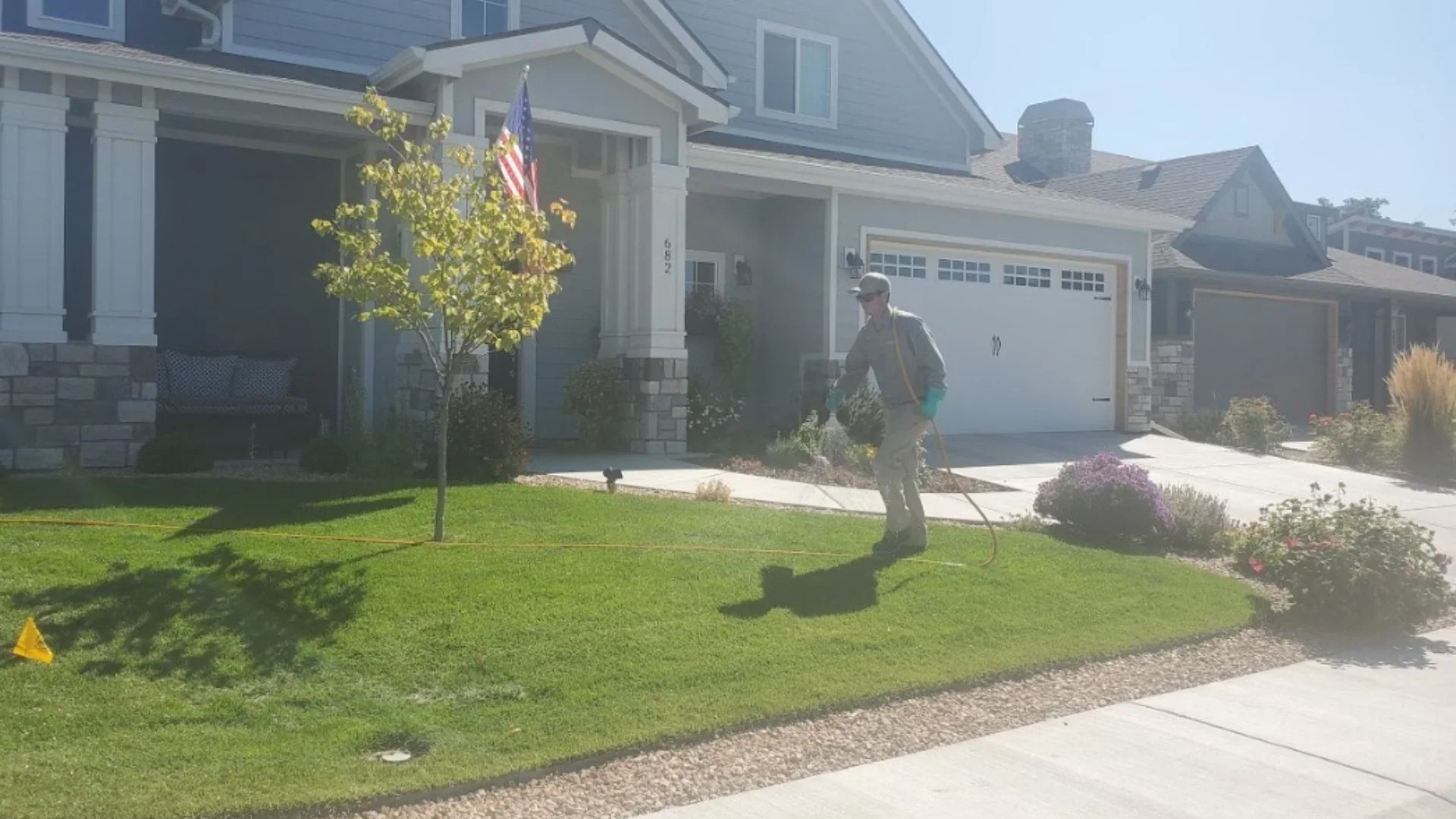
Before the first spring mow, many Grand Junction homeowners notice bright green weeds lining patios, driveways, and sidewalk seams while the lawn still looks half asleep. Those weed lines are rarely random. They follow moisture from sprinkler overspray, snow melt channeling off hardscape, and thin turf beaten by winter foot traffic along the same paths. Mesa Turf Masters provides weed control, lawn maintenance, and irrigation repairs across the Grand Valley since 1992.
Weed lines along patios before your first mow are a signal to fix water and edges—not only to spray without thinking.
## Why weeds win the seam first
Concrete and paver edges heat faster than the yard center. Sand and soil in joints hold seed from last year. Overspray keeps that seam wet while the middle of the lawn stays dry. The result is a crisp green line that looks like someone sprayed fertilizer when it is really cheatgrass, spurge, or early annuals loving the microclimate.
Properties in Fruita and Clifton with wide driveways see the same pattern on both sides of hardscape before bermuda or fescue fully wake up.
## Irrigation fixes before herbicide alone
Adjust heads at irrigation startup so mist does not constantly wet the patio seam. April Wind and Irrigation Startup in the Grand Valley explains drift that exaggerates wet lines on windy sides of the house.
If rock borders meet turf, rock weed control along desert edges prevents weeds from migrating into the lawn seam. Read Rock Weed Control Along Desert Edges Before Summer Heat for beds that share the same overspray story.
## First mow timing and edge safety
Mowing too early on wet fescue tears blades and opens thin seams wider for weeds. Wait until grass is actively growing and dry enough to cut cleanly. When you do mow, edge carefully without scalping the transition strip where grass meets hardscape—that strip is already the weakest link.
Link overseeding plans to when to mow after overseeding so your new grass stays put if you seeded thin seams this spring.
## Pre-emergent and post-emergent together
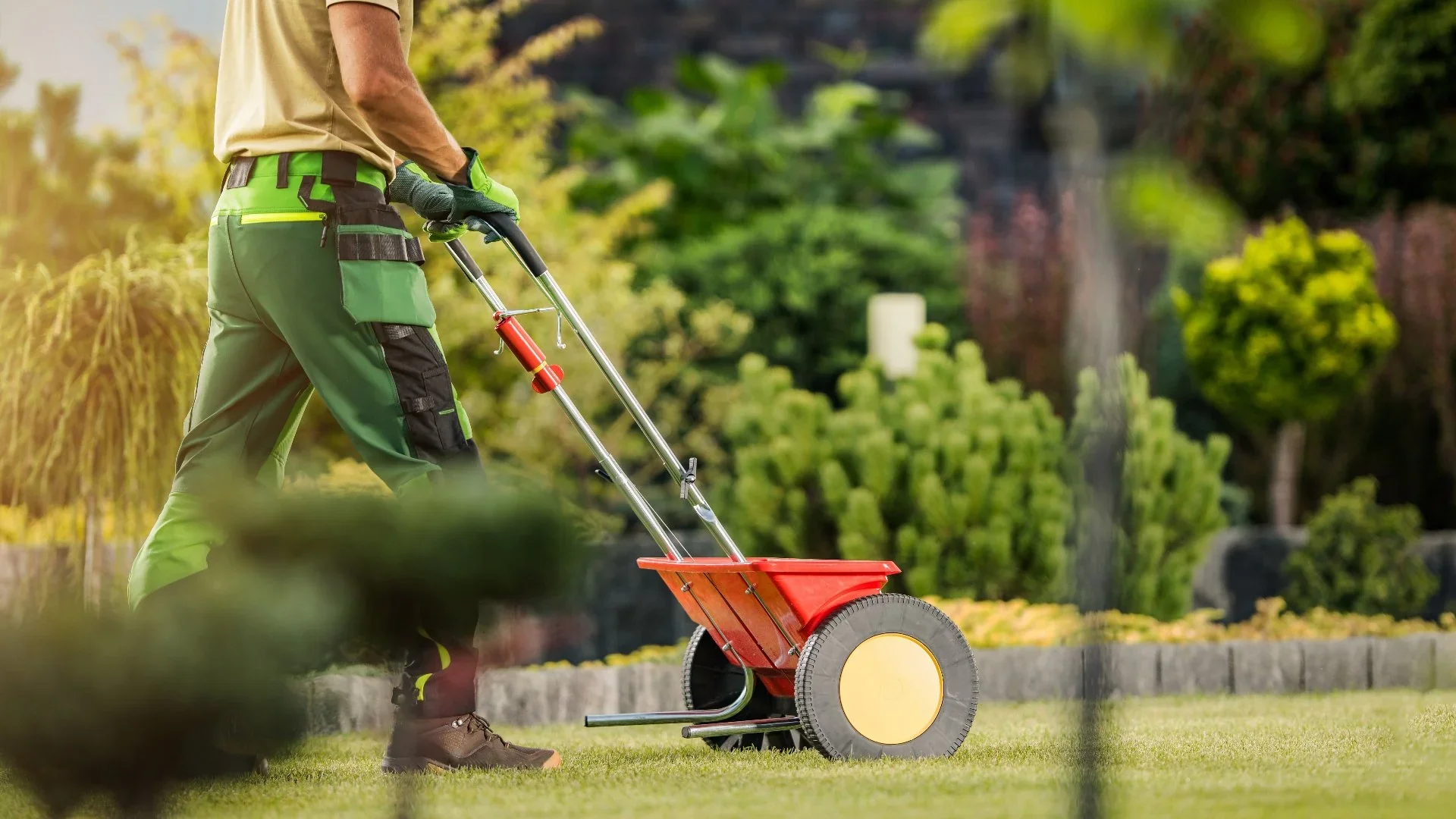
Pre-Emergent Weed Control Timing in the Grand Valley covers spring barriers on turf. Post-emergent work on existing patio lines may still be needed on warm seams that germinated early.
Our weed control programs respect label restrictions near hardscape, pets, and planting beds.
## Mechanical edging and landscape borders
Landscape curbing and clean yard cleanup define where mower wheels should track so you stop widening weed habitat each pass. Mulch installation in adjacent beds should not bury weed seeds against the patio edge without pre-emergent planning.
## Thin grass next to pavement
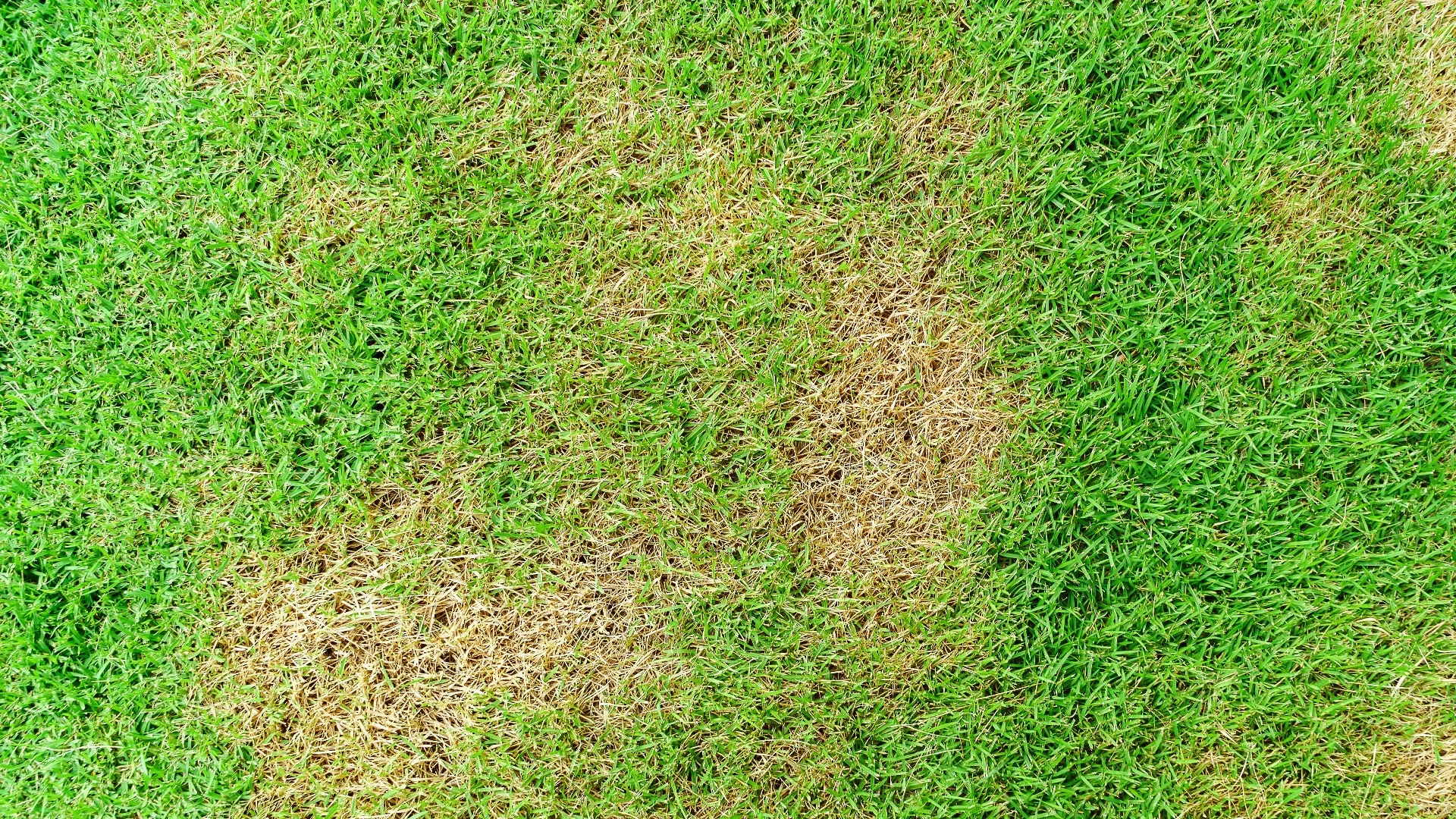
If grass—not just weeds—is thin along the seam year after year, read thin grass next to driveways and sidewalks in Grand Junction for heat, salt, and compaction factors beyond spring weeds.
Fall aeration along compacted seams helps after you fix spray drift.
Mesa Turf Masters helps Grand Junction, Fruita, Palisade, and Grand Valley homeowners clean up patio weed lines before summer heat. Call (970) 434-5440 or request a quote for weed control and irrigation adjustment along hardscape. Start at #quote with a photo of your seam lines.
## Edging without widening the weak strip
String trimmers angled wrong scalp the seam between grass and patio, opening more bare soil for weeds each week. Use edgers that cut vertically and keep wheels on hardscape when possible. The first spring edge sets the line for months—take time once rather than chasing weeds widening outward all summer.
Salt and sand from winter walks sometimes concentrate in the same seam weeds love. Yard cleanup that removes that debris before pre-emergent work helps barriers contact soil instead of sitting on gravel.
## Pets and seam traffic
Dog paths along patio edges beat down turf before weeds even show. Weak grass in those seams is easier for weeds to colonize after first mow. Combine weed control with realistic expectations about pet routes—or accept a mulched or stone path where dogs will always run regardless of seeding.
## Spring fertilization timing
Early lawn fertilization on turf not yet actively growing wastes product and can feed weeds in warm seams before grass fills in. Match fertility to mow volume—not only to calendar dates on a national bag.
## First mow height conservative
A slightly higher first cut protects shallow spring roots along patio seams where winter traffic already thinned turf. You can lower height gradually once growth stabilizes across the Grand Valley season.
## Hand-pull large weeds before first cut
Removing big winter weeds by hand along the seam before mowing prevents spreading seed across the patio when blades chop mature heads. Dispose of those weeds off-site rather than composting if seeds are already formed.