Mid-May is when many Grand Junction homeowners lock evening irrigation for the season. Wind is calmer after sunset, less water drifts off target, and the clock matches how people actually use the yard. It is also when bermudagrass on sun berms enters the first serious pest pressure week many lawns show all year—edges lighten, crowns weaken, and extra minutes on the timer do not fix the color change. Mesa Turf Masters has connected irrigation and lawn insect control since 1992.
Early summer pests on warm turf are manageable when coverage and scouting keep pace with the clock.
## What “first serious week” looks like
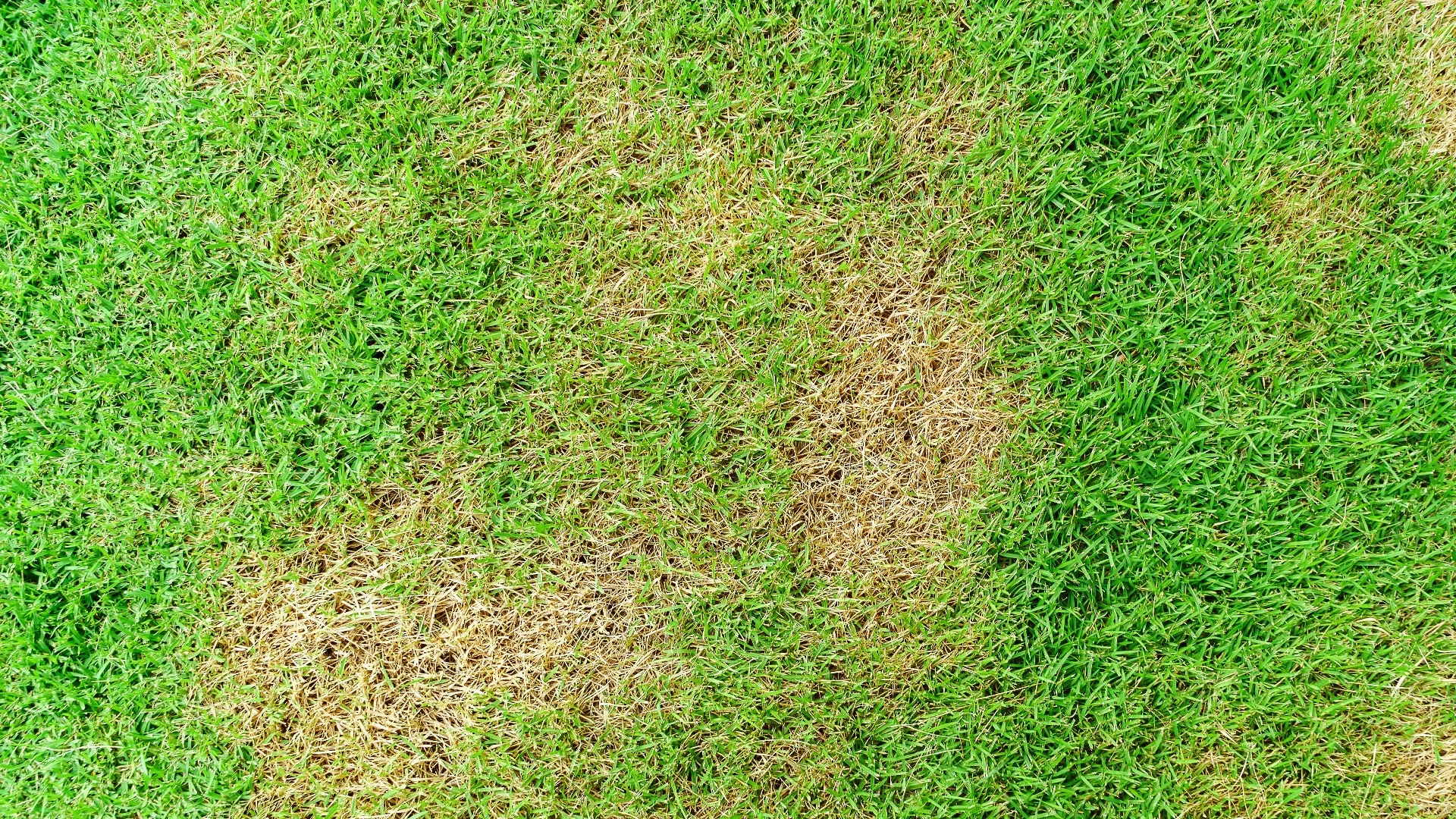
Scattered yellow tufts along sidewalks and driveways connect into arcs that follow spray shadow and pavement heat. Interior bermuda may still look acceptable while the border appears drought-struck. That pattern sends homeowners to the hardware store for fertilizer when chinch bug control or edge irrigation repair is the real conversation.
Open lots in Fruita and Loma show damage faster than sheltered Redlands yards because wind and sun compound edge stress.
## Evening water without edge coverage
Evening cycles help efficiency but do not cure short-throwing heads. If the last pass of the day never reaches the berm, insects find weakened grass by morning. Run zones once at dusk and watch the border for dry mist versus effective wetting.
Pair timer work with Sprinkler Controller Settings Before June Heat. April Wind and Irrigation Startup in the Grand Valley still matters when heads shifted since startup.
## Billbug and grub overlap on mixed lots
Not every damaged edge is chinch on bermuda. Billbugs hit fescue on the same property while bermuda struggles separately. Late May Lawn Insects to Watch in the Grand Valley and Grubs and Lawn Insects Homeowners Should Watch For help sort species by how turf tugs free and by slope pattern without guessing.
Our billbug control and grub control programs respect species boundaries on mixed Grand Valley lawns.
## Mowing and traffic on weakening edges
Scalping stressed edges before the first long guest weekend removes leaf area plants need during insect pressure. How Cookouts and Chair Traffic Affect Your Lawn explains wear that stacks on the same strips where chinch already feed.
Steady lawn maintenance at proper bermuda height shades crowns better than buzz cuts on dry soil.
## Labeled treatment after confirmation
Early intervention costs less than lawn renovation in August. We use labeled materials through integrated lawn care visits rather than blanket perimeter sprays that miss lawn crowns.
If fungus appears on shaded fescue after warm nights, lawn disease control may join the plan separately from insect work.
## Looking ahead to peak summer
Damage that starts this week escalates when June heat arrives unless water and insects are addressed together. Read Update Your Sprinkler Timer for Peak Summer Heat before peak season reprograms the same weak edges.
Schedule irrigation repairs now rather than after dead patches expand across the front berm.
Mesa Turf Masters serves Grand Junction, Fruita, Palisade, and the Grand Valley through early pest season and beyond. Call (970) 434-5440 or request a quote when evening irrigation and edge damage appear together. Use #quote with photos and zone notes for a faster start.
## Compare notes with last year
If the same berm failed last May, your history already tells you whether the issue is hardware, species, or insects. Pull last year’s photos from your phone before you buy new product. Mesa Turf Masters clients often forward those images at #quote so we start with evidence instead of a blank slate.
Evening irrigation is a tool, not a fault—Grand Valley wind makes daytime watering wasteful on many lots. The goal is pairing calm-evening efficiency with heads that actually reach the borders where this week’s pressure always begins.
## When to escalate from scouting to program
If edge tufts turn straw-colored while the interior still greens, waiting another week often connects dead patches across the berm. Early conversation about lawn insect control costs less than sod installation on a showcase front yard in Palisade or Orchard Mesa. Pair any treatment with verified coverage so recovered grass has water to grow back.
Warm nights plus evening leaf wetness on nearby fescue can invite leaf disease that looks like insect damage from the street—another reason to confirm species and pattern before products go down.
## One change at a time
Adjust irrigation, wait five days, scout again, then decide on insect treatment. Stacking fertilizer, fungicide, and insecticide in the same week on stressed bermuda often burns what you hoped to save on Grand Junction berms.