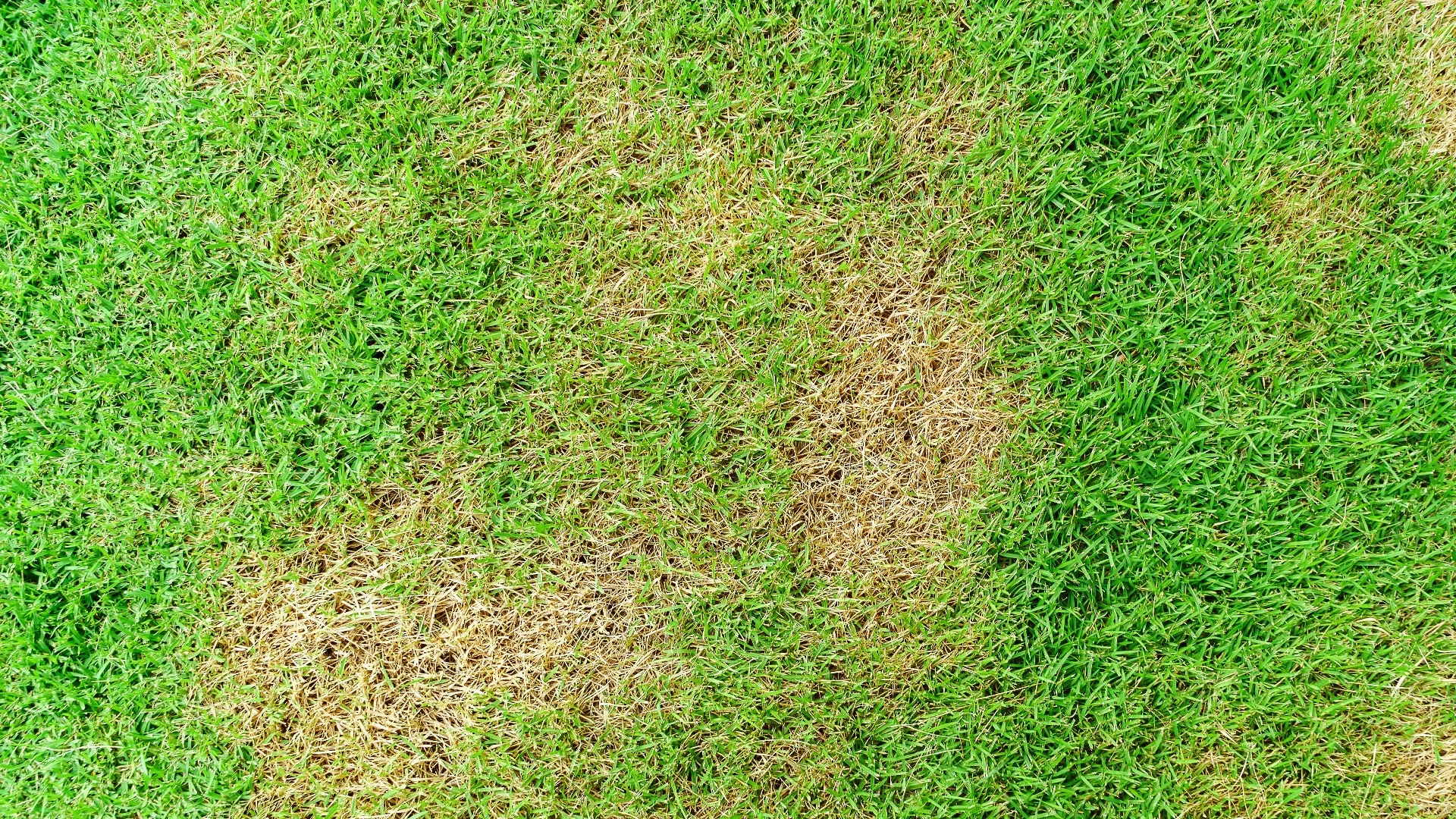
You step outside for coffee and notice a collar of lighter grass around the sprinkler heads while the rest of the lawn still looks sleepy. April nights in Western Colorado can stay cold enough that soil biology and grass crowns move slowly even when afternoons feel friendly. That collar pattern is not always disease. Often it is traffic, spray overlap, pet turns, and shallow roots stacked together.
Mesa Turf Masters sees this story from Redlands to Montrose every spring. This guide helps you sort observation from panic before you buy a bag that promises a single cure.
## What a collar can mean when nights stay cool
Wet soil and cool air slow green up in the open center while sandier pockets or spray heavy rings warm a little faster. Pets and postman paths do the same around gates. Take photos at the same hour for three days so you know whether color change tracks sun or tracks feet.
High desert turf does not follow a coast calendar. Afternoons in Grand Junction can feel like May while dawn still frosts low spots in Clifton and Orchard Mesa. Collars are often a timing story, not a mystery fungus.
## Water and wind still lead the list
Short frequent cycles sometimes help new seedlings yet encourage shallow roots on mature turf. Compare what you do with spring yard checklist for Grand Junction homeowners so watering matches the whole property, not only the wet ring.
Windy weeks return every year, which is why windy spring weather and your Grand Valley lawn still pairs with collar questions. Drift can leave the center thirsty while heads look fine from the driveway. Book irrigation startup if you have not walked zones since winter.
April wind and irrigation startup honesty in the Grand Valley walks through startup when gusts and dry wedges show up together. May guide: controller programs and rain honesty before June heat is the follow-up when nights warm but programs still lag reality.
## When lawn health deserves a closer read
If the patch feels slimy, spreads fast, or sits only on lowest areas of the yard, mention those details when you request service. Our lawn care programs include nutrition timing that matches high desert reality rather than a humid coast calendar.
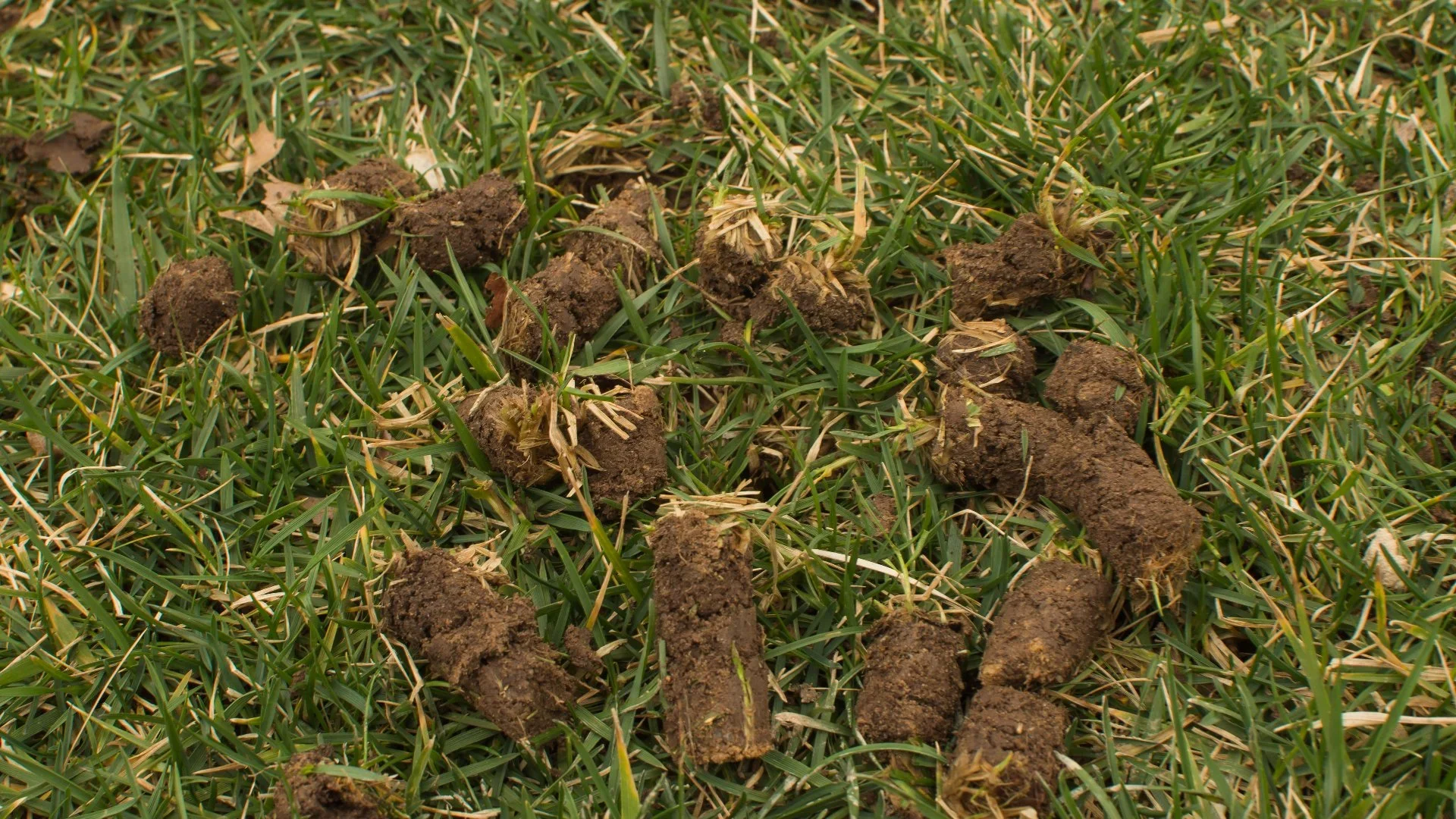
Lawn disease control enters the talk when patterns match disease pressure after water and wear are ruled out. For stressed areas that never thicken, aeration paired with overseeding may belong in the conversation after we see soil and irrigation.
## Traffic, pets, and paths that mimic collars
A ring around a head can be spray overlap. It can also be the dog turning on wet soil every morning. Pet traffic and worn turf paths in the Grand Valley covers packed lanes that stay pale long after the rest of the lawn greens up.
Gate arcs and trampoline shadows belong in honest notes. If the pale ring matches feet more than spray, mechanical work without changing traffic often disappoints.
## Weeds that mimic injury
Annual grasses can stage in thin rings where soil was disturbed around heads. If you are unsure, send photos before you treat. Weed control decisions change when the plant is actually crabgrass versus a perennial that needs a different plan.
Weed lines along patios before the first serious mow of spring helps when the bright line is along stone rather than around a head. Sun and seed wait for gaps along hardscape seams.
## Mowing height and first passes of spring
Scalping wet turf around a collar exposes weed seed and stresses crowns that already woke early from warmth near the head. Keep the deck slightly higher for the first few passes while soil firms. Steady lawn maintenance helps crews adjust before summer heat.
Pair mowing with when to mow after overseeding so your new grass stays put if you seeded last fall or this spring. Collars around new seed need different patience than mature turf in the open yard.
## Simple notes worth keeping
Measure how wide the pale ring is in feet, not guesses. List zones that run at night versus morning. Note dog paths and trampoline shadows honestly. Mention any new stone or irrigation work since last year.
If beds frame the same view, mulch installation and yard cleanup should happen in an order that keeps chips out of spray arcs. Plant trimming can reopen coverage without shearing everything into balls.
## How we help
Mesa Turf Masters brings decades of Grand Valley experience to lawns in Fruita, Loma, Palisade, and surrounding towns. Call (970) 434-5440 or request a quote for lawn care, mechanical work such as aeration, and irrigation checks through irrigation repairs when collars tell a bigger story than fertilizer alone.
## Night versus morning cycles in cool April
Night watering can reduce evaporation on calm evenings but may keep foliage wet longer when air stays cool until dawn. Morning cycles dry blades faster on some lots but may conflict with commuter schedules and wind that picks up mid day. Neither choice is universally wrong. The honest answer depends on your heads, your slope, and whether collars track the clock or track feet.
Compare three days of photos at the same hour before you change every zone. If the collar widens only on days you run at night, timing may be part of the story. If it widens where the dog turns regardless of schedule, traffic is the lead suspect.
## Shade, sprinklers, and tree lines
Maturing trees change spray arcs year to year. A collar that appeared for the first time this April may follow a branch that grew six inches last summer. Plant trimming and irrigation adjustment often belong in the same visit when shade and spray now conflict. Waiting until July usually means turf under the tree line is already thin while the wet ring by the head looks lush.
If you use a hose on a dry patch while the rest of the system runs, note where and when. Hand watering masks zone problems and makes collar patterns harder to read for anyone trying to help. Consistency for one week beats random rescue cans that change the story daily.