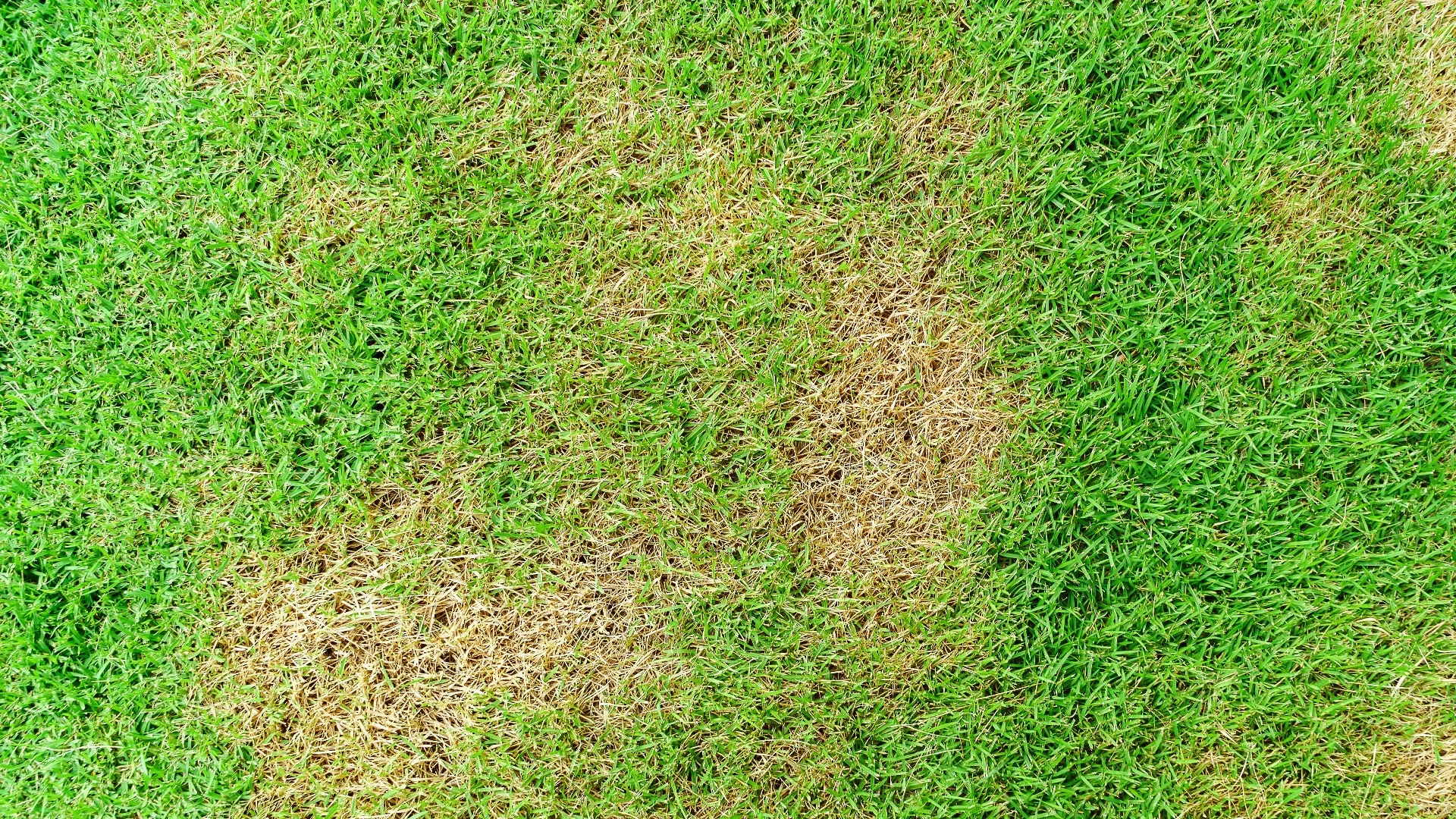
The grass looked fine in April, but by July a pale stripe showed up where everyone cuts across to the shed. You overseeded once, watered faithfully, and still watched the same line go brown first after every hot spell. That pattern is one of the most common calls we get from Grand Junction, Fruita, and Redlands homeowners who share yards with busy people and animals.
Wear is not random. Soil under a repeat path gets pressed tighter than the middle of the lawn. Tight soil holds less air, so roots stay shallow. Shallow roots dry out faster on windy Western Colorado afternoons, which is the same weather story we share in windy spring weather and your Grand Valley lawn. Traffic also breaks grass crowns before they recover, so even when you add water the plants have less leaf area to feed themselves. Corners near fences, trampoline legs, and the line between patio and turf see the same math every season.
Why the problem shows up next to hardscape too
Concrete and paver edges radiate heat and reflect light. Grass there already works harder than turf in the open center. Add foot traffic and pet turns and you get the weak ribbon effect we describe in thin grass next to driveways and sidewalks in Grand Junction. Reading that post alongside this one helps you tell whether your issue is mostly traffic, mostly edge stress, or a blend of both. The fix list changes when irrigation spray skips a corner versus when soil is simply packed from paws and shoes.
What packed paths need before seed works
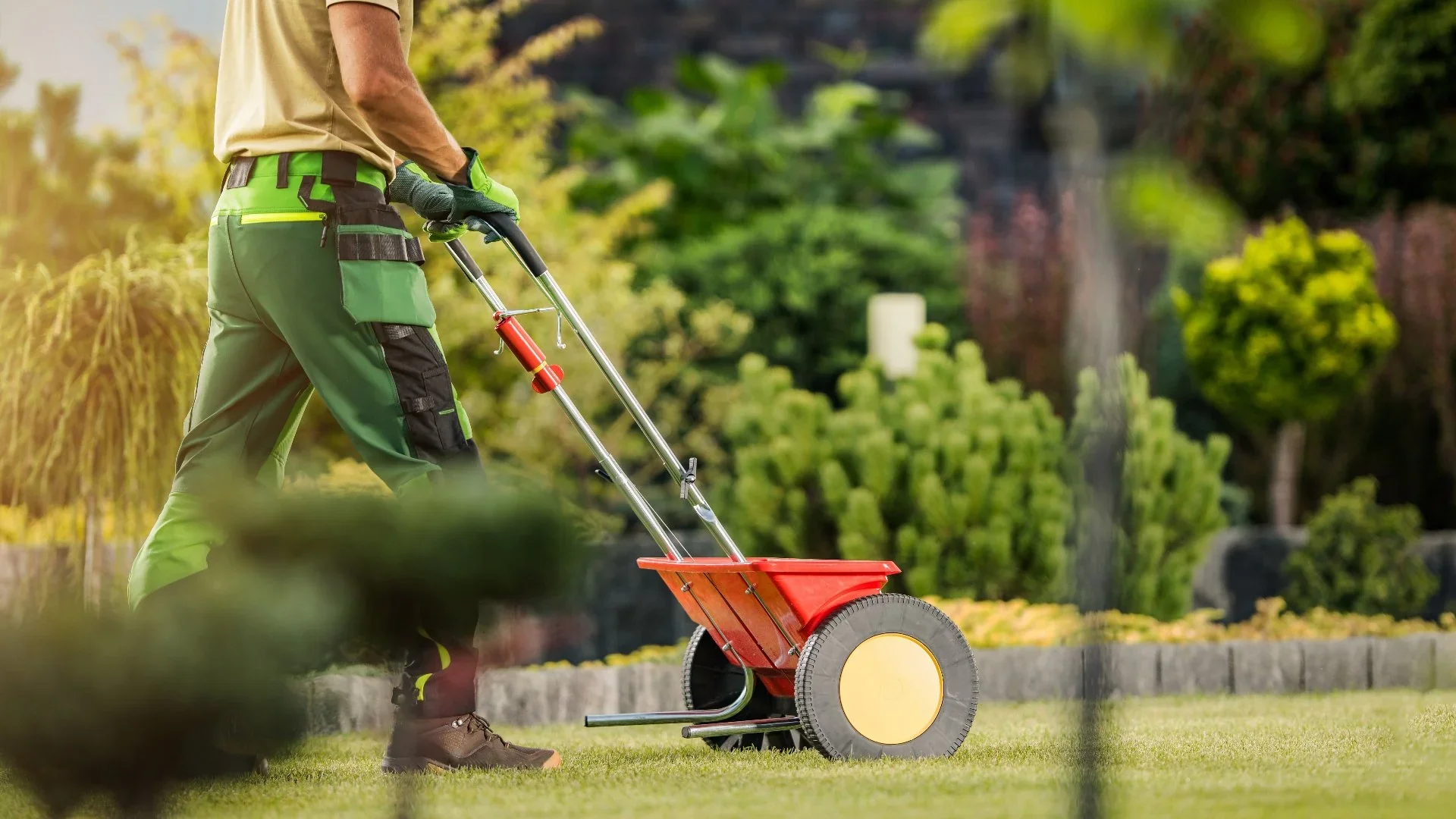
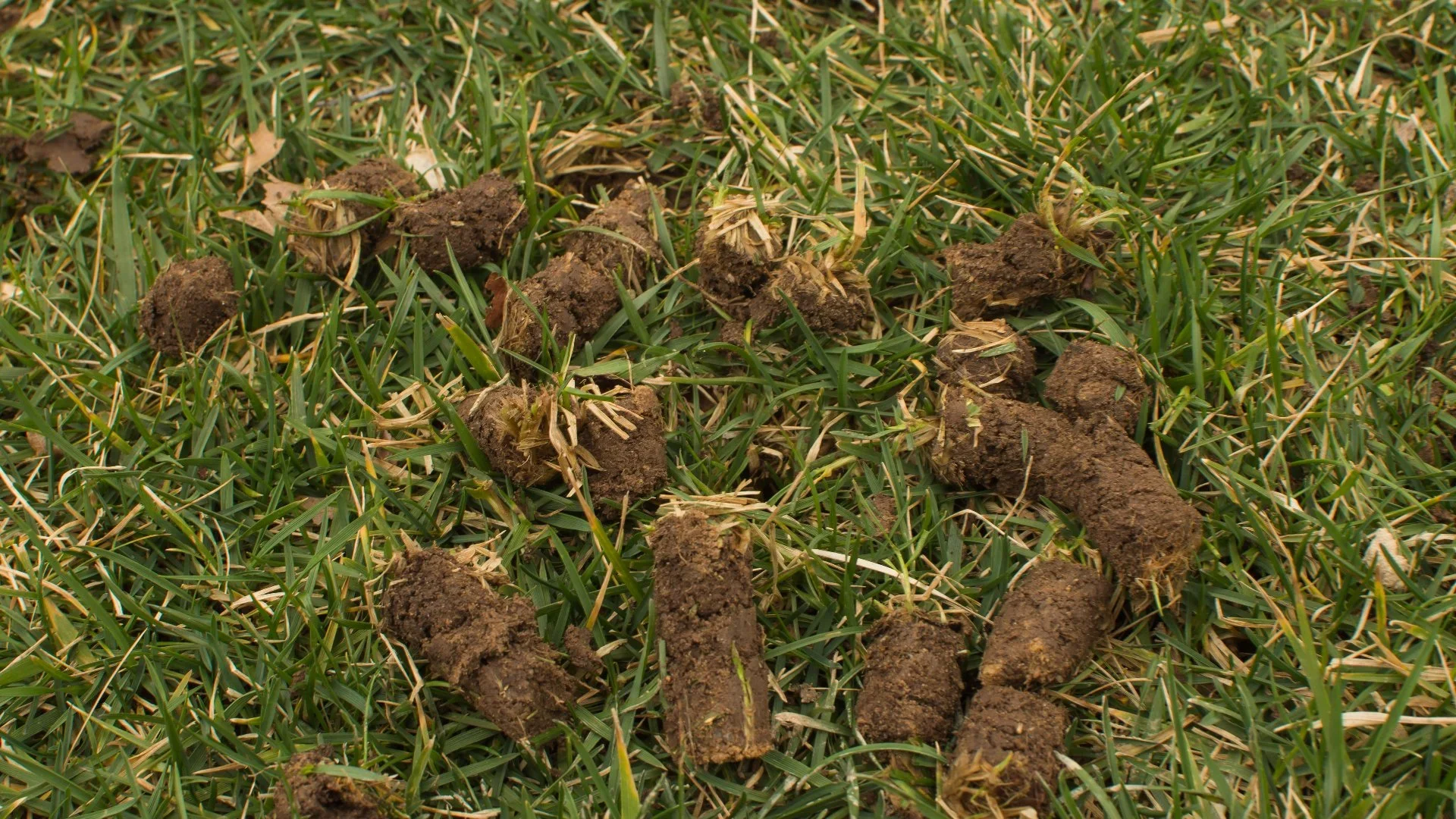
Throwing seed on hard soil without opening the surface often feeds birds more than roots. Core aeration pulls plugs so water and new roots can move into the profile instead of sitting in thatch. For many Grand Valley lawns, aeration pairs with overseeding so fresh grass fills the lane without pretending the old plants will suddenly thicken. Where the lane is bare soil wider than a doormat, slit seeding or a focused lawn renovation may be the realistic conversation after we see depth of wear and how irrigation covers the spot.
If you are comparing light touch versus full reset, when to mow after overseeding so your new grass stays put explains why mower timing matters as much as the spreader pass. Traffic has to stay lighter while new plants anchor. That can mean a temporary shift in how people move across the yard, not forever, just through the weeks when seedlings are tender.
Mowing and irrigation habits that help paths recover
A slightly taller cut in summer shades soil and reduces the hammer effect of short clippings on stressed crowns. Your exact height depends on grass type and sun exposure, which is why a steady lawn maintenance rhythm helps: the crew sees the lawn every visit and can adjust before a path goes from thin to bare. On the water side, short frequent cycles often suit new seed while established turf elsewhere still wants deeper drinks. If the system has not been walked zone by zone since winter, book irrigation startup so you are not guessing whether dry paths are a head alignment issue or a soil issue.
For a wider spring picture, stack these ideas with the spring yard checklist for Grand Junction homeowners. That checklist keeps irrigation, mowing, and cleanup in a sensible order so you are not fighting yourself.
When professional lawn care still matters on worn turf
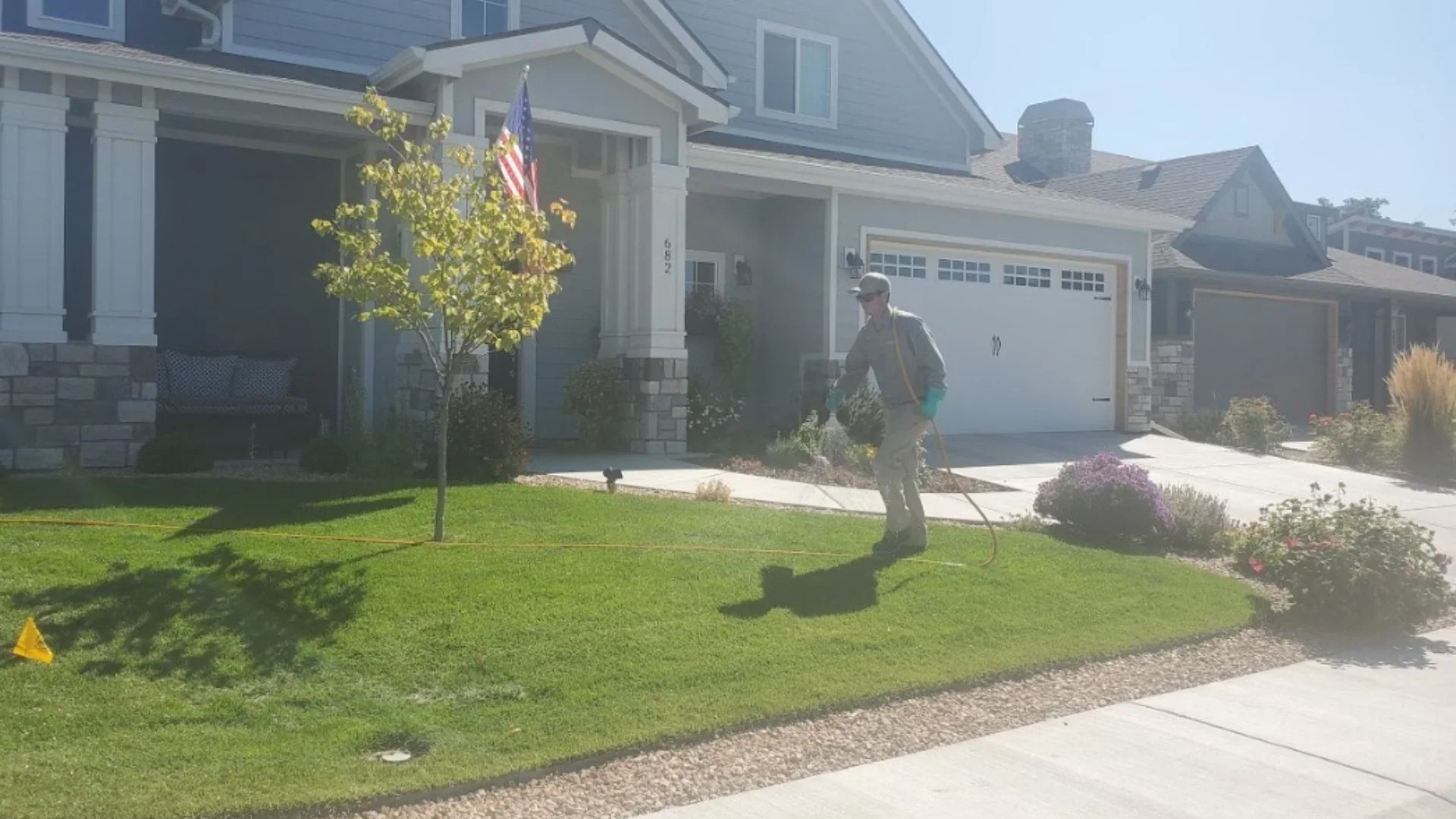
Even strong mechanical work needs nutrition and weed management that match Colorado’s bright dry air. A lawn care program that includes lawn fertilization and weed control keeps open areas from filling with opportunistic plants while you baby a repaired path. We are not promising overnight carpet; we are describing how Western Colorado lawns usually respond when water, soil openings, seed, and steady treatments line up.
Practical summary
- Map the exact lanes where traffic never changes and photograph them in morning light so you see shadows and density honestly.
- Note irrigation heads within ten feet of those lanes and watch a cycle to see whether spray reaches the soil or only the tops of blades.
- Plan aeration and seed when the calendar and your schedule allow follow through on watering, not right before a vacation without coverage.
- Ask about renovation options if the lane is mostly dirt or if weeds own the space more than grass.
If you treat the open lawn but skip the worn lane, you will likely see the same pale stripe after the next hot stretch. Handling the path as its own small project, with soil openings and realistic traffic limits while new plants anchor, is how many homeowners in Orchard Mesa and Clifton finally change the view from the kitchen window. Photos from the same spot each month make it easier to tell whether the fix is holding or whether irrigation still misses a corner.
Mesa Turf Masters brings decades of Grand Valley experience to properties in Palisade, Clifton, Loma, and surrounding communities. Call (970) 434-5440 or request a quote to talk through pet paths, play wear, and the right mix of aeration, overseeding, and ongoing lawn care for your specific yard.