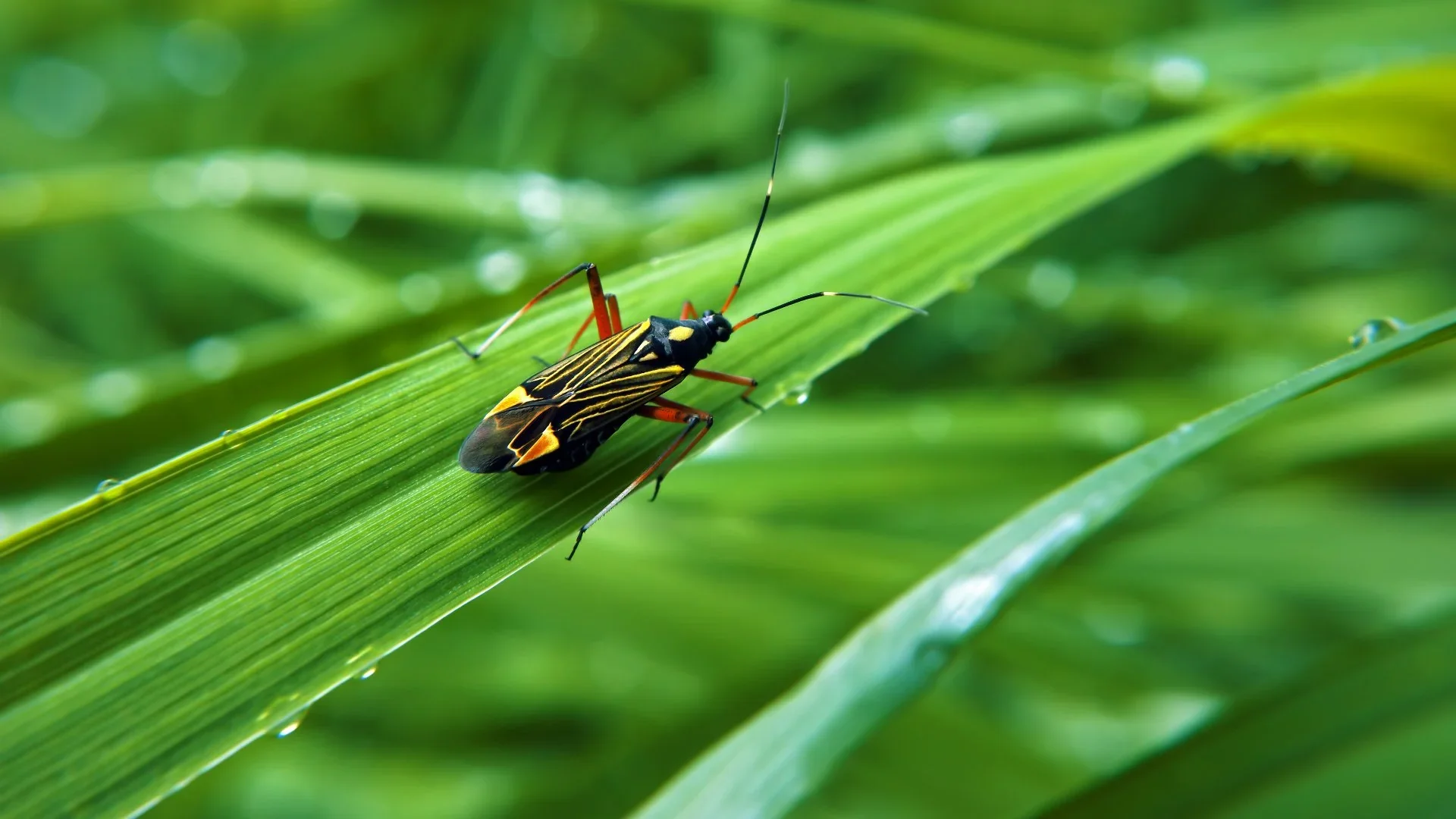
Warm season turf on Grand Junction berms often looks best when irrigation runs in the evening. Wind drops, spray stays on target, and homeowners sleep while the clock does the work. By early June in a dry summer, that same schedule can overlap with chinch bugs and billbugs working sun exposed edges while shade spots stay wet into the night. Mesa Turf Masters has paired irrigation repairs with lawn insect control since 1992, and the best outcomes treat water and insects as related, not as two unrelated phone calls.
Evening watering is not wrong for Western Colorado. It needs to match coverage, species, and what your lawn already showed in late May, with spray aimed at crowns instead of mist and pavement.
## Why edges fail first on Mesa bermuda
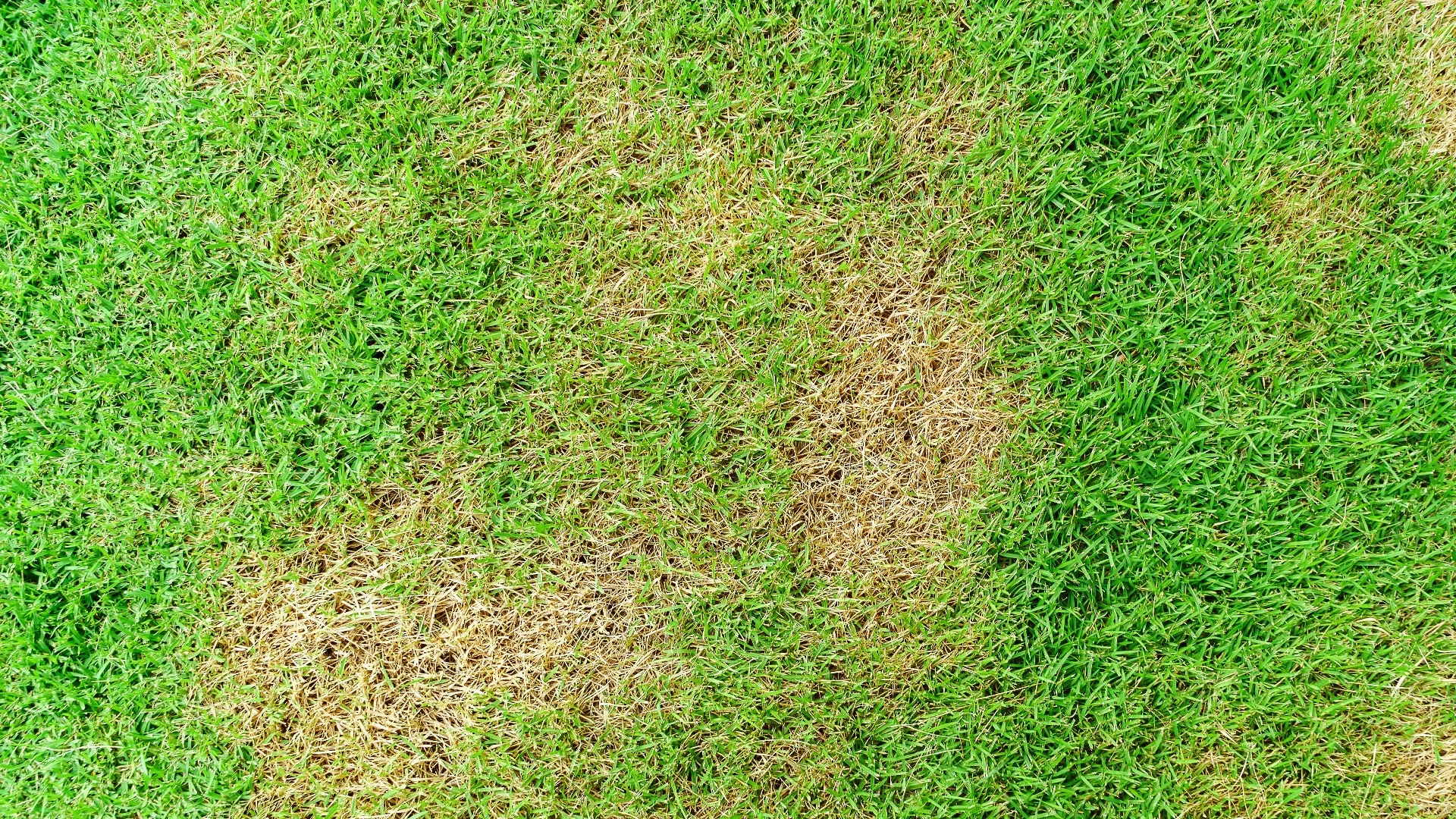
Bermudagrass greens aggressively when heat and water align, but edges along driveways, sidewalks, and curbs heat faster than the interior yard when it is this dry. Spray often short throws on those strips because heads were set for middle of lawn coverage. Insects colonize grass that is already drought stressed before you notice color change from the road.
Walk the property at dusk once a week in June. Look for yellowing that does not match footprint patterns. On bermuda, chinch injury can look like drought that ignores extra minutes on the timer. Our chinch bug control program targets labeled timing when scouting confirms activity.
## Evening cycles and leaf wetness without wasting water
Long evening soaks on cool season turf in shade can encourage leaf diseases when nights stay warm, even while open bermuda panels stay thirsty. Mixed yards in Fruita and Palisade may have bermuda in front and fescue near the porch on different valves. Only one of them should inherit a copy paste schedule. Necrotic Ring Spot and Irrigation on Mixed Grand Valley Lawns explains ring patterns that show up when overlap and species mix waste water on wet rings.
If you recently lengthened run times for heat, read Sprinkler Timer Habits for Peak Heat in the Grand Valley before assuming insects are the whole problem. Fix mist loss and dry edges before you double every zone.
## Sustained pest pressure versus one bad week
Sustained pressure means new damage appears on the same berm after you water faithfully and mow on schedule. Scattered tufts in May often become connected patches by June when hot dry weather stacks on short throw coverage. Early Summer Lawn Pests and Late May Lawn Insects to Watch in the Grand Valley document how that progression looks on open slopes in Clifton and Orchard Mesa.
Billbug damage on cool season turf pulls up differently than chinch on bermuda. Grubs and Lawn Insects Homeowners Should Watch For covers white grub injury on warmed slopes where evening water never reached the root zone.
## Fix coverage before blanket sprays
Tilted heads, clogged nozzles, and pressure loss waste evening cycles as thoroughly as midday wind. Schedule irrigation startup follow up or irrigation repairs when dry wedges persist after two timer adjustments. Fertilizer cannot replace missing throw: lawn fertilization works on turf that is actually receiving water.
Split long run times on clay influenced soil so water soaks instead of running toward the street. The low corner may look lush while the insect prone berm stays thirsty. Do not flood shade while sun fries the border strip.
## Integrated lawn care through summer
Lawn maintenance that keeps height steady reduces stress when insects are present at low levels. Avoid scalping before travel or guest weekends; read Protecting Your Lawn During Summer Gatherings for traffic and timer habits that stack with insect pressure in this heat.
When populations justify treatment, we use labeled materials through lawn insect control and species specific options like billbug control rather than retail mixes applied on guesswork.
## Recovery on thin bermuda
Severe chinch damage may need regrowth from stolons if crowns survive. Dead bermuda on edges sometimes requires sod installation or overseeding where appropriate species match the rest of the yard. Aeration in fall helps any recovery take hold in compacted edge soil next to pavement.
Keep photos weekly from the same spot so you know whether new green is regrowth or surrounding turf filling in.
Mesa Turf Masters serves the Grand Valley with practical sequencing for water, turf, and insects. Call (970) 434-5440 or request a quote when evening irrigation and edge damage progress together. Use #quote to send zone notes and photos of affected berms.
## Controller habits that help without wasting water
Many homeowners add minutes to every zone when edges fail, which overwaters low fescue while bermuda berms still thirst. Instead, identify the one or two valves that feed sun borders and adjust those first. If your controller allows seasonal percent adjust, use it for heat weeks rather than permanent doubling that drowns shade turf. Mesa Turf Masters can walk your program with you so evening starts stay efficient on Orchard Mesa open lots and fenced Redlands yards alike.
When neighbors ask why their bermuda edges failed while yours recovered, the answer is usually coverage plus scouting, not a secret product unavailable in stores.