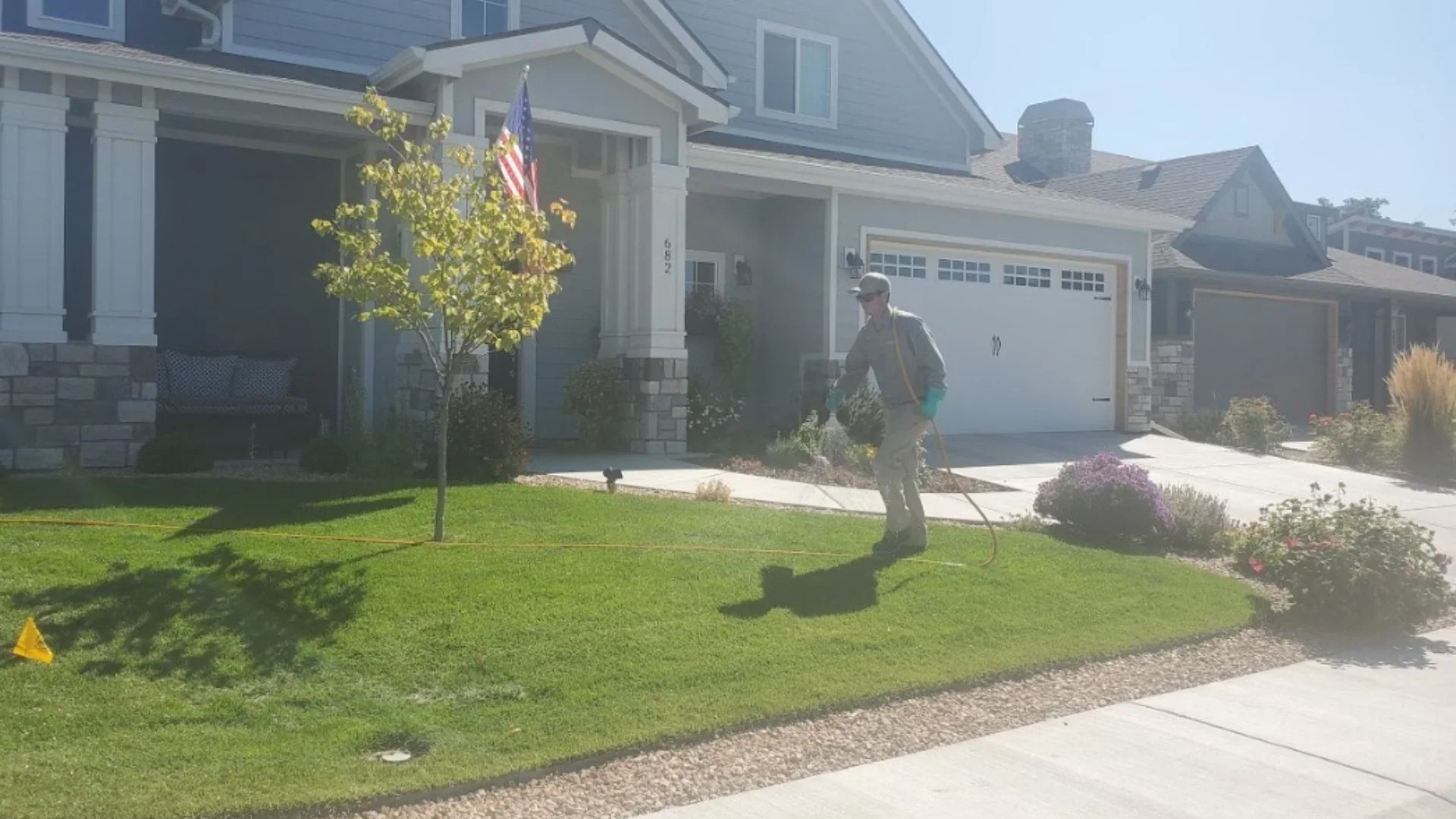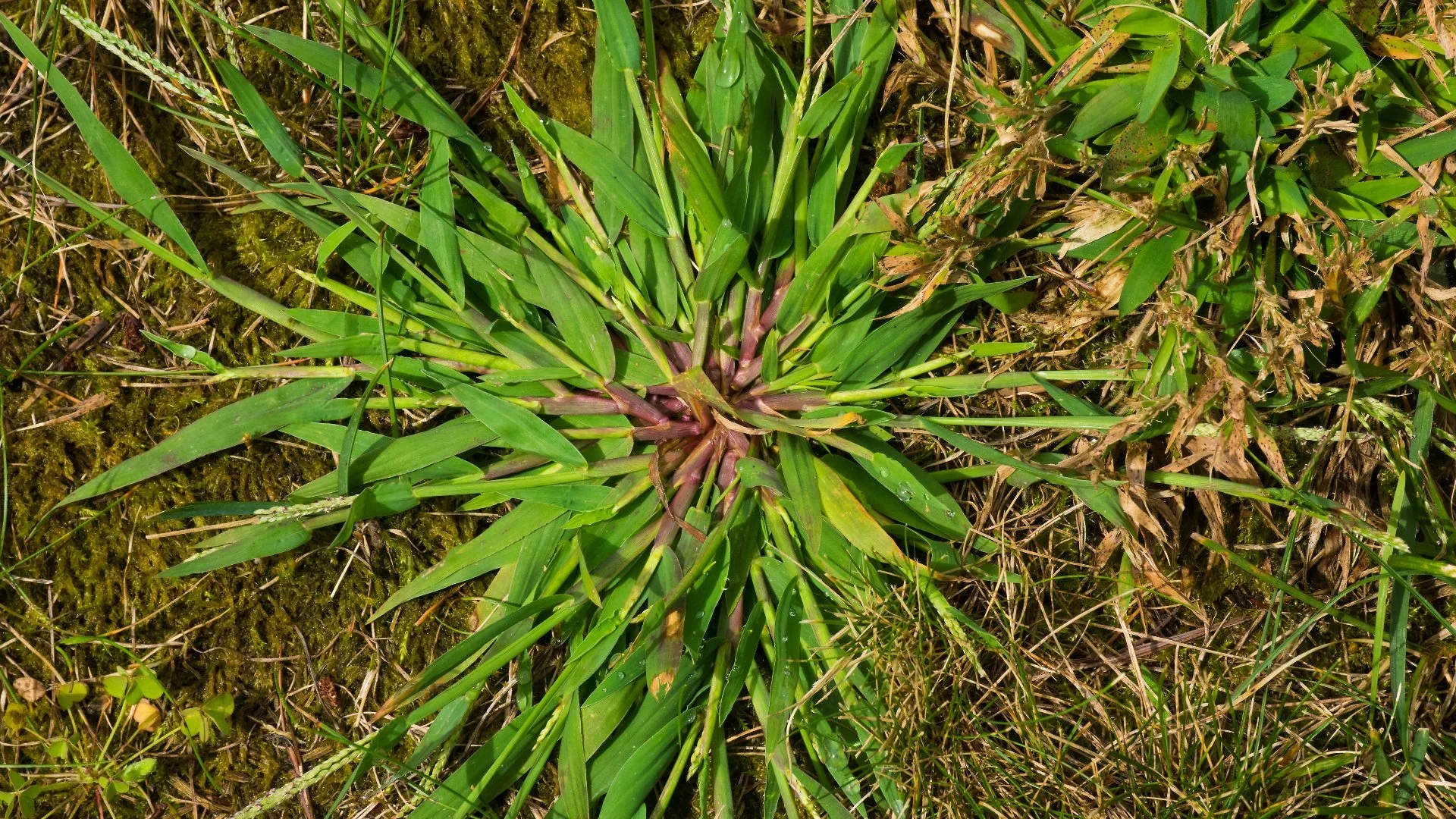
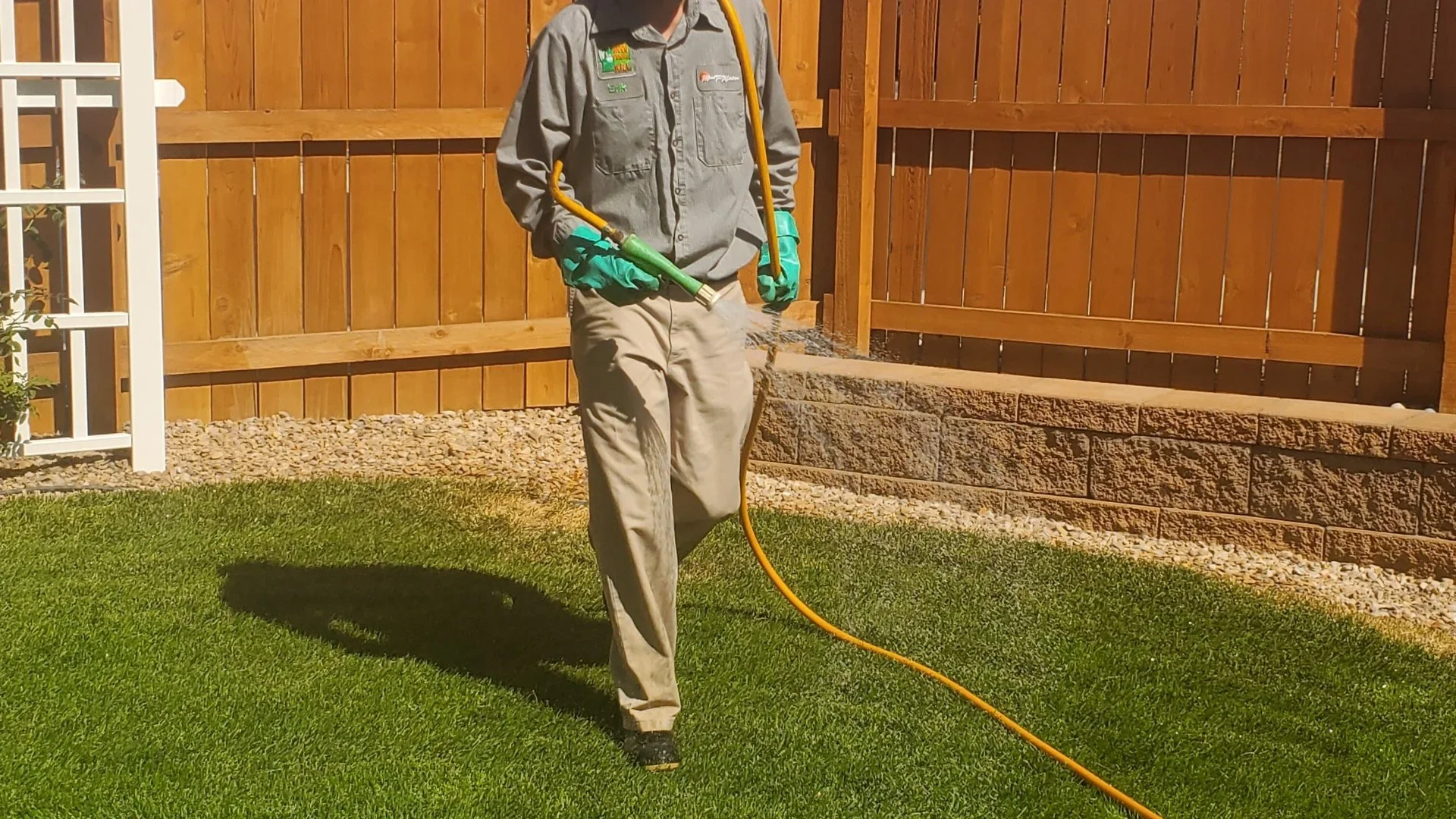
Weed prevention in Grand Junction and the Grand Valley starts before dandelions and foxtail show up in the mower path. Pre-emergent herbicides create a barrier in the top layer of soil that stops many weed seeds from establishing roots and reaching sunlight. Apply too early and weather breaks the barrier; too late and weeds already have roots beyond the shield. Mesa Turf Masters has run weed control programs with pre-emergent and post-emergent timing since 1992 across Western Colorado.
Pre-emergent weed control timing here follows regional soil warming—not a national big-box calendar.
## How pre-emergents work on turf
Products do not stop seeds from germinating entirely; they stop new seedlings from surviving after germination beneath the surface. That distinction matters when homeowners expect zero weeds after one application. Some weeds and perennial problems still need post-emergent follow-up or separate strategies on rock and beds.
Our lawn care plans combine pre-emergent barriers with lawn fertilization timed to growth so turf thickens while weeds face chemical and cultural competition.
## Soil temperature and season windows
We track local soil warming trends to apply when crabgrass and summer annuals are approaching germination thresholds—often earlier on warm microclimates in Fruita and Palisade than on shaded Clifton strips. February and March conversations are normal for spring prevention; late applications after weeds are visible waste material and money.
Read should pre-emergent weed control treatments be applied to lawns in spring for seasonal context alongside this Grand Valley timing guide.
## Rock, beds, and lawn are different surfaces
Rock weed control along desert edges uses pre-emergent strategy with products and rates matched to stone—not copied from turf bags. Mulch installation without barrier planning lets weeds exploit seams by May. Weed Lines Along Patios Before Your First Spring Mow shows where early weeds beat turf if overspray and timing slip.
## Pair with post-emergent and cultural work
Pre-emergent plus post-emergent together cover different parts of the weed life cycle on many properties. Mowing height, irrigation, and aeration where compaction thins turf all reduce weed pressure pre-emergent alone cannot solve.
Why You Should Use Both Pre-Emergent and Post-Emergent Weed Control for Your Lawn explains the two-layer approach in plain terms.
## Irrigation and weather after application
Water-in requirements on label matter: too little rain or irrigation after granular products reduces barrier formation. April Wind and Irrigation Startup in the Grand Valley pairs with spring applications when drift and dry soil stack on windy weeks.
Avoid disturbing the barrier with aggressive dethatching immediately after application unless product labels and crew timing allow.
## Professional programs versus DIY gaps
Split applications, correct rates for turf species, and follow-up scouting beat one retail bag spread on the wrong weekend. Mesa Turf Masters serves Orchard Mesa, Redlands, Grand Junction, Fruita, and Palisade with programs that log dates for fall pre-emergent where winter annuals matter on warm slopes.
Document your application date and product if you DIY part of the year so we do not stack incompatible chemistries when joining mid-season.
Mesa Turf Masters helps Grand Valley homeowners prevent weeds with timing rooted in local soil and weather. Call (970) 434-5440 or request a quote for pre-emergent planning on turf and rock. Submit questions through #quote with your last application date and target areas.
## Fall pre-emergent on warm slopes
Some Grand Valley slopes and rock transitions benefit from fall pre-emergent targeting winter annuals that germinate while homeowners focus on snow, not weeds. Spring-only thinkers miss that layer until mustard blooms in March. Mesa Turf Masters logs both seasons when properties need them.
Thick healthy turf from lawn fertilization and honest mowing is still the best weed prevention—pre-emergent barriers work better when they sit on soil that is not disturbed every week by aggressive edging or pet digging along the same seam.
## Read labels for seeding conflicts
If you plan overseeding or slit seeding the same season, pre-emergent choice and timing must align with seeding goals or new grass will not establish. Tell your crew about seeding plans before barriers go down—surprises in June are expensive to undo on Fruita and Grand Junction lawns alike.
## Record keeping pays off
Save product name, date, and weather for each pre-emergent application. Future crew visits avoid incompatible overlaps and help you know whether a miss was timing, weather, or disturbed soil—not mystery “resistant” weeds.
## Post-emergent backup plan
Pre-emergent barriers reduce weed pressure but rarely deliver zero weeds in a windy, diverse Grand Valley spring. Plan post-emergent follow-up through weed control when escapes appear before they seed the next cycle.