Water moves across Grand Junction lots whether you plan for it or not. Spring snow melt, irrigation overspray, and summer storms on hard-packed soil send sheet flow toward foundations, garage aprons, and low corners where turf drowns while berms stay dry. High desert properties with clay influence, cut-fill grade, and rock transitions need drainage thinking built into every landscape change. Mesa Turf Masters has managed irrigation, cleanup, and turf recovery after poor drainage since 1992 across the Grand Valley.
Landscape drainage on Western Colorado properties is practical engineering: where water enters, where it goes, and what breaks when it arrives uninvited.
## Read your lot after real water events
Walk the property during or right after melt or rain. Note rivulets along landscape curbing, pooling against the foundation, and soggy fescue in swales while uphill bermuda blonds out. Photos from the same angles each season build a map cheaper than guessing in July.
Open Fruita and Loma lots with long slopes toward the house need attention before monsoon season. Palisade properties with orchard grade sometimes inherit swales that no longer match current hardscape.
## Surface flow and grade fixes
Positive grade away from structures is the first rule. Berms, subtle swales, and channel exits that send water to designed outlets beat hoping rock will absorb volume it cannot. Cutting new turf without adjusting grade often creates a bathtub low spot that kills grass and grows weeds.
Pair grade work with yard cleanup and mulch installation so debris does not block intended paths. Rock installation without flow planning can accelerate runoff onto neighboring turf.
## Irrigation as a drainage variable
Overwatering low zones mimics storm pooling. Fix irrigation repairs and controller logic before regrading when spray is the primary flood source. Split cycles on clay soil so water infiltrates instead of running to the gutter.
April Wind and Irrigation Startup in the Grand Valley and Sprinkler Controller Settings Before June Heat connect clock habits to soggy low corners.
## Turf and plant damage from standing water
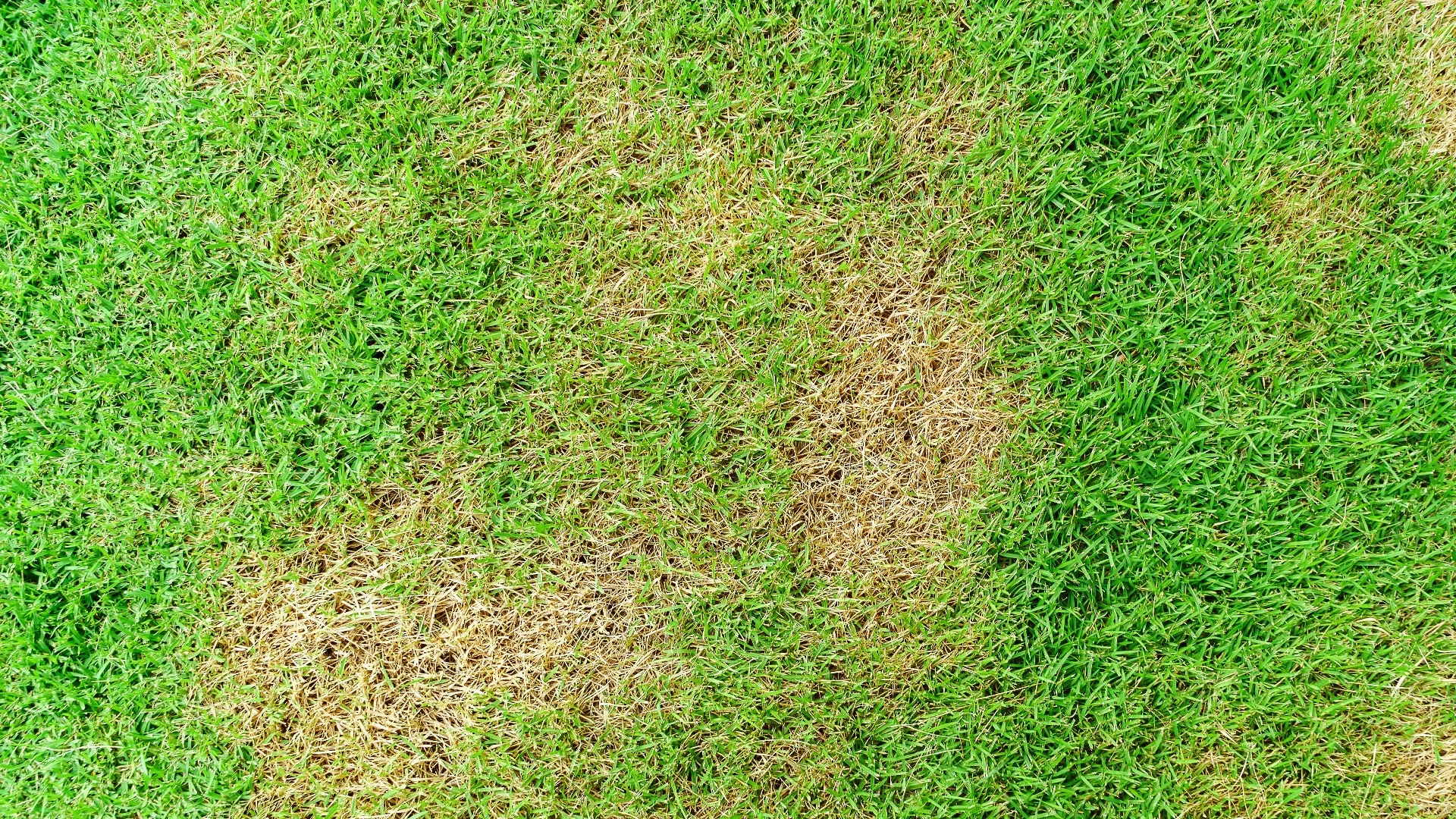
Saturated fescue invites root decline and fungus when nights stay warm. Bermudagrass in pooled areas thins and invites weeds. Lawn disease control may help symptoms but does not replace drainage correction.
Trees in bowl-shaped lawn areas show chlorosis and decline when roots suffocate—tree and shrub care visits should note grade around trunks, not only canopy color.
## Compaction and downstream fixes
Repeat foot traffic and equipment paths compact soil so water cannot enter. Aeration helps turf recover after drainage is corrected. Fixing Soil Compaction for Healthier Grand Valley Lawns covers deep recovery once water moves correctly.
Severe lawn loss in chronic swales may need lawn renovation with species or grade adjusted to match moisture reality.
## Rock, desert edges, and weed follow-up
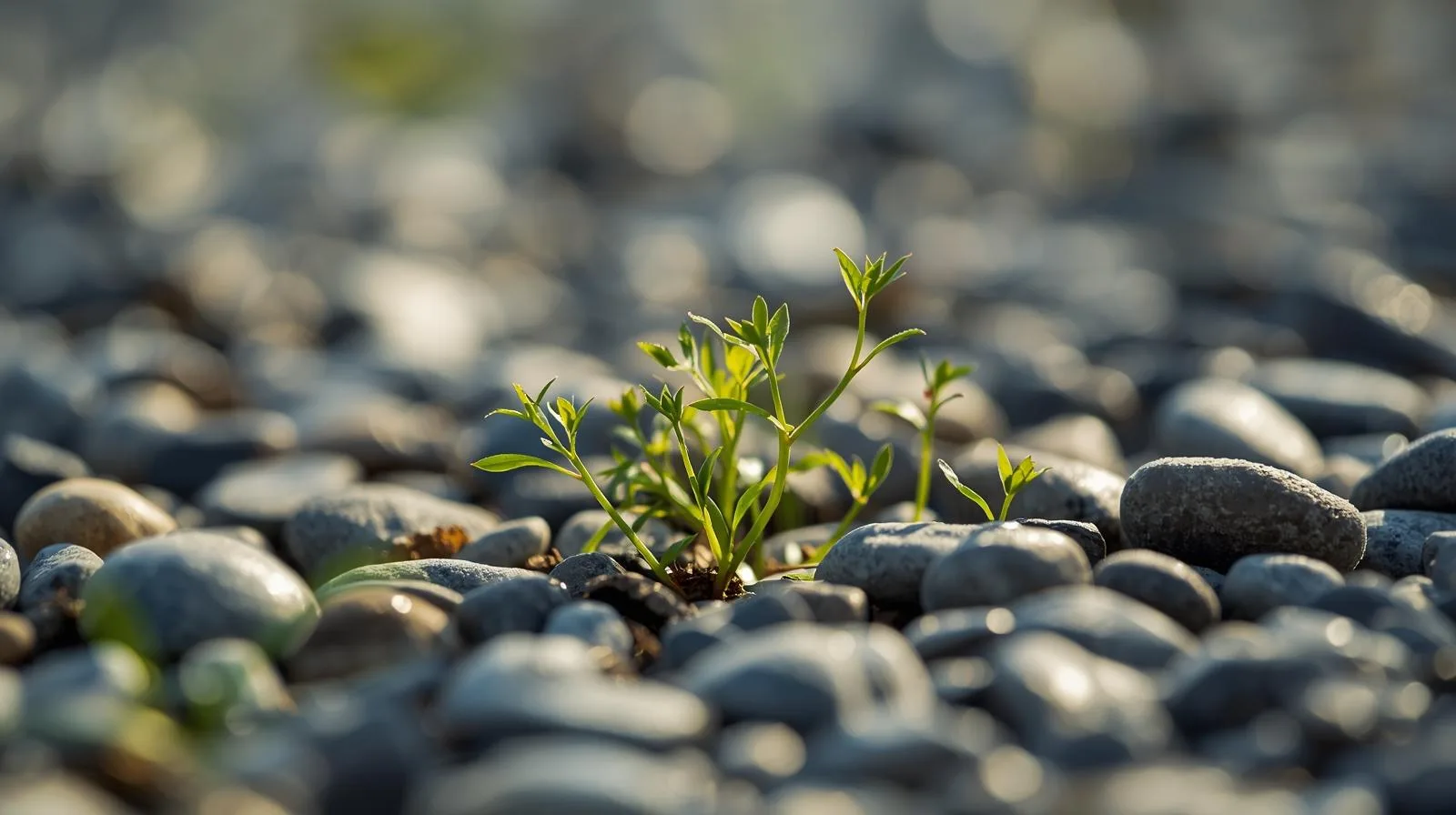
Drainage paths that stay damp grow weeds fast. Rock weed control along desert edges keeps channels clear without blocking flow with unmanaged growth.
Plant trimming opens flow paths when shrubs encroach on swales designed years ago.
## When to call for integrated help
Drainage touches irrigation, turf, hardscape, and sometimes pest pressure when mosquitoes find standing water. Mesa Turf Masters coordinates irrigation assessment with lawn care recovery plans rather than treating soggy turf as a fertilizer problem alone.
Document where water pooled last spring and which zones run when— that history speeds useful visits on Orchard Mesa and Clifton cut-fill lots.
Mesa Turf Masters serves Grand Junction, Fruita, Palisade, and high desert properties across the Grand Valley. Call (970) 434-5440 or request a quote to review drainage and irrigation together. Submit site photos through #quote after the next rain or melt event.
## Downspouts and hardscape contributors
Roof downspouts that discharge against foundation plantings or onto lawn swales can overwhelm turf during melt faster than sprinklers ever will. Extensions, splash blocks, and intentional outlets belong in the same plan as irrigation zones. Grand Junction remodels that add patio square footage without updating flow paths often flood the same fescue corner every spring until grade is addressed.
Photo-document downspout discharge during the next storm before you assume the sprinkler clock is the only water source killing grass in a low corner.
## Work with neighbors on shared swales
Some Grand Valley lots drain toward a shared low line between fences. Improvements on one side can redirect water toward a neighbor’s foundation or lawn. Photo flow during rain before major regrade conversations—cooperation prevents expensive disputes and repeat repairs.
## French drains and professional layout
Some lots need collected flow routed to daylight or storm systems. Guessing with shallow trenches without outlet planning can move water sideways into a neighbor’s lawn. Photo evidence and grade stakes before digging save rework on Grand Junction properties.