
Spring Yard Checklist for Grand Junction Homeowners
Get your Grand Junction yard ready for the growing season with a simple spring checklist: irrigation startup, cleanup, mower prep, and the right timing for aeration and fertilization.
Expert guidance for maintaining beautiful, healthy landscapes in Western Colorado
Welcome to the Mesa Turf Masters blog, your resource for professional lawn care tips, seasonal maintenance advice, and expert insights tailored specifically for Western Colorado's unique climate and growing conditions. With over 30 years of experience serving the Grand Valley, we're sharing the knowledge that helps our clients achieve exceptional results year after year.
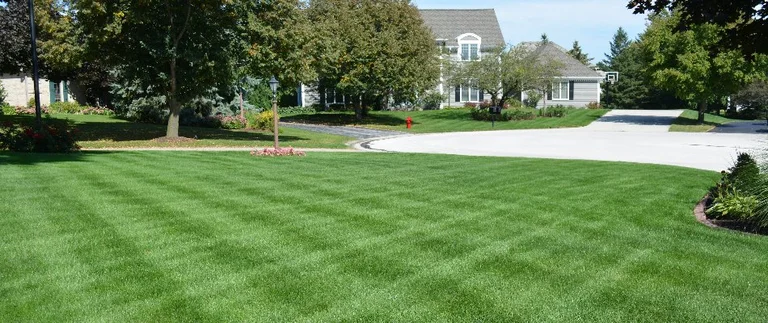
Get your Grand Junction yard ready for the growing season with a simple spring checklist: irrigation startup, cleanup, mower prep, and the right timing for aeration and fertilization.
Too much or too little water both hurt your lawn. Learn the simple signs of overwatering and underwatering so you can adjust before damage shows up in Grand Junction and nearby areas.
Waiting to mow after overseeding gives new grass time to take hold. Here is when to make the first cut and how to mow so your Grand Valley lawn stays thick and healthy.
Address iron chlorosis in Grand Valley maples with chelated iron and soil acidifiers. Mesa Turf Masters offers ISA Certified Arborist services for legacy tree care.
Engineer surface flow and prevent lawn diseases with professional drainage solutions and durable concrete curbing for high desert properties in Palisade and Clifton.
In 2026, master white grub neutralization with strategic timing of preventative treatments. Mesa Turf Masters provides expert grub control for Western Colorado.
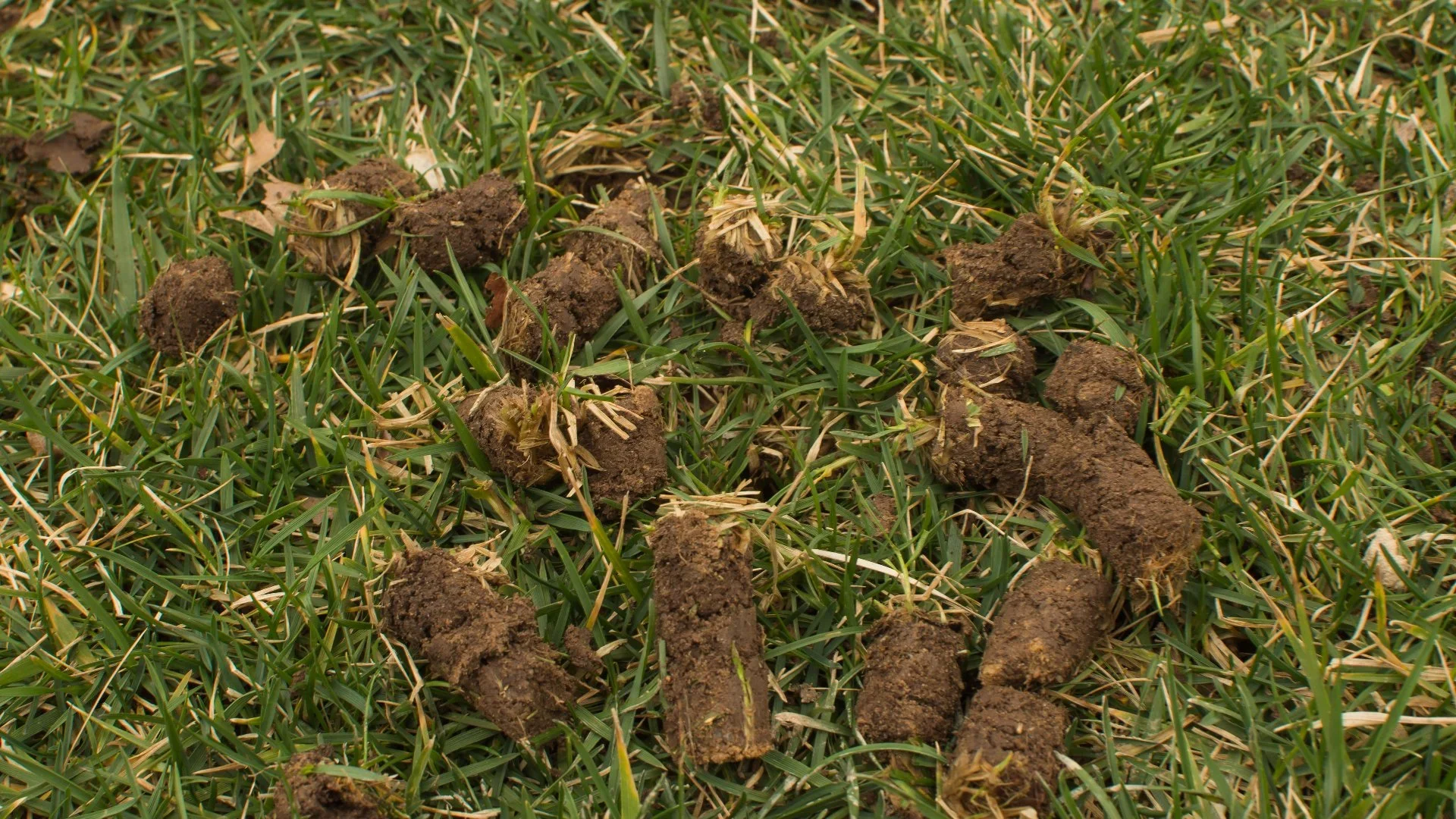
One of the most overlooked factors in the health of Grand Junction lawns is the physical structure of the soil itself. Core aeration breaks up compaction and allows your turf to breathe and grow stronger from the roots up.
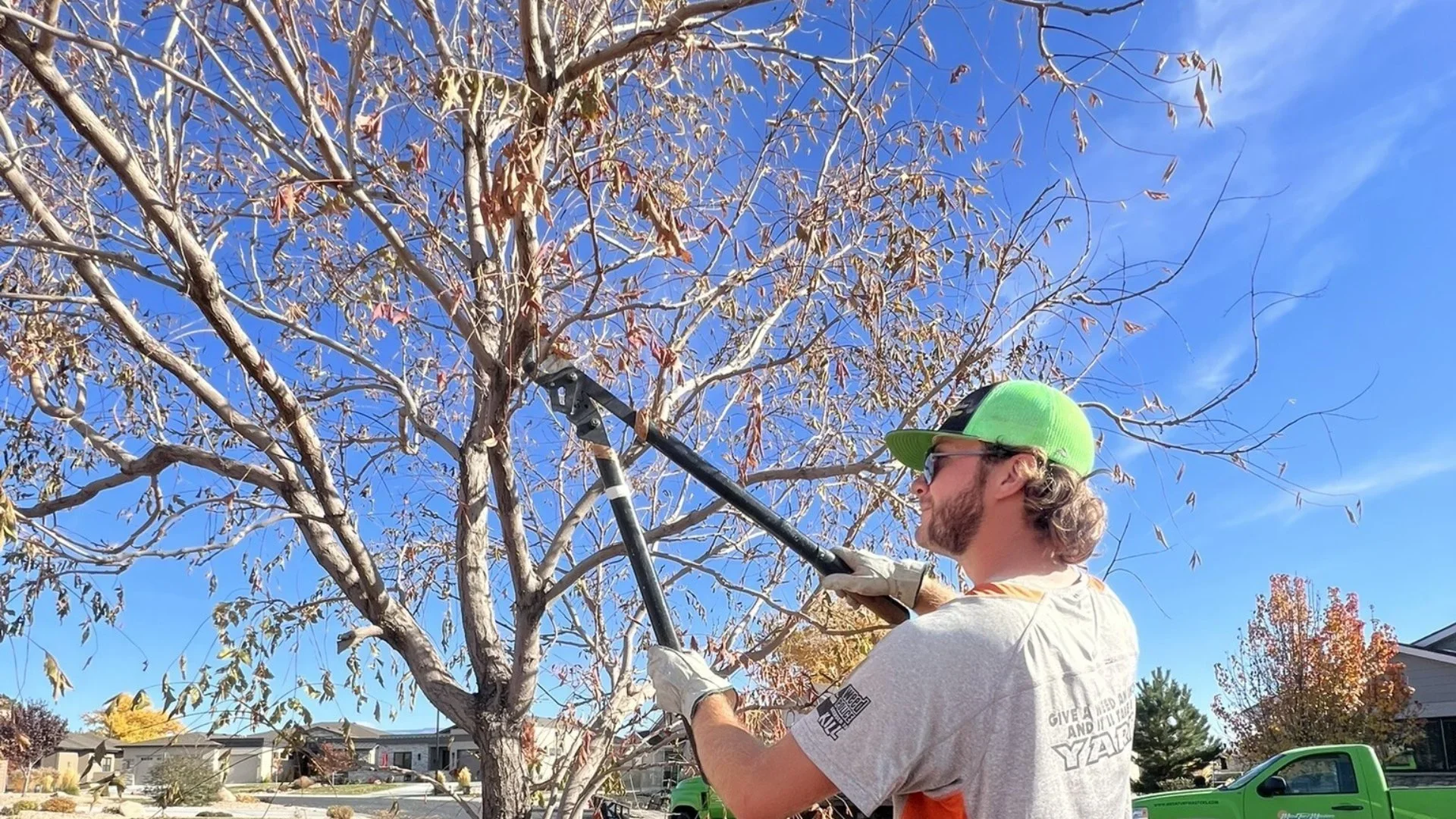
For families in Palisade and Clifton, the arrival of February marks the most critical window for dormant pruning deciduous trees and shrubs. Utilize the mid-winter dormancy period to perform high-precision structural cuts.
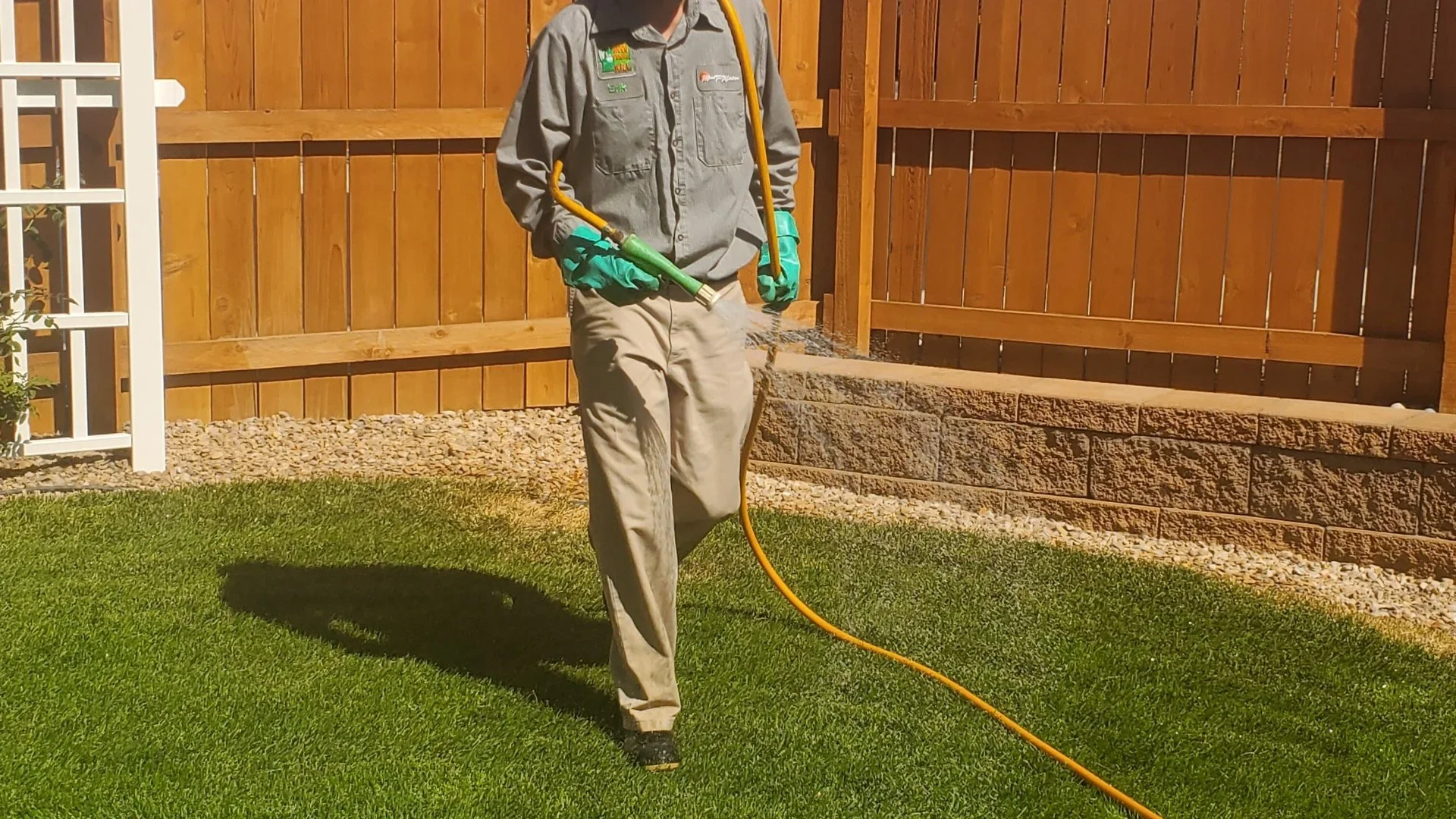
As we move into the first week of February, homeowners in Grand Junction and Fruita must understand that the biological window for preventing spring weeds is rapidly narrowing. Learn the precision timing for pre-emergent applications.
.webp)
Achieve a lush, healthy lawn in Grand Junction, CO, with a tailored fertilization schedule that involves several treatments in spring, summer, and fall!
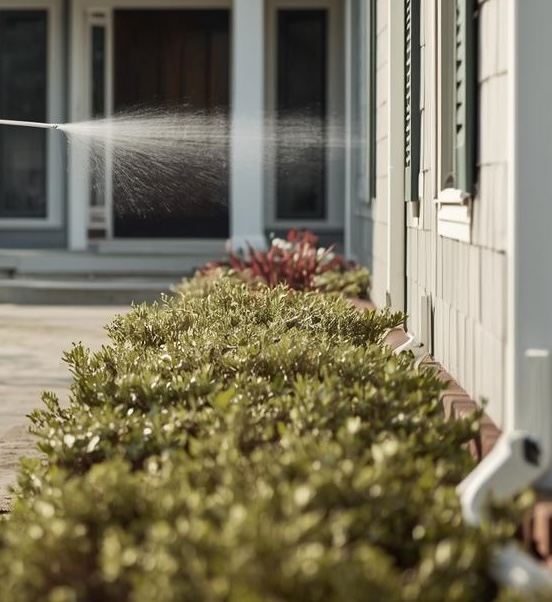
Hiring professionals to apply perimeter pest control treatments is a worthwhile investment because they will apply treatments that are proven to be effective!
After applying post-emergent weed control, you'll start noticing results within 1-2 weeks, with full results being seen after a month.
Some fertilizers are liquid, while others are granular, and the nutrient composition can differ. Hire pros to ensure the right product is used for your lawn!
Mulch can enhance the health of your plants by retaining moisture, regulating soil temperature, suppressing weeds, reducing erosion, and more.
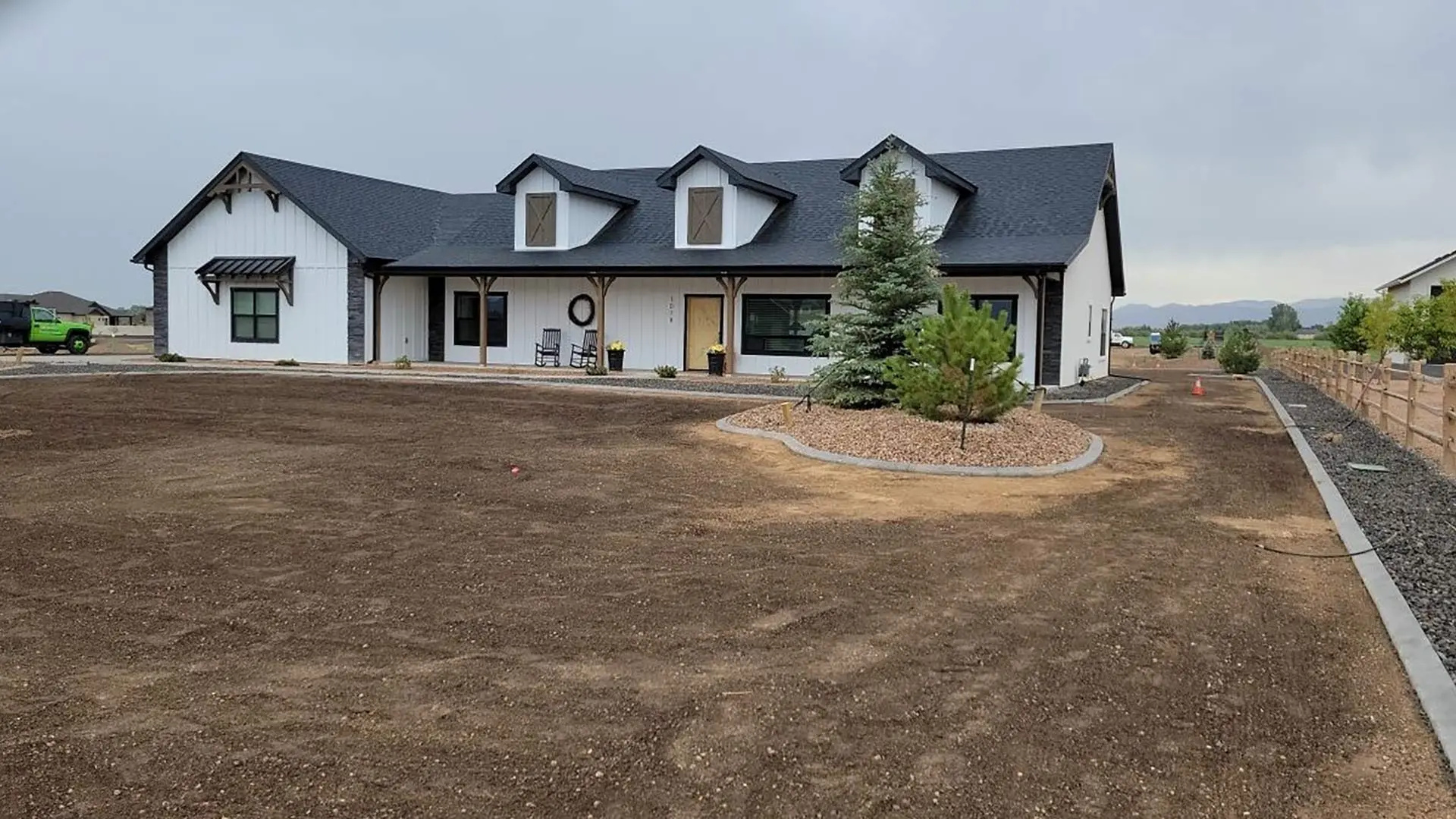
Enhance your landscape with the right mulch thickness of 2 to 3 inches. Make sure to leave a gap around the base of your plants and replenish it once or twice a year
Not all landscape curing is created equal, opt for concrete curbing due to its beauty and durability!
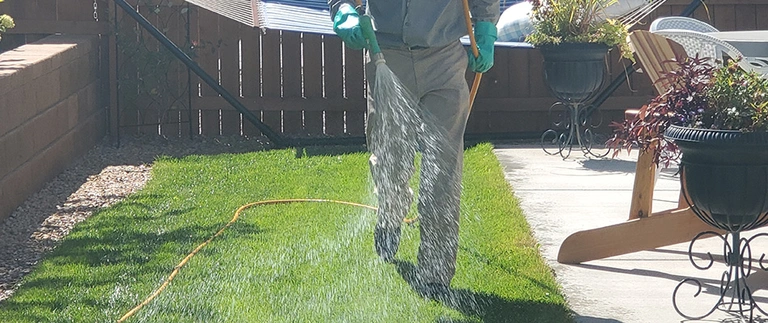
If you don't trim your plants, they can become overgrown, insects and diseases could go unnoticed, and sunlight may not be able to reach all areas.
The right company for your landscape renovation project should have reliable experience, great reviews, and install plants that thrive in the local environment.
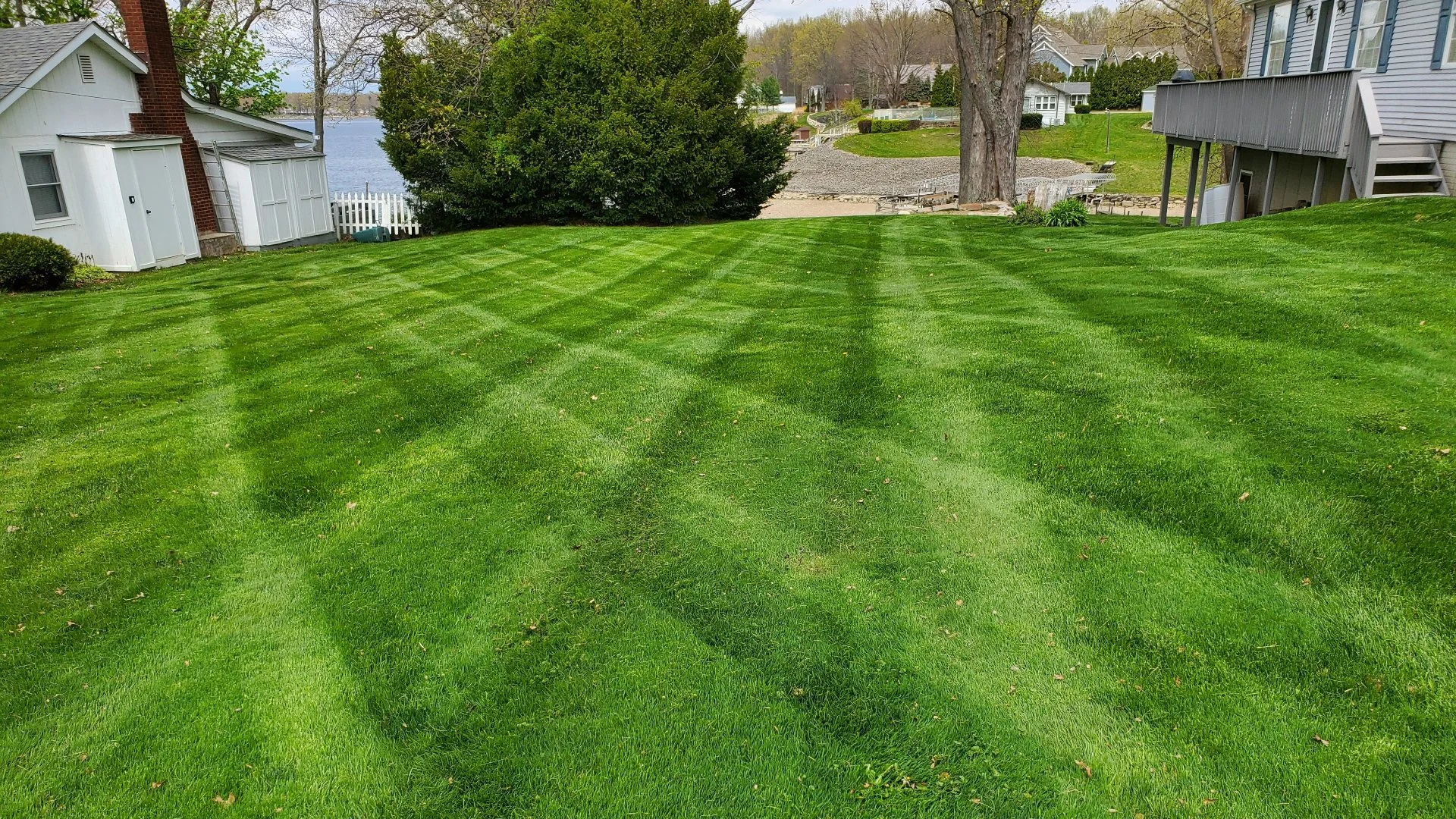
Ensure your overseeded lawn thrives by following a strict watering schedule from the 1st week up to a month after spreading the grass seeds.
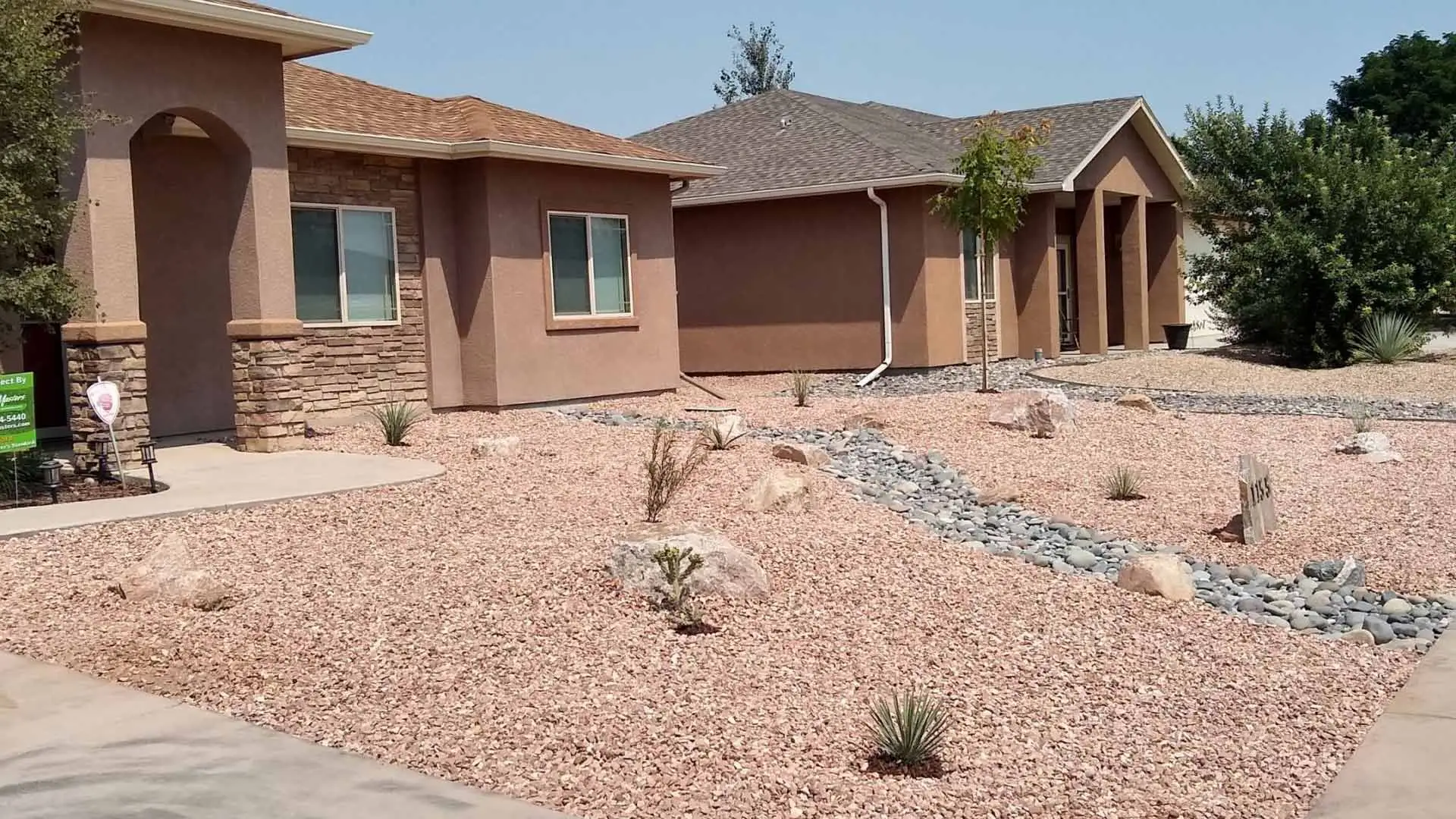
Mulch and rock are both great options for a ground cover. Which one you choose to go with will come down to your maintenance preferences and personal taste.
Proper timing of fertilization is crucial during the rainy season to ensure optimal nutrient absorption. Make your life easier by enrolling in a lawn fertilization program!
The amount of grass seeds to use when overseeding your lawn depends on its size and the type of grass seeds used. Only use half the normal seeding rate, too!
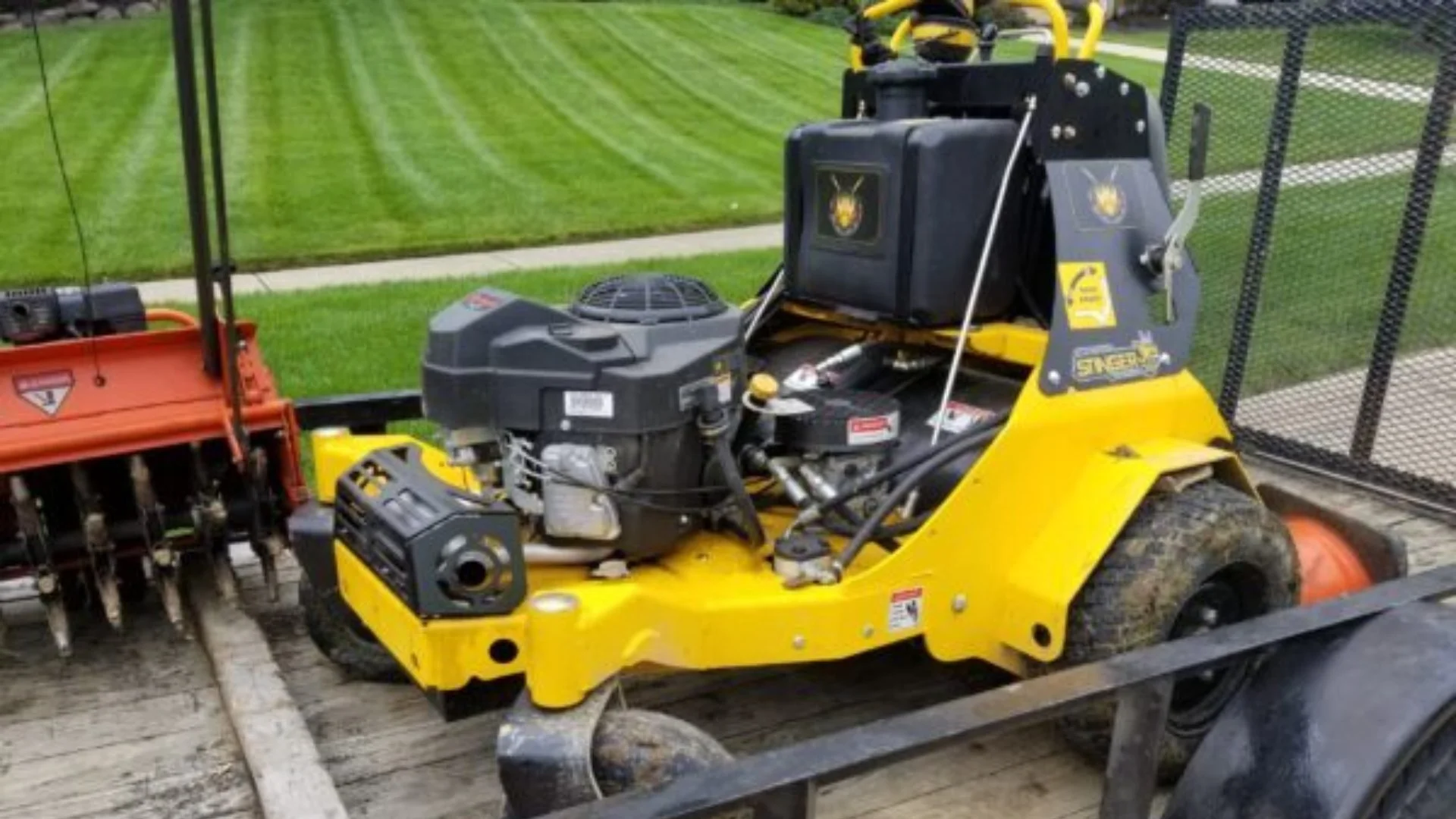
Caring for a newly overseeded lawn includes following a proper watering schedule, waiting to mow until the new growth is tall enough, and avoiding foot traffic.
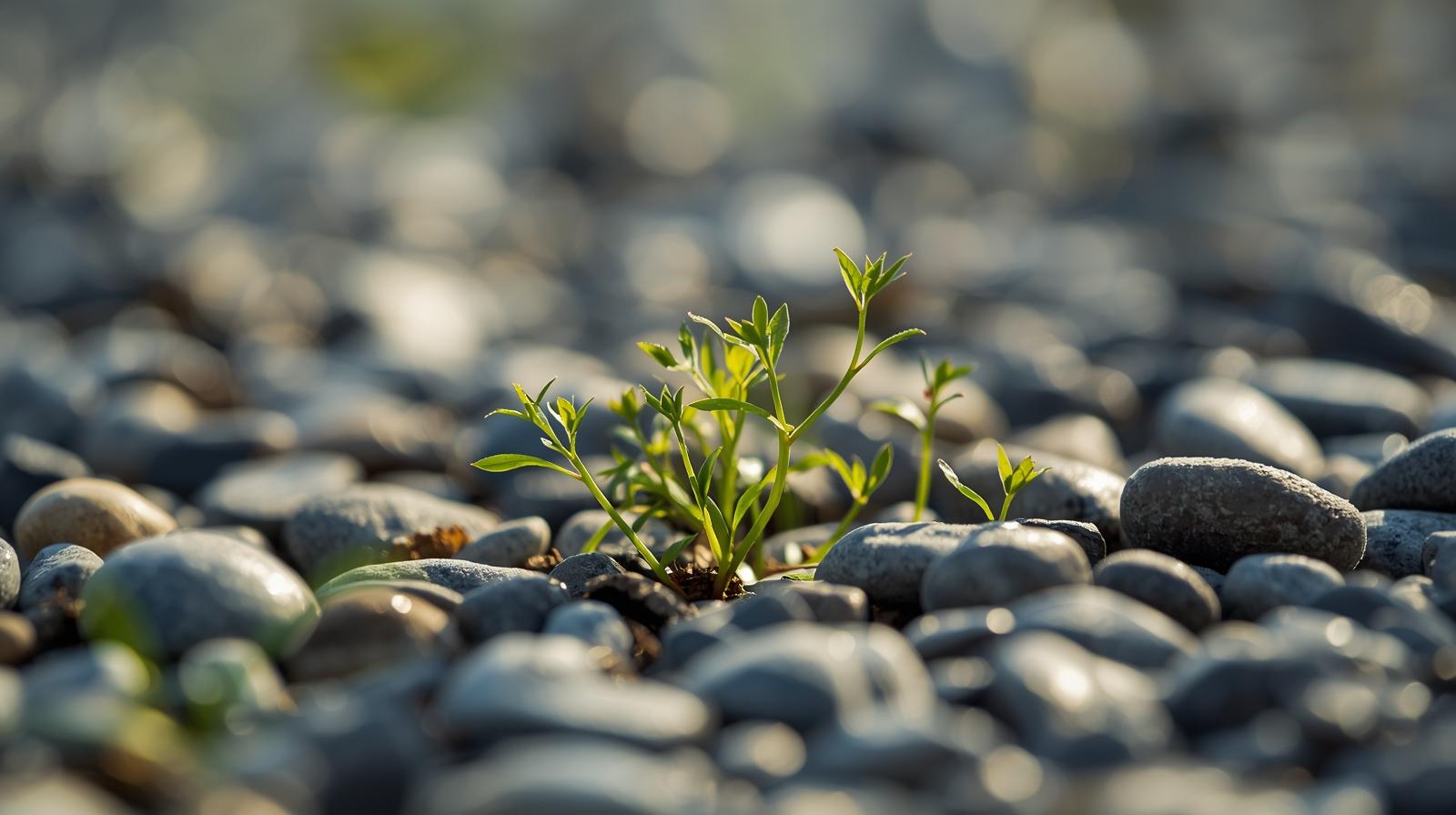
The best company for your rock weed control will use pre- and post-emergent treatments, provide consistent follow-ups, and treat sidewalk and driveway cracks.
Mulch ground coverings last for about 4 to 6 years, but you'll need to refresh them every 1 to 2 years. Let professionals replenish them to ensure the job is done right!
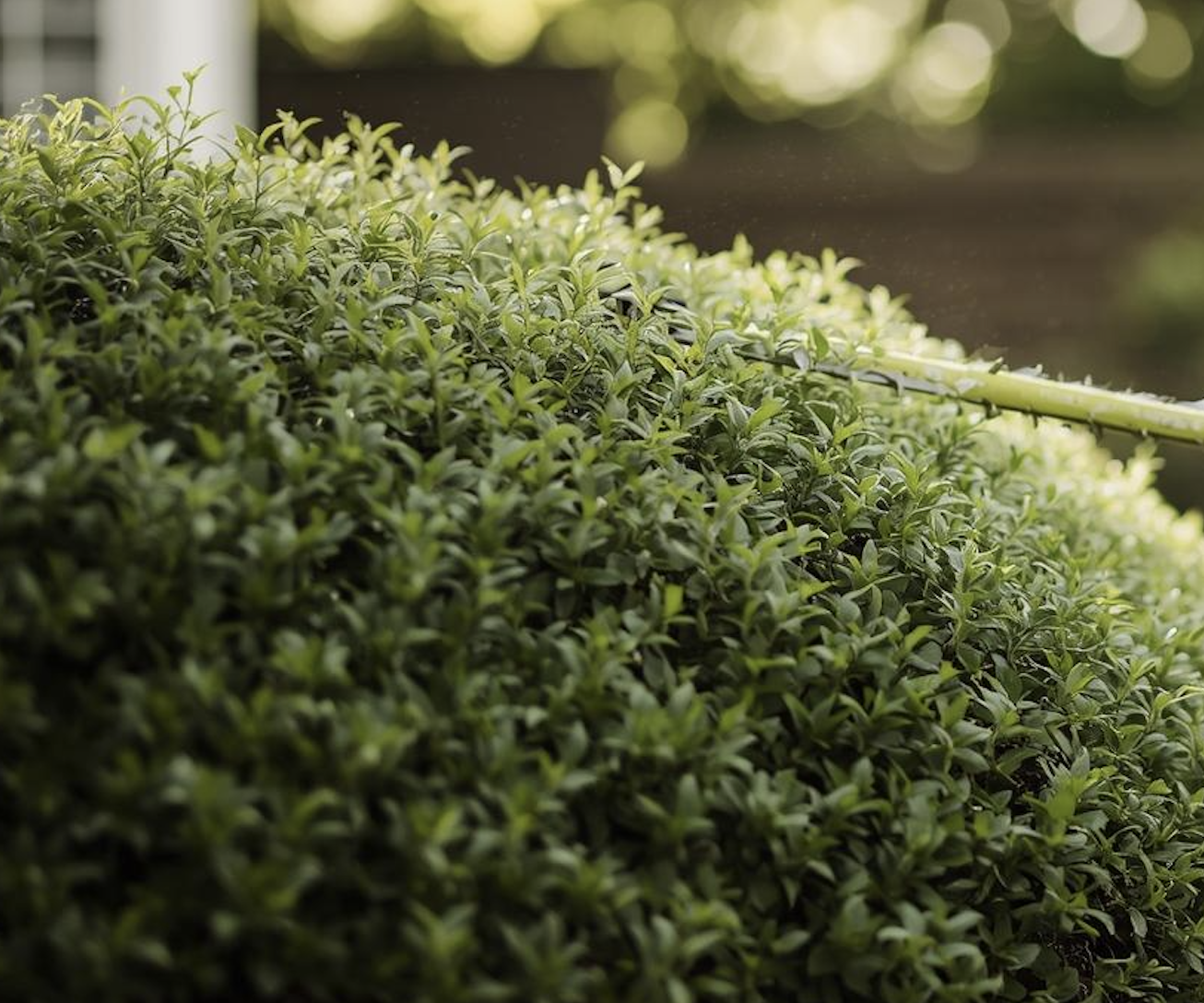
While your plants can be trimmed whenever they need it during the spring, summer, and fall seasons, they should only be pruned when they can tolerate it.
Help your lawn recover from grub damage by investing in lawn care services like fertilization, aeration, and overseeding.
Grass seeds start to germinate 7-10 days after overseeding, with new grass growth being visible after 2-4 weeks. Proper care is crucial to ensure they grow nice and strong.
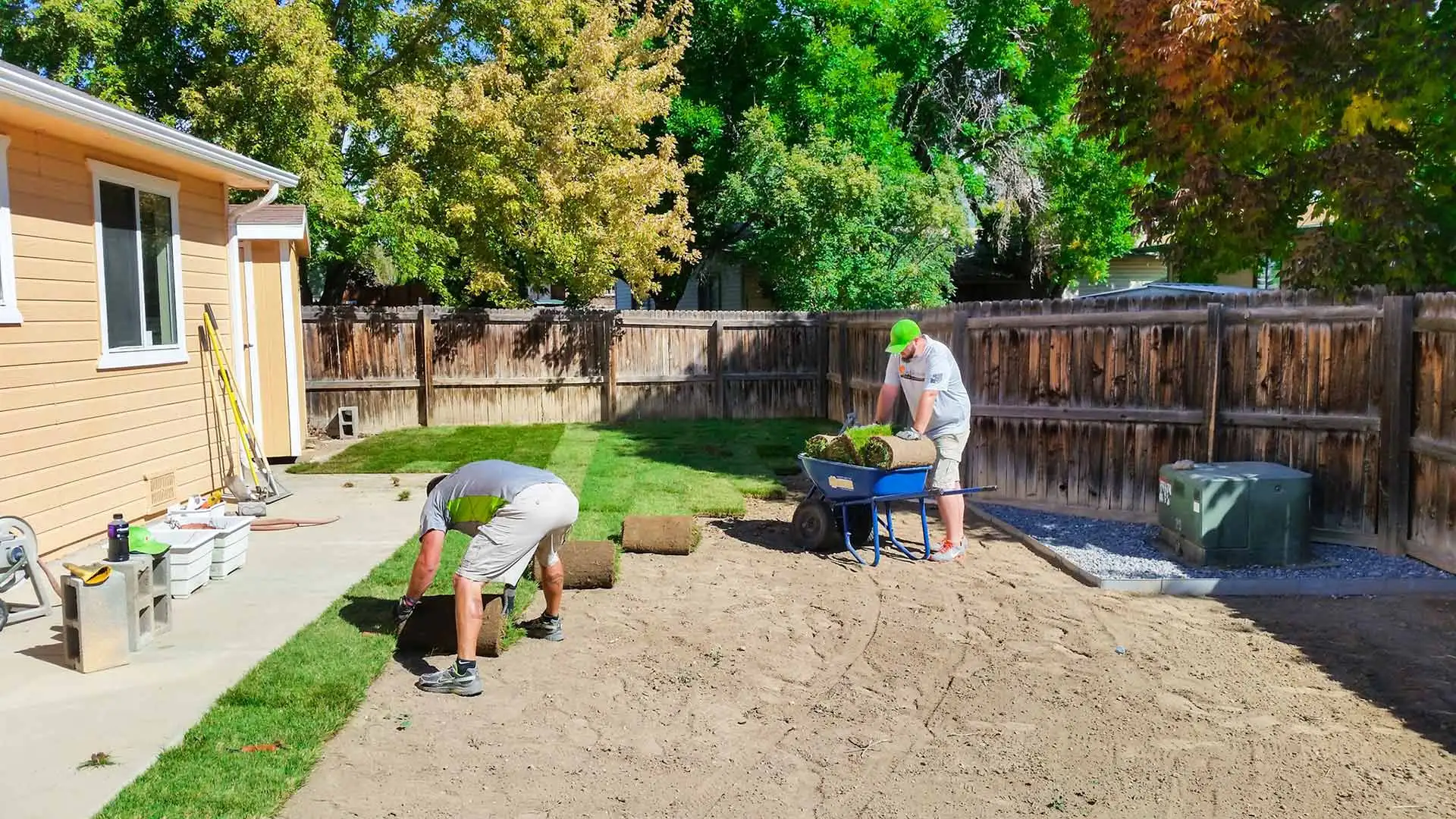
Your sod will start to develop shallow roots within the first two weeks after installation and establish a deeper root system after 4 to 6 weeks.
Rejuvenate your grass with lawn care services like fertilization for consistent nutrient supply, aeration for improved nutrient uptake, and overseeding for lusher growth!
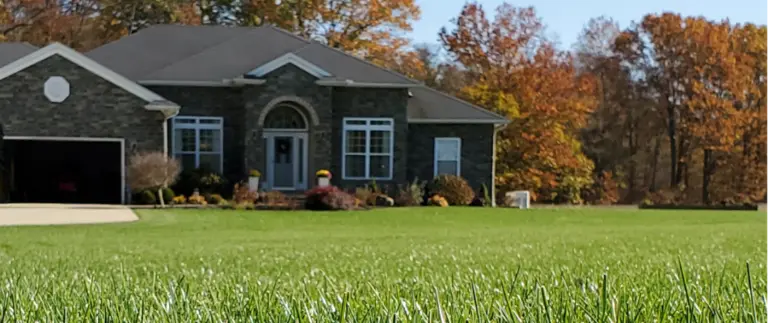
Skipping lawn aeration can weaken your grass by hindering its ability to absorb vital resources. Make sure you hire pros and schedule it in the spring and fall!
Fertilizer treatments in the summer provide your grass with nutrients that will help it survive the season. Schedule them three times in the summer for optimal results.
Watering in fertilizer depends on whether your lawn received a granular or liquid treatment. Ask your lawn care provider for watering instructions to avoid mistakes!
Wait until soil temperatures warm up to around 55 degrees Fahrenheit before applying spring fertilizer to ensure it's utilized by your grass.
Weeds in your rock landscape appear because of weak barriers, gaps in coverage, and existing weed seeds. Learn how a rock weed control service will keep them at bay.
Eliminate weeds on your lawn before overseeding it so the grass seeds have no competition for nutrients. Make sure you wait to overseed after applying weed control!
Annual weeds complete their life cycle in a year, while perennial weeds survive for a few years. Enroll in a weed control program to get rid of both types from your turf.
Read our blog to learn the difference between grassy and broadleaf weeds!
You can usually add new mulch on top of an old layer, but not if the total thickness will exceed 5 inches!
You should have your plants pruned to ensure that nutrients and resources are being directed to the healthy parts, among other reasons!
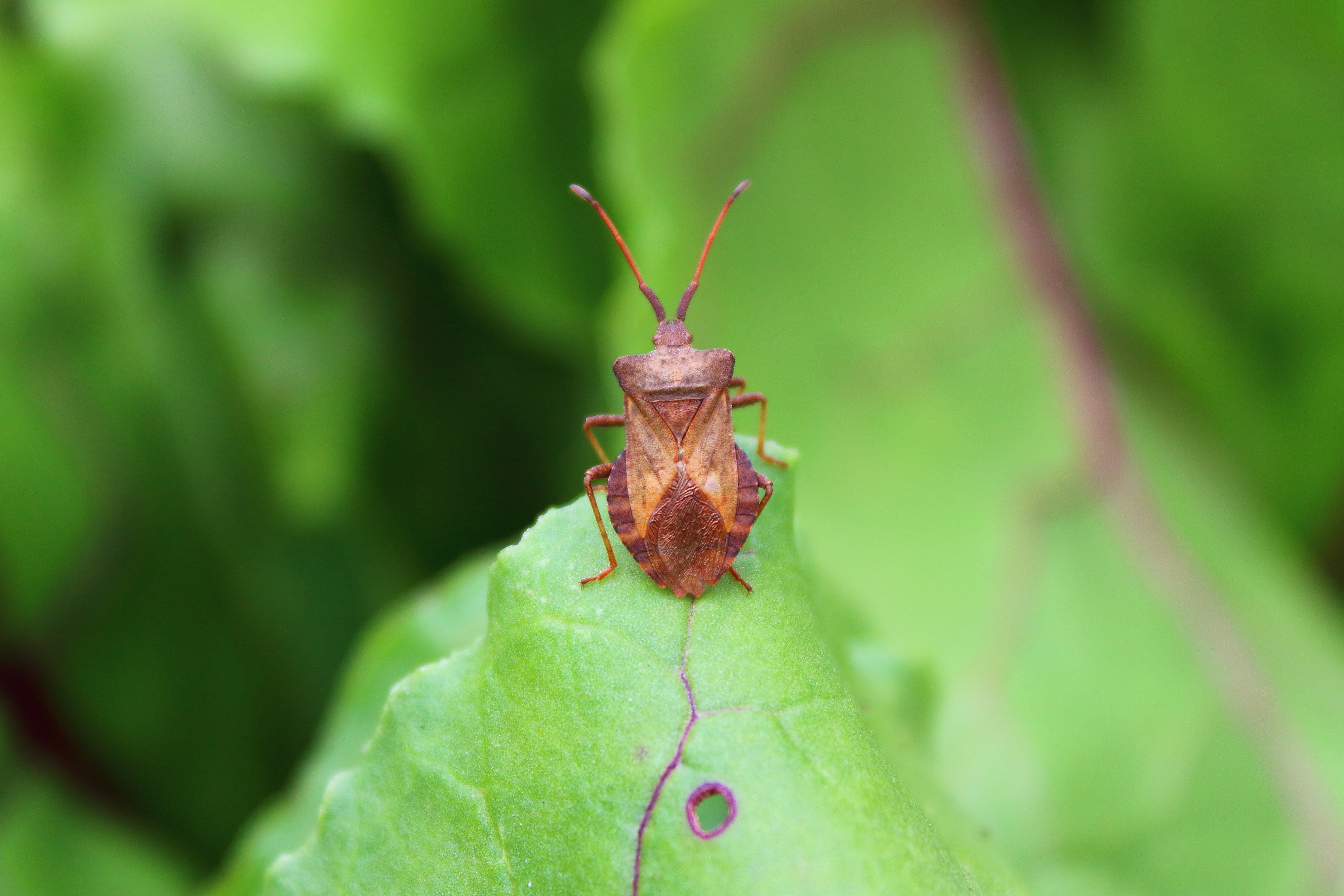
Chinch bugs suck fluid from your grass and cause brown patches. They are most active in the summer, and the best way to get rid of them is through curative treatments.
Before you enroll in a lawn care program, make sure the company has been around for a long time and offers several options to choose from!
Core aeration in the spring will loosen up compacted soil, improve your lawn's fertilizer uptake, and strengthen it so it can resist stressors.
Core aeration helps relieve compacted soil, as well as thatch build-up, and should be done twice a year during the spring and fall for the best results!
The type of fertilizer treatment and the weather affect how long your lawn takes to absorb it. For the most accurate answer, always speak with your lawn care provider!
You should pair fertilizer and weed control if you have a lawn in Colorado to ensure it receives the nutrients it needs without competition.
Necrotic ring spot, brown patch, and Ascochyta leaf blight are some common lawn diseases in Grand Junction, CO, that you should protect your lawn from!
You should apply pre- and post-emergent weed control on your lawn during the spring to help keep it free of weeds.
Invest in fertilization treatments for your lawn this spring to ensure your turf bounces back from winter and is prepared for summer.
Your lawn fertilizer should include macronutrients such as nitrogen, phosphorus, and potassium so that your lawn gets what it needs to not only survive but thrive.
If you want your new sod to thrive, it's important to follow a strict watering schedule for the first 4 weeks after installation.
The tell-tale signs of a grub infestation on your lawn include it feeling spongy and lifting like a carpet, irregular patches of brown grass, and an increased animal presence.
When pruning your plants, make sure you aren't pruning them at the wrong time, making improper cuts, or using dull tools.
You'll want to wait at least two weeks after installation to mow your new sod, and when you do, set the mower to the highest setting and stop watering the day before.
It's best to prune your plants in the winter when they are dormant so you can see their actual shape better and prevent spreading any diseases or pests.
Three effective methods to use for applying insecticides to protect your trees and shrubs from insects are bark drenches, trunk injections, and dormant oil.
Yellow leaves on your maple trees indicate an iron deficiency. You'll want to invest in iron treatments to replenish the iron in your maple trees.
To properly care for your trees and shrubs, you'll want to fertilize them in the spring and fall and treat them for insects and diseases throughout the year.
Fertilizing your plants in the fall will ensure they are in top condition and have enough nutrients to use throughout winter dormancy.
Trimming involves removing overgrown branches to keep your plants pristine, while pruning is the process of cutting away weak parts to keep the rest of the plant healthy.
Dandelions, clover, chickweed, and crabgrass are common weeds in the Grand Junction, CO, area that can take over your lawn and outcompete it for nutrients.
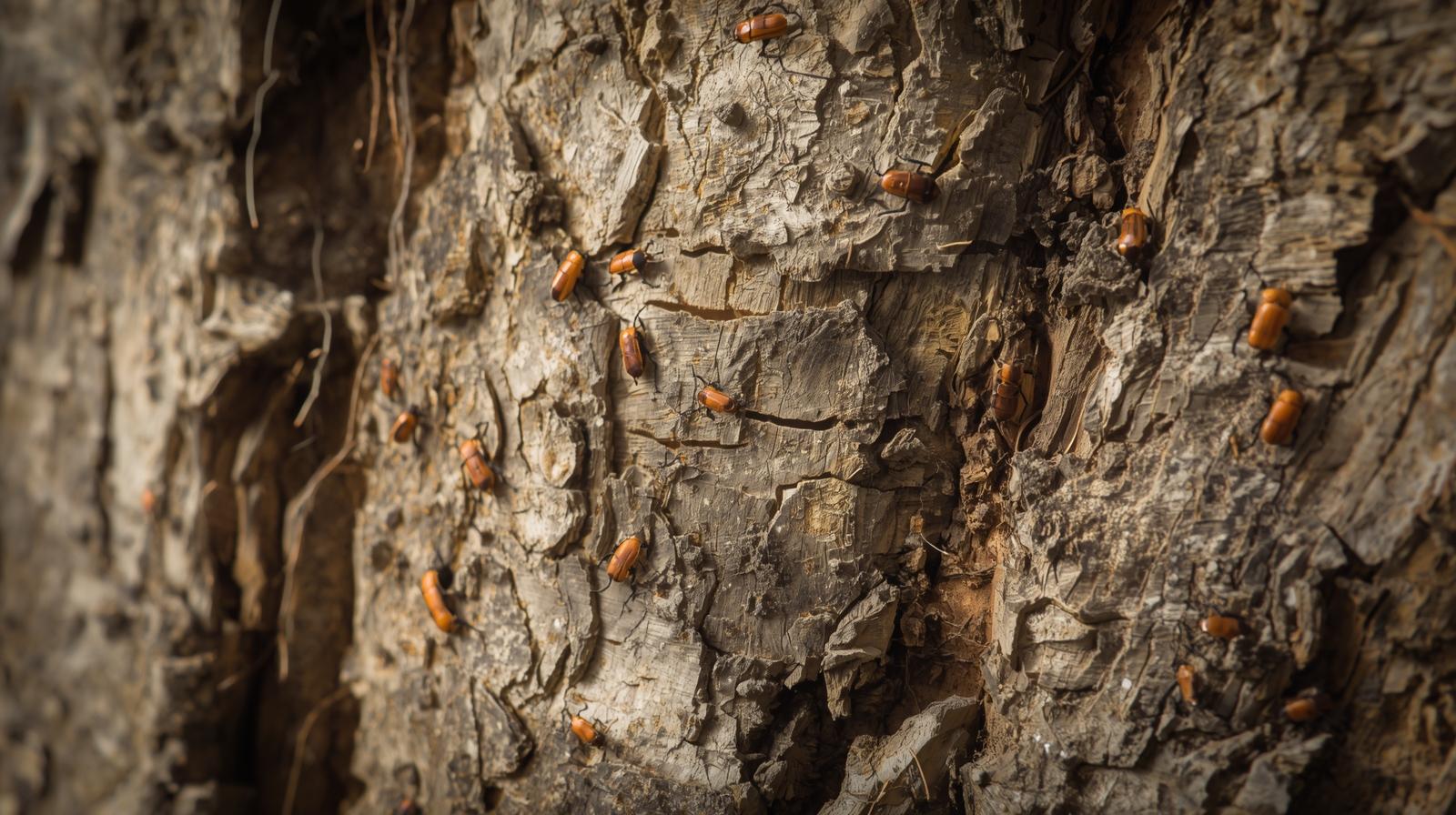
3 insects that commonly infest trees and shrubs in Grand Junction, CO, are lilac ash borers, aphids, and spider mites.
When overseeding your lawn in Colorado, you should use a blend of ryegrass, Kentucky bluegrass, and turf-type tall fescue seeds.
The clumps of soil on your lawn after aeration are soil cores. You should leave them alone to decompose on their own and they will return nutrients back to your soil.
Concrete is the best material for landscape curbing because it's highly durable and functional, can stand the test of time, and will enhance the aesthetic of your softscapes.
You'll want to fertilize your trees and shrubs in the spring and fall to give them the nutrients they need to thrive and bolster healthy growth.
Pre-emergent weed control treatments prevent weeds from sprouting, while post-emergent treatments target existing ones. Together, they offer full protection against weeds!
Combining aeration, overseeding, and slit seeding services will boost your lawn's nutrient absorption and set it up for stronger and lusher growth.
With a lawn renovation service, pros will assess your struggling grass and provide a customized plan comprised of various services to get it back in tip-top shape.
Enhance the overall condition of your landscape beds this fall by trimming and pruning your plants, adding landscape curbing, and installing a rock ground cover.
A soil conditioner treatment will add beneficial microbes to the soil, help your lawn resist and recover from heat stress, and keep it lush and green.
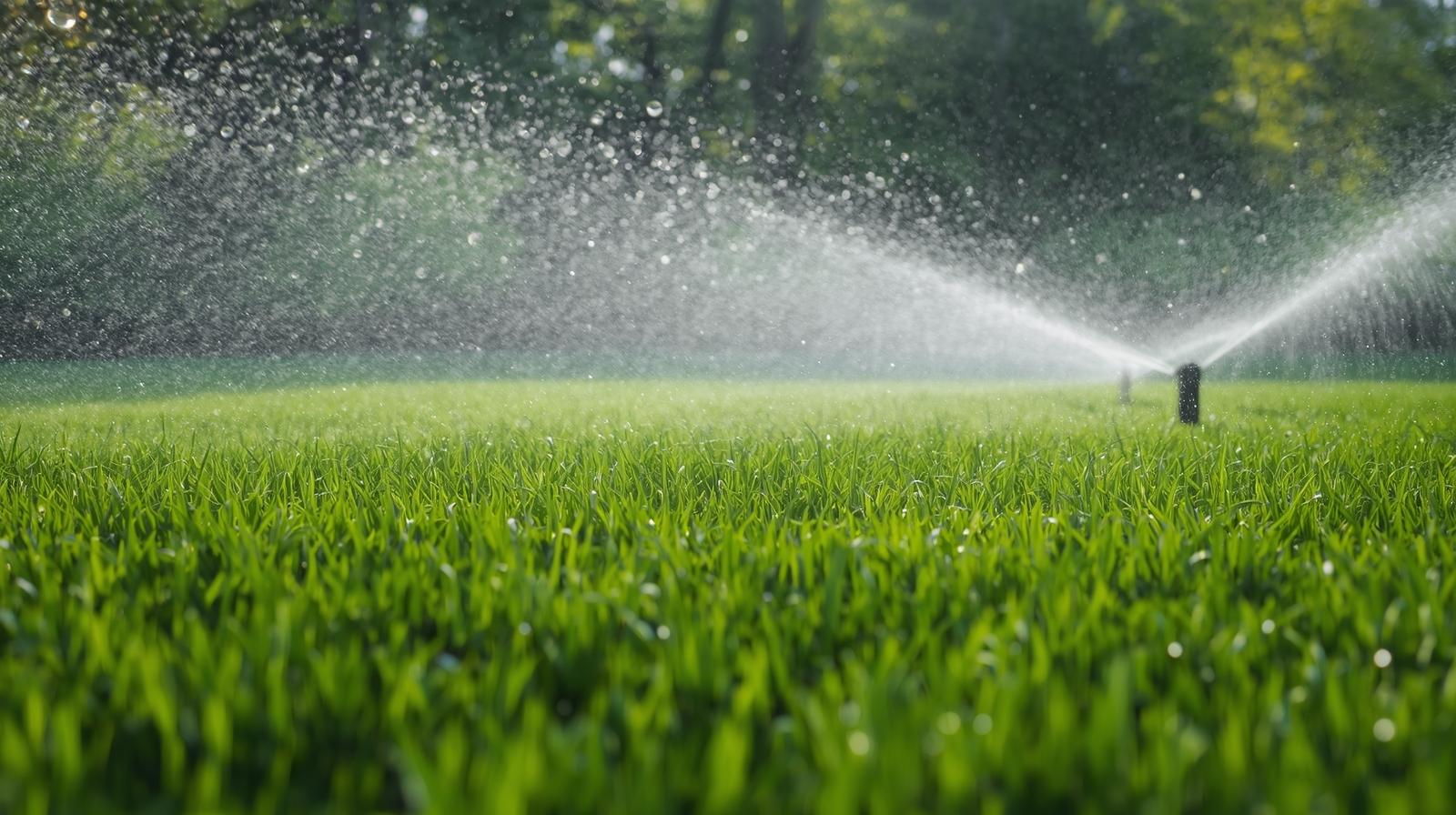
Lawn diseases are usually a result of issues with your irrigation system, so you'll want to hire pros to repair and routinely maintain it to avoid this.
Overseeding is the process of spreading grass seeds over a lawn to encourage new growth. Continue reading to learn more about this service.
You should fertilize your lawn in the fall to help your grass recover from summer-related stress and prepare it for the upcoming winter season.
To prepare your lawn for overseeding, you'll want to mow it shorter than usual, remove debris, and aerate it.
Organic root treatments are necessary for your lawn because they increase microbial activity and encourage the growth of stronger, more robust root systems.
Lilac ash borers cause damage by feeding beneath the bark of your ash trees. The most effective way to combat them is through tree insect control treatments.
Sod is the most efficient way to achieve a beautiful, new lawn right away, but you'll have to wait about a month before using it like normal to allow the roots to develop.
Core aerating your lawn this fall will loosen compacted soil and improve resource access to its roots, building up its strength before winter.
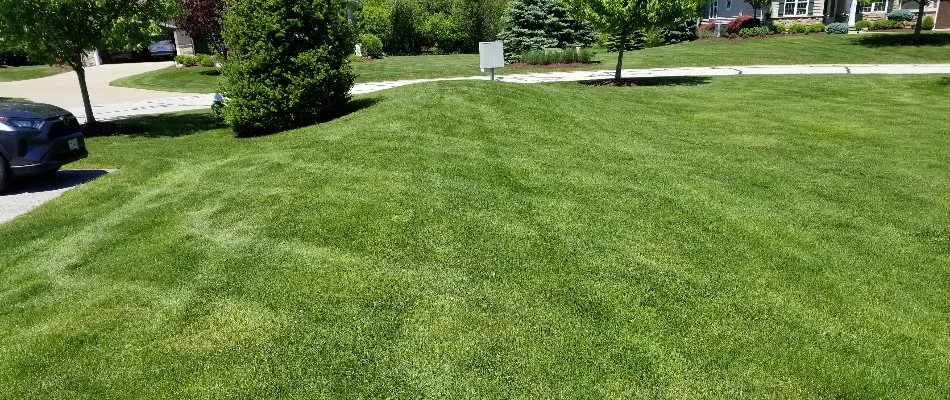
If your lawn is infested with grubs, get rid of them by scheduling curative grub control treatments. You can also invest in lawn care services to help your grass recover!
Lawn fertilization, aeration, and overseeding are lawn care services that you can take advantage of to help your grass recover from a lawn disease!
Before installing new plants in your landscape beds, you'll want to consider their soil conditions, sun exposure, and your preferred color scheme.
Necrotic ring spot causes rings of dead, discolored grass across your lawn and attacks its roots. If this disease infects your turf, schedule curative treatments to eliminate it!
The brown patches all over your lawn are likely from brown patch lawn disease or dehydration. You'll want to contact pros to determine the issue and provide the right remedy.
For your lawn in Colorado, you'll want to use liquid fertilizers for most of the year and a granular treatment once at the end of fall.
When tackling weeds on your lawn, you'll want to spray them with post-emergent weed control treatments instead of pulling them by hand.
Keep your pets safe during lawn care applications by keeping them indoors, waiting for the treatments to dry, and communicating with your lawn care provider.
If your grass is turning brown, there are several reasons that could cause it, like dehydration, insect infestations, or overfertilization.
While weed barriers and treatments can keep your rock areas weed-free, scheduling a professional rock weed control service will make your life easier and yield optimal results.
Soil compaction is a common problem that aeration can solve. It’s by far one of the leading causes of poor lawn health and soil erosion issues in Grand Junction. Compacted soil restricts the absorption of water into the ground, which in turn directly affects the health of the turf.
Soil compaction is a common problem that aeration can solve. It’s by far one of the leading causes of poor lawn health and soil erosion issues in Grand Junction. Compacted soil restricts the absorption of water into the ground, which in turn directly affects the health of the turf.
It’s easy to get in a rut when the tedious lawn care chores begin after winter is over in Grand Junction. As the seasons change and local homeowners need a lawn care company to provide services, it’s essential to make sure the lawn care contractor is ready to handle it all.
Keeping a healthy and attractive lawn is the goal of most every Grand Junction homeowner. As you probably already well know, a lot is involved with lawn care, so it’s essential to have a good plan in place. Neglect the landscape for only one week, and the neglect will start to show.
Our team of lawn care professionals is ready to help with personalized advice and proven solutions for your specific landscape challenges. With over 30 years of experience in Western Colorado, we've seen it all and know what works.
See why hundreds of homeowners trust Mesa Turf Masters for their lawn care needs