
In the Grand Valley, sprinklers and drip lines are what keep lawns alive through the heat. But the same water that keeps grass green can also drown roots or leave the soil so dry that the turf turns brown and thin. The trick is giving your lawn enough moisture without overdoing it. Many homeowners in Grand Junction, Clifton, and Fruita either run their irrigation too often or not enough because the signs are easy to miss until the lawn is already struggling.
Understanding what overwatering and underwatering look like helps you correct the problem before you need major repairs. Mesa Turf Masters offers irrigation repair and lawn care programs so your watering schedule and equipment work together.
Signs Your Lawn Is Getting Too Much Water
When the soil stays soggy, roots do not get enough air and the grass becomes weak and prone to disease and pests.
- Spongy or squishy ground when you walk: The lawn should feel firm, not like a wet sponge.
- Standing puddles or runoff: Water should soak in. If it runs off or sits on the surface, you are applying more than the soil can absorb.
- Yellow or pale green grass, especially in low spots: Often a sign of shallow roots and excess moisture.
- More weeds, moss, or algae: Wet conditions favor these more than they favor healthy grass.
- A smell of rot or mildew: Usually means water is trapped and the soil or thatch is staying too wet.
If you see these, cut back how often you run the system or how long each zone runs. Fix any leaking heads or broken lines so you are not watering the same spot twice.
Signs Your Lawn Is Not Getting Enough Water
In Western Colorado, hot and dry stretches can stress turf quickly if the irrigation is not delivering enough water or covering the whole lawn.
- Grass that does not spring back when you step on it: Healthy turf bounces back. Thirsty turf stays flat.
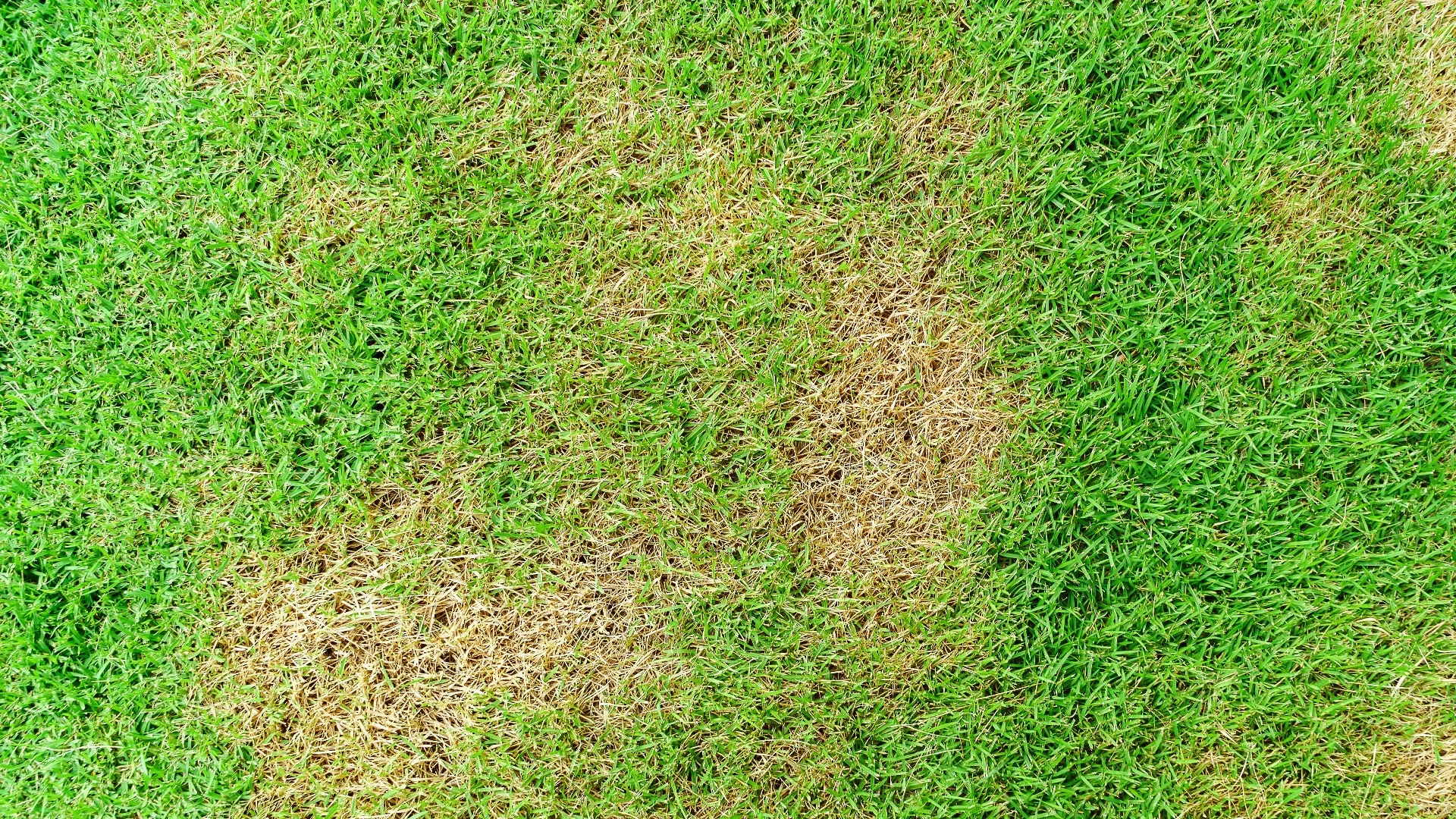
- Dull blue gray or brown color: Often shows up in patches or along sidewalks and driveways where the soil dries faster.
- Dry, hard soil: If you push a screwdriver into the ground and it is difficult, the soil is too dry.
- Thin or bare spots: Underwatered grass thins out and can die in the hottest parts of the yard.
Increase run times or frequency gradually. Aim for the lawn to get about one to one and a half inches of water per week in the growing season, including rain. Spread that over two or three sessions so the water soaks in instead of running off.
A quick check: water well, then a few hours later dig a small hole or use a soil probe. The top four to six inches should be moist. If it is bone dry or dripping wet, adjust your schedule and have a pro check for leaks or broken heads so every part of the lawn gets the water it needs.
Want a pro to review your irrigation and lawn? Call (970) 434-5440 or get a free quote for irrigation and lawn care in the Grand Junction area.