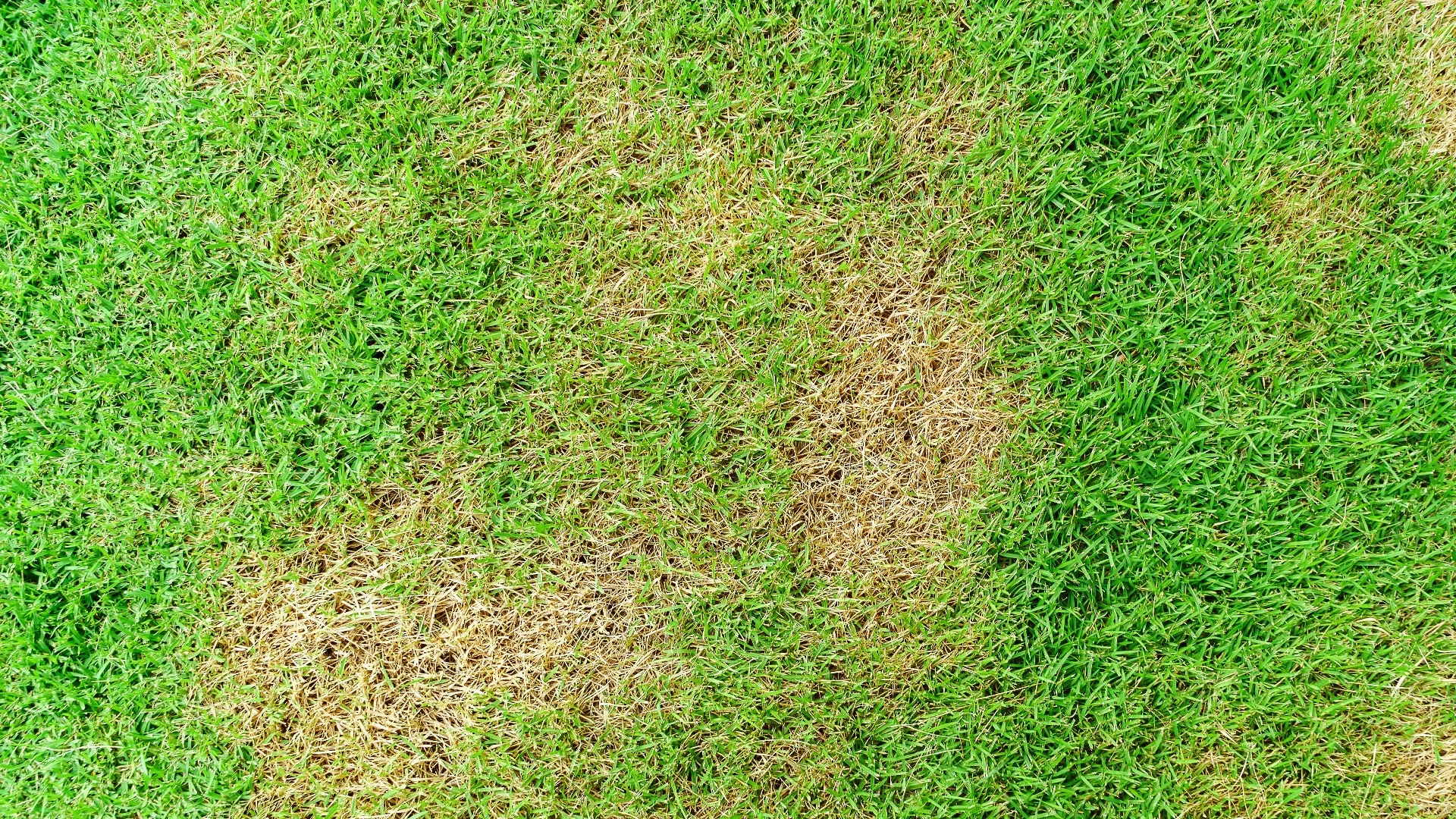
The wrong grass type in the Grand Valley will fight the climate every year and leave you with brown patches, extra watering, or constant repairs. The right one will stay greener longer, use less water, and handle our hot summers and cold winters without falling apart. Homeowners in Grand Junction, Fruita, and Palisade often ask which grass to plant or which sod to choose when they are starting a new lawn or fixing a tired one. The answer depends on how you use the yard, how much water you want to use, and whether you are laying sod or seeding.
Mesa Turf Masters works with property owners across the Grand Valley on lawn renovation, sod installation, and lawn care so the grass you choose actually thrives here.
What Makes Western Colorado Tough on Grass
Our area gets hot, dry summers and cold winters. The soil in much of the Grand Valley is alkaline and often compacted, so water and nutrients do not always move the way they do in other parts of the country. Grass that needs a lot of moisture or acidic soil will struggle. Grass that cannot handle freezing temperatures or heavy foot traffic will thin out or die. The best choices for Grand Junction, Fruita, and Palisade are grasses that tolerate drought, cold, and our soil conditions.
Cool Season Grasses That Work in the Grand Valley
Most lawns in Western Colorado are cool season grasses. They grow best when temperatures are mild in spring and fall and can go dormant or slow down in summer heat and winter cold. The ones that do well here share a few traits: they handle drought better than average, recover well from traffic, and can survive our winter freezes.
Kentucky bluegrass is common in the Grand Valley. It looks good and handles foot traffic well. It does need more water than some other options and can go brown in summer if it is stressed. Best for yards where you want a traditional look and are willing to water and mow regularly.
Tall fescue holds up to heat and drought better than many other cool season grasses. It stays green longer in summer with less water and recovers well from wear. A good choice for families and pets and for areas that get a lot of sun.
Perennial ryegrass is often mixed with bluegrass or fescue. It comes up quickly and fills in fast, but it usually needs to be mixed with other grasses for long term performance in our climate. On its own it can thin out in very hot or very cold years.
Fine fescues need less water and less fertilizer than bluegrass. They do well in shade and in poorer soil. They are not as tough under heavy traffic, so they work best in lower traffic parts of the yard or in mixes.
Choosing Between Sod and Seed
Sod gives you an instant lawn and blocks weeds from the start. It is the fastest way to get a full, green yard. You pay more upfront, but you get results right away and less hassle with birds, washout, or patchy germination. Sod installation is especially useful for small areas, steep slopes, or when you need the lawn to look good quickly. Mesa Turf Masters offers sod installation across the Grand Valley with follow up visits to help the new lawn establish.
Seed costs less per square foot but takes longer to fill in and needs careful watering and protection while it establishes. Overseeding is a great way to thicken an existing lawn or add a better grass type over time. For a full lawn renovation from bare dirt, seed can work if you are willing to water consistently and wait for the lawn to fill in.
What to Do If Your Lawn Is Already Struggling
If the grass you have is thin, weedy, or the wrong type for the spot, you have two main paths. Overseed with a better mix to add density and gradually shift the lawn toward more drought tolerant or shade tolerant grass. That works when the existing lawn is still partly usable. When the lawn is mostly dead, weedy, or the wrong type throughout, renovation makes more sense: kill or remove the old grass, improve the soil if needed, then install new sod or seed. A full lawn renovation gives you a chance to fix drainage, level the ground, and choose the right grass type for each part of the yard.
Match the Grass to the Spot
Sunny, high traffic areas usually do best with Kentucky bluegrass or tall fescue, or a mix of both. Shady or low traffic areas can use fine fescues or shade tolerant mixes. If you want to cut back on watering, lean toward tall fescue and fine fescues and avoid grass that demands a lot of moisture. Once the grass is in place, See also a steady lawn care program: fertilization, weed control, and aeration when needed so the lawn you chose can perform at its best.
Ready to pick the right grass or schedule sod or renovation? Call (970) 434-5440 or request a free quote for lawn care, sod installation, or lawn renovation in Grand Junction, Fruita, Palisade, and the rest of the Grand Valley.