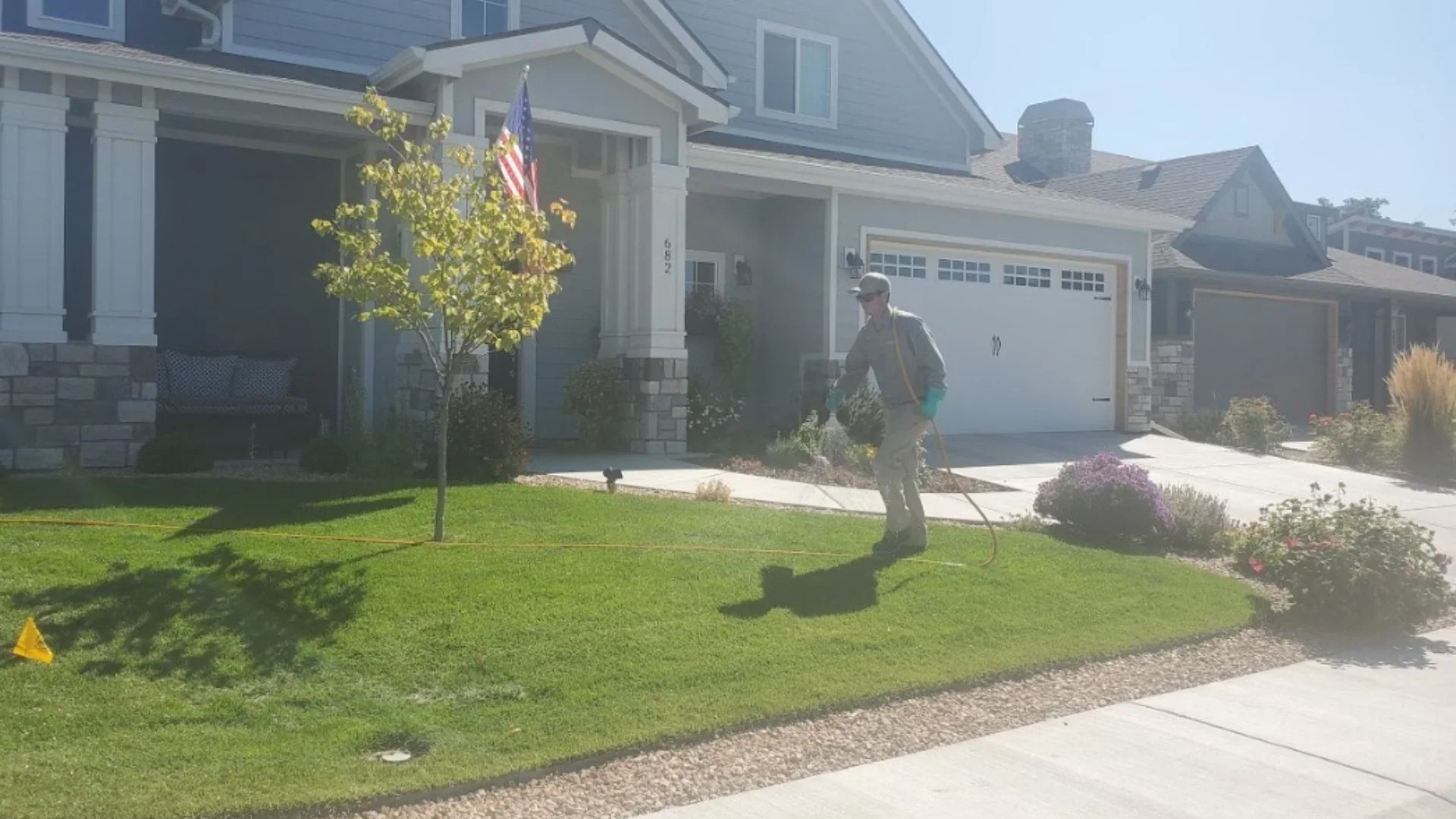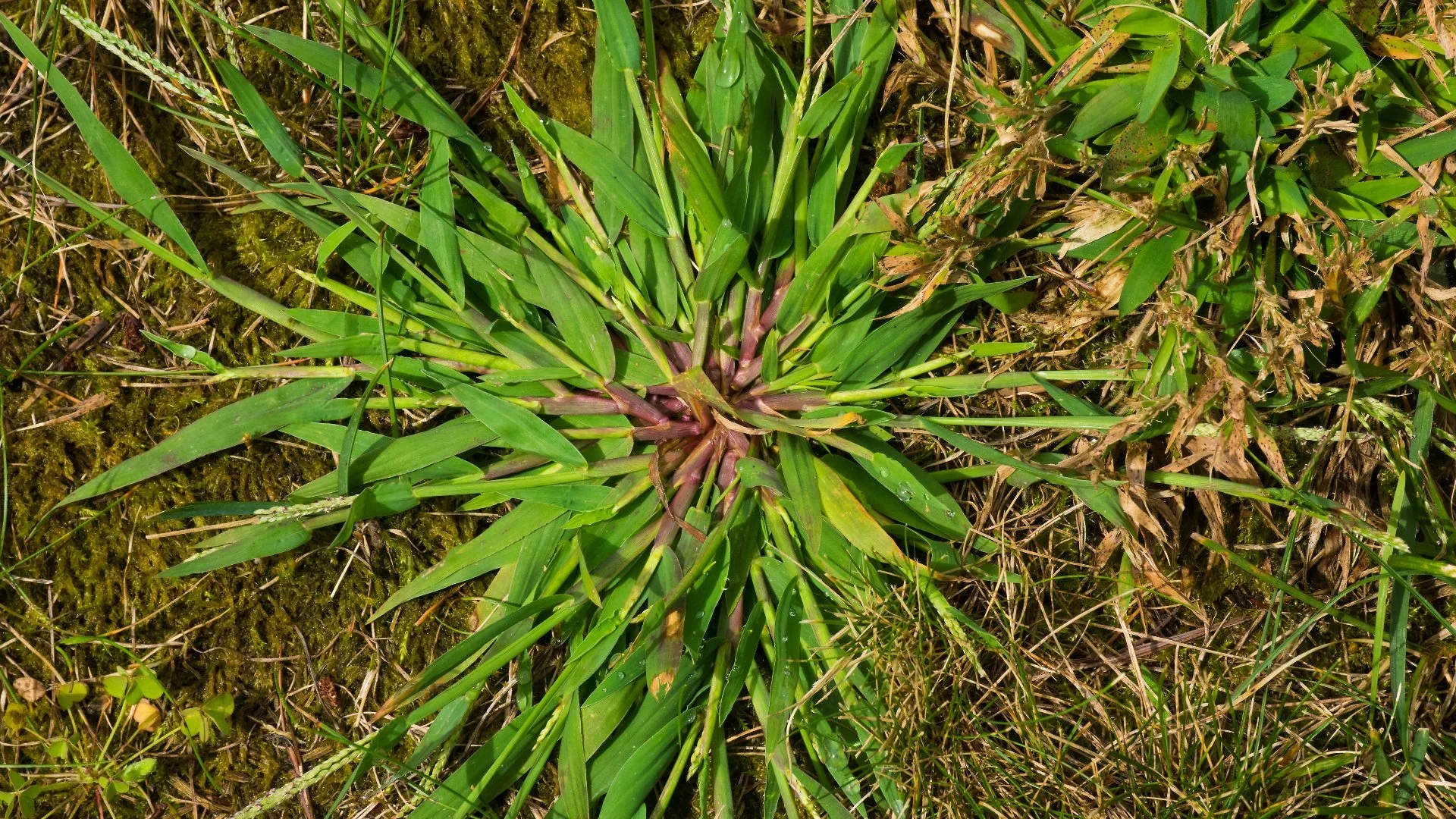
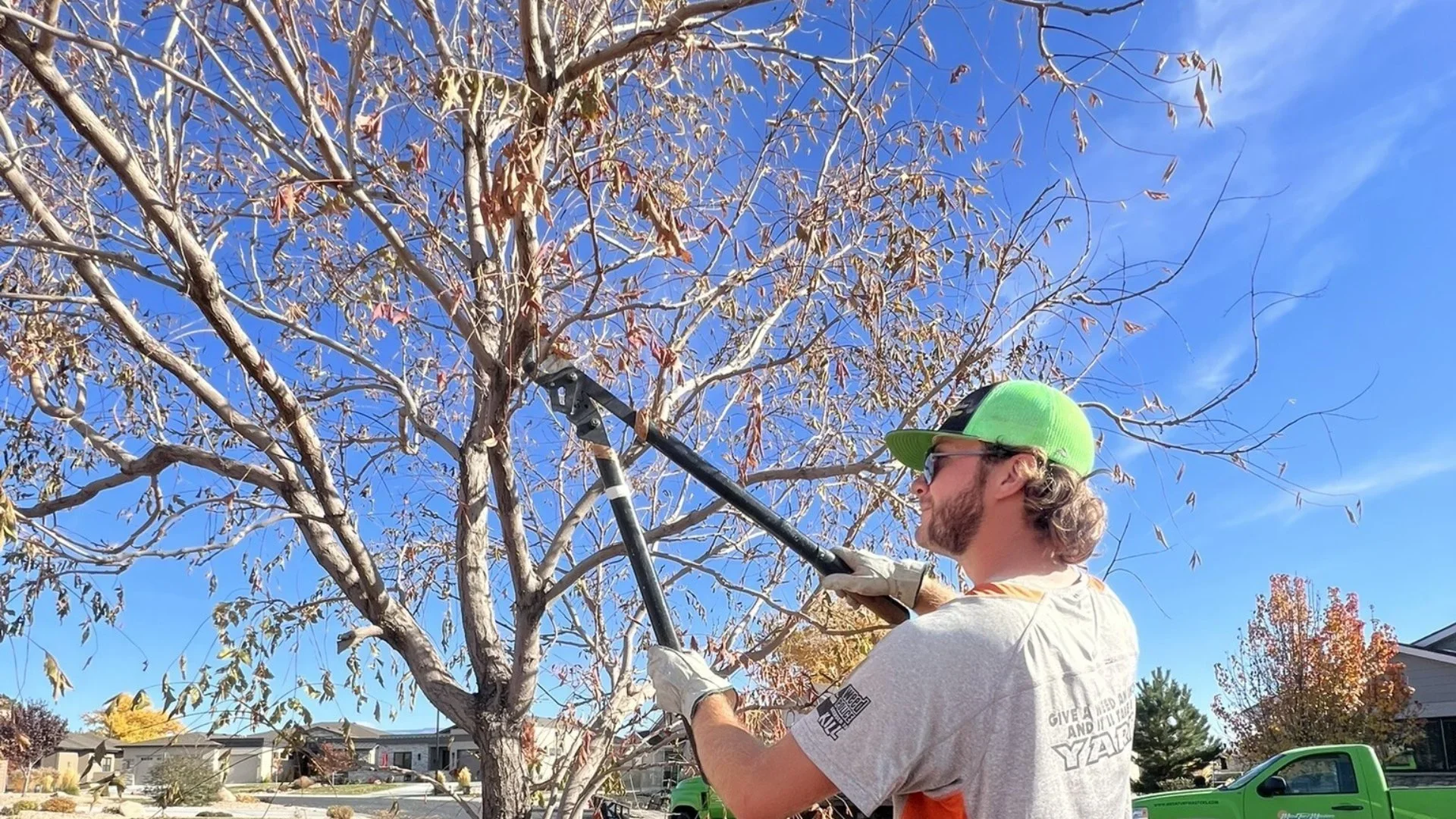
Winter and late dormant season are when many trees in Grand Junction and the Grand Valley show structure clearly—no leaves hiding crossing limbs, included bark, or deadwood near the roofline. Dormant pruning removes hazards and directs growth before spring sap rise and wind events that test weak attachments across the valley floor. Mesa Turf Masters provides winter pruning and tree and shrub care with Western Colorado species in mind since 1992.
Dormant pruning is timed tree work for safety and architecture—not indiscriminate cutting because the calendar says February.
## Why dormant timing matters here
Without leaves, arborists and skilled crews see branch collars, decay pockets, and load imbalances directly. Many species tolerate structural cuts in dormant windows better than mid-summer pruning that strips energy during heat stress. Frozen or firm ground can also protect turf and beds from equipment when access is tight.
Orchard and street trees in Palisade and Fruita face wind load differently than sheltered Redlands yards—structure goals should match exposure.
## Goals: safety, clearance, and health
Remove dead, diseased, and crossing branches that rub bark open to pests. Raise canopies for walkways and sight lines without topping—topping creates weak sprout clusters that fail in canyon winds. Thin dense crowns judiciously to reduce sail effect while keeping enough leaf area for health.
Dormant pruning pairs with plant trimming on shrubs that share sight lines and irrigation spray paths.
## Species-specific cautions
Maples, ash, fruit trees, and evergreens each carry different timing nuances and disease risk when pruned at the wrong week. Ash bark beetle treatment and pruning on stressed ash should be coordinated—not random cutting on trees already declining from drought or beetles.
Iron Deficiency and Yellow Leaves on Grand Valley Maples covers health issues pruning alone cannot fix.
## Lawn and landscape interaction
Dropped limbs and chip piles affect yard cleanup schedules and mower routes beneath trees. Pruning before irrigation startup reopens spray paths blocked by low branches. Mulch installation rings should stay off trunks after ground work completes.
Avoid heavy equipment on saturated lawn beneath trees; compaction undoing aeration work from prior seasons is common after unplanned storm cleanup.
## What homeowners should not DIY on large trees
Chainsaw work on ladders, cuts near utilities, and large removals over structures belong to insured crews with proper tools. Small ornamental shaping near the ground still demands clean cuts at the collar—not stubs that invite decay.
Winter tree watering during dry dormant spells supports trees before spring leaf-out, especially after structural pruning stress.
## Integrated tree programs
Tree and shrub fertilization and tree and shrub insect and disease control complement pruning when trees are recovering from prior injury. Document pruning date and species so future lawn care under canopy respects root competition and shade.
Mesa Turf Masters serves Grand Junction, Fruita, Palisade, and Western Colorado properties with dormant pruning tied to local wind and species reality. Call (970) 434-5440 or request a quote to schedule winter or dormant tree work. Use #quote with photos of problem limbs and tree species if known.
## Cleanup and chip management after pruning
Professional pruning leaves manageable chip volumes when planned; storm damage leaves chaos. Schedule yard cleanup so chips do not sit against trunks holding moisture against bark. Use chips as mulch away from the flare when species and pest pressure allow.
Ask whether winter pruning fits your species before assuming every tree on the lot gets the same February week—Grand Valley weather windows move year to year.
## Utility clearance and safety
Branches near service drops and rooflines need planned clearance before spring growth makes cuts harder and storms make failures expensive. Dormant pruning visits are a good time to flag conflicts that require utility coordination—not improvised weekend cuts from a ladder in wind common across the Grand Valley.
Evergreens and deciduous trees on the same lot rarely share identical timing; schedule species in sensible sequence rather than one day for everything.
## Young tree training
Structural pruning on young street and shade trees sets form for decades. A few well-placed cuts in dormant season beats corrective storm pruning after a Grand Valley wind event snaps poorly attached limbs over roofs and driveways.
## Follow-up after storms
Even well-pruned trees can fail when extreme wind hits the Grand Valley. Schedule plant trimming and hazard assessment after major storms rather than assuming dormant work eliminated all future risk.
## Teach family what not to cut
Kids and helpers sometimes trim low branches for views without understanding collar cuts. Mark keeper limbs after professional winter pruning so casual cuts do not undo structural work on young trees.