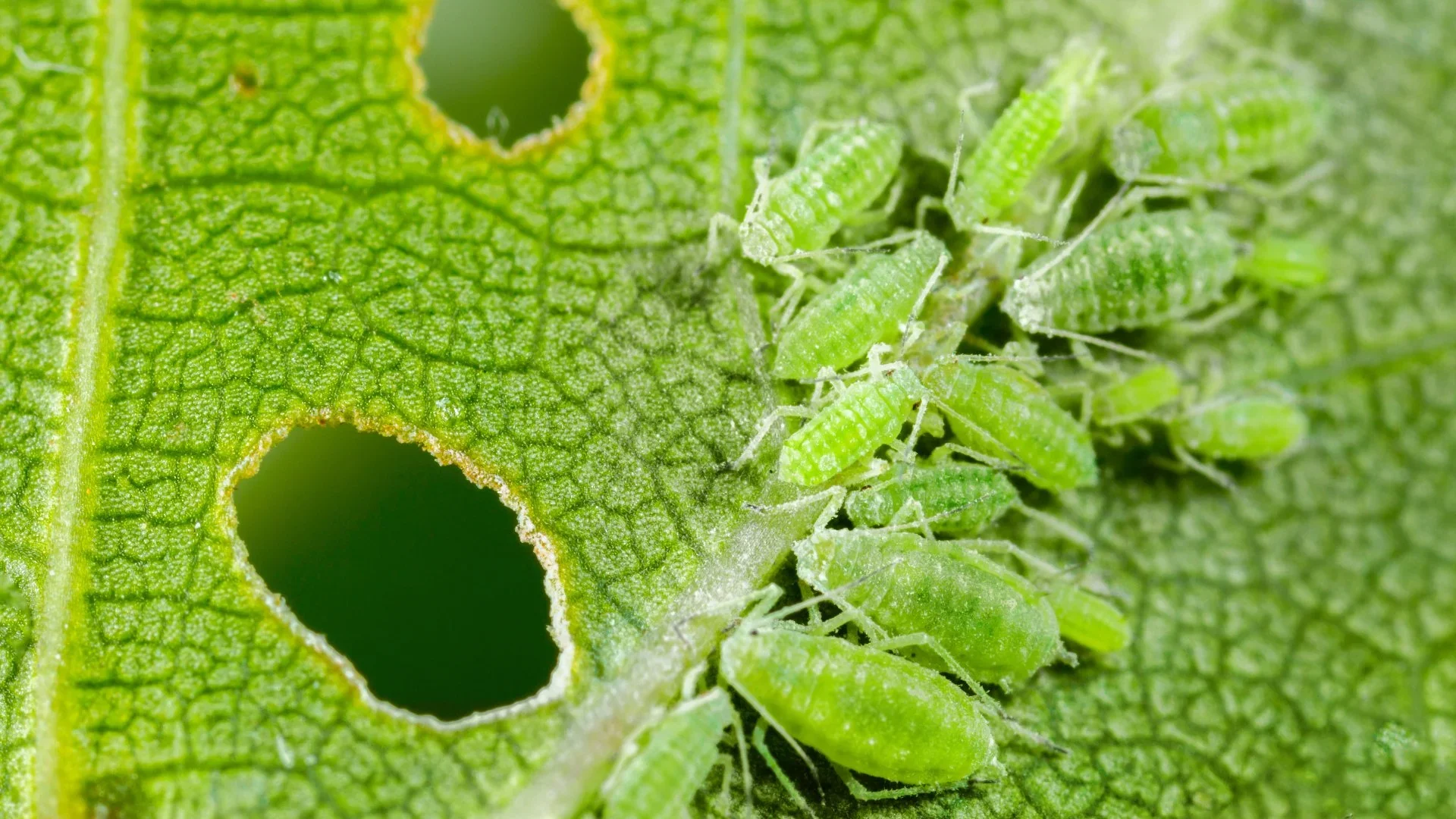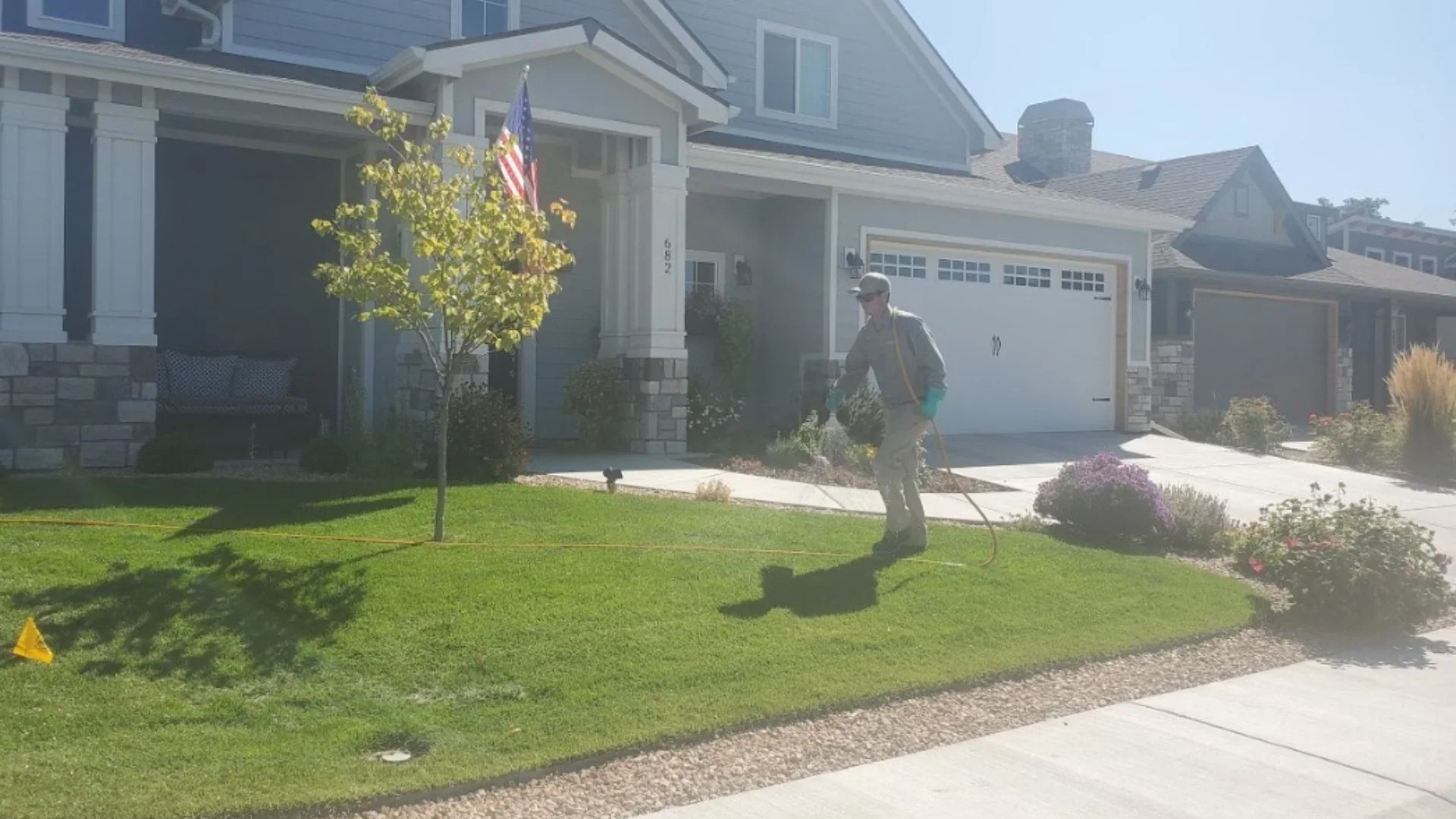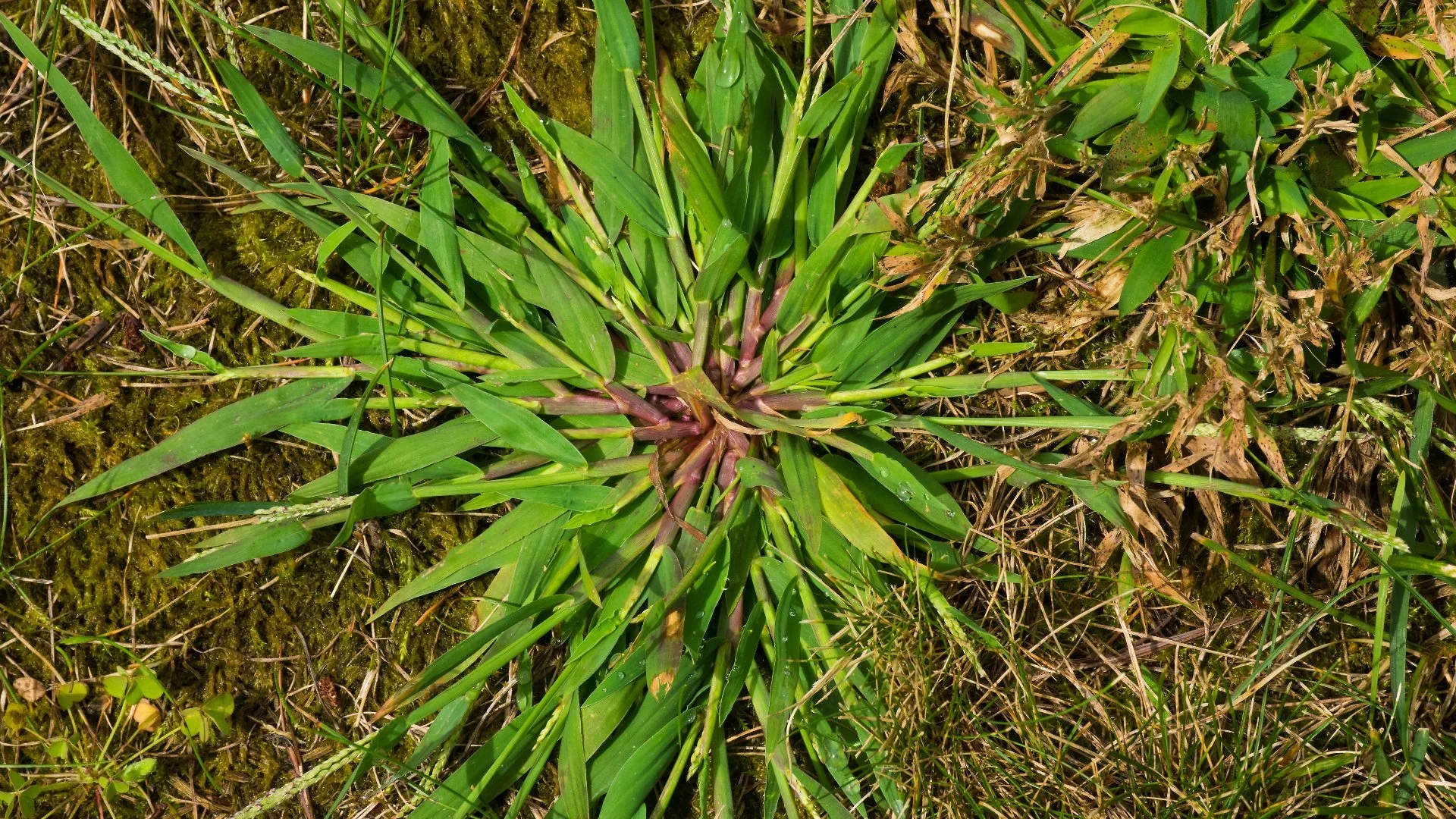
White grubs are the larval stage of several beetles that feed on grass roots beneath the surface. In Grand Junction and across the Grand Valley, damage often appears during warm months when turf wilts despite watering, pulls up like carpet, or shows dead patches on south-facing berms first. Homeowners sometimes treat every brown spot as drought when grubs have already cut anchor roots. Mesa Turf Masters provides grub control and lawn insect control with Western Colorado timing since 1992.
Identifying grubs correctly before treatment saves money and protects soil health when populations do not justify application.
## Signs of grub damage
Watch for wilting that does not respond to irrigation, spongy turf underfoot, and dead patches that expand on warmed slopes. Raccoons and skunks digging at night often indicate grubs below. When you tug dead grass, it may peel away with shallow roots intact because larvae severed the connection at the crown.
Damage on Fruita and Palisade berms frequently follows sun and grade before flat backyard areas show injury.
## Life cycle basics for timing
Beetles emerge, mate, and lay eggs in summer. Larvae hatch and feed as soil warms through late summer and fall. Some species continue feeding into the next spring before pupating. Treatment timing targets active feeding stages with labeled materials—not every calendar week retail packaging suggests.
Compare Grubs and Lawn Insects Homeowners Should Watch For for mid-season scouting on uneven slopes. Late May Lawn Insects to Watch in the Grand Valley covers overlap with billbug injury that mimics grub patterns.
## Sampling and thresholds
Professional assessment combines field signs with sampling where appropriate. Finding an occasional grub in healthy turf may not warrant treatment. Higher counts on stressed grass with expanding dead areas often justify grub control integrated with cultural recovery.
Fix irrigation repairs on the same berm when dry soil stacked with feeding—weak grass attracts more damage.
## Treatment options that work here
Retail granules applied off-cycle or without watering-in per label often disappoint. Our programs use labeled products at timing matched to species and soil temperature in the Grand Valley. Pair treatment with appropriate lawn fertilization when turf can recover—not when heat stress already browns the yard.
Billbugs require billbug control instead of grub products when larvae are not the culprit.
## Recovery after grubs
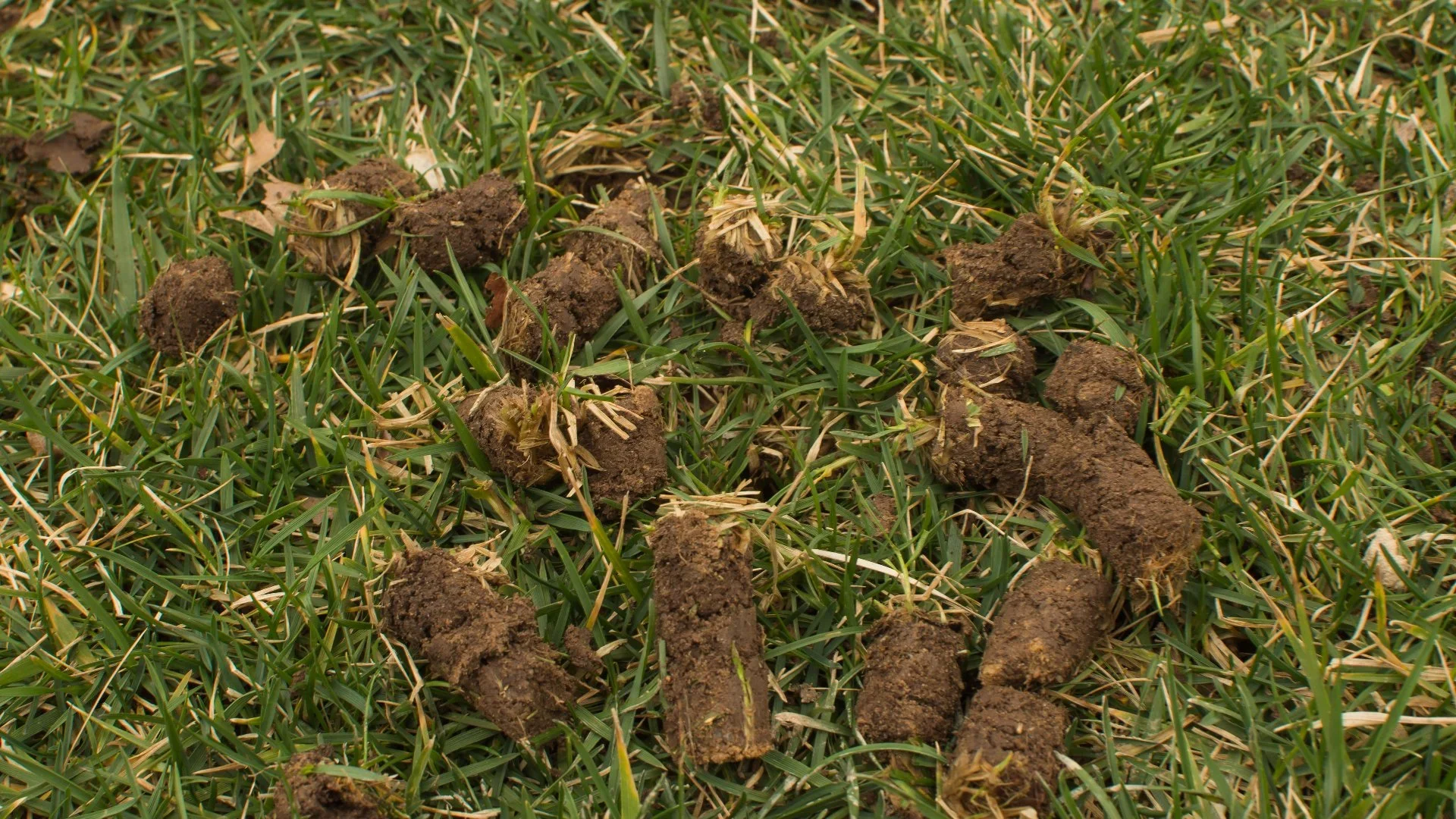
Thin turf may need aeration and overseeding in fall once heat passes. Severe loss on primary lawn areas may require lawn renovation or sod installation when crowns are gone. Lawn revive can help color on salvageable stands with roots remaining.
Keep pets and family off treated areas per label until dry when applications occur.
## Prevention through healthy turf
Steady lawn maintenance, appropriate mowing height, and honest irrigation reduce grub impact when populations are moderate. Mower Height and Irrigation Overlap in May supports root health that tolerates minor feeding.
Document slope direction and last dead patch expansion weekly so fall recovery plans start with evidence.
Mesa Turf Masters serves Grand Junction, Fruita, Palisade, and the Grand Valley with grub identification and treatment grounded in local conditions. Call (970) 434-5440 or request a quote when turf lifts or wilts without a clear water story. Use #quote with photos and notes about when damage began.
## Myths that waste time and money
Not every brown patch in August is grubs. Not every grub requires treatment. Not every treatment window matches the bag you bought in May. Grand Valley homeowners get better outcomes when they match species, timing, and irrigation before applying insecticide across the entire lawn because one raccoon dug a hole.
Mesa Turf Masters integrates grub control with the rest of your lawn care plan so you are not fighting insects on turf that is already drowning in a low spot from bad drainage.
## Seasonal follow-through
Grub programs work best as part of year-round lawn care rather than a panic application after half the backyard is gone. Follow-up visits confirm whether populations dropped and whether recovery plans like overseeding belong on the calendar for fall.
## Moles versus grubs
Mole activity suggests grubs may be present but treating moles alone does not always solve grub populations or lawn recovery. Focus on confirmed larval injury and turf recovery plans rather than chasing every tunnel in the Grand Valley.
## Keep irrigation honest through recovery
Turf recovering from grub injury needs steady moisture without drowning low spots. Verify irrigation repairs on affected berms before you judge whether treatment worked.
## Note beetle flights in summer
Seeing beetles around porch lights in July does not by itself tell you larvae counts in your lawn today. Match treatment decisions to turf injury and sampling, not to every beetle that lands on the patio in Grand Junction.