You planned the trip for months. You left the timer on a neighbor friendly setting and hoped the Grand Valley would behave while you were gone. Now you are back in Grand Junction or Fruita with suitcases by the door and a lawn that looks different from the photo you took before you left. Some of that change is normal dry heat stress. Some of it is a sprinkler zone that drifted, misted into the street, or missed a dry edge while traffic was light. Mesa Turf Masters has cared for Western Colorado lawns since 1992, and we see this handoff every year when families return from road trips and river weekends during a dry summer.
Before you crank the controller or spread fertilizer across the whole yard, spend one calm evening walking the lawn the way a crew would. That short inspection saves money, saves water, and prevents the common mistake of fixing the wrong problem twice.
## Start with irrigation before you blame the grass
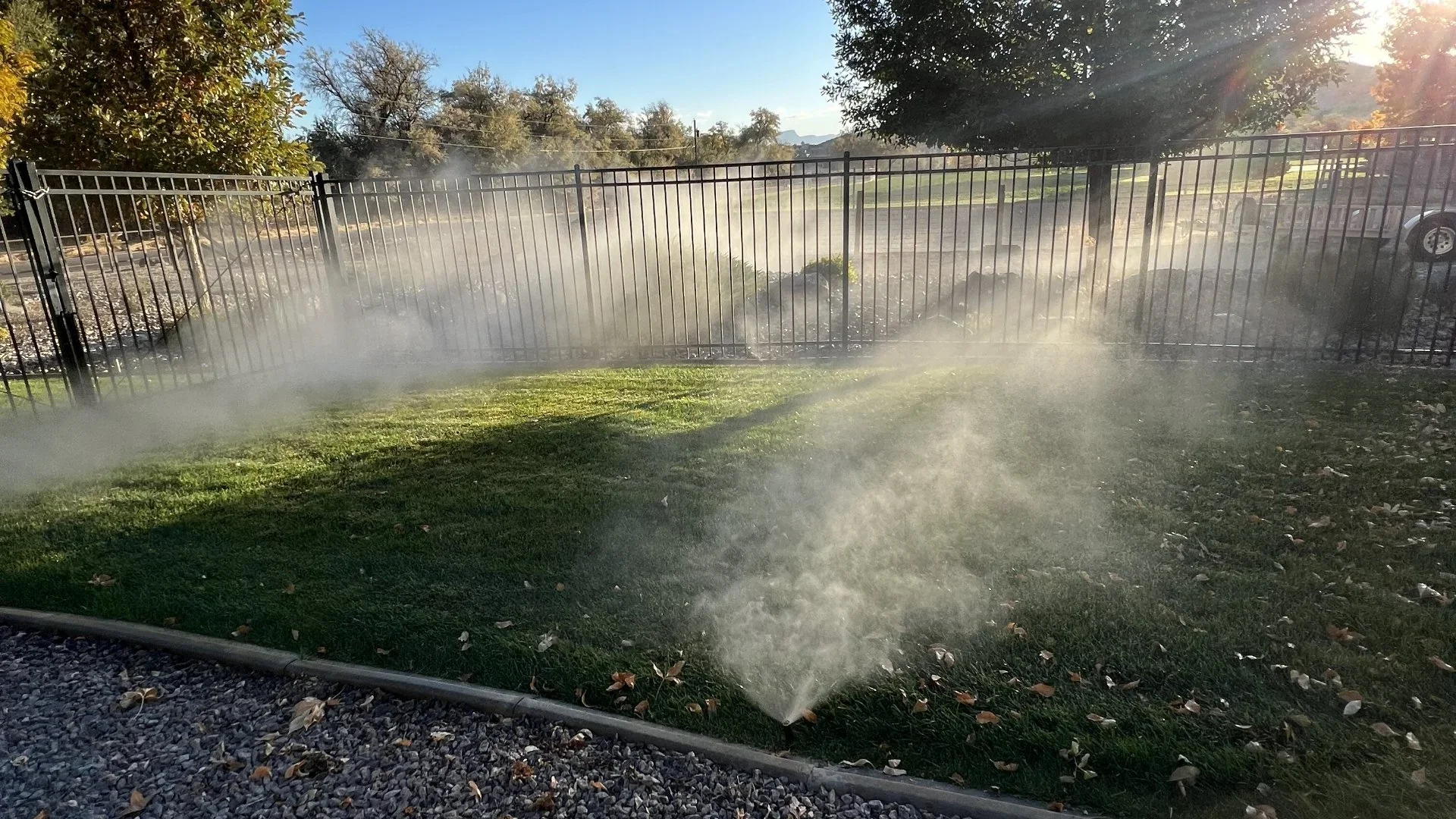
Vacation weeks in June and July often land during the hottest, driest stretch of the Grand Valley calendar. Even a good program can look wrong if a head clogged, a dog chewed a riser, or wind shifted spray on the west berm. Turn each zone on and watch from the sidewalk and from the middle of the yard. Note dry wedges, runoff on slopes, mist that evaporates before it reaches the far corner, and spray that soaks pavement while crowns stay thirsty.
If something failed while you were away, schedule irrigation repairs before you schedule anything else. A brown arc along the driveway is often a coverage issue, not a disease. Homeowners in Palisade and Orchard Mesa often discover that one zone was running while another was off after a power blip. Reset the controller only after you know each head throws where it should. Adding minutes everywhere before you fix aim burns water you cannot spare this dry summer.
For warm season turf that greened fast in May, evening cycles may need adjustment now that you are home and using the yard again. Read Sprinkler Timer Habits for Peak Heat in the Grand Valley if your timer still reflects early June habits that waste spray on hardscape.
## Read color and texture before you mow short
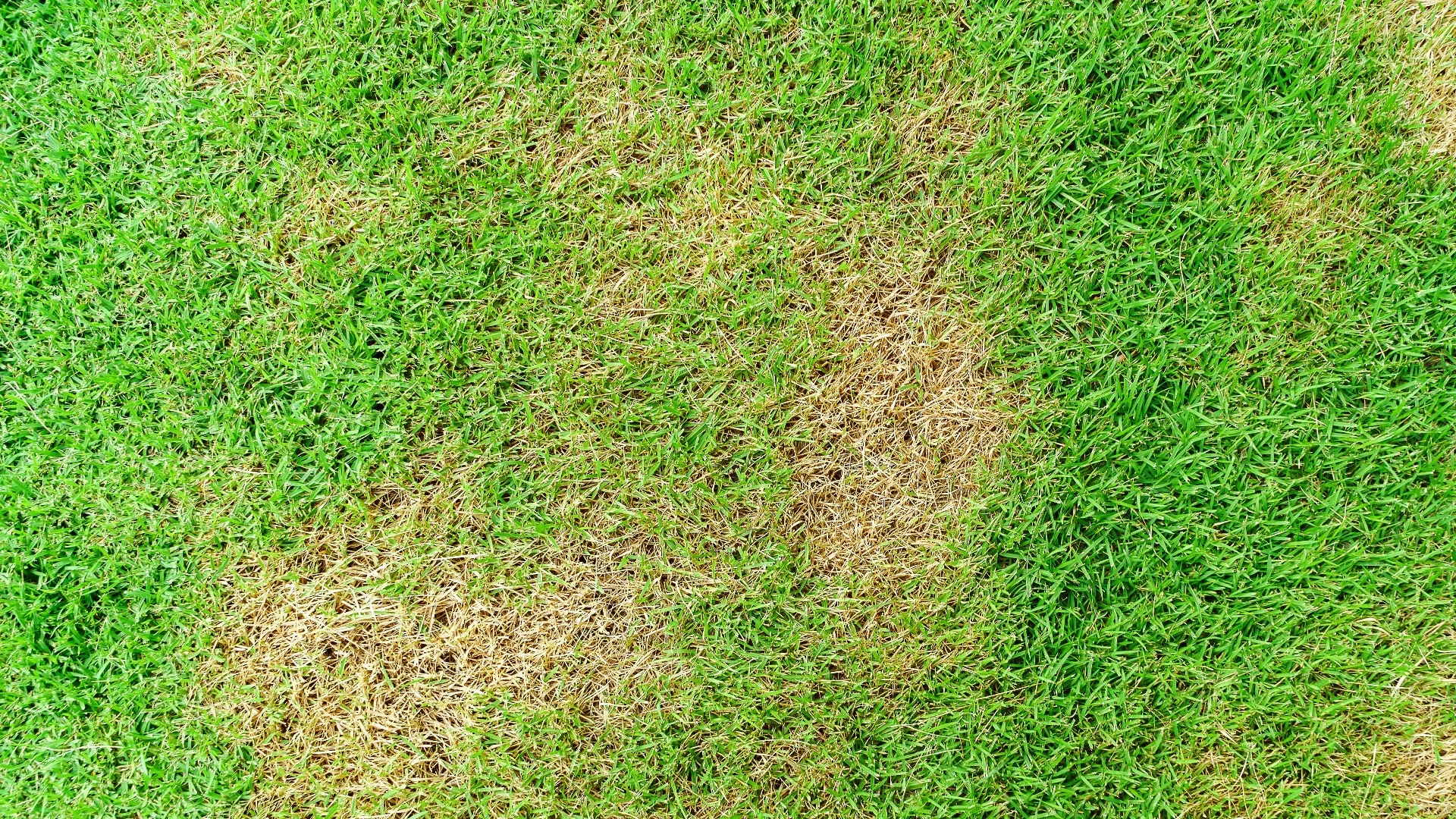
Travel lawns often show three issues at once: drought stress on elevated berms, darker green in low spots that held moisture or overspray, and pale strips where the mower deck was left high before you left. Match your first cut to what the grass is doing now, not what you planned in April. Scalping a stressed lawn to make it look tidy removes leaf area the plant needs during recovery when it is this dry.
Steady lawn maintenance helps, but the first weekend home is not the time to erase two weeks of growth in one pass. Raise the deck if crowns look silver in afternoon sun. If you overseeded this spring, follow when to mow after overseeding so your new grass stays put before you chase an even stripe pattern.
## Check for insects and disease on the areas that changed fastest
Tan patches that appeared while you were gone deserve a closer look than foot worn paths near the patio. Pull gently on a handful of grass at the edge of a dead patch. If it lifts with no resistance, billbugs or grubs may have been active while the lawn was undisturbed. If blades show spots or rings, irrigation overlap on mixed turf can mimic fungus even in a dry summer when shade spots stay wet from evening spray. Our lawn insect control and lawn disease control teams treat what lab and field signs support, not every brown corner after vacation.
Western Colorado slopes warm unevenly. A south facing berm in Clifton can show grub injury while the flat backyard still looks fine. Compare Grubs and Lawn Insects Homeowners Should Watch For if your damage map follows sun and grade rather than random spots. Drought stressed turf invites insects on the same berms that already look thirsty.
## Beds, trees, and the rest of the property
Vacation handoff is not only turf. Planters dry out faster than lawn in high desert heat. Young trees may have missed deep soak cycles if drip was tied to the same clock as spray zones. Fresh mulch installation and yard cleanup can wait until irrigation is verified, but note cracked soil in beds now so you do not lose shrubs while fixing grass.
If you have maples or ash showing early yellow leaves, tree stress from dry soil is common after travel. Tree and shrub care visits can run on a different schedule than lawn fertilization, which is useful when you want nutrition on turf only after irrigation is verified and water is landing on crowns instead of concrete.
## A simple return home sequence that works
Day one: run and watch every irrigation zone. Photograph dry spots and wasted spray at the same hour two days in a row. Day two: mow at a conservative height and edge only where needed. Day three: if color still does not match your notes, call for help before you buy retail products that fight the wrong issue or add minutes that flood shade while sun fries the berm.
List when you left, what the timer was set to, and whether anyone walked the lawn while you were gone. That history helps us read patterns quickly. Mesa Turf Masters serves Grand Junction, Fruita, Palisade, and communities across the Grand Valley with the same practical sequencing we publish here.
When you want a crew to walk the yard with you after travel, call (970) 434-5440 or request a quote through our site. You can also start from the quick form at #quote and tell us your return date and what changed while you were away.