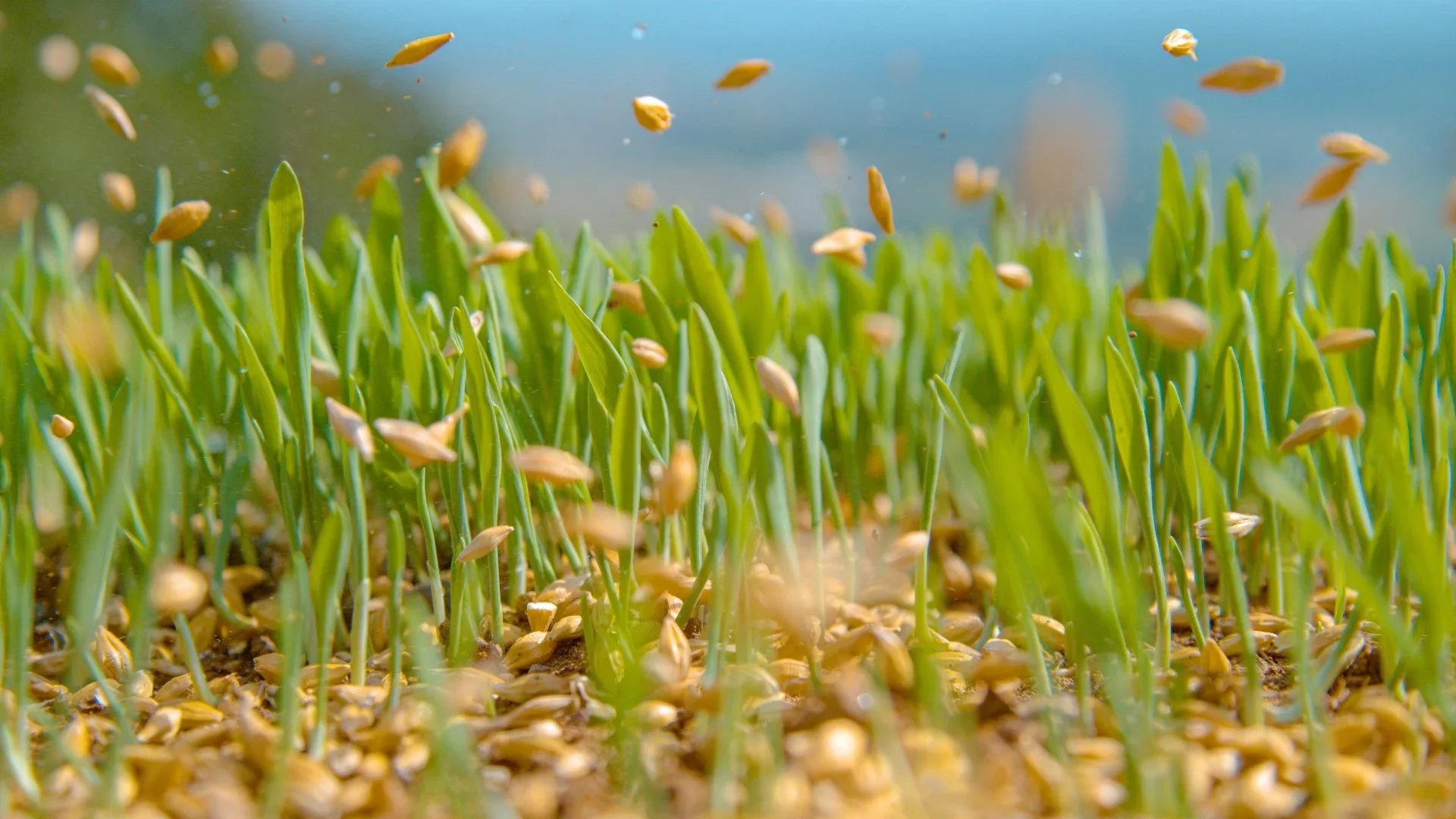

A calm morning in Fruita can turn into an afternoon when dust scoots across the patio and tree limbs toss. For lawns, that wind is more than a nuisance. It pulls moisture off the soil surface, moves light mulch or straw, and can relocate grass seed you just spread. Anyone who has overseeded before a windy week knows the patchy result.
Mesa Turf Masters works with homeowners from Montrose to Fruitvale on overseeding, lawn care, and irrigation startup so new grass gets a fair chance no matter what the spring weather does.
What Wind Does to a Lawn in Western Colorado
Our climate is dry and bright. Wind adds another layer of stress: faster drying, more dust on leaves, and sometimes abrasion on tender new blades along exposed edges. Along open lots in Redlands or near fields in Loma, the effect is stronger than in a sheltered backyard in Clifton.
New seed is the most vulnerable. Light seed can blow into beds, gutters, or a neighbor rock strip. Even when seed stays put, the soil surface may crust or dry so fast that germination drops. Older lawns also suffer when topsoil drifts off crowns during long dry blows, which is why bare spots sometimes appear along fence lines where wind tunnels.
Time Heavy Yard Work With the Forecast
You cannot control the wind, but you can choose your days. When you plan to overseed or topdress thin areas, look for a stretch with lighter wind and mild temperatures. If you must work on a breezier day, break the job into smaller sections: prepare soil, spread seed, roll or lightly pack, then water that section before moving on.
- Water right after seeding so seed presses into soil and gains weight.
- If your installer uses a tack straw or similar cover, keep it in place with light netting only where recommended so you do not smother grass.
- Avoid tall mowing right before a dust event; slightly longer grass shields soil and young blades.
- Watch the local forecast for red flag days and skip spreading fertilizer or seed when embers or dust storms are a real risk near dry grass.
These habits pair well with the moisture tips in our article on signs your lawn is overwatered or underwatered so you are not guessing how much to run the sprinklers after a dry, windy week.
Protect Soil and Seed Without Fancy Gear
Simple steps go a long way. Drop the mower height gradually rather than scalping before overseeding; living grass anchors soil. After seeding, run short, frequent irrigation cycles that wet the top inch without flooding, because shallow frequent water resists wind drying better than one long soak that leaves the surface bare for hours.
If you have foundation plantings or a fence row, they already act as a wind break for part of the lawn. For open areas, consider whether a few well placed shrubs or a low garden bed on the windy side makes sense as part of a larger plantings and softscapes plan. You do not need a wall; even partial shade and slower air help. Native shrubs that fit our water rules can trim the breeze without turning into a giant hedge overnight.
Wind, Dust, and Older Lawns
Established turf can still look dull after dusty weeks because grit on leaves blocks some sunlight. A rinse with irrigation or a gentle rain helps. Avoid aggressive raking while grass is stressed; wait until it is actively growing. If thin spots appear after a rough spring, plan overseeding with aeration when timing fits your program, similar to what we describe for when to mow after overseeding.
Keep Irrigation Honest
Wind also steals spray from rotor heads. You may think a zone ran long enough while much of the water blew onto the driveway. Spring is the right season for an irrigation startup visit so heads are straight, pressure is right, and spray matches each corner of the lawn. Fixing that now prevents the mix of dry spots and soggy edges that show up after the first hot month.
If you are unsure whether wind or a system fault is causing dry patches, walk each zone while it runs once in calm air and once on a typical breezy afternoon. The difference in where water lands can be surprising.
Practical Summary for the Grand Valley
- Treat wind as part of spring lawn planning, not a surprise.
- Seed and water in smaller batches on calmer days when you can.
- Favor slightly taller mowing and steady moisture for new grass.
- Use shelter from beds, fences, and plantings where it makes sense.
- Check sprinklers so wind does not empty your water budget onto pavement.
For hands on help with overseeding, irrigation, or a full lawn care program in Grand Junction, Palisade, and surrounding towns, call (970) 434-5440 or request a free quote. You can also read our spring yard checklist for Grand Junction homeowners to align wind smart seeding with the rest of your seasonal tasks.