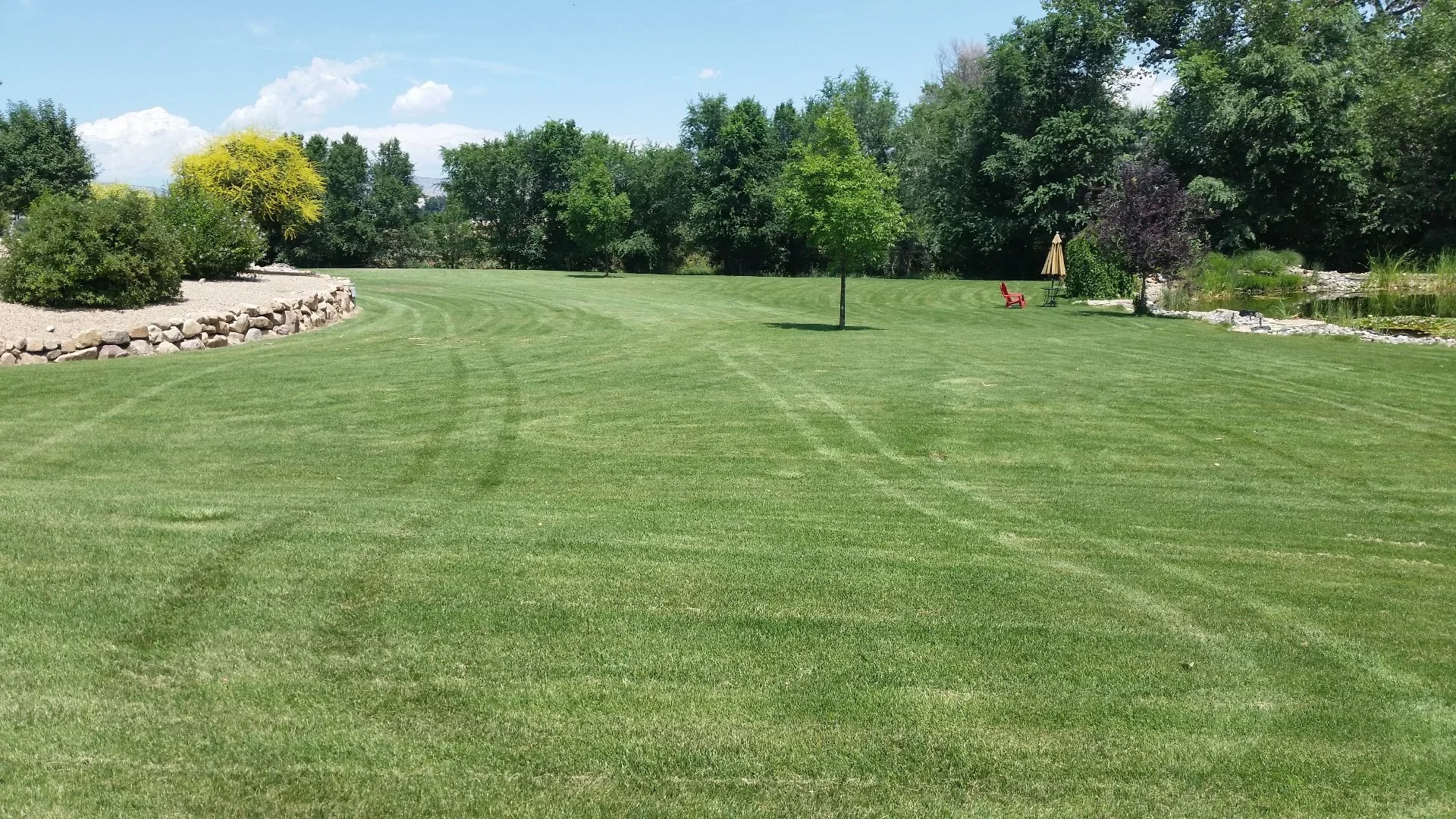
A patchy lawn is a lawn with thin grass, bare spots, uneven color, or rough sections that never seem to fill in. If your patchy lawn in Grand Junction looks fine in one area and tired, brown, or sparse in another, the grass usually is not the real problem. It is reacting to heat, dry air, hard soil, or watering issues that show up fast in this climate.
## Why your lawn looks patchy in grand junction
Patchiness is usually a symptom, not a random failure. Grass tends to thin out where roots stay shallow, water misses the target, or the site is simply too stressful for healthy growth. In Grand Junction, that stress stacks up quickly because hot sun, low humidity, clay-heavy soil, and uneven irrigation all push grass in the same bad direction.
That is why a lawn can look decent in April and rough by a Grand Junction July, especially near the driveway, along sidewalks, or in a corner that gets hammered every afternoon. The lawn is telling you where conditions are off.
## The most common reasons a lawn turns patchy
Most patchy lawns come down to a handful of repeat problems. Watering is usually at the top of the list, but soil, sun exposure, wear, pests, and weeds all play a part. The trick is noticing which one matches the pattern in your yard instead of guessing and tossing down seed.
### Watering problems are the biggest culprit
If one section stays green and another fades, watering is the first thing to check. Shallow watering trains roots to stay near the surface, where they dry out fast. Inconsistent watering makes things worse, because stressed grass never gets a stable chance to recover.
Broken or clogged sprinkler heads can leave strips of lawn dry without making it obvious from a distance. Runoff is another common issue, especially on compacted ground where water slides across the surface instead of soaking in. In Grand Junction heat, dry bands near concrete often show up first because sidewalks and driveways throw extra heat right back onto the grass.
### Poor soil makes it hard for grass to take root
Soil can quietly sabotage the whole lawn. Compaction means the soil is pressed so tightly that air, water, and roots struggle to move through it. Grass in compacted ground often looks thin because roots never get deep enough to handle heat or missed irrigation.
Clay-heavy and rocky areas add another layer of trouble. Some spots hold water too long, while others dry out almost immediately. Low organic matter, meaning not much broken-down plant material in the soil, can also leave grass hungry and weak.
### Too much shade or too much heat
Grass in shade usually gets thin because it cannot produce enough energy. Under trees, beside fences, or along the north side of a structure, the lawn may stay sparse even if you water correctly.
But the opposite problem is just as common. Areas that bake all afternoon can burn out from heat stress, especially on west-facing exposures. One side of the yard may be struggling because it gets too little sun, while another is struggling because it gets too much. Same patchy look, totally different cause.
### Foot traffic, pets, and everyday wear
Lawns tell on your habits. The path from the patio to the gate, the corner where kids cut across, or the dog run along the fence often turns thin first. Repeated pressure presses the soil down and wears blades faster than the lawn can replace them.
Pet spots add a different kind of damage. Urine can leave round burn marks with a brown center and a darker green ring around the outside. It is a pretty recognizable pattern once you have seen it.
### Insects, disease, and weeds can open bare spots
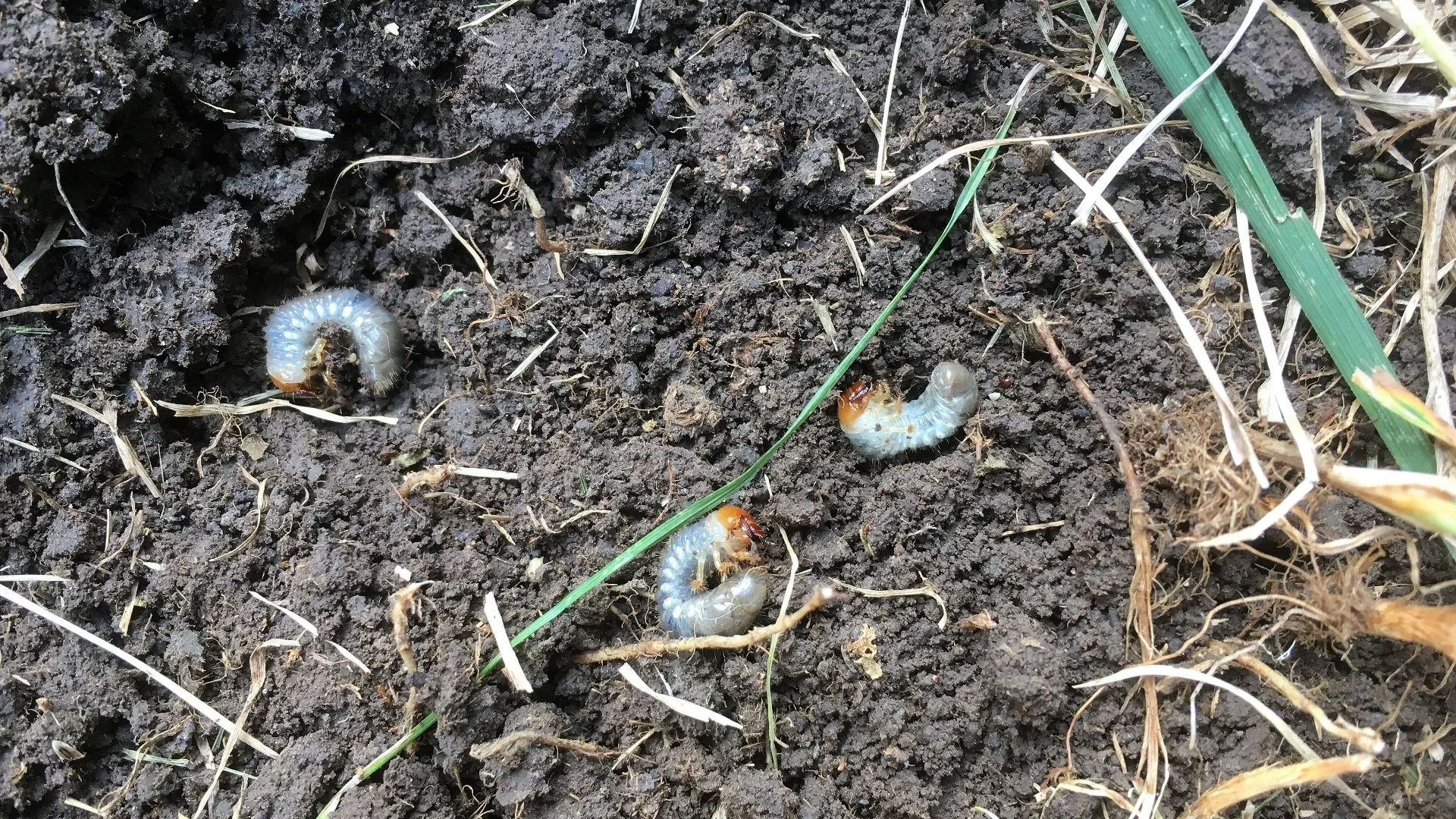
Grass rarely just dies for no reason. Grubs can feed on roots below the surface. Surface-feeding insects can chew blades and weaken turf from above. Fungal issues may show up as discolored circles or spreading patches, especially when moisture and heat combine the wrong way.
Weeds also take advantage of stressed turf. Once grass gets thin, weeds move in, and then the lawn has even more competition for light, water, and nutrients.
## How to tell what kind of patchy lawn problem you have
Before fixing anything, slow down and read the clues. A lawn is a little like a car dashboard. The warning light matters, but the real job is figuring out what triggered it.
### Thin grass vs. bare soil vs. dead grass
Thin grass is still alive, just weak. You still have blades covering the ground, but the lawn looks sparse, uneven, or faded. Bare soil means grass is mostly gone, and you are looking at exposed dirt.
Dead grass is different again. You may see brown patches with dry thatch, meaning the layer of dead stems and roots sitting on top of the soil. Thin grass can often recover with better care. Bare and dead areas usually need repair work.
### What the pattern usually means
Patterns matter. Circular spots often point to pet damage or disease. Long strips usually suggest irrigation coverage problems. Edges near pavement often mean heat stress.
Random thinning across a larger area can point to soil trouble, mowing stress, or general drought stress. If you notice one dry band running parallel to the driveway in a hot July week, that is often a clue that heat reflection or missed sprinkler coverage is part of the problem.
### A quick DIY lawn check
Run the sprinklers and actually watch where the water lands. That sounds almost too simple, but it catches a surprising number of problems. Look for dry gaps, blocked spray, mist blowing off target, or heads that are tilted into the flower bed.
Then dig a small section a few inches deep in a bad spot and a good spot. Check whether the soil is moist or dusty, whether roots are short or healthy, and whether the ground feels hard like packed clay. Tug lightly on the grass. If it lifts easily, root damage from grubs or severe stress may be involved.
## Grand junction conditions that make patchy lawns more common
Some lawn advice sounds great on paper and falls apart here. A yard that would stay thick in a milder, wetter climate can struggle in Grand Junction even when you are trying to do everything right.
### Dry climate and intense sun
Low humidity dries turf out faster than many people expect. A lawn can look fine in the morning and stressed by late afternoon because moisture disappears quickly in heat and sun. It is like a sponge left on the counter, wet at first, then dry before you know it.
That fast drying puts extra pressure on roots. If the lawn is already shallow-rooted, stress shows up quickly as thin blades, pale color, or crispy patches.
### Challenging soil and drainage
Many yards have a mix of clay, rocky fill soil, and hardpan, which is a dense layer below the surface that blocks drainage and roots. Water may pool in one section while running off another a few feet away.
That is what makes some patchy lawns so frustrating. One area is thin because it stays too dry. Another is thin because it stays too wet. Same yard, opposite reasons.
### Irrigation systems that need seasonal adjustments
Sprinkler settings that work in spring often fall short in summer. As temperatures climb, watering schedules and run times usually need adjusting. If not, weak spots begin to show.
Clogged heads, mismatched nozzles, and heads that have tilted over time can quietly create patchiness. You may not notice until one section starts fading while the rest still looks passable.
## How to fix a patchy lawn the right way
The fix starts below the surface. Seed alone is not a cure if the real issue is bad coverage, compacted soil, too much shade, or insect damage.
### Start by correcting the cause
If the cause stays, the patch comes back. That is the rule.
Fix sprinkler coverage before reseeding dry strips. Loosen compacted soil before repairing worn paths. Address pet traffic, heavy shade, or pest problems before expecting new grass to survive. Grass cannot outgrow a bad setup.
### Prep the area before you reseed
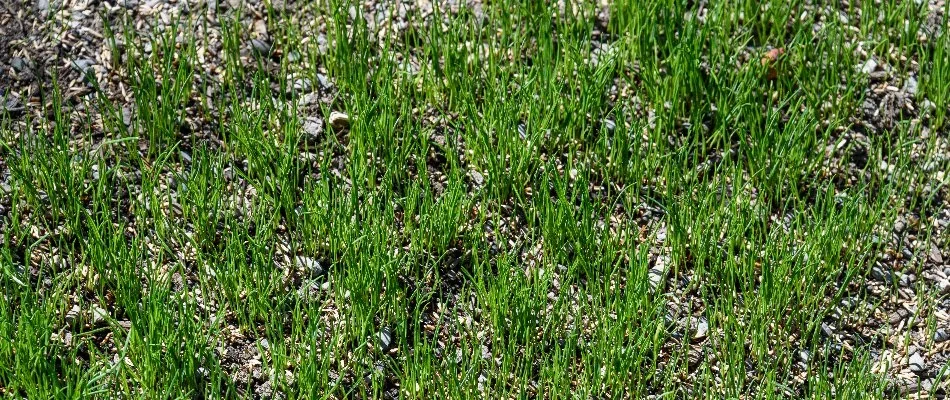
Start by raking out dead material so seed can actually reach the soil. Loosen the top layer of ground so roots can move in instead of hitting a hard crust. If the soil is poor, add a light layer of compost or topdressing, which simply means a thin layer of soil or compost spread over the surface.
That prep step matters more than most people think. Tossing seed onto hard, dead ground is a little like trying to grow tomatoes on a driveway.
### Choose the right repair method: seed, sod, or plugs
Seed works well for larger thin areas, especially when cost matters and you can wait for fill-in. Sod gives faster results and makes sense when you want an area to look normal sooner or when erosion is a concern.
Plugs, which are small pieces of living turf planted into the patch, can work for certain grass types and smaller repairs. For high-traffic spots, sod often handles wear sooner. For broad patchy areas, seed is usually the more practical choice.
### Water and protect new growth
New seed needs steady moisture, but not puddles or washouts. Keep the surface damp while seed germinates, then shift toward deeper watering as roots establish. Stay off the repaired area as much as possible during this stage.
Hold off on mowing until the new grass is tall enough to cut without yanking it loose. When you do mow, keep the blade high. Short mowing right after repair is an easy way to undo good work.
## How to keep your lawn from going patchy again
A healthy lawn does not need perfection. It needs consistency.
### Mow higher and more consistently
Scalping weakens grass fast. Slightly taller grass shades the soil, protects roots, holds moisture better, and makes it harder for weeds to move in. If your lawn always looks worse right after mowing, the cutting height may be too low.
### Feed the lawn without overdoing it
Grass needs nutrients to stay dense and recover from stress, but more product does not mean better results. Overfeeding can push weak, fast growth that burns out or creates other problems.
A steady, sensible fertilization plan supports recovery. Dumping on fertilizer and hoping for a miracle usually does not.
### Aerate compacted areas and watch high-traffic spots
Aeration helps by opening tight soil so air and water can move through it again. If parts of your yard feel hard underfoot or always thin out in the same places, compaction is probably part of the story.
Pay extra attention to entry points, dog paths, and play areas. Those zones usually need repeat attention before the rest of the lawn does.
### Stay ahead of pests and disease
Thin turf is easier for pests, weeds, and disease to take over. If you notice strange circles, blades that pull up too easily, or a fast decline in one area, act early. Small lawn problems are much easier to fix before bare dirt takes over.
## When a patchy lawn needs professional help
Sometimes the smart move is stopping the guessing game. If repairs keep failing, the issue is often bigger than seed and water.
### Signs the problem is bigger than a simple reseed
If patches keep returning, irrigation seems uneven, large sections are declining, pests are visible, or the lawn keeps slipping despite watering and feeding, a deeper issue is probably in play. Repeating the same repair on the same dead spot usually just wastes time.
### What a local lawn assessment can catch
A trained local assessment can spot sprinkler coverage issues, compacted or poor soil, disease patterns, insect activity, and mismatches between the lawn type and the site conditions. In a place like Grand Junction, local context matters. Heat exposure, soil behavior, and irrigation quirks often explain what a generic lawn guide misses.
## Questions people ask about patchy lawns
### Will grass fill in patchy spots on its own?
Sometimes, but not reliably. Some grasses spread better than others, yet thin or bare spots usually stay that way if the underlying problem is still there. Fix the cause first, then help the area recover.
### Is patchy grass always a watering issue?
No. Watering is a common cause, but not the only one. Compacted soil, shade, heat, traffic, pets, insects, disease, and weeds can all lead to patchiness.
### What time of year is best to repair bare patches?
Early fall is often the best repair window because temperatures ease up while the soil is still warm. Spring can also work well, especially if summer heat has not arrived yet. The exact timing depends on your grass type and current weather.
### Should you use seed or sod for bare spots?
Use seed when you want a more budget-friendly fix for larger areas and can wait for results. Use sod when you want faster coverage, cleaner-looking repair, or better performance in a high-visibility spot.
## One smart first step for your yard
Before buying anything, run your sprinklers and watch the lawn for ten minutes. Check where water lands, look at the shape of the patchy areas, and notice whether the problem lines up with dry coverage, foot traffic, pets, shade, or hard soil.
That one walk-through can tell you more than another bag of seed. And once you see the real pattern, fixing a patchy lawn gets a whole lot simpler.
* Disclaimer: This article is for general informational purposes only. It is not professional advice, a quote, or a service agreement. Conditions at your home or property may differ; contact a qualified professional for an on-site evaluation before making repair, safety, or spending decisions.
* Disclaimer: This article is for general informational purposes only. It is not professional advice, a quote, or a service agreement. Conditions at your home or property may differ; contact a qualified professional for an on-site evaluation before making repair, safety, or spending decisions.