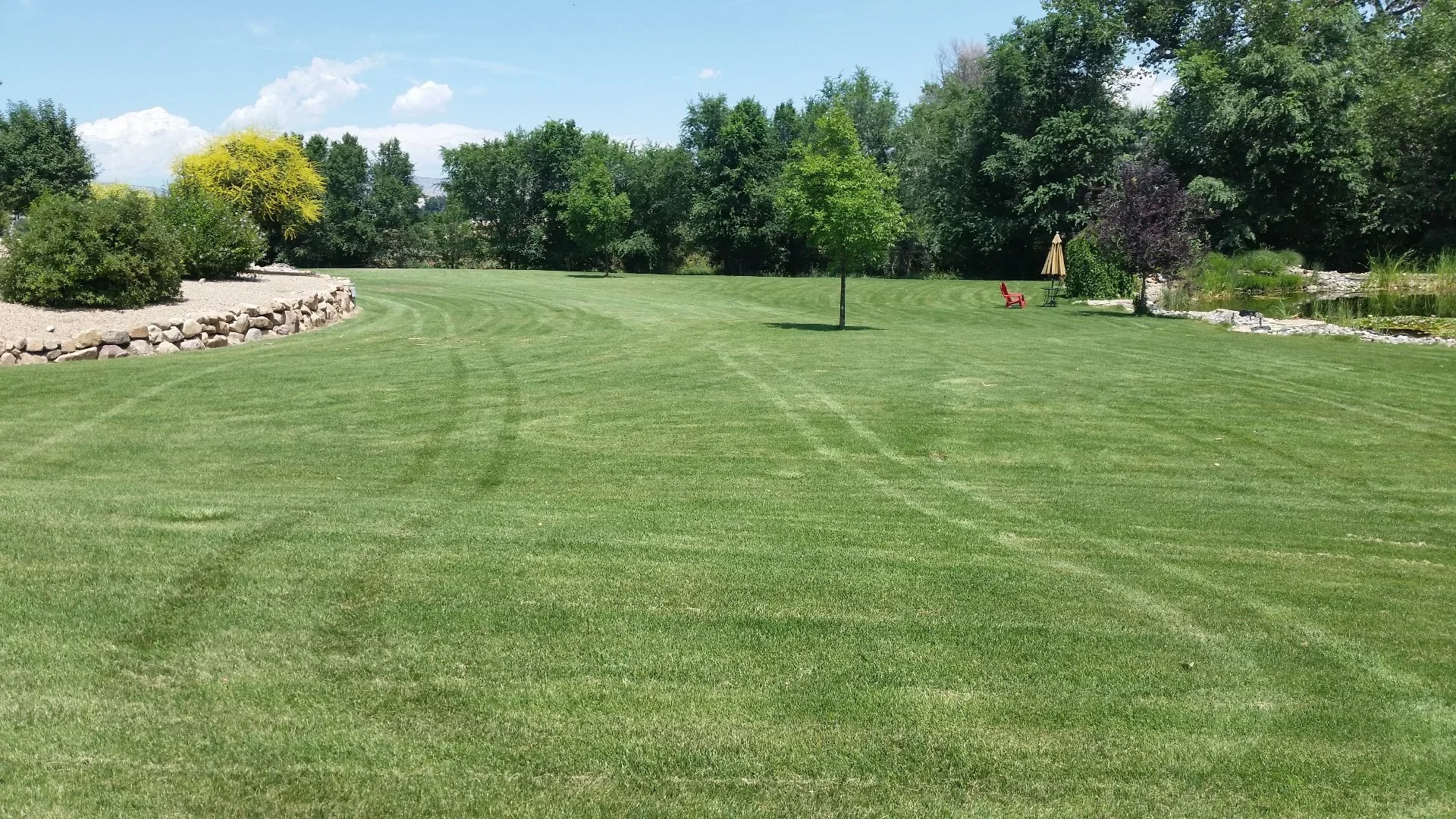
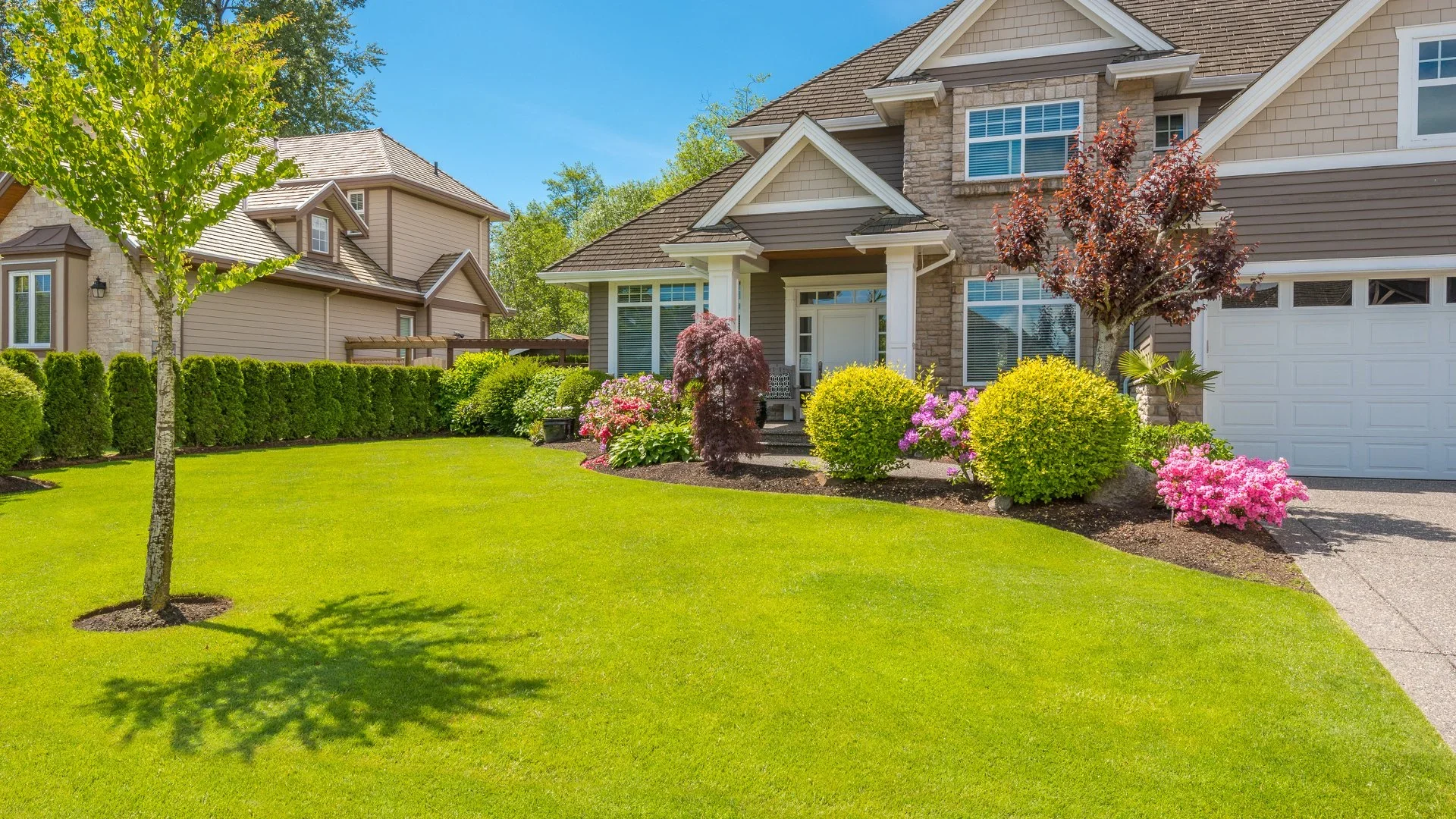
Yard care services are the routine and seasonal jobs that keep your grass healthy, usable, and good-looking. That matters more than it sounds, because a lawn can look fine on Monday and worn out, patchy, or weed-heavy by the weekend, especially in Grand Junction where heat, dry air, and stubborn soil expose every weak spot fast.
## What yard care services actually do for your turf
At the simplest level, yard care services help your lawn do three things well: grow evenly, stay dense, and recover from stress. That includes the obvious work, like mowing, and the less obvious work, like adjusting irrigation, feeding the turf at the right time, or loosening compacted soil so roots can actually spread.
Here's the thing: turf health is not just about color. Grass can be green and still be struggling. If roots are shallow, soil is packed hard, or sprinklers are missing sections, your yard is running on borrowed time. Healthy turf is thick enough to handle foot traffic, resist weeds, and bounce back after hot weather instead of thinning out every summer.
In a place like Grand Junction, that difference shows up quickly. Dry wind, long sunny stretches, and clay or rocky ground can turn small maintenance gaps into visible problems faster than most people expect.
## The core yard care services most lawns need
Most lawns do not need every service under the sun. But most do need a handful of core services working together. Think of it like keeping a car running. Washing it helps it look better, but oil, tires, and alignment are what keep it driving right.
### Mowing and edging
Mowing is basic maintenance, but it does more than tidy the yard. Cutting grass at the right height helps it grow thicker, shade the soil, and hold moisture longer. Cutting it too short does the opposite. It stresses the plant, exposes the soil, and gives weeds room to move in.
Edging and trimming matter too, mostly because neglected borders usually signal neglected turf. Grass around fences, sidewalks, and beds tends to get scalped, missed, or worn down first. A steady mowing schedule is what counts most here, not just making the lawn look neat for a day.
### Fertilization and weed control
Fertilization feeds the lawn so it can grow strong roots and full top growth. Weed control keeps broadleaf weeds, crabgrass, and other invaders from stealing water, nutrients, and sunlight.
Two terms come up a lot here: pre-emergent and post-emergent. Pre-emergent means a treatment that helps stop certain weeds before they sprout. Post-emergent means a treatment used after weeds are already visible. Simple enough.
The trick is that weed control works best when the lawn is healthy enough to compete. Thin turf leaves open space. Open space invites weeds. A thicker lawn naturally crowds out a lot of trouble before it starts.
### Aeration and overseeding
Aeration means pulling small plugs out of the soil so air, water, and nutrients can move down to the roots. If your lawn feels hard underfoot or water runs off instead of soaking in, compacted soil is often part of the problem.
Overseeding means spreading grass seed into thin or bare areas to fill the lawn back in. On tired lawns, aeration and overseeding together can make a dramatic difference. Aeration opens the door, and overseeding gives the lawn something new to grow through it.
If your turf has looked weaker every year, this is often the service pair that starts to reverse the slide.
### Irrigation checks and water management
A lawn cannot stay healthy without water getting to the right places in the right amount. That means checking sprinkler heads, looking for clogged or tilted nozzles, adjusting coverage, and changing timer settings as the season shifts.
In Western Colorado, a small irrigation problem does not stay small for long. One dry zone can turn straw-colored by the weekend after a few hot afternoons. Watering too much causes different issues, including shallow roots and disease pressure. Good irrigation is not just about running the system. It is about making sure the system is doing the job evenly.
### Pest and plant health treatments
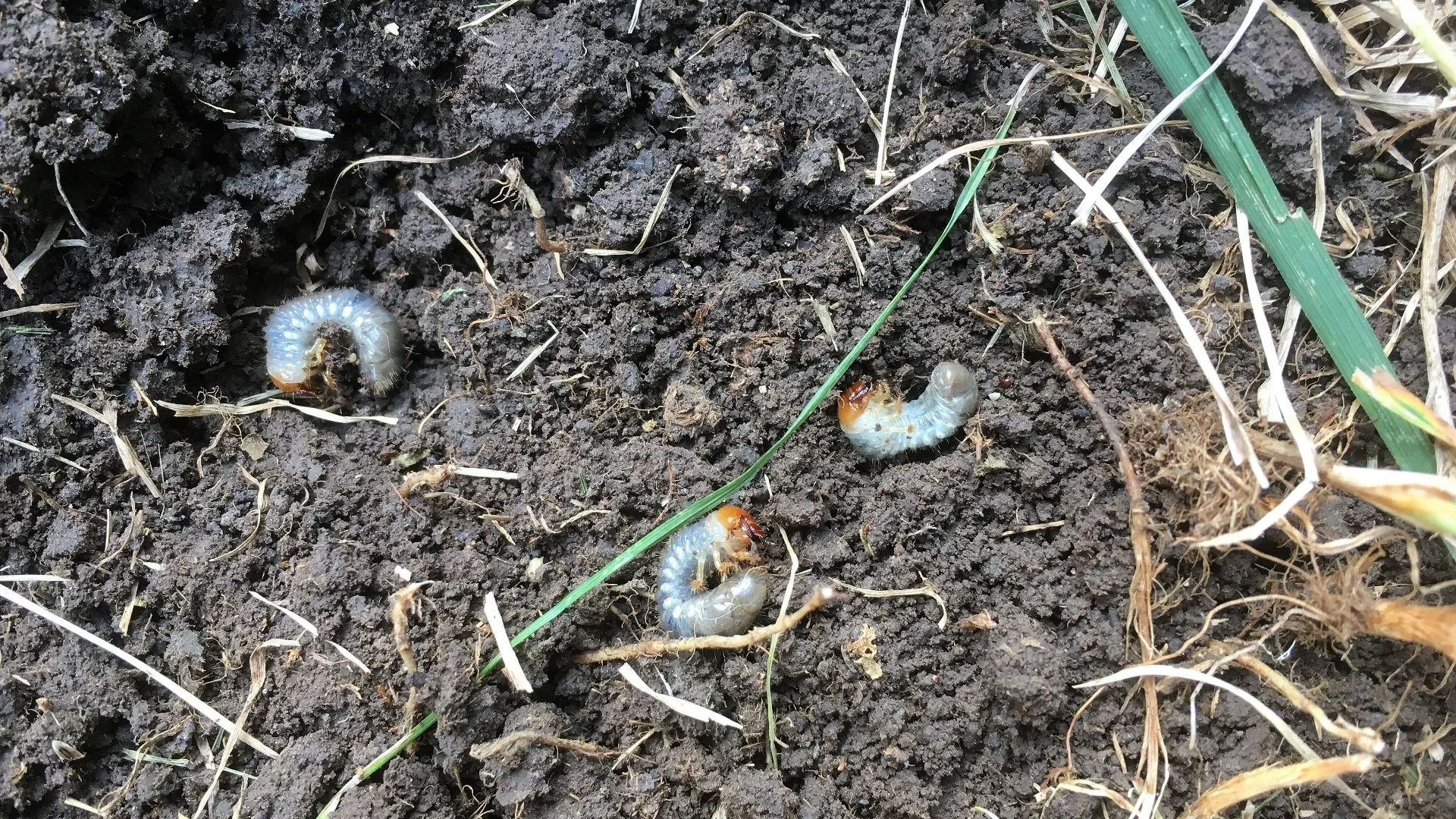
Sometimes grass needs help beyond mowing and fertilizer. Lawn insects can chew roots or blades, disease can show up during stress periods, and nearby shrubs or trees can affect the whole yard by competing for water or dropping shade in the wrong places.
Plant health treatments usually mean targeted care for trees, shrubs, and ornamental plants when those parts of the landscape are dragging down the yard overall. A stressed yard rarely stays limited to one patch of grass.
## How to tell which services your yard really needs
This is where a lot of people get stuck. Every yard care package sounds useful, and suddenly you are looking at ten services when you probably need four.
### Signs your lawn needs more than mowing
Patchy growth usually points to weak roots, poor watering, or compacted soil. Bare spots often show traffic damage, heat stress, or areas where seed never had a chance to establish. If weeds are taking over, the lawn is usually too thin to defend itself.
Hard soil is another giveaway. If water runs off instead of soaking in, aeration and watering changes are worth a close look. Yellowing can mean nutrient issues, irrigation problems, or plain old stress from heat. Uneven color often means coverage problems, with some zones getting too much water and others not enough.
Visible symptoms usually connect to a specific type of service. That is the good news. You do not need guesswork as much as you need to match the symptom to the fix.
### When a healthy-looking lawn still has hidden problems
A lawn that only gets cut is not getting full care. That is the plain truth.
Grass can stay green for a while even with compacted soil, shallow roots, uneven sprinkler coverage, or seasonal weed pressure building underneath. By the time the problem looks obvious, the lawn is already behind. That is why a lawn can seem healthy in early summer and then fade hard once heat and foot traffic stack up.
The catch is that surface appearance can be misleading. A tidy lawn is not always a healthy lawn.
### What changes in grand junction and nearby areas
Grand Junction yards deal with a specific mix of stress: dry climate, intense sun, wind, irrigation dependence, and soils that may lean clay-heavy, rocky, or both. That changes what your lawn needs compared with a milder, wetter area.
One yard may bake against a south-facing fence while another keeps more shade and moisture under mature trees. A sprinkler setting that works in May can be off by late July after a run of hot days, when a lawn starts looking tired by the curb before the rest of the property catches up. In this climate, consistency matters more than perfection. Small misses show up fast.
## The best service mix for different types of properties
Not every property needs the same plan. A quiet backyard, a rental, and a commercial frontage all have different pressure points.
### Basic maintenance for low-stress lawns
If your lawn is already in decent shape, the minimum effective mix is pretty simple: regular mowing, seasonal fertilization, weed control, and periodic irrigation tune-ups. That covers appearance, nutrition, weed pressure, and water delivery, which is most of the battle.
Simple consistency beats a complicated plan every time. A decent lawn kept on schedule usually stays decent.
### Recovery services for thin, weedy, or struggling turf
If the lawn is thin, patchy, or losing ground each season, maintenance alone will not fix it. This is where aeration, overseeding, targeted weed control, soil support, and smarter watering come into play.
Trying to fix weak turf with mowing alone is like repainting a fence that still has broken boards. It may look better for a minute, but the real problem is still there. Recovery work focuses on root health and density, because that is what gives the lawn a chance to improve instead of just survive.
### Ongoing care for commercial and higher-visibility properties
Commercial sites, office lawns, retail spaces, and HOA areas need reliability more than anything else. Grass has to stay presentable, edges have to stay clean, and obvious weeds or dead zones need to be handled before they become complaints.
That usually means steady mowing, weed suppression, irrigation monitoring, pest watch, and plant health support around entry areas and beds. The goal is not pampering the property. The goal is keeping it usable, safe, and consistently sharp without constant oversight from you.
## Services people often pay for but Don’t always need
Some services are useful. Some are just nice to have. Some are only worth paying for when the yard is showing a specific problem.
### One-time cleanup vs. recurring yard care
Cleanup services usually mean leaf removal, seasonal debris clearing, cutback, and haul-off. Those jobs help appearance and can make the property feel reset, especially after winter or a windy stretch.
But cleanup is not lawn care in the turf-health sense. It does not feed the grass, fix compaction, correct watering, or control weeds. A clean yard can still be an unhealthy one.
### Landscaping projects vs. turf health services
Landscaping projects include things like sod installation, mulch refreshes, decorative beds, edging upgrades, and new planting. Those changes can improve curb appeal fast.
Still, landscaping and turf care are not the same thing. Landscaping changes the look or layout. Turf health services keep the grass performing week to week. If your lawn is thinning because of poor irrigation or compacted soil, fresh mulch will not solve that.
### Add-ons that make sense only in specific cases
Dethatching, extra seeding, shrub treatments, and pest control can all be worthwhile, but only when the yard is showing symptoms or your property has a clear goal that calls for them. The right plan depends on what your lawn is doing now, not on a one-size-fits-all package.
That is the trick. Buy the service that solves the problem you actually have.
## Common questions about yard care services
### How often should your lawn be serviced?
Mowing usually happens weekly during active growth, though some stretches need more or less depending on heat and growth rate. Fertilization and weed control are seasonal, not constant. Aeration is periodic, often once a year or as needed. Irrigation checks matter anytime the weather shifts or dry spots start showing up.
The pattern is simple: frequent maintenance, timed treatments, and occasional corrective work.
### Is professional yard care worth it?
Yes, especially if your lawn has ongoing issues, sprinkler challenges, visibility demands, or a history of looking good for one month and rough for the next. Professional care helps you avoid bad mowing habits, mistimed treatments, and irrigation mistakes that quietly wear turf down.
Consistency is the real value. Healthy grass usually comes from repeated small fixes done on time.
### What should you do before service starts?
Keep access simple. Unlock gates, move toys or obstacles, pick up pet waste, and flag sprinkler heads or problem spots if needed. If one corner stays soggy or one strip dries out every week, point that area out early. That saves time and helps the service focus on the issue instead of discovering it later.
## How to choose the right yard care plan for your property
The best plan is usually smaller than you think. Most lawns improve from a few smart services done consistently, not from buying everything available.
### Start with the problems you can already see
Walk the yard and look for the obvious clues: weeds, dry patches, uneven growth, runoff, bare areas, or thinning near paths and play zones. Those signs usually tell you where to start.
A thirsty strip near the sidewalk points to irrigation. A hard, sparse lawn points to aeration and seed. Weed-heavy patches point to turf that needs both control and stronger growth.
### Build a simple plan instead of buying everything
Start with the core categories: maintenance, turf health treatments, irrigation support, and only the add-ons that fix a real problem. If the lawn is stable, keep the plan lean. If the lawn is struggling, shift toward recovery services until density and color come back.
Healthy turf usually comes from a handful of well-timed services, not an oversized package.
### Try one smart next step
Take ten minutes, walk your yard, and write down the trouble spots you can already see. Then match each one to the service that actually fixes it. That one habit gets you closer to healthy turf than guessing, and it keeps your yard care services focused on what your property truly needs.
* Disclaimer: This article is for general informational purposes only. It is not professional advice, a quote, or a service agreement. Conditions at your home or property may differ; contact a qualified professional for an on-site evaluation before making repair, safety, or spending decisions.
* Disclaimer: This article is for general informational purposes only. It is not professional advice, a quote, or a service agreement. Conditions at your home or property may differ; contact a qualified professional for an on-site evaluation before making repair, safety, or spending decisions.