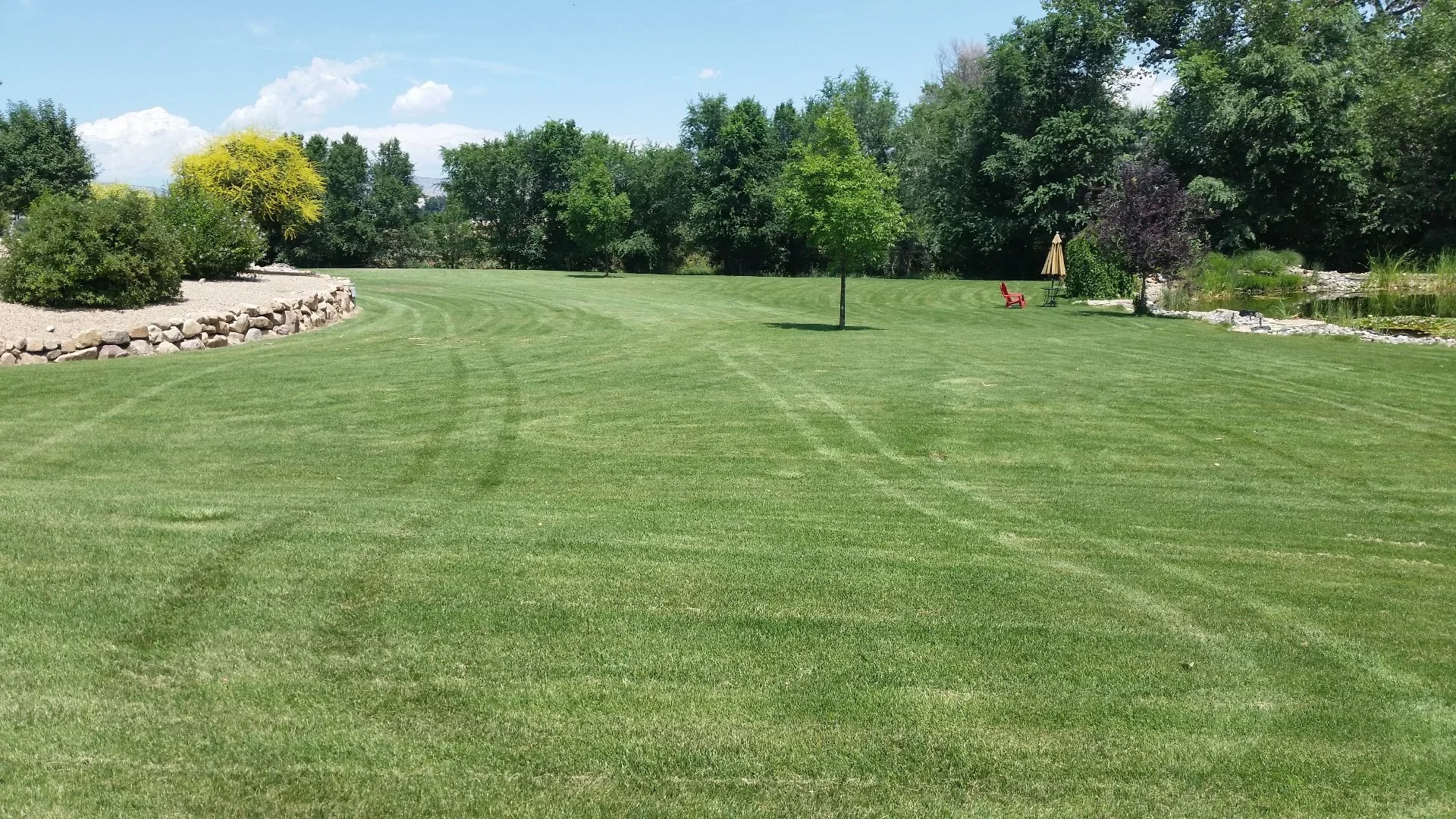
Peak summer heat during a dry Grand Valley season leaves lawns with brown patches that look dry from the road but different up close. Tall fescue that stays wet from evening spray or shade spots that never dry can show brown patch and leaf spot patterns while soil a few inches down still feels uneven. Controllers keep running on old schedules. Mowers keep rolling. Fertilizer bags still sit in the garage. Mesa Turf Masters has cared for Western Colorado lawns since 1992. This article is one thesis: in drought and peak heat, fix water distribution and mower timing before you reach for chemistry or nutrition, and learn to read disease patterns on fescue as distinct from simple drought stress.
This piece differs from necrotic ring spot stories that focus on irrigation overlap beside bermuda pockets. It also differs from evening irrigation pest overlap posts and from controller timer update guides. Here the focus is recovery under dry heat: how wasted spray and leaf wetness create disease on fescue while open panels still probe dry, and the order of operations that helps you tell if the lawn is improving without wasting water.
## What recovery looks like on tall fescue in hot dry weather
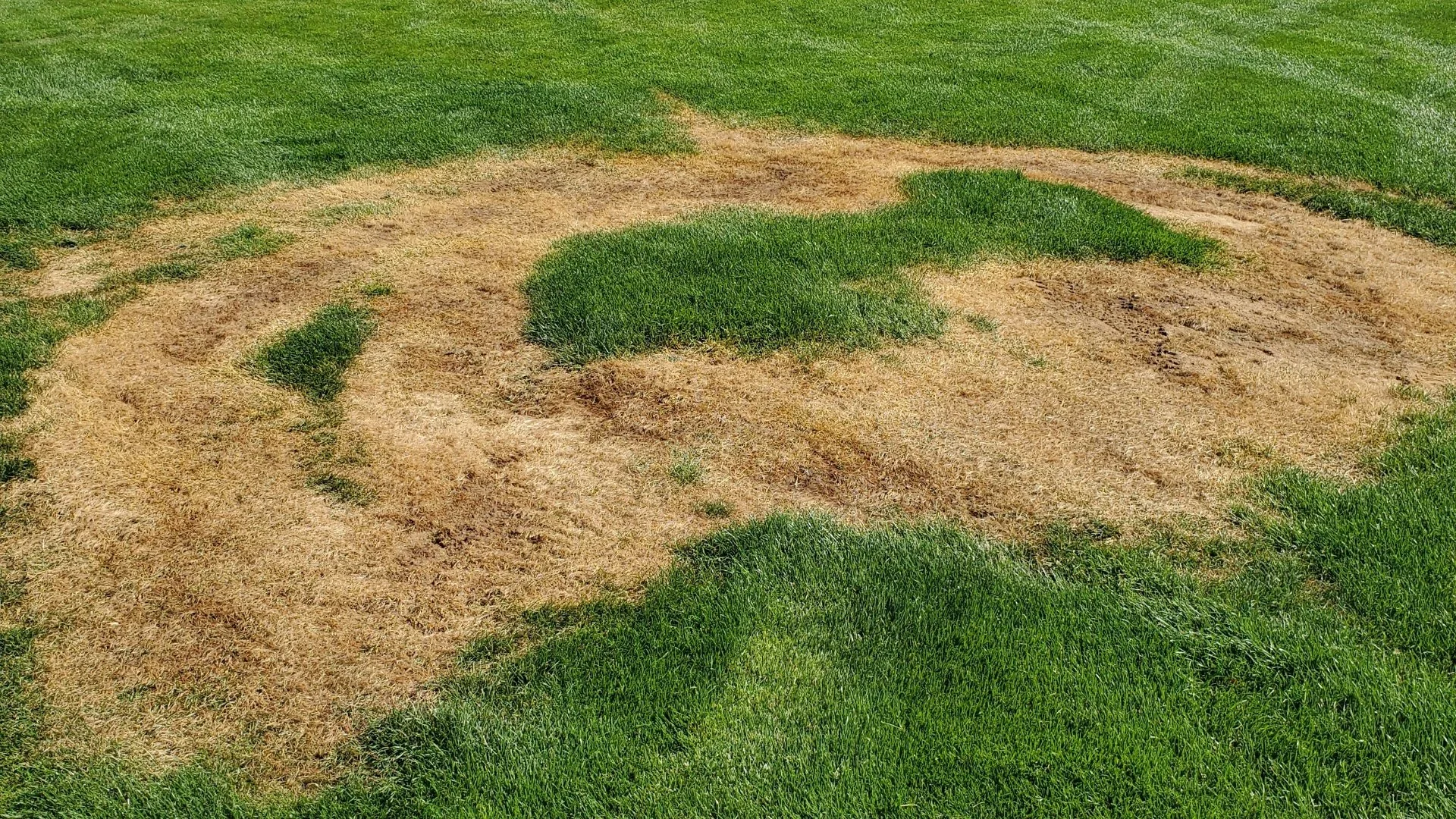
Brown patch often shows as irregular circular or blotchy areas with a different texture than uniform drought tan. Leaf spot can stipple blades and thin density without a clean circle. Photograph each arc in morning light before you treat every brown shape as one outbreak. Note whether the pattern expands after evening irrigation, after you mow while turf is still wet, or after a week of hot wind with no coverage change.
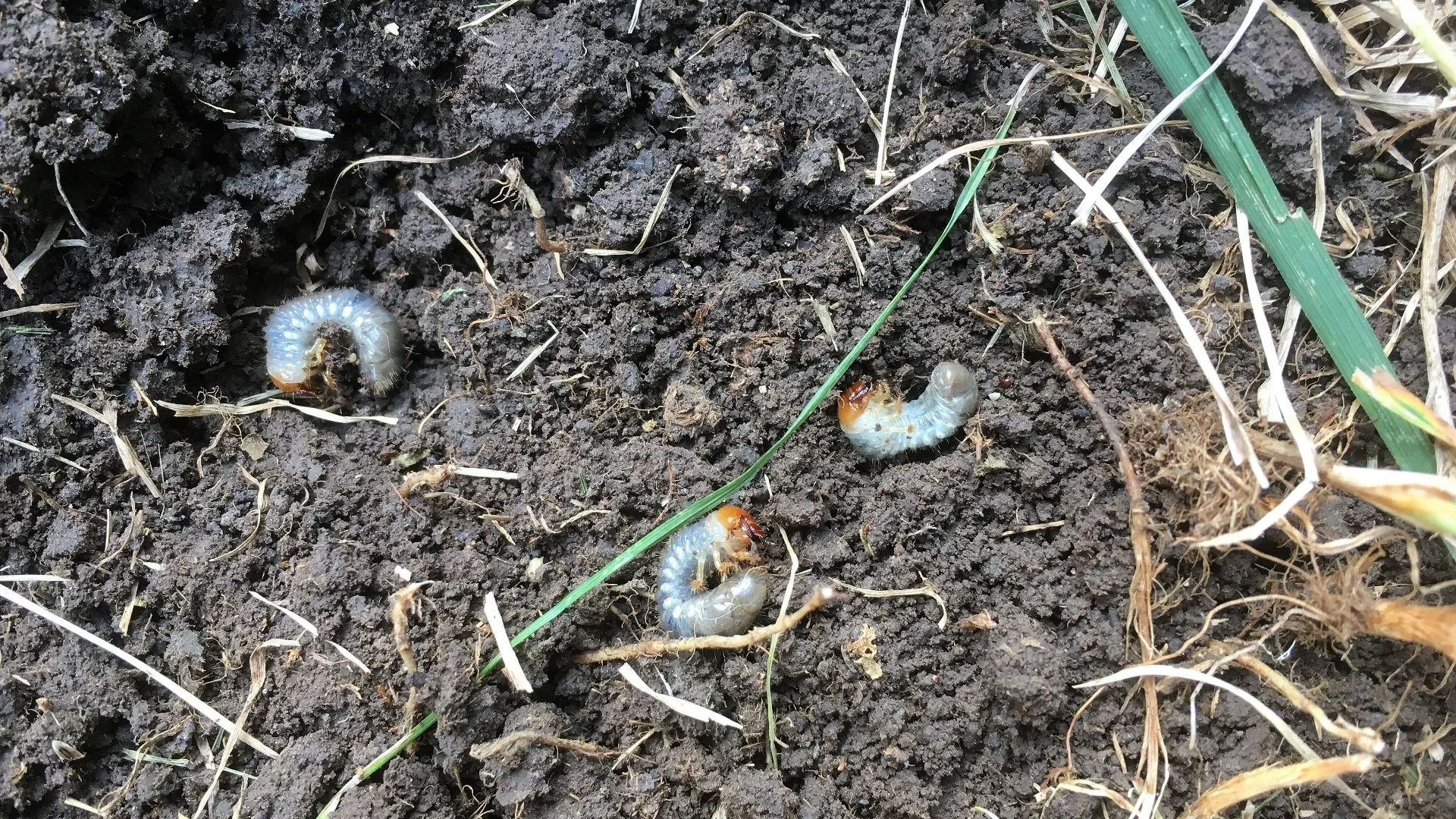
Our lawn disease control page describes what we treat locally. Uniform tan near heat zones still traces to water first. Scattered crown failure that pulls up easily may still deserve an insect read. Disease patterns beside dry panels deserve their own notes so a program review does not treat every tuft as the same problem.
Pair this recovery pass with the Fruita homeowner lawn and landscape guide when property context matters, and with the peak summer lawn priority quiz when disease, heat, wear, and beds all compete for the first weekend.
## Fix water distribution before chemistry
Controllers can run on schedule while heads mist sideways, soak pavement, or leave dry wedges that line up with wind. Wet spots that never dry between cycles keep leaf surfaces wet long enough for pathogens while neighboring panels stay thirsty. In a dry summer that split wastes water and invites disease on the same lot. Book irrigation repairs when pressure loss or bad aim repeats on the same run.
Walk each zone once on a calm evening and once after a windy afternoon. Flag misting heads, spray on siding, and wet spots that stay dark while the rest of the lawn looks pale. Fix distribution before you fix the clock. Fix the clock before you assume every failing crown in this heat needs a product first. Do not flood shade while sun fries the berm.
Homes in Grand Junction, Fruita, and Redlands share this dry heat pattern with different street layouts. The order stays the same: fix coverage, then labeled disease work when patterns fit.
## Mower timing when turf stays wet into the day
Mowing wet fescue after heavy evening spray smears pathogens across healthy panels and tears soft tissue. Wait for surfaces to dry enough that clippings do not mat into a wet layer. Raise height slightly on stressed arcs so plants keep leaf area while you fix water. Scalping damaged panels removes tissue the plant needs when hot dry weather already pulled hard on shallow roots.
Steady lawn maintenance keeps height even so you can tell week to week if recovery is holding. Do not chase every brown edge with a lower deck setting. Lower decks on wet, stressed turf often make the pattern look worse by the next afternoon.
## When not to fertilize in this dry heat
Lawn fertilization supports recovery when water, mowing, and disease timing already make sense. It does not replace them. Pushing nitrogen onto wet, diseased fescue can feed soft growth that pathogens favor while roots are still stressed. Hold fertilizer on arcs that still show active disease patterns until leaf wetness habits and distribution are under control.
Our lawn care programs time nutrition for Western Colorado reality rather than a humid coast calendar. Mention dry heat stress, wet dark corners, and recent timer edits when you request a visit so nutrition does not land on the wrong problem.
## Disease chemistry after coverage is fixed
Labeled disease work belongs after you can describe the pattern, the leaf wetness habit, and the irrigation walk in plain language. Treating thirsty turf that only looks diseased from the house often disappoints. Treating wet, poorly aimed zones without fixing spray usually invites a repeat after the next hot week, and it burns product while limited water still misses open panels.
Ask what product fits the pattern you photographed, what re entry and watering windows look like, and whether mowing should pause on treated arcs. Clear questions beat a hero spray on a clock that still soaks the same wet spot every night.
## Aeration and mechanical recovery after the acute phase
Once leaf wetness habits improve and active disease patterns stabilize, aeration may help compacted gathering corners that stayed soft and thin through peak heat. Do not core through active, wet disease outbreaks just because the calendar says mechanical work feels productive. Sequence mechanical recovery after you can tell the acute dry heat problem is settling.
Thin lanes that match feet still need a wear read. Thin panels that match circular disease arcs need a disease read. Photograph both before you schedule soil openings so the visit stays focused.
## Practical notes for the rest of a dry summer
Map wet spots and photograph them after a full irrigation cycle. List zones that run at night versus morning. Note mower days that landed on wet turf. Decide if you want a disease and irrigation review before outdoor calendars fill on the same corners that stay soft while open panels stay dry. Water that hits pavement or shade you do not need is water the sun berm never got.
Mesa Turf Masters serves Orchard Mesa, Clifton, Loma, and nearby Western Colorado communities with the same practical sequencing we publish here. Call (970) 434-5440 or request a quote when you want a crew to read recovery with disease patterns and coverage checks on the same visit.
## Closing: water and mowing first, chemistry second, fertilizer last
Recovery in hot dry weather rewards observation more than hero doses on the clock. Fix distribution before you fix the clock. Fix mower timing before you scalp stressed fescue. Hold fertilizer on active disease arcs until leaf wetness habits improve. When brown patch or leaf spot patterns do not match feet or sun alone, ask about targeted lawn disease control after someone looks at the lawn in person. That order saves water, saves product, and helps tall fescue hold through the rest of peak summer.