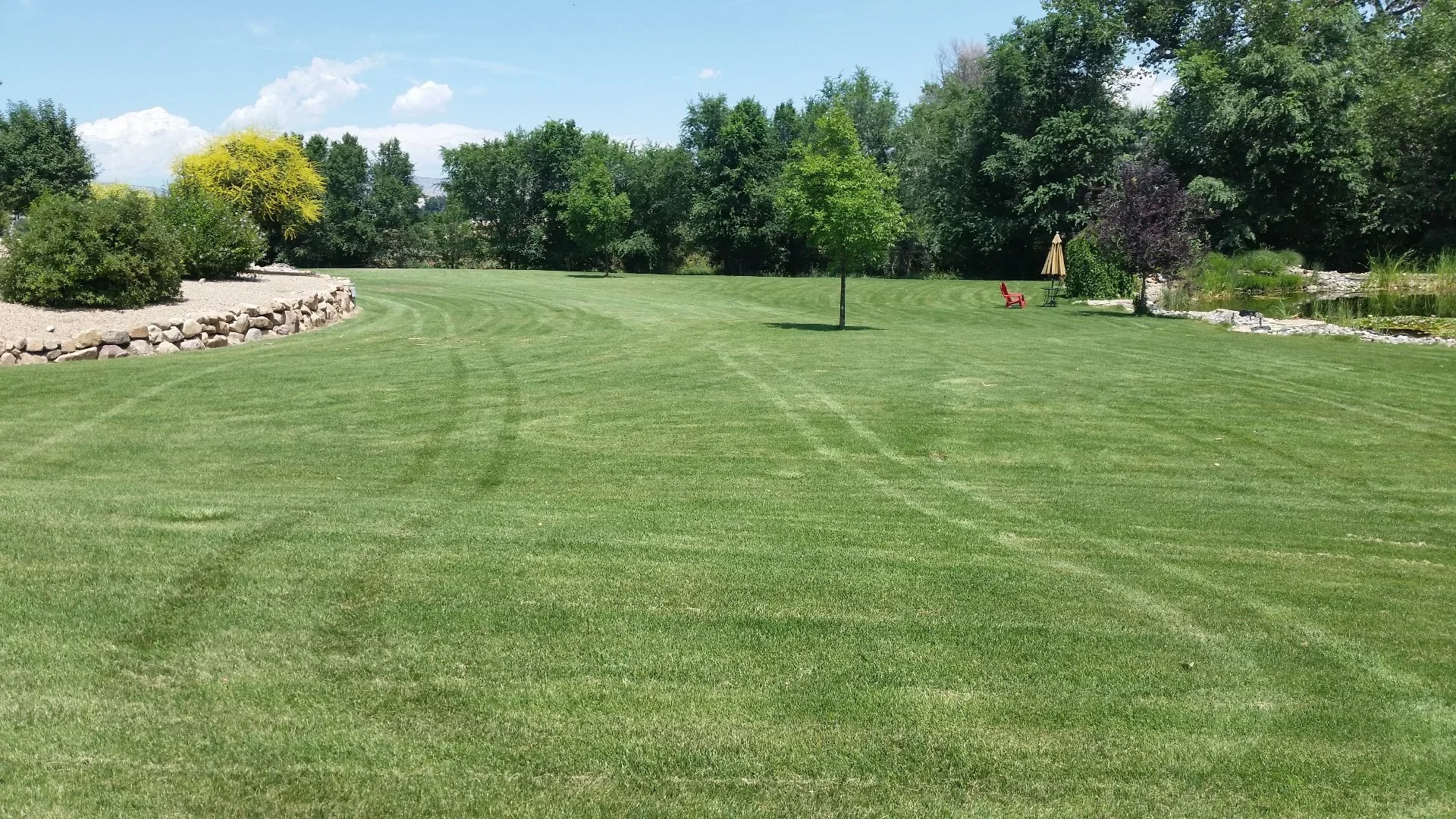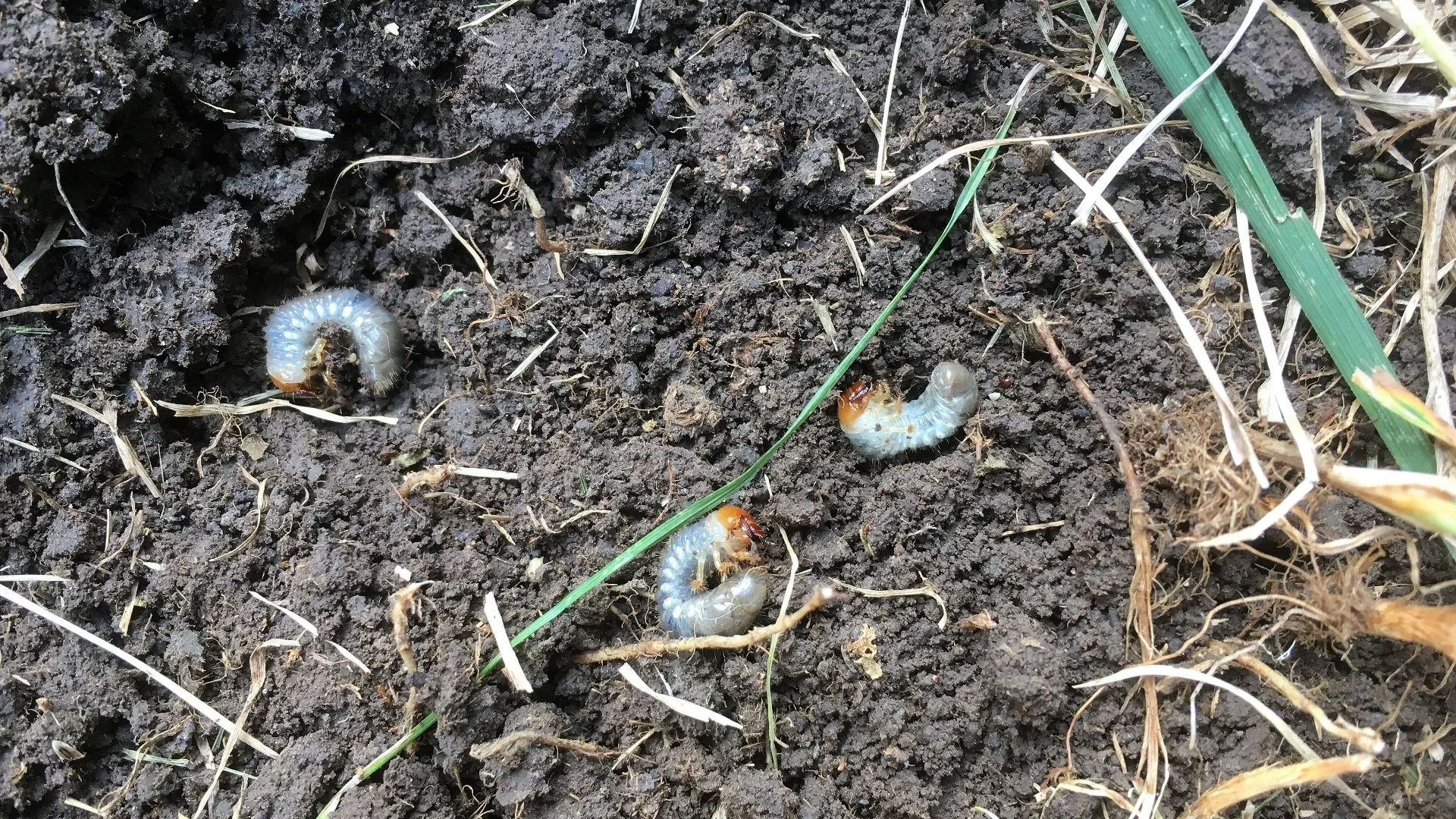
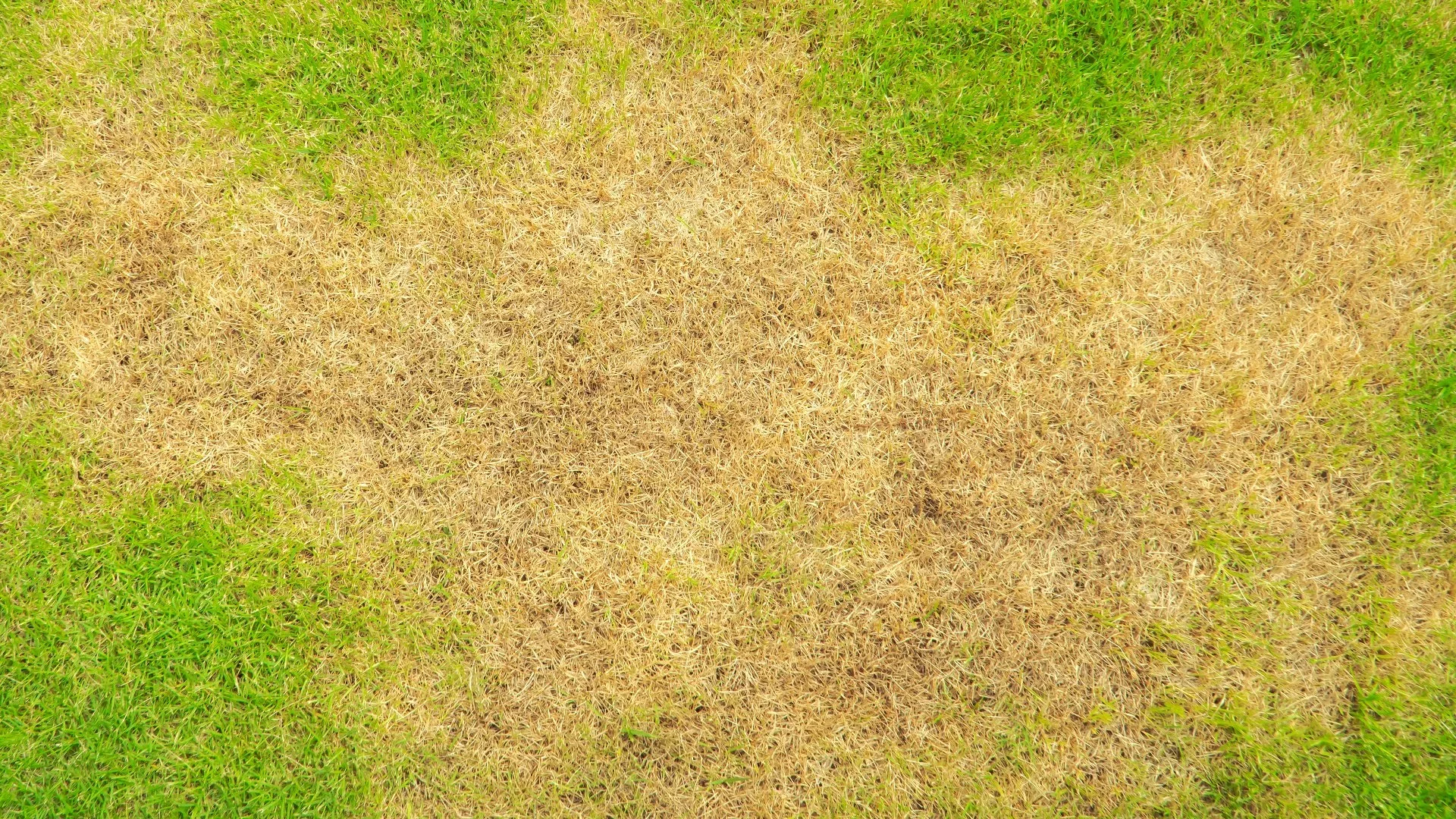
Peak summer stacks problems that look alike from the house. One arc fries while another soaks from overspray on the same controller. Footpaths thin beside the gate. Mulch blows thin along the porch. Choosing what to fix first feels like guessing when disease, dry stress, wear, and bed edges all show up at once. This dry year in the Grand Valley makes that sort harder because wasted water shows up as a dead wedge somewhere else. This page offers a short interactive peak summer lawn priority quiz below the next few paragraphs.
Mesa Turf Masters has cared for Western Colorado lawns since 1992. We work across Grand Junction, Fruita, Redlands, and nearby towns. Homeowners want a calm sort order so weekends and budgets go to the task that unlocks the next improvement. This quiz is distinct from our earlier lawn symptom priority quiz. That tool sorted water, insects, nutrition, mechanical recovery, and beds in a broader early season frame. This one asks how hot dry weather stacks pressure: disease patterns, heat and water stress, traffic wear, or bed and edge maintenance.
The interactive box below does not replace a site visit. It is a sorting tool. Each question asks which problem you would address first if you could only pick one honest answer. The script counts which answers lean toward lawn disease control, coverage fixes through irrigation repairs, mechanical recovery through aeration, landscape polish through mulch installation, or a steady lawn care plan once the loudest symptom is named. Every outcome links only to routes that already live on this site.
Before you scroll to the quiz, decide if you are answering for the whole property or for the one symptom that annoys you daily. Most people get clearer results when they picture the front approach or the path guests use to the door. Keep that single picture in mind for all five questions. When you finish, you will see a recommended starting focus plus practical next steps that match how we sequence real projects in the Grand Valley when it is already this dry.
## How peak summer sorting differs from early season symptom quizzes
Early season brown often traces to startup gaps, shallow roots after winter, or the first insect edges on warm berms. Peak summer brown can be all of that plus dry stress on alkaline high desert soil, compacted gathering corners, and bed edges that shed mulch into turf. Uniform tan near pavement still often traces to spray and heat at edges. Circular or irregular patches with a different texture than the surrounding lawn deserve a disease read before you add minutes to every zone. Thin lanes that match feet and chairs deserve a wear read before you treat them like an outbreak.
This quiz forces you to pick the problem that would change your weekend plans if it were solved tomorrow. Pair the result with lawn recovery during peak heat and drought when disease patterns sit beside dry panels, and with the Fruita homeowner lawn and landscape guide when you want a property level frame for bench wind and ditch, well, or meter water habits.
## Disease patterns worth answering honestly
Brown patch and leaf spot on tall fescue can still show in a dry summer when evening spray keeps shade spots wet while open panels stay thirsty. Irregular patches with a different blade texture than simple drought tan deserve photos in morning light three days in a row. Note whether the pattern expands after long leaf wetness from overspray or after you mow wet turf. The quiz weights disease answers when your first instinct is that the lawn looks sick rather than simply thirsty or worn.
Do not treat every brown shape as disease. Do not ignore disease because the calendar feels hot and dry overall. Wet spots and evening mist can keep leaf surfaces wet long enough for pathogens while soil still feels dry an inch down. That split is why peak summer sorting belongs on its own quiz when weather stays this dry.
## Heat and water stress when you cannot waste water
If one zone stays crispy while another looks soggy, note that before you choose disease chemistry or seed. Controllers can run on schedule while heads mist sideways, skip a corner, or soak pavement. Adding ten minutes to the whole program without fixing aim usually feeds weeds and weak crowns in the same afternoon, and it burns water you cannot spare this dry summer. The quiz weights heat and water answers when your first instinct is to watch a full cycle before you buy another bag or schedule a treatment.
Check where water actually lands before chemistry. Check coverage before you assume every failing crown at peak summer is fate. Flag misting heads, dry wedges that line up with bench wind, and wet spots that never dry between cycles while sun fries the berm.
## Traffic wear that outlasts a single dry spell
Worn strips from chairs, gate pivots, dog paths, and play equipment look different from scattered crown failure when you photograph them at the same hour three days in a row. Peak summer gatherings press the same corners while hot dry weather already pulls on shallow roots. The quiz weights wear answers when the brown shape matches feet more than spray arcs or circular disease patches.
Do not treat traffic wear like an outbreak. Do not treat an outbreak like traffic because the brown spot sits where feet cross. Mention both honestly when you request help so a program review does not treat every tuft as the same problem at peak season.
## Bed and edge maintenance that steals curb appeal
Tired mulch, grass creeping into rock, and soft bed edges make the whole property feel behind even when open turf is decent. Outcomes that lean beds point toward mulch and cleanup when borders are your top symptom. Fixing beds alone rarely cures turf disease, yet ignoring beds while chasing brown grass often leaves the front approach looking unfinished.
Peak summer wind moves chips and soil into turf seams. Resetting the line before fresh mulch covers a creep problem you never fixed is the order we discuss on site. Spray that washes beds while lawn edges stay dry wastes water you need on crowns.
## Using your quiz result on a real call
Mention that you used the peak summer lawn priority quiz when you call (970) 434-5440 or request a quote through contact. Tell us which outcome the script suggested and which question felt hardest to answer. That detail shortens the first conversation and helps crews bring the right tools. Photos of your top symptom at the same hour three days in a row beat a single snapshot at dusk.
If dry panels still dominate your notes, keep the recovery article open beside your quiz result. If you live on a Fruita lot with bench wind and mixed ditch, well, or meter irrigation, keep the Fruita guide open so the first visit starts with property context rather than a single brown photo.
## Closing
Peak summer rewards observation more than hero products on the clock. Disease, heat and water stress, traffic wear, and bed edges compete for attention on the same lot. The quiz gives you a calm sort order so the first move unlocks the next one without wasting water. Scroll to the interactive box when you are ready, then follow the links in your result before you schedule the first visit. Mesa Turf Masters is ready to walk the same lawn with you on the ground.