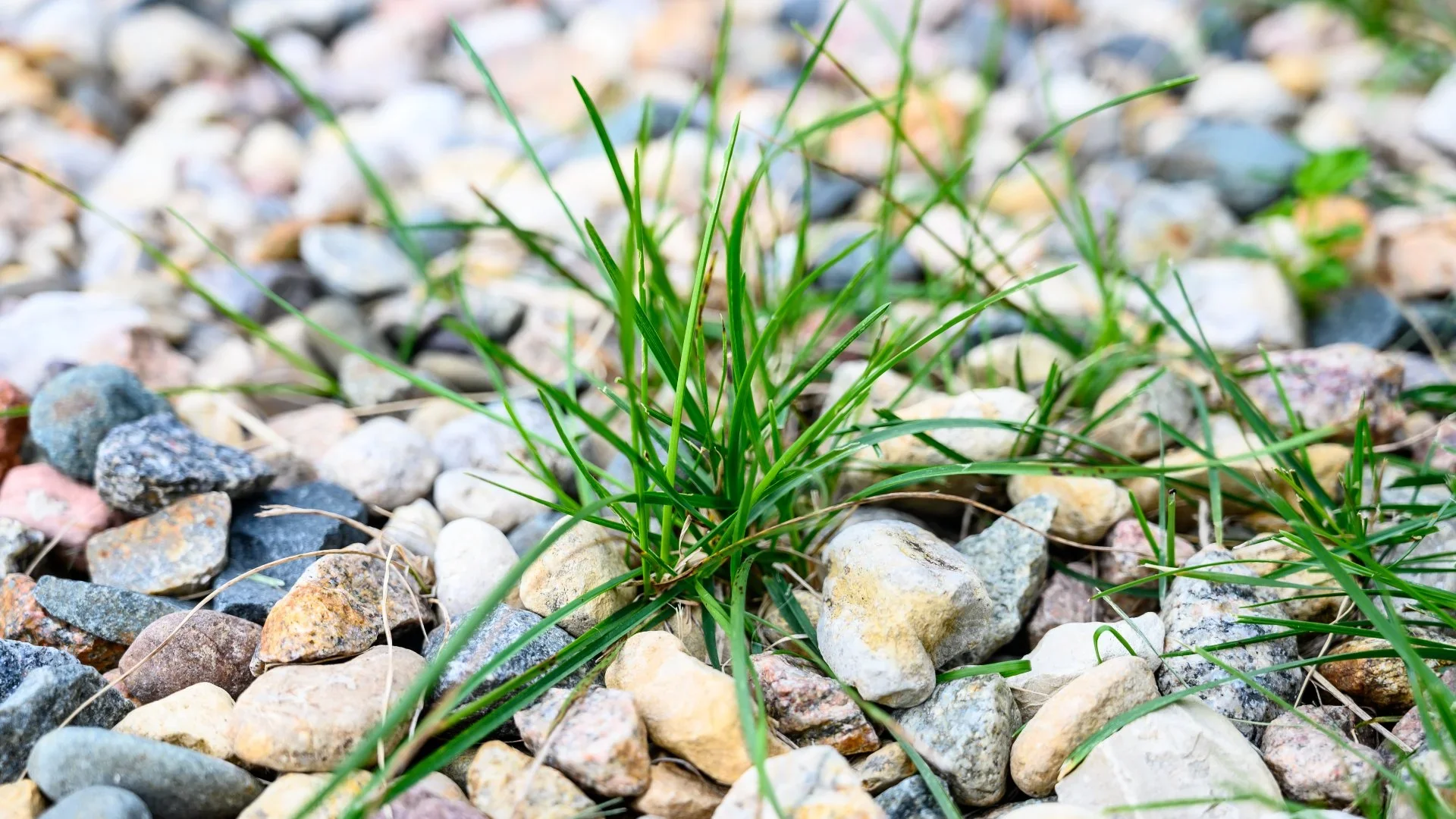
If you walk your yard in spring and notice grass blades poking into rock or mulch along a bed line, you are not alone. In the Grand Valley the mix of warm days, irrigation, and tough grass types means turf often creeps sideways into places you want clean and planted. Homeowners in Clifton, Orchard Mesa, and Redlands tell us the same story: they edged last year, and by midsummer the line looks fuzzy again.
Mesa Turf Masters helps Western Colorado properties with landscape curbing, mulch installation, plant trimming, and full lawn care so bed lines stay clear without a constant battle.
Why Grass Wins the Border Fight
Grass spreads by roots and by stems that creep along the soil surface. When a bed sits only a little lower than the lawn, or when mulch is thin, those stems find easy openings. Sprinklers that spray into the bed on purpose or by accident make the problem worse because the grass gets water where you did not plan for turf. In Palisade and Fruita the wind also moves fine soil and seed into beds, which gives new grass a foothold next to the edge.
Sun and open edges matter too. A wide, sunny strip along a bed heats up and dries mulch, which then blows or washes thin. Thin mulch means less block between lawn and bed soil, so grass steps in. The same pattern shows up along south facing beds where afternoon sun cooks the chip layer down to bare soil by late summer.
Cut a Clean Edge the Right Way
Start by defining a new line a few inches on the lawn side of where you want the final edge to sit. Use a flat spade or a half moon edger and cut straight down, then lift a thin wedge of grass and soil that includes the creeping stems. Toss that material in the green waste pile, not back into the bed, or you will replant the problem.
- Work on dry soil when you can so you get a crisp cut and less mud on the mulch.
- Slope the soil slightly away from the lawn so water does not sit on the edge.
- Add fresh mulch to the proper depth after you edge so sunlight does not reach stray grass under the chips.
- Rake old mulch lightly to break up matted layers before you add new material so water still moves through.
This is the same kind of reset many people pair with spring yard cleanup. If the edge has been fuzzy for years, you may need two passes a few weeks apart to catch stems that resprout. For a full seasonal overview, our spring yard checklist for Grand Junction homeowners lines up irrigation startup, mower prep, and timing for other lawn tasks so edging is not the only thing you do in April.
Slow the Spread After You Edge
Edging is only half the job. You also need to change the conditions grass likes along the border.
- Irrigation: Check heads near the bed. Narrow the arc or shorten the station time so you are not watering the lawn and the bed with the same heavy spray. Our irrigation repairs team often finds a single tilted head causing a wet stripe where grass keeps invading mulch.
- Mulch depth: A thin dusting of mulch looks neat for a week and then fails. Build to a steady depth your installer recommends for your material so light does not reach the soil surface.
- Mowing direction: Avoid always blowing clippings into the bed. Clippings carry bits of grass that can root in warm, wet mulch.
- Bed height: If the lawn is higher than the bed, grass has a downhill advantage. A modest regrade or a slightly raised bed edge can slow creep more than repeated hand trimming alone.
If you want a physical barrier that does not need as much yearly hand work, landscape curbing gives a continuous concrete border under the mulch line. It does not replace good irrigation habits, but it blocks most of the sideways creep that makes beds look tired by August. Curbing also keeps mulch and rock from spilling onto the turf when monsoon rains hit, which matters for homes in Loma and Fruitvale where hard rain can move light material in a single afternoon.
When to Seed or Renovate the Lawn Side
Sometimes the lawn is so thin next to the bed that grass seems to escape only because the turf is weak and weedy there. In that case, improving the lawn with overseeding or a focused lawn renovation after proper prep can give you dense grass that stays where you want it. Match that with weed control so aggressive weeds are not the ones crossing the line instead of your bluegrass mix.
If the invading plants are coarse or spread by deep roots, you may be dealing with a weed that looks like grass but is not your lawn mix. Getting a clear identification saves you from repeating the same edge cut every month. A lawn visit can sort that out and keep the plan simple.
Plan for the Long Term
Bed edges are a small detail that show up in every view of your yard. Spending an afternoon on a clean cut and mulch refresh helps for one season. Pairing that with sprinkler checks, solid mulch depth, and optional curbing is what keeps the line sharp in Western Colorado heat. For properties in Grand Junction, Montrose, and nearby communities, we can walk the edge with you and recommend the least fussy plan that fits your budget.
Ready for help? Call (970) 434-5440 or request a free quote for landscape curbing, mulch installation, or lawn care across the Grand Valley.