Properties in Fruita sit where bench wind, newer subdivision turf, and agricultural edges share one calendar. Lots near open fields feel different from sheltered streets closer to town. Ditch shares, well systems, and municipal meters each shape how water actually lands on crowns. Rock beds and curbing frame many entries while turf panels take the heat of peak summer afternoons. This dry summer makes that mix louder because drought stress shows first on windy berms and short-throw edges. Mesa Turf Masters has served Fruita since 1992. This guide is one thesis: Fruita lawn and landscape work should respect bench wind, mixed irrigation habits, and the line between residential turf and agricultural edge, with spray aimed at crowns instead of mist and pavement.
## How Fruita lots differ from other Grand Valley neighborhoods
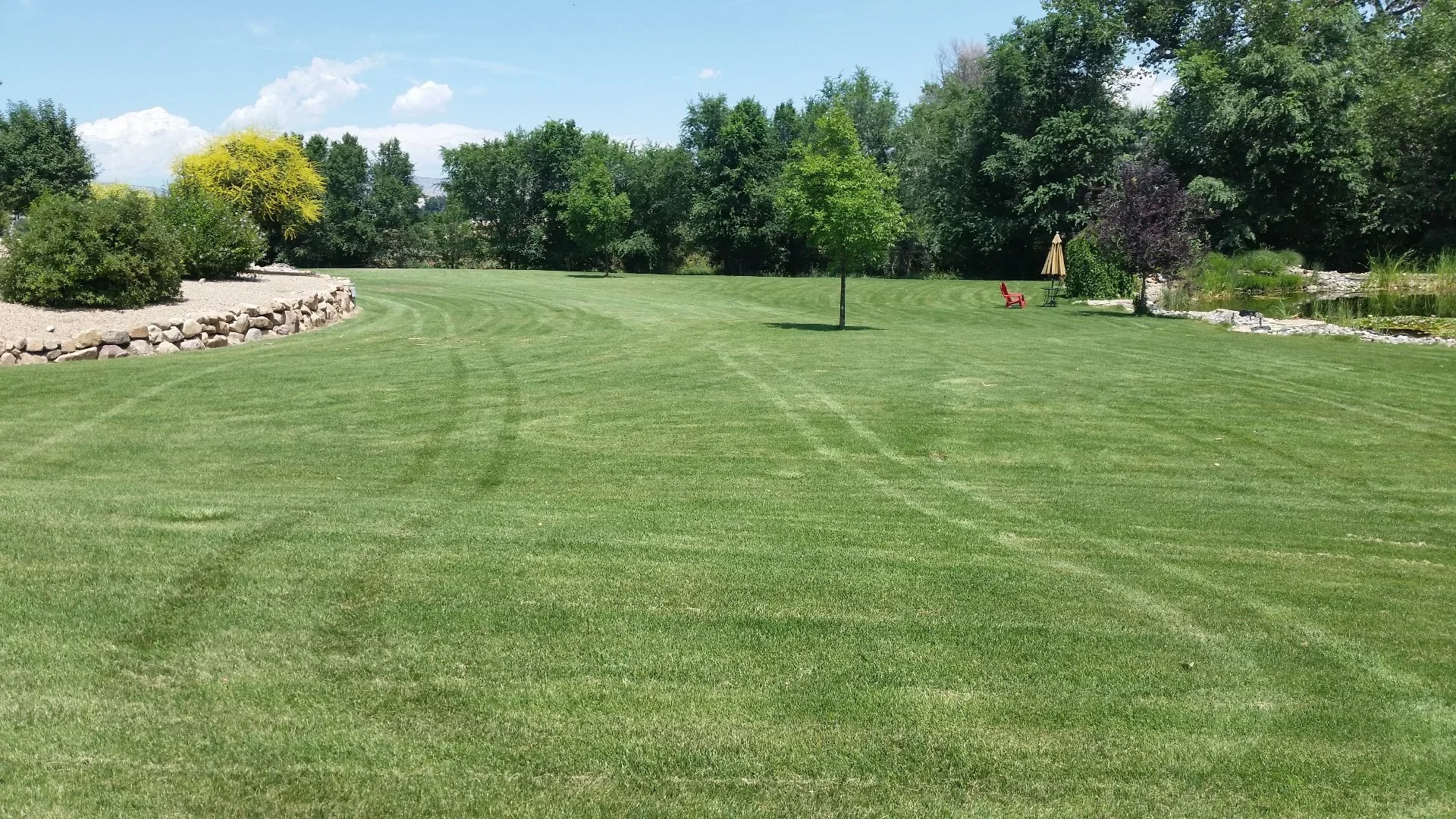
Bench exposure pushes wind across open turf and rock beds on the same afternoon. Subdivision panels often share controllers that were set for a different lot shape. Agricultural edges bring dust, weed seed, and irrigation habits that do not match a small front yard. From the road one lawn can look simple while the same property mixes turf, gravel drives, ditch laterals, and mature trees that each want different water and maintenance.
Start any seasonal plan with a walk that names those zones the way your household actually uses them. Front strip, side gate, back gathering corner, and field edge are better controller labels than Zone 3 ever was. Pair this property frame with lawn recovery during peak heat and drought when disease patterns sit beside thirsty panels, and with the peak summer lawn priority quiz when you need a short sort before you schedule work.
## Turf care on subdivision panels and open lots
Steady lawn care programs time nutrition for high desert turf rather than a humid coast schedule. Bermuda and tall fescue on the same lot often need different minutes. Mowing height that stays even keeps leaf area when wind and hot dry weather already pull on shallow roots. Scalping before a busy weekend removes tissue plants need when peak summer already stresses crowns along south facing strips.
For worn lanes that never recover after faithful watering, aeration may belong once coverage is fixed. Overseeding enters the conversation when thin soil and traffic matter more than one dry spell. Tall fescue in shade and warm season pockets on sun berms often diverge on the same controller. Separate those panels in your notes before you add minutes to every zone. Flooding shade while sun fries the berm wastes water you cannot spare this dry summer.
## Water, ditch habits, and well reality
Controllers that favor lawn arcs while tree driplines starve weaken both turf and wood. Book irrigation repairs when pressure loss repeats on the same run. Walk each zone on a calm evening and a windy afternoon. Flag misting heads, spray on siding, and dry wedges that line up with bench wind rather than with true drought stress alone.
Ditch and well habits can leave homeowners confident about volume while distribution still fails. A full cycle that looks fine at dusk can leave dry wedges by morning when wind shifts spray. Honest spray patterns protect curb appeal and keep Fruita lots from wasting water they already feel each week. Fix aim before you fix the clock. Fix the clock before you assume every tan arc is disease or insects alone.
Neighbors in Grand Junction and Loma share similar high desert dry pressure with different street layouts. Fruita still deserves its own walk because agricultural edges and bench wind change how the same product and the same minutes behave on site.
## Weeds along rock beds and turf seams
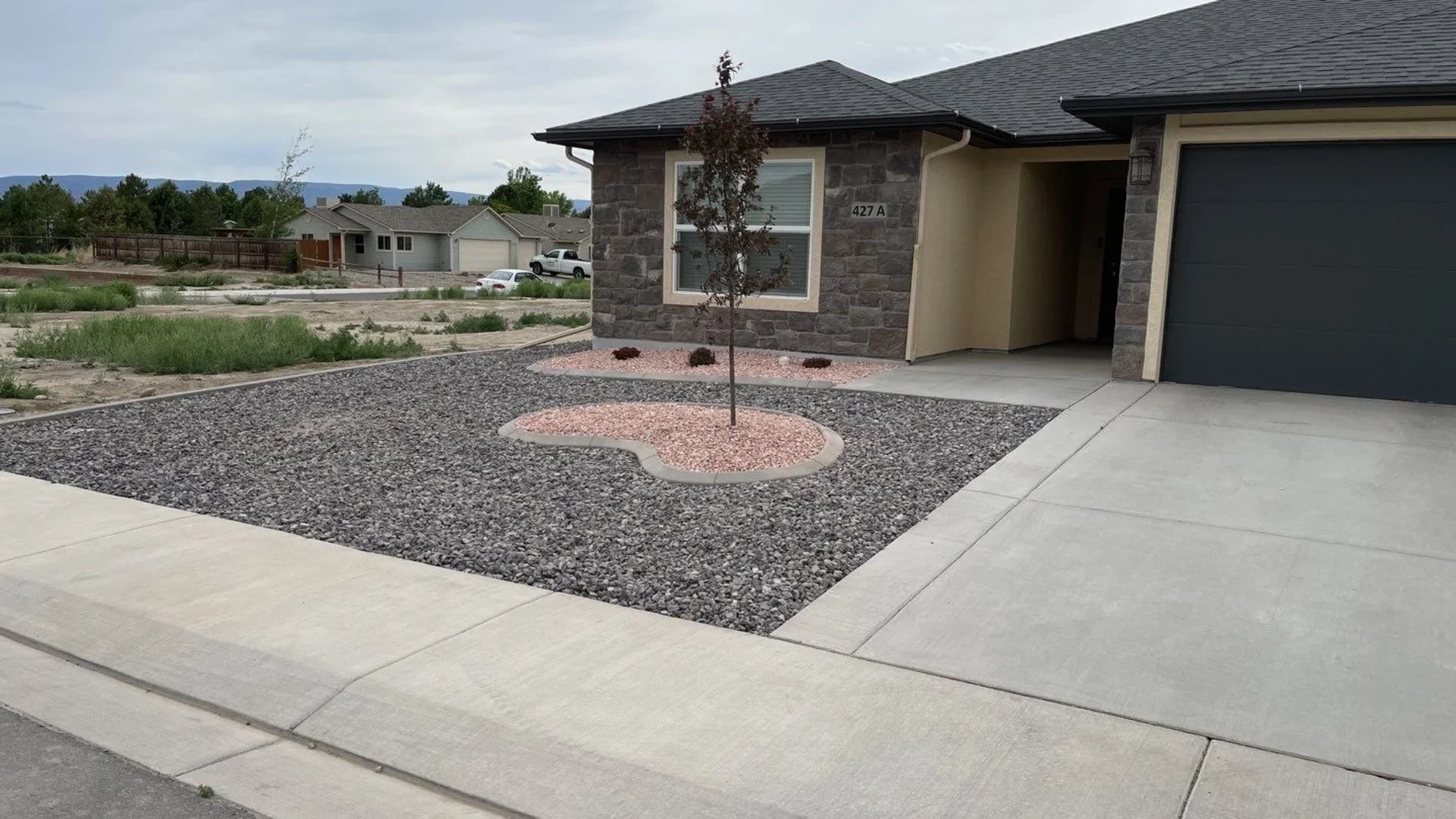
Gravel bands along drives and rock beds heat early and carry weeds before open turf shows the same pressure. Pre and post emergent timing on stone keeps rock clean without treating gravel like a lawn strip. Pair rock work with landscape curbing when runoff and wind have been moving stone into lawn for several seasons.
Turf seams along bed edges need real edging before fresh mulch covers a creep problem you never fixed. Peak summer growth pushes grass into chips fast when irrigation spray overlaps the bed. Photograph the seam after a full cycle so you can see whether wasted spray or seed pressure is the louder issue.
## Trees, shrubs, and shade that reshape turf
Legacy shade trees and ornamental shrubs share lots with turf that gets most household attention. Tree and shrub care belongs in plans before crown thinning shows on wood that anchors the lot. Turf first watering without dripline soaks slowly stresses wood even when grass looks acceptable from the road. When it is this dry, that turf first habit burns both canopy and lawn.
Wind that dries mulch also abrades tender leaves on exposed south beds. Watch drift and dry corners on the same property you host guests on each weekend. Plant trimming that keeps walkways clear should not remove bloom wood you planted for color without a plan.
## Pests when agricultural edges meet lawn
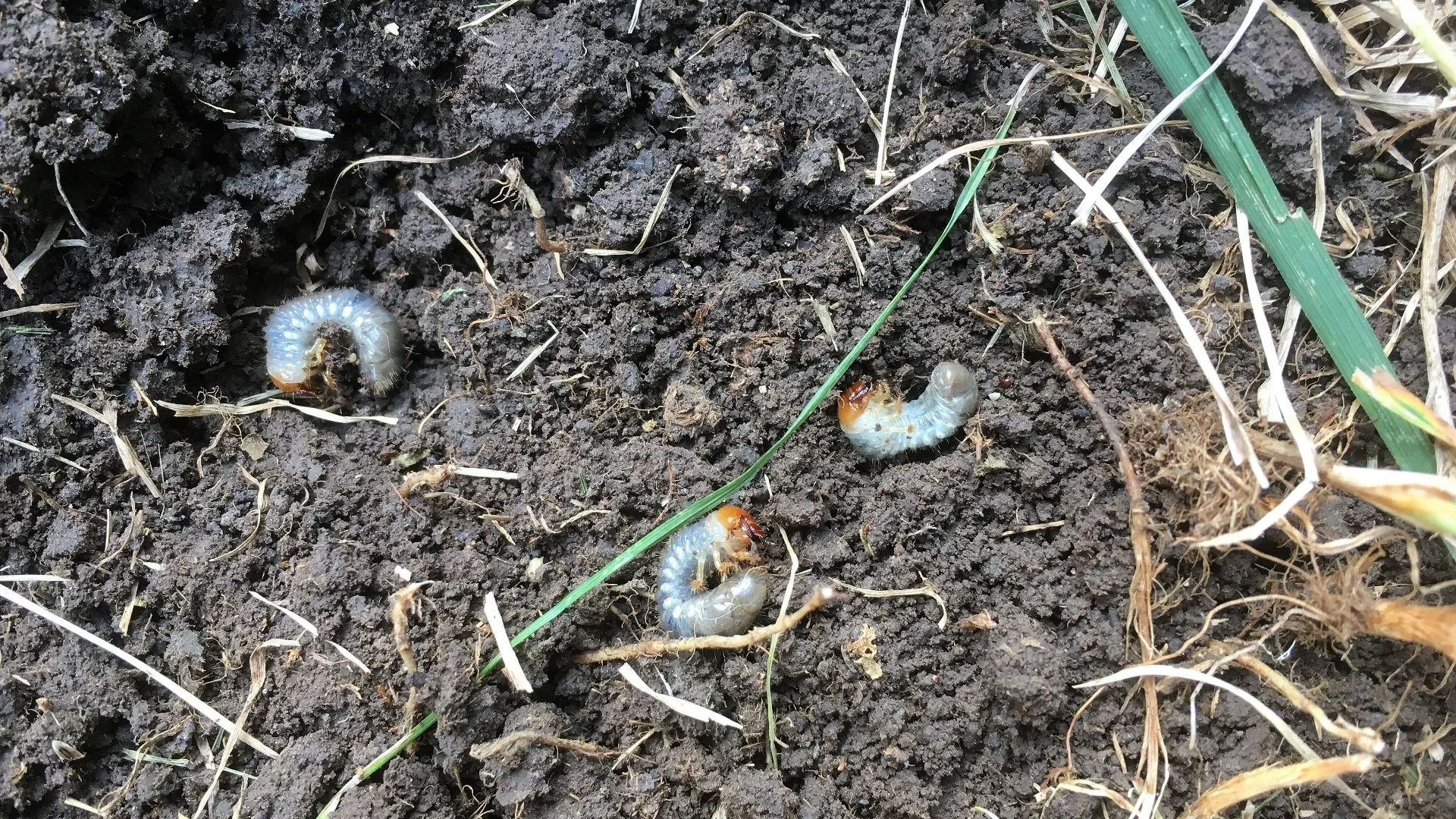
Insect pressure sometimes enters the conversation when field edges sit beside landscape beds. Drought stressed turf invites feeding on the same berms that already look thirsty from the road. Lawn insect programs stay relevant on turf that hosts outdoor gatherings. Photos in morning light help sort uniform tan bands that trace to water from scattered tufts that deserve insect reads.
Do not treat chair wear like an outbreak. Traffic and insects look different when you photograph the same arc three days in a row. Mention agricultural neighbors and dust when you request help so crews understand the edge conditions on your lot.
## Beds, mulch, and curbing before outdoor calendars fill
Mulch installation with real depth blocks light on weed seeds and holds moisture in beds that face bench wind. Yard cleanup that removes debris from irrigation heads and perennial crowns is the first step toward tidy borders. Depth and matting on mulch should match drainage on each bed. Too shallow invites weeds. Too deep can stress fine roots on ornamentals beside the house.
Concrete curbing around rock beds changes how water moves off pavement. If heads now throw into new chips or against curbing, adjust before you blame the clock alone. Peak summer priorities on Fruita lots often start with fixing coverage, then turf programs, then bed polish once spray patterns stop fighting the hardscape.
## Practical property checklist for Fruita owners
Photograph the approach guests use from parking to the door. List zones by real names on the controller. Note field edges, rock drives, ditch or well habits, and shade from mature trees on a simple sketch. Run irrigation once while you watch for spray on trunks and pavement. Decide if you want a program review before outdoor calendars fill in peak summer heat.
Keep the peak summer quiz open when symptoms compete and you want a short sort. Keep the recovery article open when fescue looks sick in wet shade spots while open panels stay dry.
## Serving Fruita and nearby Western Colorado communities
Mesa Turf Masters also works Grand Junction, Loma, and nearby towns with the same practical ordering we publish here. Fruita properties often need mixed plans that respect subdivision turf, agricultural edges, and bench wind in one view. Call (970) 434-5440 or request a quote when you want a crew to read the whole property before the next busy outdoor calendar fills.
## Closing
Fruita rewards plans that treat turf, stone, beds, trees, and limited water as one property rather than five arguments. Fix irrigation and mowing first, labeled weed and pest work when patterns fit, mechanical recovery when wear and soil matter more than one dry spell, bed polish when borders steal the view. That sequence keeps Fruita landscapes looking tended from the road and ready for the guests you already invited.
Return to the Fruita service area page for local contact context and the full service list when you are ready to schedule.