Finding the best pest control company gets surprisingly tricky once you start comparing options. You are not just trying to stop ants in the kitchen or wasps near the patio. You want a company that shows up on time, explains what is happening, and fixes the problem without turning your home, yard, or business into a hassle.
## What “best pest control company” really means in grand junction
In Grand Junction, “best” usually has less to do with flashy advertising and more to do with how well a company handles real local conditions. After a hot afternoon, you might notice ants trailing along the baseboards. A few days later, wasps start building under the eaves above the back patio. That is when marketing promises stop mattering and practical service starts to matter a lot.
The best pest control company is the one that fits your property, your pest issue, and your expectations. You want clear answers, not vague reassurances. You want a treatment plan that makes sense for your schedule and your outdoor spaces. If your lawn, shrubs, or trees are part of the bigger picture, you want somebody who notices that too.
That is the frame for the whole decision. Not “Who has the biggest name?” but “Who can actually solve your problem well?”
## Start with your actual pest problem
Here’s the thing: the right company for a one-time wasp nest is not always the right company for ongoing rodent control, termite monitoring, or a property where lawn pests and plant health issues keep feeding bigger problems.
Start with what is happening right now on your property. Are pests getting inside? Are you seeing activity in the yard? Is this a recurring issue every season, or a sudden problem that needs fast attention? A company that is great at routine perimeter treatments may not be the strongest choice for structural pest issues or commercial compliance work.
That keeps the search grounded. Instead of getting pulled in by coupons or broad claims, you can compare companies based on the actual work you need done.
### Common pests around grand junction homes and properties
Grand Junction brings its own mix of pest pressure. Dry heat, irrigation, changing seasons, and varied landscaping all shape what shows up around homes and businesses.
Ants are one of the most common frustrations, especially when heat drives activity indoors. Spiders follow food sources, so if insects are active around garages, sheds, basements, or utility areas, spiders usually are too. Wasps love rooflines, eaves, patios, and outdoor gathering spots, which makes them more than just an annoyance.
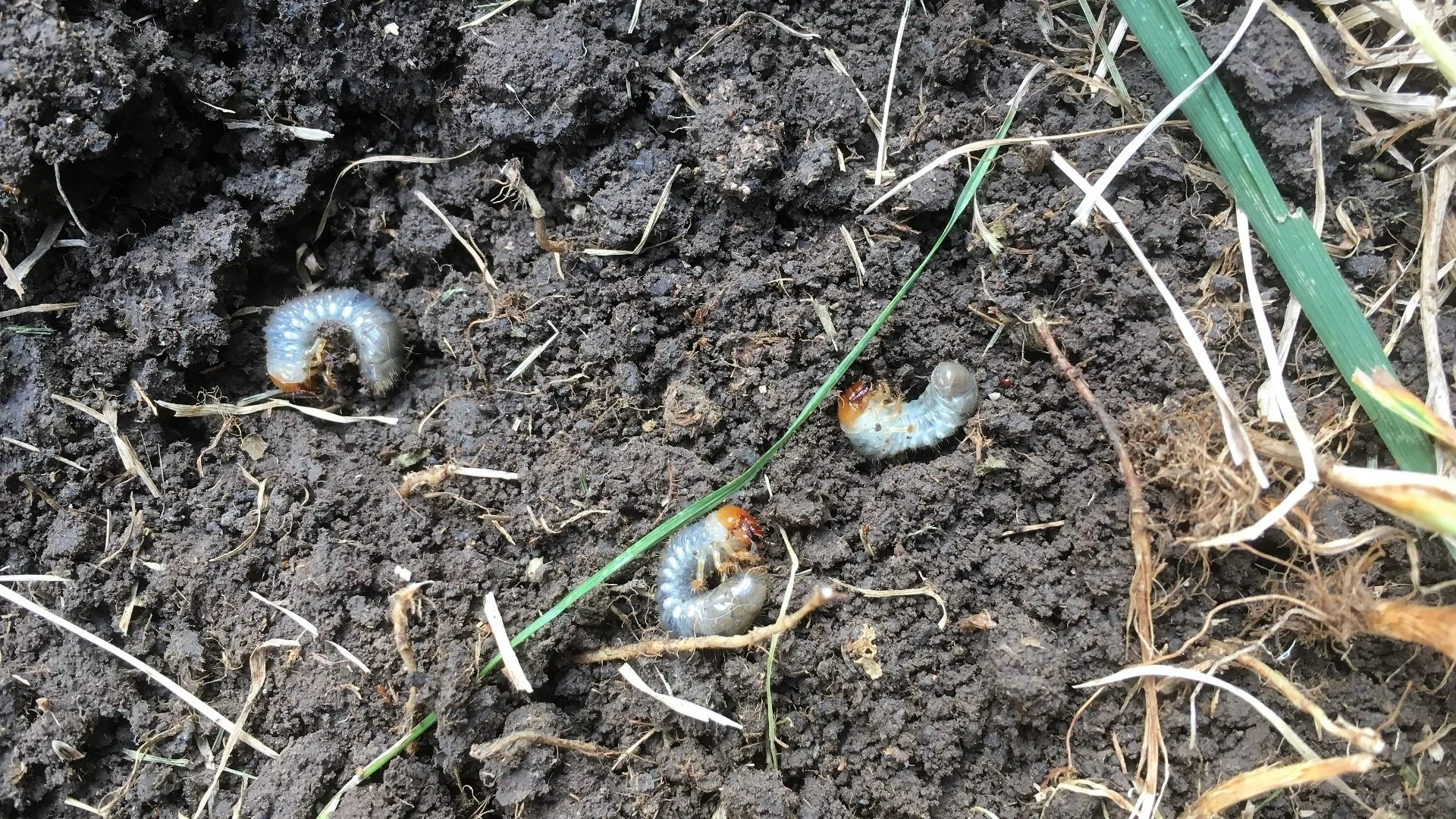
Rodents become a bigger issue when temperatures shift and shelter gets attractive. Termites are a different category entirely, because the damage can stay hidden for a long time. Mosquitoes tend to be more property-specific, often tied to irrigation habits, shade, and standing water rather than just the broader climate. Then there are nuisance lawn pests and plant-related insect issues that show up in turf, shrubs, and ornamentals.
That mix matters because not every pest control company handles every category equally well.
### Residential vs. commercial pest control needs
A single-family home, a rental property, an office, a restaurant, and a landscape-heavy commercial site do not need the same kind of service.
For a home, convenience and comfort usually lead the list. You want dependable protection, easy scheduling, and somebody who respects your space. For rentals, responsiveness and documentation often matter more, especially when timing affects tenants and turnover.
Commercial properties usually need a tighter system. Offices may need discreet, recurring service. Restaurants need faster response and more detailed records. Retail spaces and HOAs often care about appearance just as much as treatment results. If the property includes large planted areas, irrigation zones, or outdoor common spaces, pest control can overlap with landscape care in a very real way.
The more complex the property, the more you should care about process, reporting, and follow-through.
## The qualities that make a pest control company worth hiring
If you only compare prices, you are skipping the part that actually predicts a good result. The better approach is to look at a few core traits that separate a reliable pest control company from one that just gets through appointments.
### Local experience matters more than a big name
This is one place where local knowledge beats generic national scripts. Grand Junction has its own rhythms, including hot dry stretches, irrigated landscapes that create pockets of moisture, and neighborhoods where pest activity changes block by block.
A company that knows how pests behave in this climate will usually inspect differently and treat differently. Somebody familiar with local seasonal cycles is more likely to connect ant pressure to heat, mosquito pressure to irrigation, or rodent issues to entry points that get overlooked in older structures and outbuildings.
That knowledge also helps outside the home itself. Shrubs against siding, lawn edges that stay damp, wood piles near foundations, and clutter around storage areas can all shape pest pressure. A technician who understands the whole property has a better shot at solving the issue instead of just spraying around it.
### Licensing, insurance, and technician training
This part is not exciting, but it matters.
A company should have proper state licensing for pesticide application. That simply means the business and technicians have met legal requirements to apply treatments. Insurance matters too, because it protects you if something goes wrong on the property.
Training is where the quality gap often shows up. Pest control is not just walking around with a sprayer. Good technicians know how to identify the pest correctly, spot contributing conditions, explain treatment limits, and use products safely. If a company gets vague when you ask about credentials or training, take that as a warning sign.
You do not need a chemistry lecture. You just need proof that the people coming to your property know what they are doing.
### Clear treatment plans and honest communication
Good communication is easy to recognize because it feels specific. You should know what pest is being treated, where the activity is, what the technician plans to do, and what result to expect.
You should also know what is not included. If an initial service only addresses common crawling insects, that should be said plainly. If rodent sealing, termite work, or mosquito reduction requires separate service, that should be said before the bill shows up.
The best companies explain what gets treated and where. Indoors, outdoors, foundation line, lawn edges, eaves, entry points, nesting areas, bait stations, traps, exclusion work, all of that should be clear enough that you could repeat the plan to somebody else afterward.
Mystery is not professionalism. It is usually a sign of a rushed appointment.
### Follow-up service and service guarantees
The first visit is only part of the story.
Some pest issues respond quickly. Others need follow-up, retreatment, monitoring, or a seasonal plan. Ants can come back if the source is not resolved. Rodents may require trapping plus exclusion, which means sealing the ways they get in. Wasps may be gone fast, but conditions that attract them can stick around.
A useful guarantee is simple and practical. If pests return within the covered period, the company comes back. You should know how long that period lasts, what pests are included, and whether extra charges apply. Watch for guarantees that sound great in ads but get narrow once you read the fine print.
## Services to look for beyond basic bug sprays
A lot of pest issues are not isolated. That is why a company that sees the whole property can be more useful than one that treats each symptom like a separate event.
### Lawn, landscape, and plant health support
Pest pressure often overlaps with lawn care, shrubs, trees, and irrigation patterns. If the lawn stays overwatered near the foundation, you may end up with more insect activity around the home. If shrubs are too dense against siding, you create shelter near entry points. If a tree or ornamental planting is already stressed, insects can pile onto that problem fast.
A company that can connect pest control with lawn, landscaping, and plant health support gives you a more complete picture. That does not mean every issue needs one bundled service. It means you benefit when somebody notices that the bug problem and the yard conditions are feeding each other.
For properties in Grand Junction where curb appeal matters, that broader view is especially valuable.
### Preventive pest control vs. one-time treatments
A one-time treatment makes sense when the problem is isolated and the source is easy to address. A visible wasp nest, a sudden ant flare-up, or a targeted spider issue can fall into that category.
Preventive service makes more sense when pests keep coming back, when the property has known pressure points, or when you simply do not want to wait until something gets inside. Regular perimeter service, seasonal monitoring, and scheduled treatments help keep common pests under control before they become a bigger headache.
The trick is matching the plan to the pattern. If your issue is recurring, a one-time visit can become the expensive version of doing the same thing over and over.
### Specialty services: termites, mosquitoes, rodents, and wildlife
Some categories need more than standard pest control.
Termites often require inspection tools, monitoring, and treatment methods that go beyond basic surface applications. Mosquito control usually depends on repeated treatments and careful attention to breeding conditions. Rodent control should include exclusion, which means physically closing entry points, not just setting traps and hoping for the best. Wildlife issues, where offered, can involve legal, safety, and humane-handling considerations.
This is where you want to ask direct questions. Does the company handle the service in-house? Is the technician trained for that category? What does the process include? Not every company is equally strong here, and that is fine, as long as the limits are clear.
## How to compare pest control companies without getting lost
Too many choices can make every company sound the same. A simple comparison process keeps that from happening.
### Read reviews for patterns, not just star ratings
A five-star rating looks nice, but the real value is in repeated themes. Read enough reviews to spot patterns around punctuality, communication, billing, professionalism, and whether the pest problem actually improved.
If multiple reviews mention missed appointments, rushed service, or surprise charges, pay attention. If multiple reviews mention clear explanations, easy rescheduling, and responsive follow-up, that matters too.
One dramatic complaint or glowing rave does not tell you much. Patterns do.
### Ask these questions before you book
You do not need a huge script, but you do need a few direct questions answered clearly. Ask what pests are covered, how many visits are included, and what happens if pests come back. Ask whether the service is considered safe for pets and kids after products have dried, and what preparation you need to do before or after the visit.
Also ask about contracts, cancellation fees, and what is excluded from the quoted service. If the answers come quickly and make sense, that is a good sign. If every answer gets slippery, keep looking.
### Compare inspection quality, not just price
A cheap quote means very little if the inspection takes six minutes and the plan stays vague.
Think of it like patching a leak without checking where the water is coming from. You may cover the symptom for a while, but the actual problem keeps moving behind the wall. Pest control works the same way. If a company does not inspect entry points, nesting areas, moisture sources, yard conditions, and problem zones, the lower price may just buy you a repeat appointment later.
Price matters, of course. But inspection quality is where value starts.
## What pest control usually costs in grand junction
Exact pricing varies a lot, and any quote worth trusting depends on the property and pest issue. Still, the broad cost drivers are easy to understand, and that helps you judge whether a quote feels fair or flimsy.
### What changes the price
Property size is one factor, because a larger home, lot, or commercial site takes more time and material. Pest type matters too. General insect control is usually priced differently from termite treatment, mosquito service, or rodent exclusion.
Severity changes the scope. A light preventive treatment costs less than a heavy infestation that needs repeat visits. Frequency matters as well. One-time service is priced differently from monthly, bi-monthly, or quarterly plans. Coverage also affects the number. Indoor treatment, outdoor perimeter work, lawn applications, attic or crawlspace work, and structural treatments all add labor and complexity.
That is why two neighbors can get very different quotes and both be perfectly reasonable.
### When it makes sense to spend more
Paying more can be the smart move when the problem has bigger consequences or requires a more complete fix.
Termite service is the obvious example. Rodent problems are another, especially if exclusion work is part of the plan. Repeated mosquito treatments can be worth it if you actually use your outdoor space and want the patio back on summer evenings. The same goes for properties where pest issues overlap with lawn care, irrigation, and plant health. A broader service approach may cost more upfront but save frustration later.
Cheap service looks good until it leaves the real source untouched.
### Cheap service traps to avoid
Low teaser pricing is a classic trap. A company advertises a very low starting rate, then adds charges for the pests you actually have, the areas that actually need treatment, or the follow-up visits needed to make the service work.
Vague contracts are another problem. If coverage terms, retreatment policies, or cancellation fees are hard to pin down, you are not getting a bargain. You are getting uncertainty. Watch for plans that sound affordable only because the meaningful parts are missing.
A fair quote should be easy to understand. If you need a magnifying glass and a decoder ring, move on.
## Common mistakes people make when hiring a pest control company
Most hiring mistakes are not dramatic. They are ordinary decisions made a little too fast.
### Waiting until the problem gets worse
A small pest issue is usually easier to solve than a well-established one. Ant activity can spread. Wasp nests get larger. Rodents reproduce. Termite damage keeps going quietly in the background.
The catch is that waiting often feels cheaper in the moment. Then you end up paying for a bigger treatment plan, more repairs, or more repeat visits. If you are seeing consistent activity, especially in or around the structure, early action is the better bet.
### Choosing based on price alone
The best pest control company is not always the cheapest one. That is not sales talk. It is just how service categories work when diagnosis, timing, communication, and follow-up all affect the outcome.
A lower price can still be a good value if the inspection is solid and the scope is clear. But if the company is hard to reach, misses appointments, or treats the symptom without solving the source, the savings disappear pretty fast.
### Ignoring the yard, roofline, and entry points
A lot of pest problems start outside and move in. Thick shrubs against the house, overwatered lawn edges, gaps under doors, cracks around utility lines, clutter near the foundation, and neglected rooflines can all create easy conditions for pests.
That is why it helps to hire a company that sees more than the bug itself. If somebody notices the nest under the eaves, the gap by the garage, and the damp zone near the foundation, you are getting a much better service than a quick spray-and-go visit.
## Best pest control company by use case
The easiest way to narrow the field is to match the company to the kind of help you actually need.
### Best for ongoing home protection
If you want year-round peace of mind, prioritize consistency. Look for a company that offers recurring service for common household pests, communicates clearly between visits, and makes retreatments simple when needed.
You want minimal hassle here. Easy scheduling, dependable arrival windows, and straightforward service notes matter more than flashy extras. For this use case, steady execution beats big promises every time.
### Best for lawn, landscape, and pest issues together
If your property includes turf, shrubs, trees, planting beds, or irrigation zones that affect pest activity, look for a company that understands the whole outdoor environment.
This is the best fit when insect pressure, plant stress, and yard conditions are tangled together. A company that can spot overwatering, unhealthy plant material, and landscape-related pest shelter has a better chance of improving the property overall, not just knocking back one symptom for a week.
### Best for businesses and commercial properties
For commercial sites, reliability and documentation rise to the top. You want fast response, consistent scheduling, clear records, and service that does not disrupt staff, customers, or tenants.
Restaurants, offices, retail spaces, HOAs, and other managed properties often need a company that can stick to a plan and communicate professionally every time. In commercial settings, being organized is part of the service.
### Best for fast help with a specific infestation
If you need immediate action for wasps, rodents, ants, spiders, or another active problem, prioritize speed plus clarity. Same-week availability matters, but so does a real inspection and a direct explanation of what happens next.
Fast service is only useful if it is pointed at the right problem. The best option in this scenario is a company that can move quickly without turning sloppy.
## A simple shortlist checklist before you choose
By this point, the decision should feel a lot less fuzzy. You are looking for local experience, a service match for your actual pest issue, clear pricing, strong review patterns, and solid follow-up support.
The simplest way to move forward is to shortlist two or three Grand Junction-area companies and compare how each one handles the same conversation. Notice who listens, who explains the plan clearly, who answers direct questions without sidestepping, and who treats your property like a real place instead of another stop on a route.
Try that one thing next. A short phone call or inspection request will usually tell you more than a page full of marketing copy ever will.
* Disclaimer: This article is for general informational purposes only. It is not professional advice, a quote, or a service agreement. Conditions at your home or property may differ; contact a qualified professional for an on-site evaluation before making repair, safety, or spending decisions.